naval mine
5 stories filed under naval mine on World Data Ocean. The newest of them: “Two million barrels of crude oil released as supertanker strikes naval mine in Hormuz”, “Cargo spill in the Strait of Hormuz scatters consumer goods across shipping lane”, and “Singapore-flagged vessel with 2,500 containers sinks in Strait of Hormuz”. A supertanker carrying two million barrels of crude oil has struck a naval mine in the Strait of Hormuz, releasing its cargo into one of the world's most strategic waterways. A Global Hub for Ocean Intelligence 4 World Data Ocean is a centralized digital platform where researchers, scientists, and ocean enthusiasts converge to… The list below is every naval mine story on World Data Ocean, newest first.
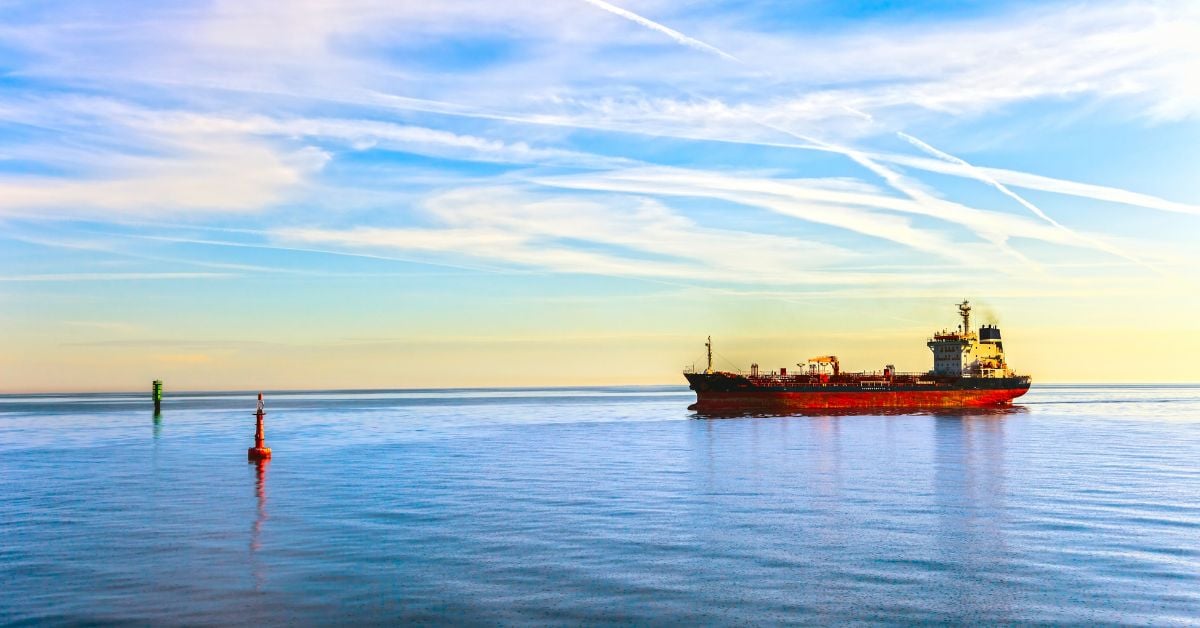
Two million barrels of crude oil released as supertanker strikes naval mine in Hormuz
A supertanker carrying two million barrels of crude oil has struck a naval mine in the Strait of Hormuz, releasing its cargo into one of the world's most strategic waterways. This is not merely a spill; it is a measurable disruption to global energy flows and a stark, empirical signal of escalating maritime risk. The incident underscores the urgent need for integrated ocean intelligence.
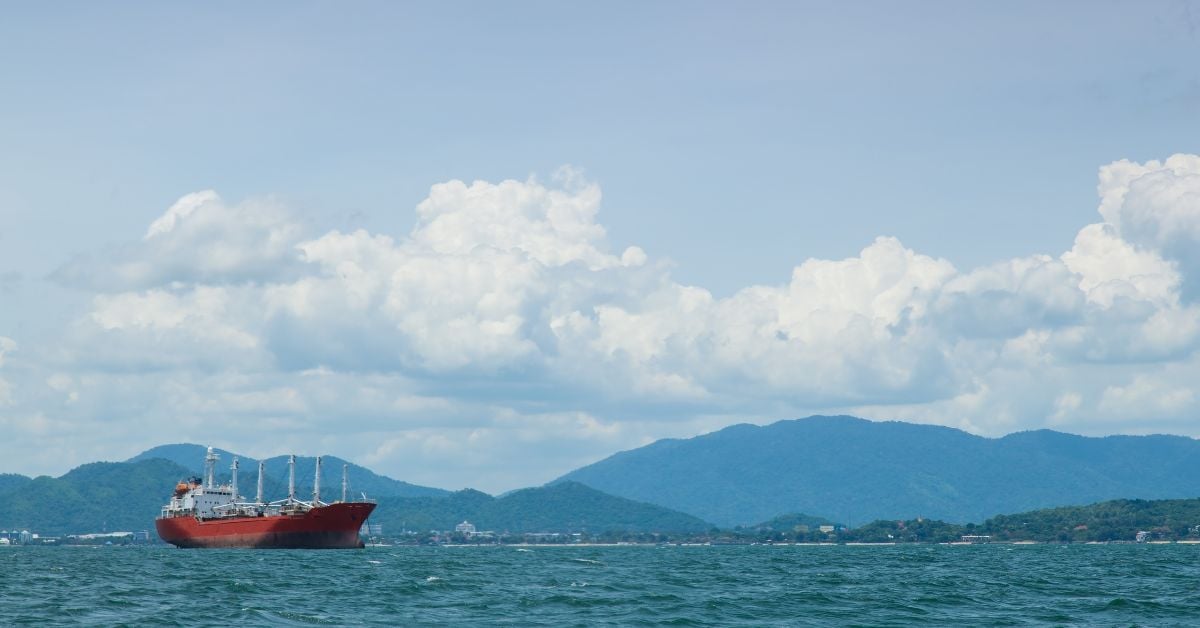
Cargo spill in the Strait of Hormuz scatters consumer goods across shipping lane
Perfume bottles and iPhone boxes now float in the Strait of Hormuz, scattered from a cargo spill that has turned a critical shipping lane into an improvised retrieval zone. This is not a story about lost luxury goods, it is a measurable disruption in a calibrated global supply chain. Such incidents remind us that ocean intelligence requires real-time awareness of every vessel and its cargo.
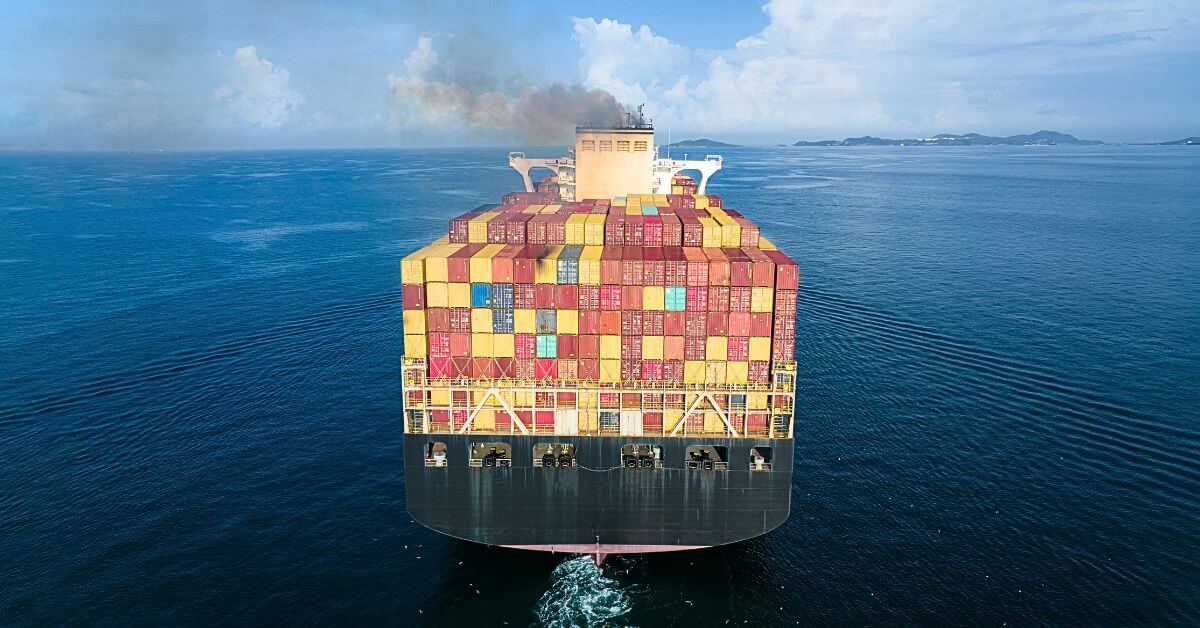
Singapore-flagged vessel with 2,500 containers sinks in Strait of Hormuz
A Singapore-flagged container vessel carrying 2,500 containers has sunk in the Strait of Hormuz after being struck by an unidentified projectile and catching fire. The loss of a major commercial ship in one of the world's most strategically vital waterways demands rigorous, verifiable maritime data. This incident underscores the urgent need for integrated ocean intelligence, a capability central to our coverage of regional security in "Strait of Hormuz Posture Raises Stakes for Maritime Data Verification."
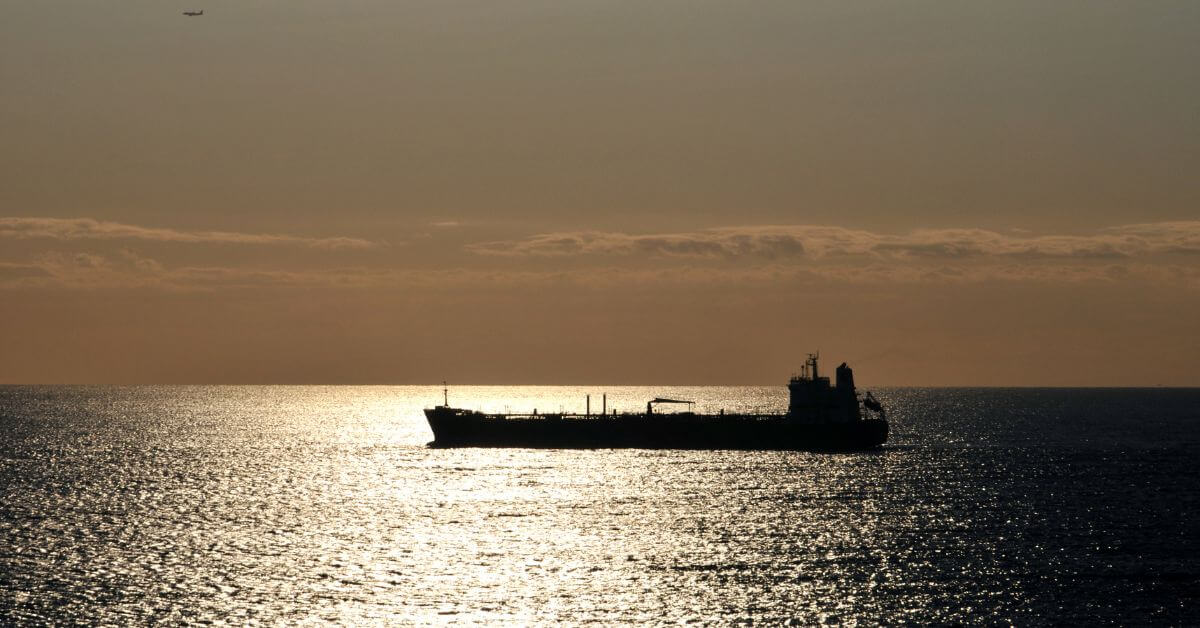
Disputed Incident: U.S. Challenges Iran's Account of Tanker Attack
The United States has rejected Iran's account that the Panama-flagged oil tanker El Gaia struck a naval mine in the Strait of Hormuz, casting further doubt on a waterway already strained by diplomatic friction. Attribution matters here, and so does verification. Disputed incidents like this one do not clarify; they complicate. The stakes are measurable, and the margin for error is thin.

Mine Strike Damages Tanker in Strait of Hormuz; Shipping Risks Rise
A mine strike has damaged a tanker in the Strait of Hormuz after it left a shipping route designated by Iranian authorities, according to Tasnim. The incident underscores how quickly risk is escalating in a waterway that carries a third of global oil trade. This is not a distant threat; it is a live disruption with immediate consequences for maritime security.