supertanker
supertanker at World Data Ocean is a file of 5 stories. The newest of them: “Two million barrels of crude oil released as supertanker strikes naval mine in Hormuz”, “Risk premiums on global shipping lanes exceed $100,000 per month”, and “Six million barrels of Iranian crude cross Atlantic under US authority”. A supertanker carrying two million barrels of crude oil has struck a naval mine in the Strait of Hormuz, releasing its cargo into one of the world's most strategic waterways. A Global Hub for Ocean Intelligence 4 World Data Ocean is a centralized digital platform where researchers, scientists, and ocean enthusiasts converge to… The list below is every supertanker story on World Data Ocean, newest first.
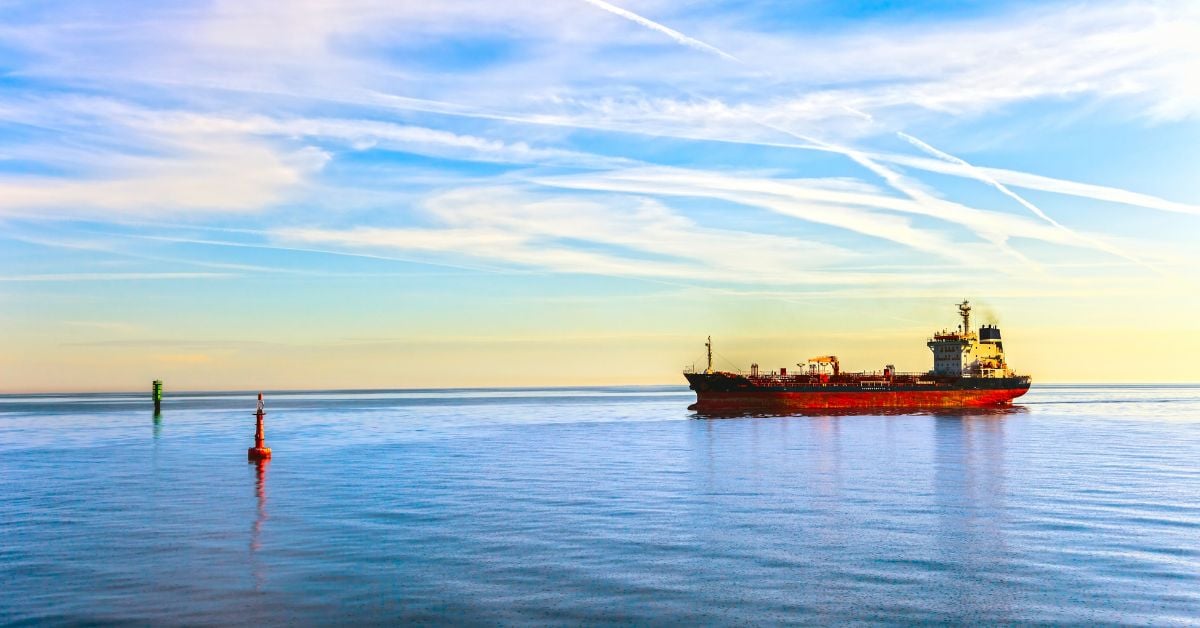
Two million barrels of crude oil released as supertanker strikes naval mine in Hormuz
A supertanker carrying two million barrels of crude oil has struck a naval mine in the Strait of Hormuz, releasing its cargo into one of the world's most strategic waterways. This is not merely a spill; it is a measurable disruption to global energy flows and a stark, empirical signal of escalating maritime risk. The incident underscores the urgent need for integrated ocean intelligence.
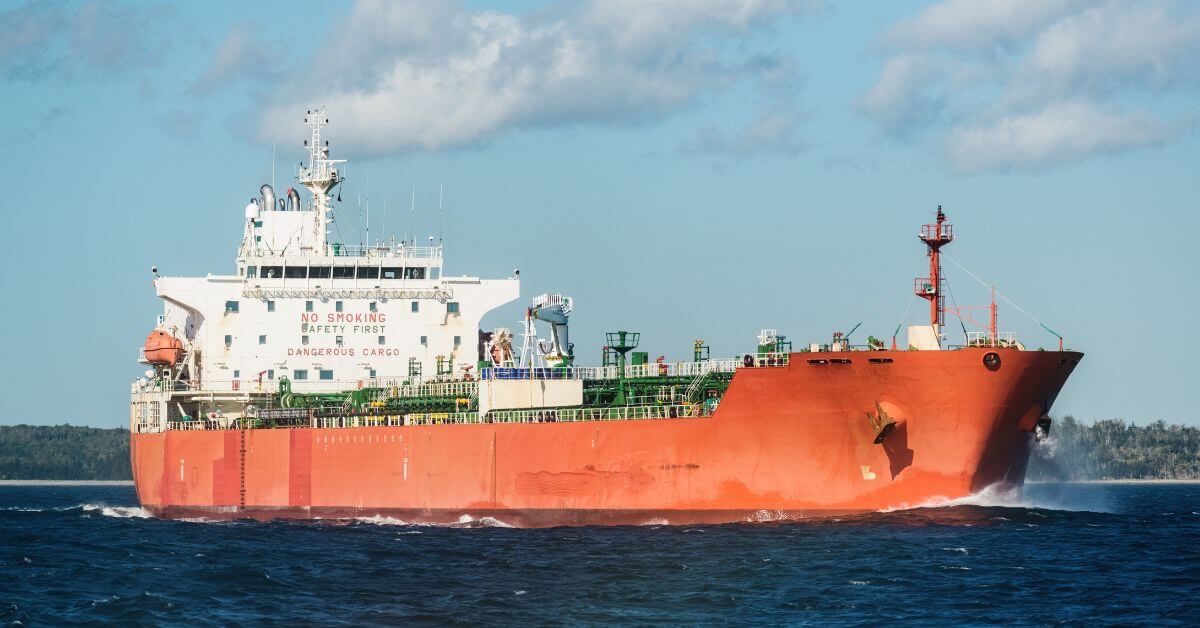
Risk premiums on global shipping lanes exceed $100,000 per month
Risk premiums on global shipping lanes now exceed $100,000 per month. Oil tanker captains sailing the Strait of Hormuz are offered up to that sum, plus a $50,000 bonus per crossing. These figures quantify a dangerous new reality for maritime commerce. Our related report, "Weekly tanker strikes near Strait of Hormuz reach highest count in years," documents at least 12 recent attacks. This is not abstract risk; it is a measurable, empirical cost of instability in a critical chokepoint.
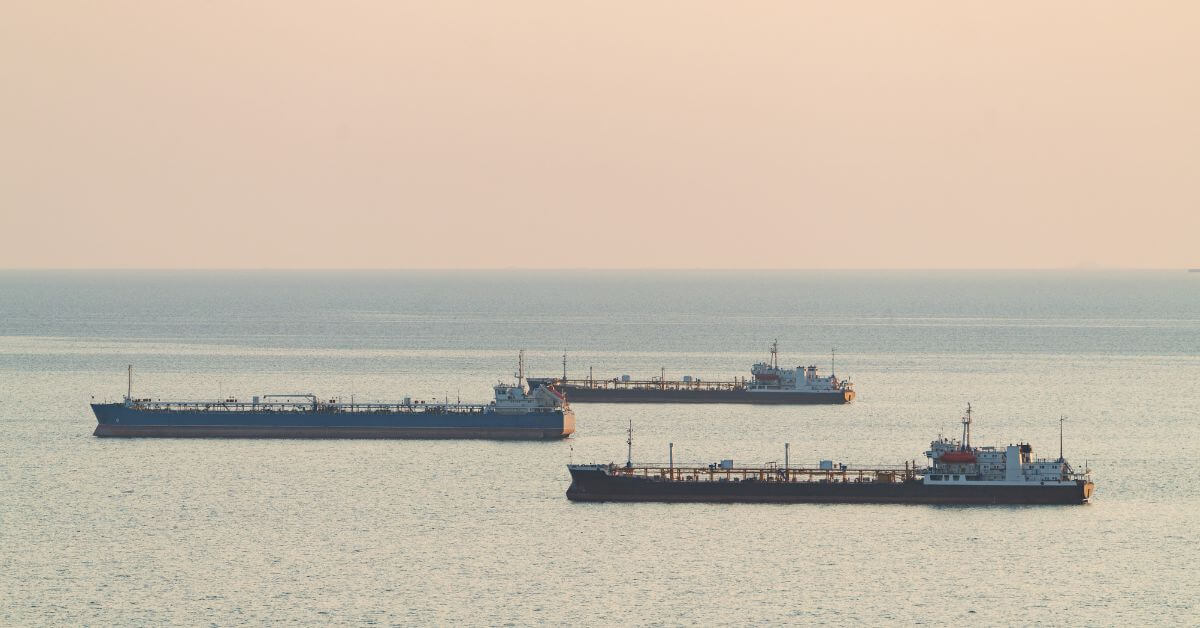
Six million barrels of Iranian crude cross Atlantic under US authority
Six million barrels of Iranian crude, valued at roughly $600 million, are now crossing the Atlantic under U.S. authority, after three tankers were seized. This is a calibrated assertion of maritime jurisdiction, not a provocation. The movement underscores how ocean intelligence and legal frameworks intersect in real-time geopolitical operations. For context on regional tensions, see our coverage of the second U.S. underwater drone reportedly seized in the Strait of Hormuz. Understanding these patterns drives protection of shared marine interests.
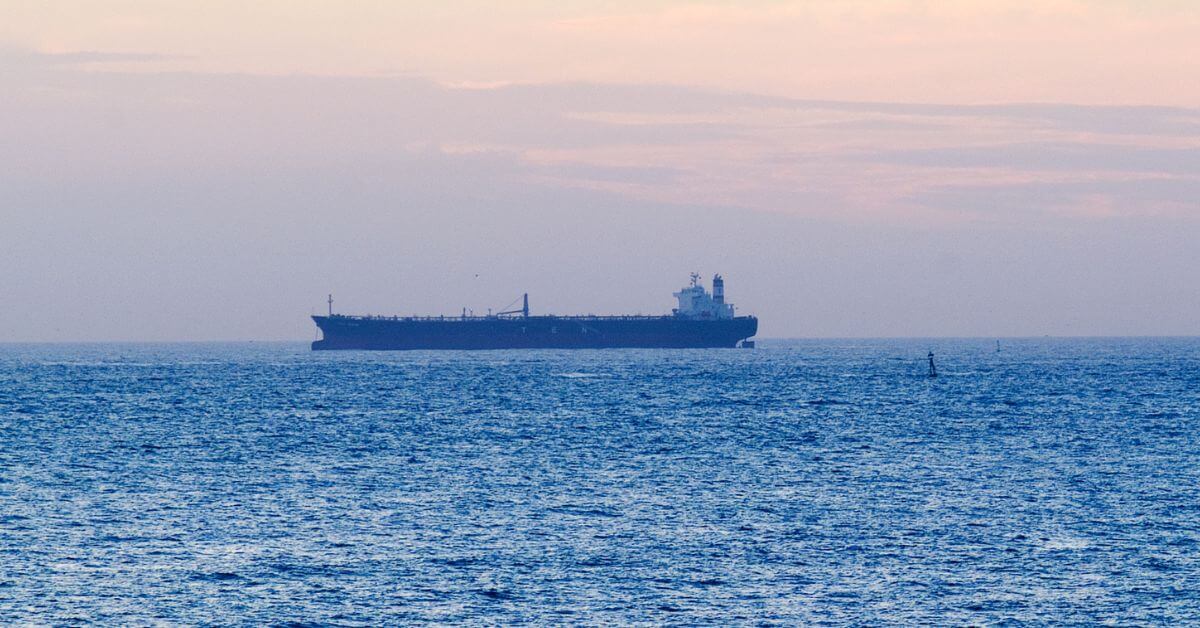
Strait of Hormuz Attack: Incident Highlights Regional Maritime Risks
Two Filipino crew members were killed in the attack on a Bahri vessel near the Strait of Hormuz. This is not an isolated incident; it is a measurable data point in a region where maritime risks are escalating. The human cost is validated by empirical reports from Saudi Arabia's shipping company. Understanding these threats drives protection of global trade routes. For deeper context, our article "Gulf of Oman STS Transfers Max Out Amid Rising Saudi Oil Exports" examines related capacity pressures.

Shipping Route Shift: Supertanker Alters Course Amid Red Sea Tensions
A supertanker bound for Yanbu turned back before reaching the Bab el-Mandeb Strait, a quiet but telling correction in a crowded maritime corridor. The move reflects how swiftly risk reshapes routing decisions, even for cargoes already committed. We read this as a practical response to tension, not alarm. For broader context on regional pressure points, our coverage of Gulf of Oman STS Transfers Max Out Amid Rising Saudi Oil Exports offers a useful parallel. The ocean rewards adaptability; this diversion proves the point.