merchant ships
World Data Ocean keeps merchant ships in one place: 18 stories so far. The section currently leads with “Black Sea cargo vessel lost in attack leaves 11 seafarers missing”, “Three-drone strike sinks Maltese-flagged vessel near Bulgarian coast”, and “Baltic States Call for EU to Halt Russian Grain Transit Amid Trade Route Shifts”. A cargo vessel lost in an attack on the Black Sea has left 11 seafarers missing. Three drone strikes sent the Maltese-flagged Chelsea 3 to the seabed off Bulgaria's coast, a measured, precise attack on a Ukrainian-owned vessel. A Global Hub for Ocean Intelligence 4 World Data Ocean is a centralized digital platform where researchers, scientists, and ocean enthusiasts converge to… The list below is every merchant ships story on World Data Ocean, newest first.

Black Sea cargo vessel lost in attack leaves 11 seafarers missing
A cargo vessel lost in an attack on the Black Sea has left 11 seafarers missing. Five crew members were rescued from the sunken ship, identified by the Bulgarian President as the Guinea-Bissau-flagged *HS Dignity*. This incident follows a troubling pattern of escalating risk to commercial shipping in the region, as detailed in our coverage of the drone strike that sank the Maltese-flagged *Chelsea 3*. The human cost is a sobering, empirical indicator of maritime vulnerability.
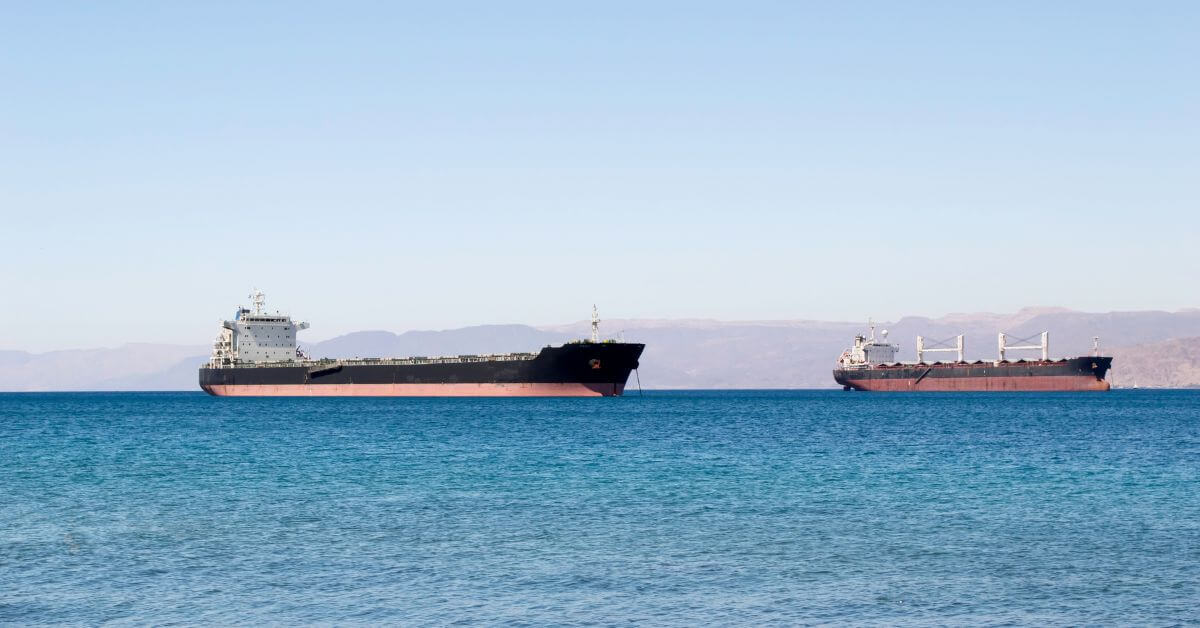
Three-drone strike sinks Maltese-flagged vessel near Bulgarian coast
Three drone strikes sent the Maltese-flagged Chelsea 3 to the seabed off Bulgaria's coast, a measured, precise attack on a Ukrainian-owned vessel. This is not alarmism; it is an empirical signal of evolving maritime threats. Understanding drives protection, which is why our coverage traces these changes. For deeper context on how navies adapt, see *Baltic Allies Validate Uncrewed Target Engagement in Gulf of Bothnia Exercise*. The data tells a clear story: the rules at sea are being rewritten.
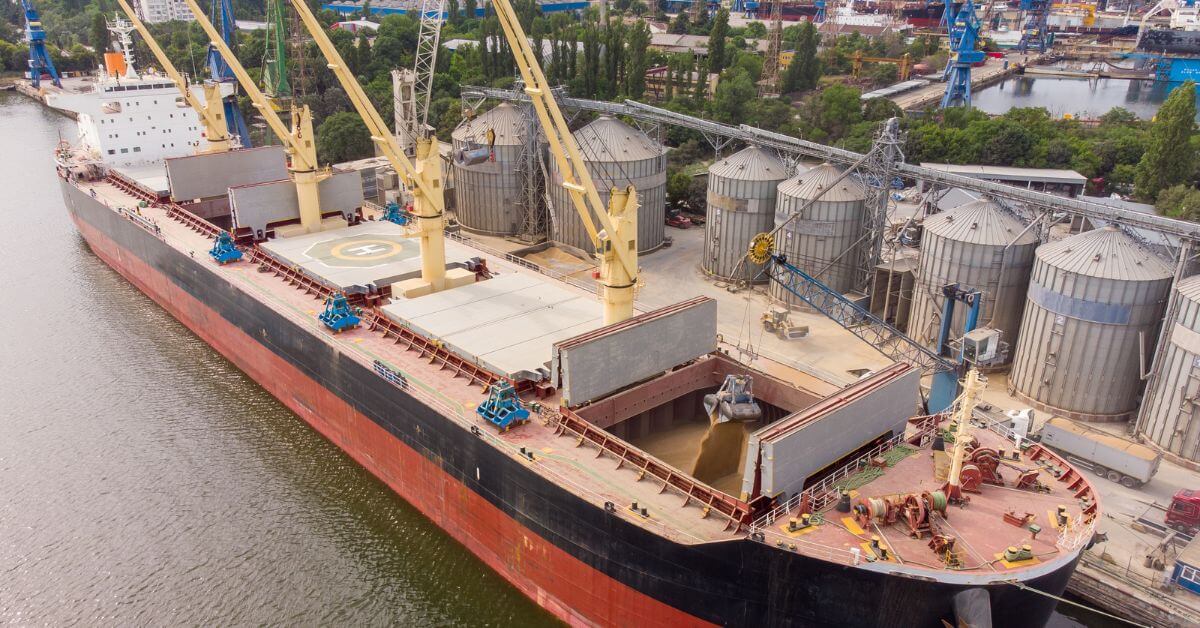
Baltic States Call for EU to Halt Russian Grain Transit Amid Trade Route Shifts
The Baltic States have formally called on the EU to halt the transit of Russian grain through European ports and transport routes, a direct response to shifting trade dynamics. This measured policy intervention prioritizes verified trade data over reactive measures. For deeper context on how global trade patterns are evolving alongside climate indicators, see our related piece on China's electric vehicle acceleration. Understanding trade flows is essential to calibrating effective, collaborative policy.

Persistent Lifebelt Signal Guides Cargo Ship to Rescue After 20 Hours at Sea
A flashing light on a lifebelt guided a cargo ship to a stranded woman after 20 hours at sea. This rescue is a calibrated, real-time validation of why integrated ocean safety systems matter. For a deeper look at what happens when those systems fail, see our related coverage, "Human tragedy in Djibouti waters underscores urgent need for integrated ocean safety."
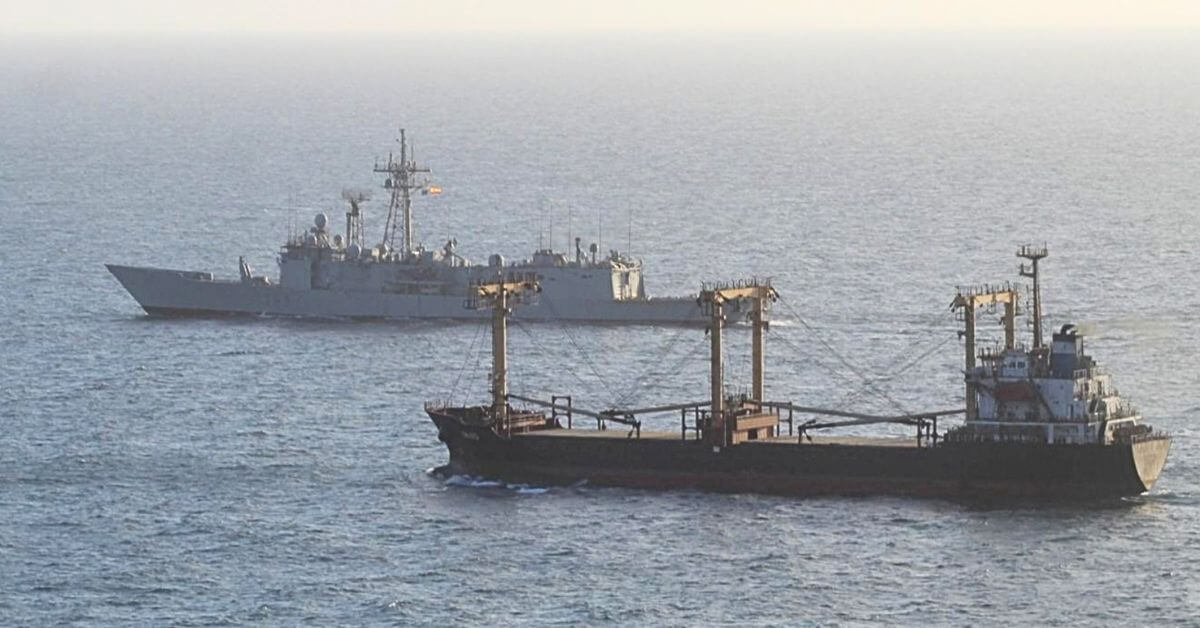
EU Urges Naval Reinforcements as Red Sea Escort Demand Escalates
Merchant ships in the Red Sea are now queuing for naval escorts as Houthi attacks renew, and the EU's call for more warships is a measured response to a measurable threat. This is not alarmism, it is operational reality. For those tracking maritime security, our coverage of the *Gulf of Trieste cross-border SAR simulation* illustrates how validated, integrated protocols strengthen readiness. When demand escalates, calibrated action matters.
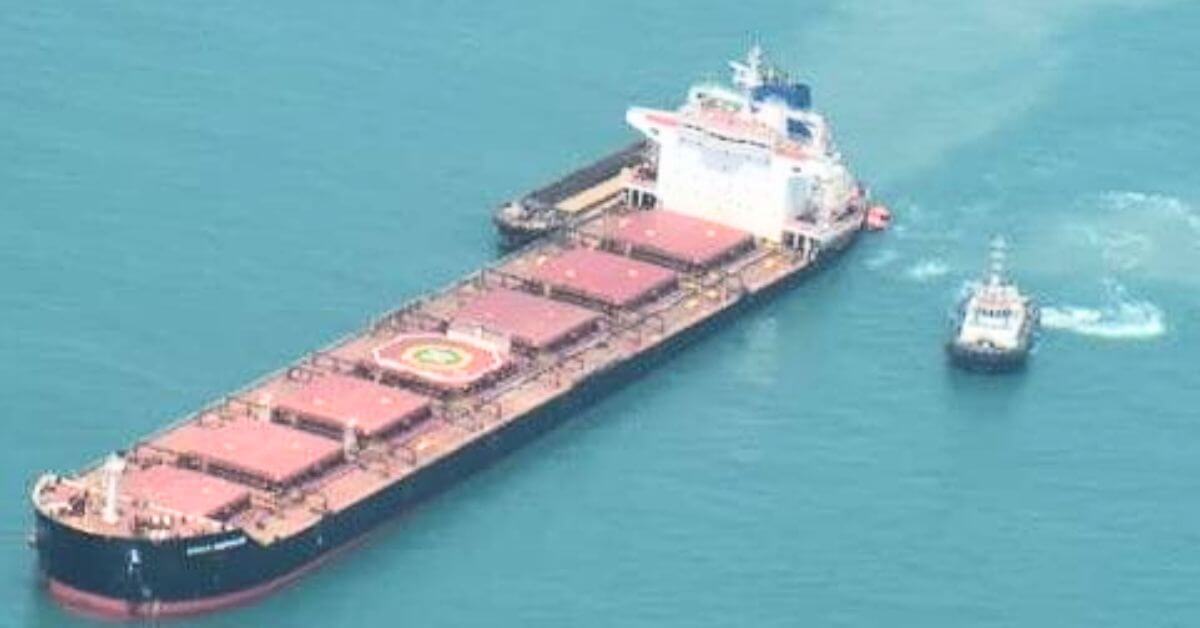
Crew Rescued After Merchant Ship Collision Near India’s Coast.
A collision off India's coast forced the evacuation of 21 crew members from the merchant vessel MV KMAX EMPEROR. The Coast Guard's rapid response prevented a greater crisis, but this incident underscores the persistent risks in busy shipping lanes. Maritime safety demands continuous vigilance, not just reaction. For deeper context on related maritime emergencies, read our coverage of the cargo ship fire near Mykonos, each event reminds us that ocean intelligence must extend to human safety at sea.

Protecting Maritime Routes: India and Iran Prioritize Ocean Safety.
Indian Prime Minister Narendra Modi has rightly elevated shipping safety and seafarer protection to a bilateral priority during talks with Iran's President. In a region where maritime chokepoints demand calibrated vigilance, this focus is both practical and overdue. The ocean does not recognize political borders, and shared responsibility for route security is the only measurable path forward. For deeper context on regional pressures, see our coverage of "Gulf of Oman STS Transfers Max Out Amid Rising Saudi Oil Exports."
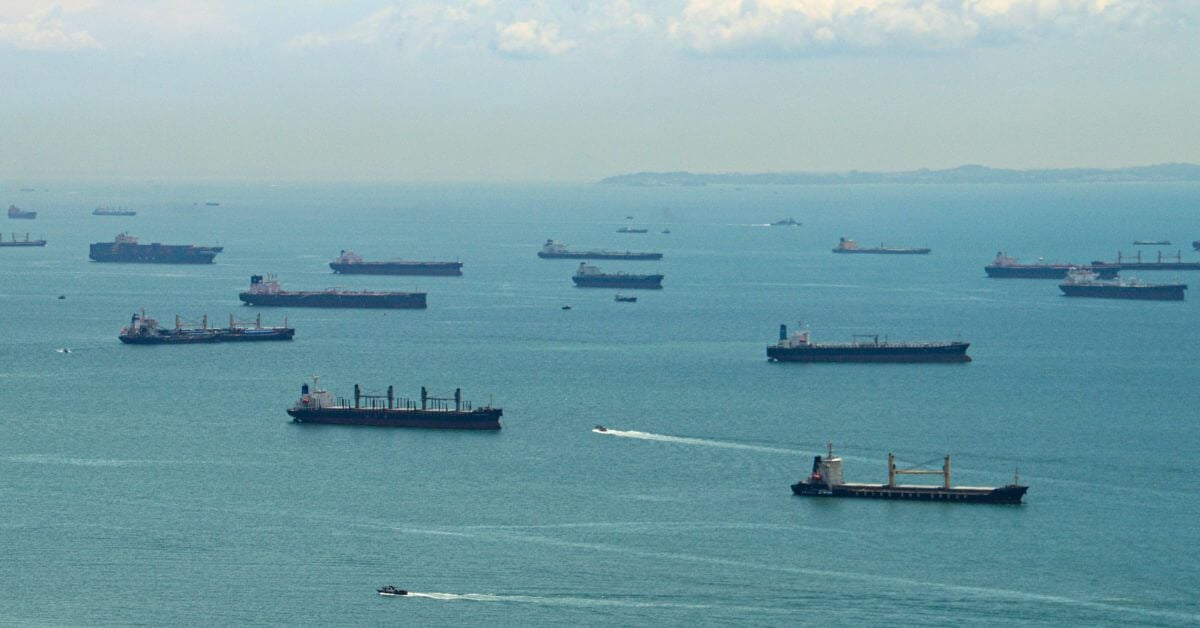
Escalation in Strait of Hormuz: Maritime Traffic Disrupted by Reported Attacks
Reports of multiple merchant vessels struck in the northern Gulf and Gulf of Oman signal a dangerous escalation in the Strait of Hormuz. Maritime traffic is now disrupted, and the immediate consequences for global energy flows are measurable. This is not a moment for alarmist speculation, but for empirical observation. For deeper analysis on regional capacity pressures, readers may consult our related report on Gulf of Oman STS transfers maxing out amid rising Saudi oil exports.
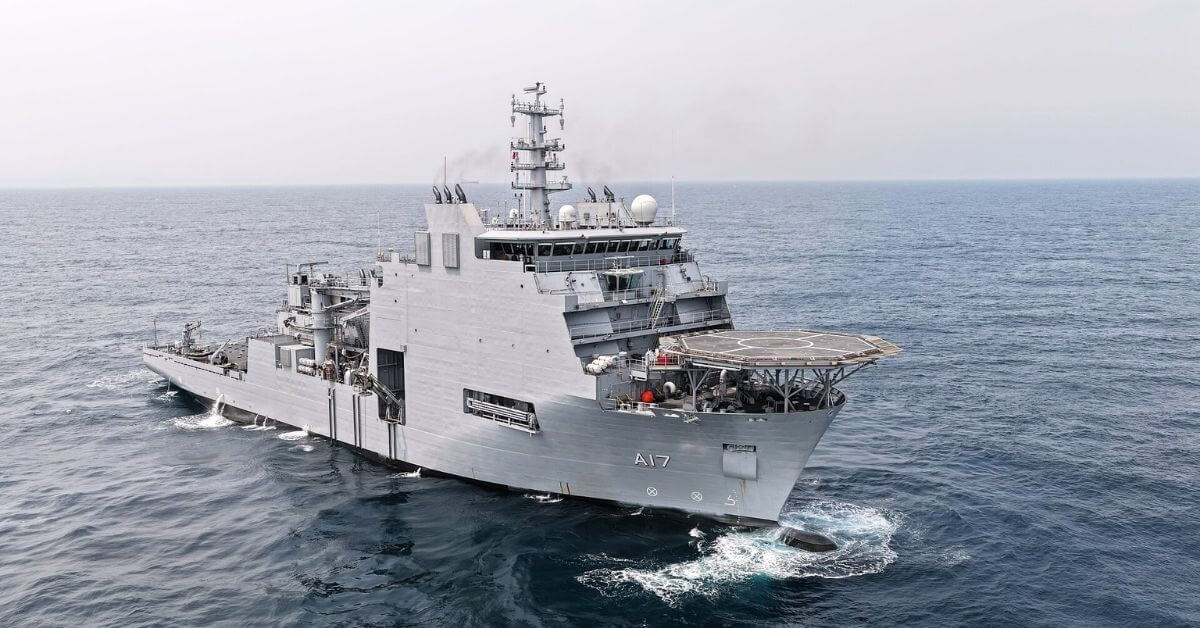
Indigenous Vessel Nipun Bolsters Indian Navy’s Underwater Capabilities
India has added a distinctly indigenous asset to its naval fleet with the Nipun, a vessel designed and built by Hindustan Shipyard Limited in Visakhapatnam. This launch strengthens underwater capabilities with a clear signal: self-reliance is no longer an ambition but a working principle. For those tracking how India's maritime posture evolves, the Nipun sits alongside the navy's projected 230-ship fleet by 2045, a trajectory detailed in our related coverage, "India Projects Expanded Naval Fleet to Navigate Evolving Maritime Landscape.
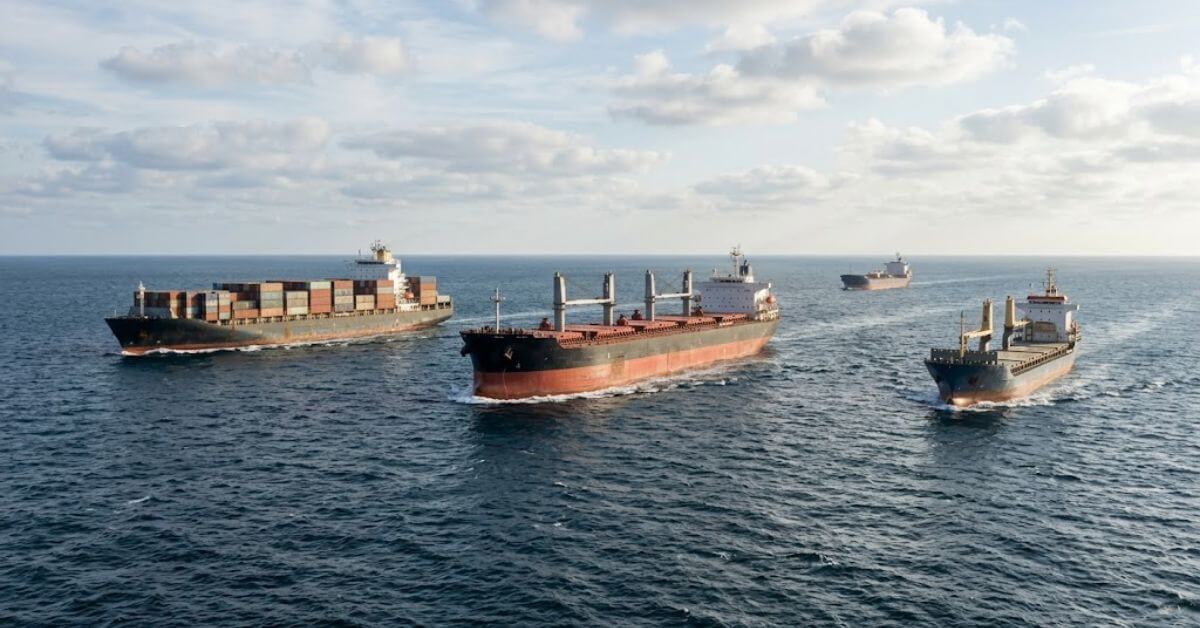
Expanding India's Fleet: A Push for Maritime Independence and Cost Parity
Indian ship owners face a 16-20% cost penalty flying the national flag, a gap that undermines maritime self-reliance before it can scale. Closing that differential is not merely fiscal; it is strategic. Lower operational costs would shift tonnage back to Indian registry, strengthening supply-chain security and bargaining power. The push toward cost parity aligns with broader regional momentum, including Russia's calibrated export levies for its icebreaker fleet. This is a practical, measurable step toward independence, and one worth watching closely.
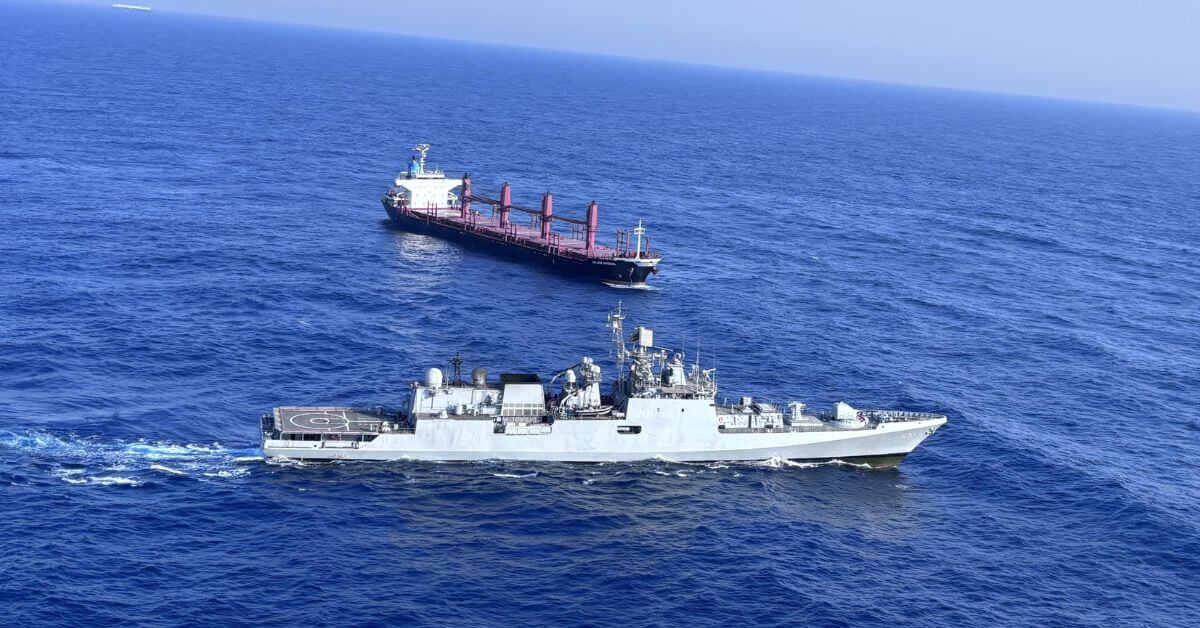
Securing Trade Routes: Indian Navy Ensures Safe Passage Through Bab-el-Mandeb
The Indian Navy's deployment through the Bab-el-Mandeb is a calibrated exercise in maritime security, ensuring that essential cargo continues moving to and from India without disruption. This is not abstract strategy; it is the practical work of keeping trade lanes open where geopolitical friction runs high. The operation reflects a measured commitment to stability, one that aligns with broader shifts in regional logistics, such as the Gulf of Oman STS transfers reaching capacity. Reliable passage here is not optional; it is the backbone of commerce.

Lifeboat Recovered, Search Continues for Missing Crew in Bay of Bengal
The Indian Coast Guard ship *Varad* recovered the lifeboat from the Bay of Bengal at approximately 7 a.m. Tuesday, yet the search for the missing crew continues. A boarding team inspected the craft and found no survivors. The absence of personnel raises sobering questions about the sequence of events. This measured outcome underscores the urgency of coordinated search efforts. For broader maritime context, our related coverage, including "Integrated Subsea Infrastructure Shifts to Enhance Indian Ocean Connectivity," highlights the region's growing strategic importance.

Nuclear-Powered Shipping: U.S. Advances Maritime Technology and Global Trade.
The agreement targets the practical hurdles that must be cleared before nuclear-powered merchant ships can operate commercially, a step toward measurable progress in maritime technology. This is not abstract ambition; it is about calibrating safety, regulatory, and operational standards that could reshape global trade routes. The timing aligns with rising pressure on shipping infrastructure, as seen in the Gulf of Oman STS Transfers Max Out Amid Rising Saudi Oil Exports. Validated solutions here would integrate nuclear capability with real-world logistics, advancing ocean intelligence.

Strait of Hormuz: Maritime Security and International Law Asserted.
The U.S. military has rejected claims that the Strait of Hormuz falls under unilateral control, asserting instead that it remains an international waterway bound by maritime law. That position is correct, and it matters globally. The strait is not a bargaining chip; it is a corridor where legal norms must hold. For readers tracking the stakes, our related piece on phased negotiations offers useful context. The rule of law, not escalation, should define this passage.

Maritime Infrastructure Targeted: Russia Strikes Vessels in Southern Ukraine
On July 28, Russia's Defence Ministry confirmed strikes on two Ukrainian maritime vessels and port infrastructure in southern Ukraine, a move that tightens pressure on critical shipping routes. This is not abstract posturing; it is calibrated action with measurable consequences for regional trade and security. The pattern echoes broader maritime tensions, from the Northern Sea Route to drone threats in the Mediterranean. For those tracking these developments, our related coverage, including "Russia Calibrates Export Revenue for Northern Sea Route Icebreaker Fleet," offers useful context.

Black Sea Shipping Risks: India Urges Crew to Prioritize Safety Assessments
Five Indian crew deaths since April have made one thing clear: the Black Sea's commercial routes now carry a security calculus that outweighs any wage premium. India's advisory urging seafarers to conduct rigorous risk assessments before accepting such postings is measured, practical, and overdue. Safety must anchor every employment decision in these waters. For those navigating this volatile region, preparation is protection.

Yemen's Houthis Impose Naval Blockade, Threaten Shipping to Saudi Ports
At 1201 GMT Monday, the Houthis' naval blockade against Saudi Arabia took effect, a direct challenge to shipping lanes that sustain regional trade. This is not posturing; it is a calculated disruption with immediate consequences for vessels bound for Saudi ports. The move escalates tensions in a waterway already strained by heightened oil flows, as our coverage of Gulf of Oman STS transfers maxing out illustrates. Measured, empirical monitoring of these chokepoints remains essential.

Shipping Adjustments: India Suspends Seafarer Deployments Through Strait of Hormuz
India has suspended seafarer deployments through the Strait of Hormuz, a decision that carries weight for global shipping and the more than 300,000 Indians serving on merchant vessels worldwide. This is a measured, necessary step, though it underscores how swiftly regional instability can ripple through maritime labor markets. The move deserves attention not as alarm, but as a reminder that operational decisions now carry geopolitical consequence. For broader context on maritime disruptions, our related coverage on Gulf of Oman STS transfers offers a useful parallel.