ships
18 stories filed under ships on World Data Ocean. The newest of them: “Validated marine fuel cell delivers 25 kW from diesel reforming”, “Predicting maritime ammonia leaks through a validated digital twin system”, and “Cruise fleet expands its role as a calibrated platform for ocean intelligence”. A validated 25 kW marine fuel cell now converts diesel through onboard reforming, a step that makes cleaner propulsion measurable for existing vessels. A validated digital twin now targets ammonia leaks at sea. A Global Hub for Ocean Intelligence 4 World Data Ocean is a centralized digital platform where researchers, scientists, and ocean enthusiasts converge to… The list below is every ships story on World Data Ocean, newest first.
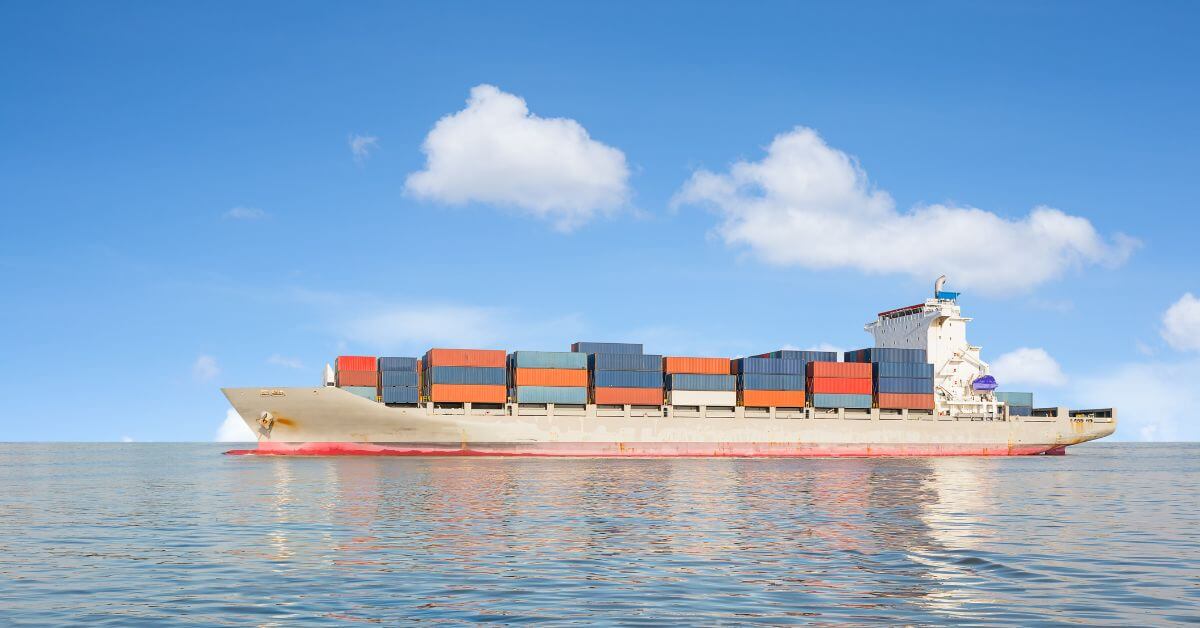
Validated marine fuel cell delivers 25 kW from diesel reforming
A validated 25 kW marine fuel cell now converts diesel through onboard reforming, a step that makes cleaner propulsion measurable for existing vessels. Developed by the Fraunhofer Institute for Microengineering and Microsystems in Mainz, this isn't a laboratory curiosity, it's a calibrated, real-time solution for emission reduction at sea. Ocean freight's decarbonization demands empirical tools, not promises. For another view on maritime innovation, see our coverage of "Predicting maritime ammonia leaks through a validated digital twin system." Integration is the path forward.
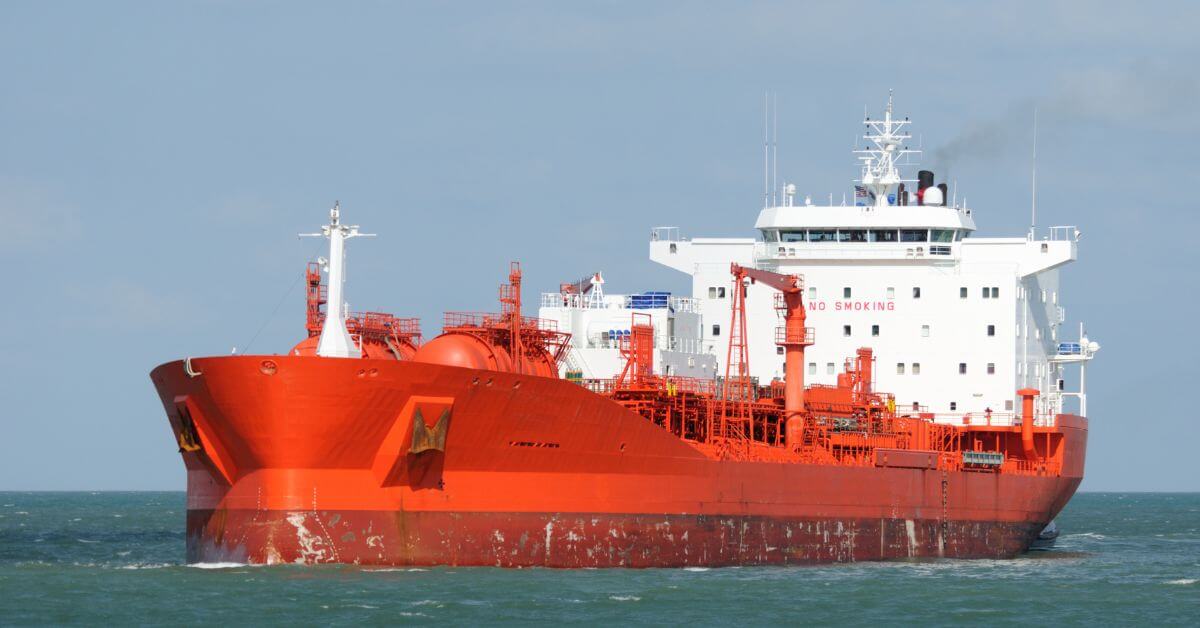
Predicting maritime ammonia leaks through a validated digital twin system
A validated digital twin now targets ammonia leaks at sea. The American Bureau of Shipping, HD Korea Shipbuilding & Offshore Engineering and Siemens are building a system that turns predictive modeling into a measurable safety layer for maritime operations. This is not theoretical. Empirical, real-time validation is what makes a digital twin useful. For related context on how vessels already gather ocean intelligence, see "Cruise fleet expands its role as a calibrated platform for ocean intelligence."

Cruise fleet expands its role as a calibrated platform for ocean intelligence
Royal Caribbean Group's cruise fleet is now a calibrated platform for ocean intelligence, extending its collaboration to capture critical conservation data onboard its ships. This is empirical science at scale, measurable, real-time data collected where the ocean meets industry. Understanding drives protection, and this partnership delivers validated climate indicators from orbit to ocean floor. For deeper context, our coverage of the newly appointed global experts calibrating the Ocean Decade's path for integrated data stewardship complements this story well.
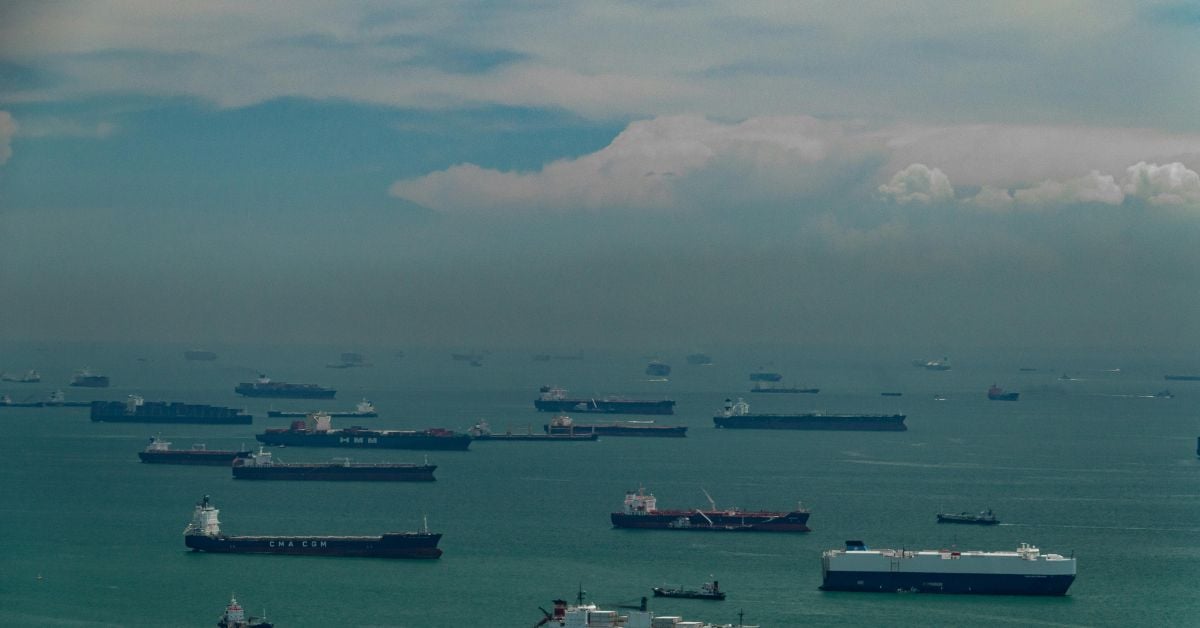
150 vessels idle in Gulf of Finland as Baltic maritime traffic bottlenecks
Nearly 150 vessels sit idle in the Gulf of Finland, a maritime bottleneck gripping Baltic traffic to Russian ports such as Ust-Luga, Primorsk, and St Petersburg. This congestion is more than a logistical snag, it is a measurable disruption in a region already under scrutiny. Such real-time bottlenecks carry empirical weight as climate and geopolitical indicators. For deeper context on maritime security, see our coverage of the captain charged over Ukrainian grain. Understanding these pressures drives protection of both trade and ocean intelligence.
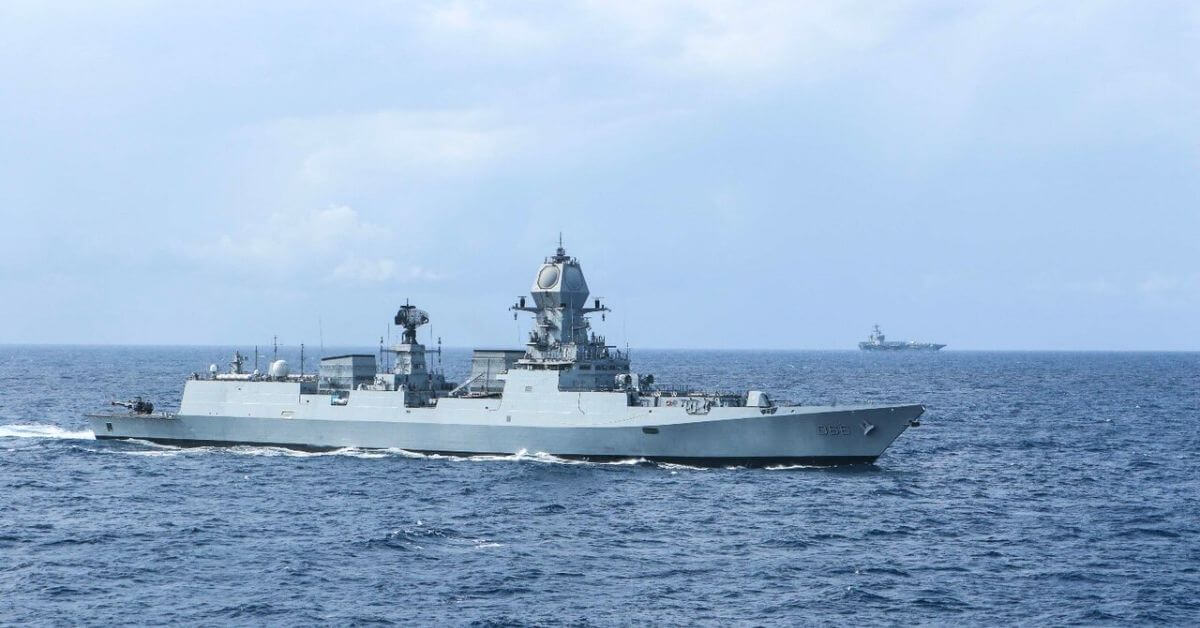
India Projects Expanded Naval Fleet to Navigate Evolving Maritime Landscape
The Indian Navy is planning for around 230 ships by 2040-2045, a clear signal of how seriously it views the region's shifting power dynamics. This is not about expansion for its own sake; it is calibrated preparation for a more contested maritime environment. Strategic foresight like this matters, especially as related coverage on domestic amphibious innovation highlights where that future capability is heading. Measured, deliberate, and backed by long-term thinking, this is the kind of planning that turns maritime ambition into real operational readiness.

Advancing Maritime Standards: A Global Framework for Hydrogen and Smart Ships
Standards define the next wave of maritime progress, and ABS is helping to set them. The classification society has signed a memorandum of understanding with three Korean maritime organizations to advance international standards for hydrogen-powered and smart ships. This is practical, forward-looking work. Collaboration across borders is how ocean intelligence matures. For broader context on naval growth, our piece on India's expanded fleet offers a useful parallel. But this agreement is about building the framework itself, and that is where lasting impact begins.
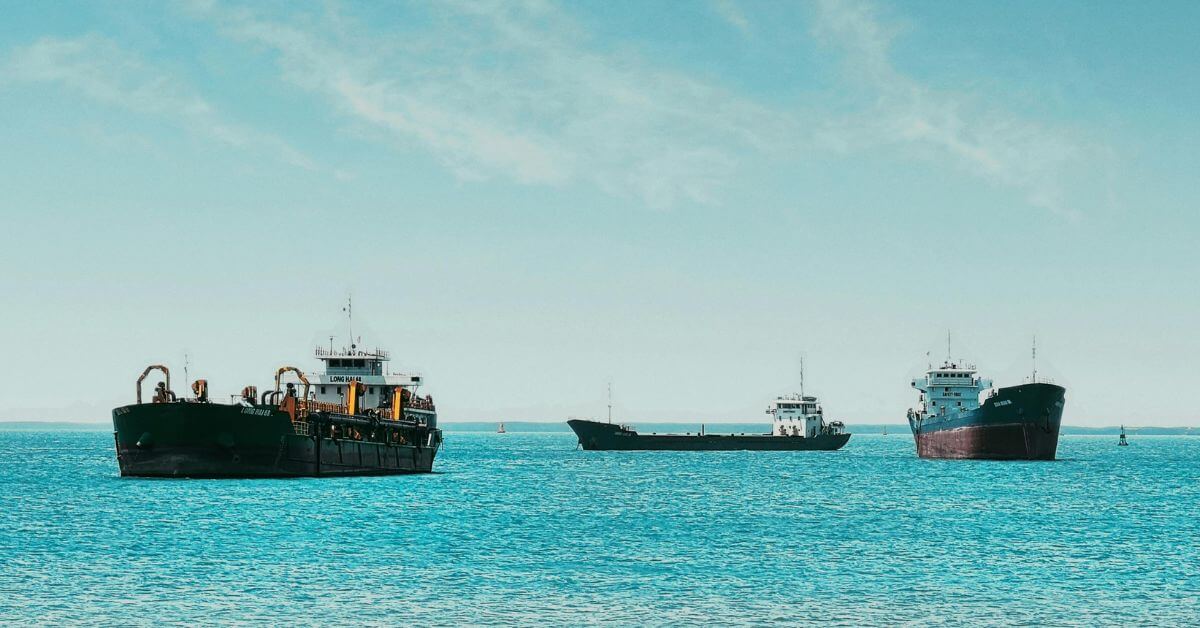
Shipping Lanes Under Scrutiny: Indian Crews Affected by Gulf Region Attacks
Three foreign-flagged vessels with Indian crew members were struck on September 8 and 9 as West Asia conflict escalates into shipping lanes. These attacks validate what we have long measured: maritime corridors are becoming direct targets. The crews are not combatants, they are professionals navigating volatile waters. Understanding drives protection, and this incident demands calibrated, empirical scrutiny. For deeper context on regional shipping pressures, our coverage of the Strait of Hormuz negotiations offers integrated analysis.
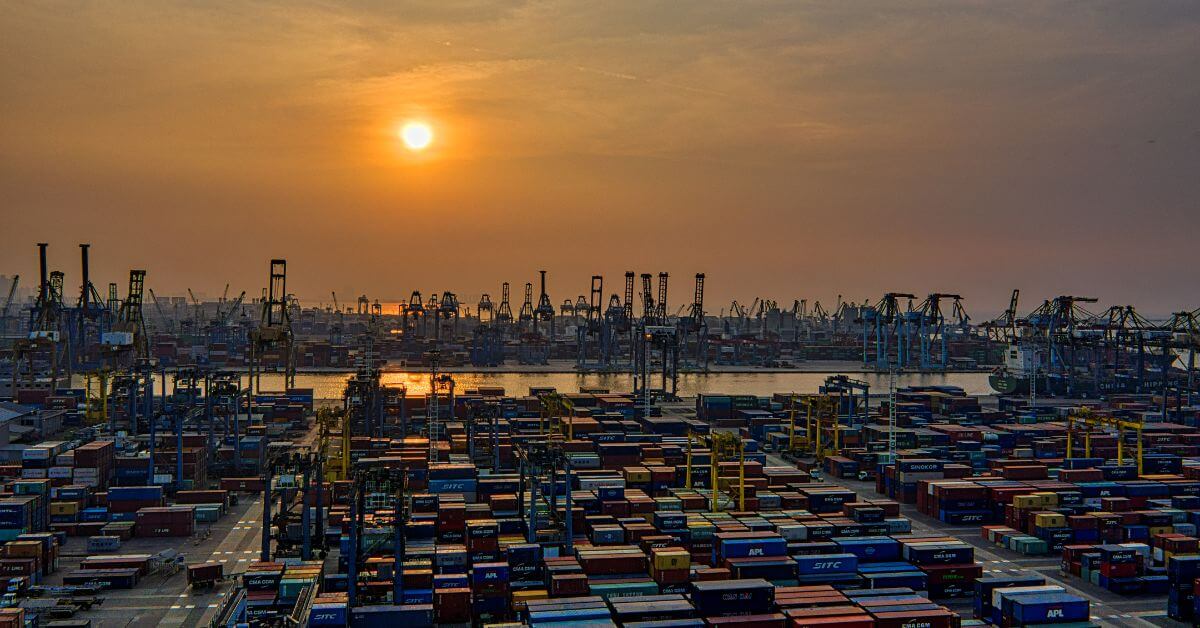
Heightened Threat: Iran’s IRGC Targets Key East Asian Shipping Routes.
Iran's Islamic Revolutionary Guard Corps has set its sights on some of Asia's busiest maritime arteries, including China's Ningbo-Zhoushan and Shanghai ports and Indonesia's Tanjung Priok. That is not posturing; it is a calibrated escalation with measurable consequences for global trade. The threat is specific, and it demands precise, empirical attention. Vessels and port operators should treat this as a real-time risk, not a hypothetical.
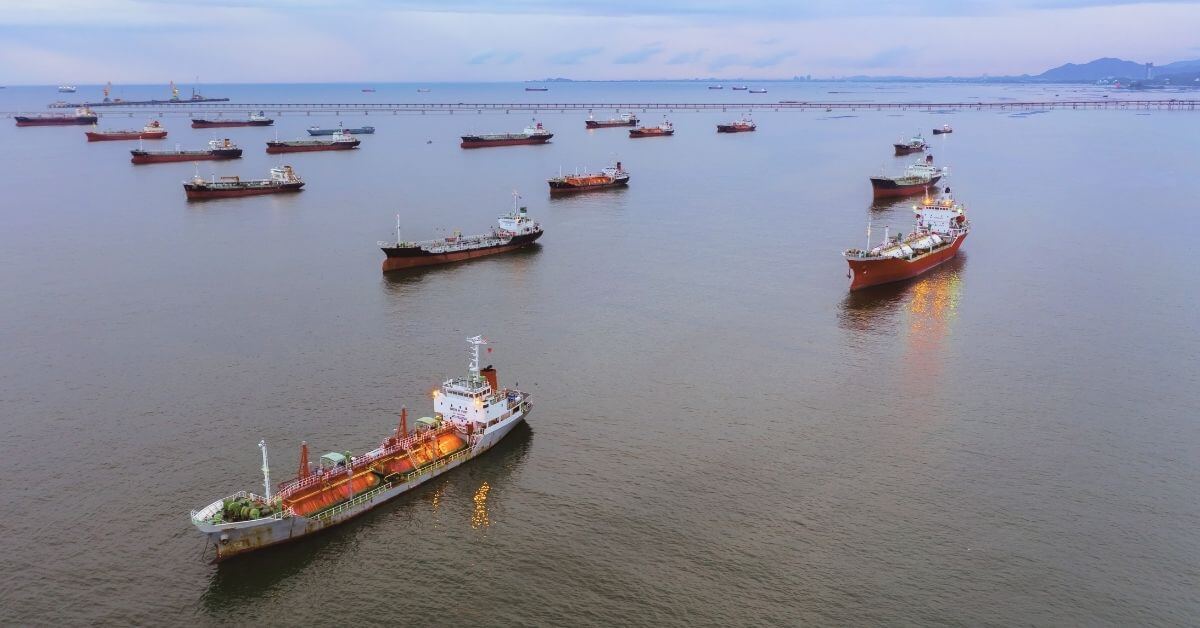
Strait of Hormuz Impasse: Uncertainty Impacts Thousands of Seafarers.
Since late February, the Strait of Hormuz has become a holding pattern for thousands of seafarers. The impasse leaves crews in limbo, their movements frozen by geopolitical friction that shows no sign of easing. It is a precarious position for the people who keep global energy moving. For context on how regional dynamics are straining maritime operations, our coverage of the Gulf of Oman STS transfers offers a related look at the pressure points.
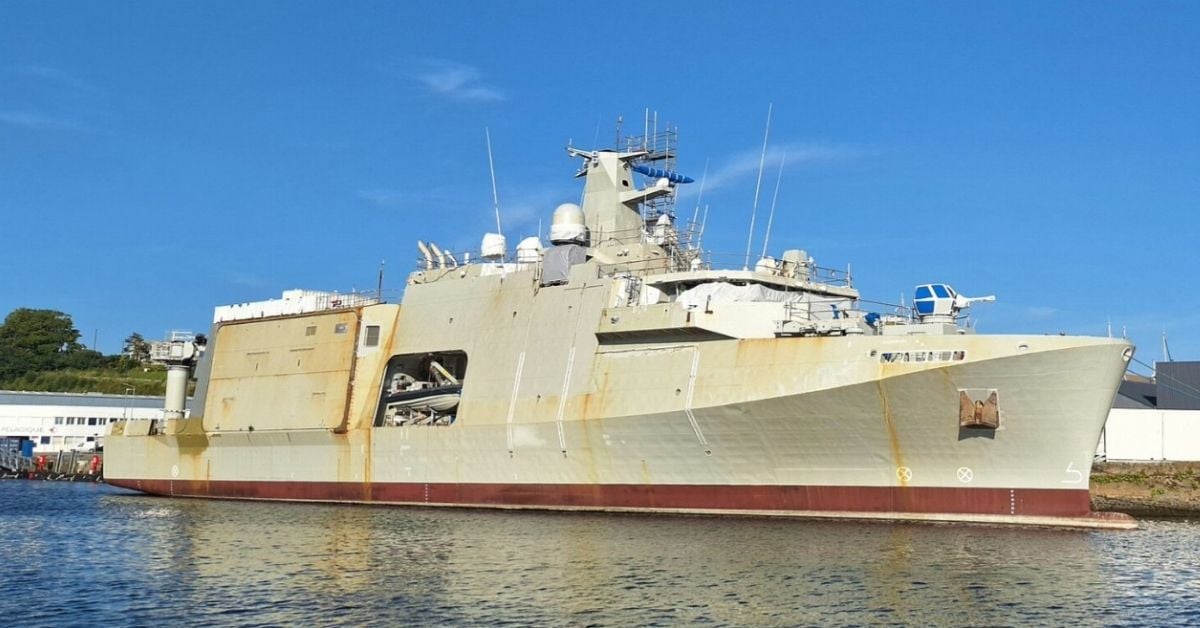
Bolstering Black Sea Security: Bulgaria Acquires Minehunters for Maritime Protection
Bulgaria is adding seven minehunters from Belgium and the Netherlands to its naval arsenal, a measured step toward securing Black Sea shipping lanes against naval mines. This acquisition is less about spectacle and more about practical defense, addressing a real and present hazard to commercial traffic. It is a sensible move, though one that also signals how tense the region has become. For broader context on Moscow's maritime ambitions, our piece on Russia's Arctic export plans offers a useful counterpoint.

Nigeria Ports Gain U.S. Access: Shipping Costs Set to Decrease
A decade of restricted access ends as the U.S. lifts its safety and security restrictions on Nigerian ports. The move targets reduced shipping costs and a stronger competitive position for a nation long hampered by compliance gaps. It is a practical win for trade efficiency, not a symbolic one. The decision signals measured confidence in Nigeria's maritime oversight. For context on broader maritime shifts, our coverage of India's planned naval expansion offers a timely comparison.

Measured Response: U.S. Calibrates Asset Use for Strait of Hormuz Ship Damages
Sanctions have frozen billions in Iranian assets, with estimates ranging from $24 billion to $100 billion, yet the precise figure remains deliberately imprecise. That ambiguity matters now, as Washington calibrates its use of these holdings to address ship damages near the Strait of Hormuz. The move is measured, not reactionary, and that restraint reflects sound strategy. For readers tracking regional maritime pressure, our related coverage on Gulf of Oman STS transfers maxing out offers useful context.

Strait of Hormuz Ship Lay-up Risks Major Marine Bioinvasion Event
Idle ships are not neutral ships. A recent study warns that the mass lay-up of vessels in the Strait of Hormuz could trigger a marine bioinvasion "super-spreader" event once maritime trade resumes. The risk is measurable, and the window for calibrated action is now. This is the kind of integrated risk that demands empirical attention before the ballast water moves. For broader context on regional marine traffic pressures, our coverage of Gulf of Oman STS transfers maxing out offers a relevant parallel.

Expanding Maritime Capacity: Indian Coast Guard to Deploy 300 New Vessels.
A 117-metre vessel is a statement of intent, and the Indian Coast Guard is making one with 300 of them. This expansion, with each ship carrying 11 officers and 110 personnel at a top speed of 23 knots, is a calibrated investment in maritime reach. It is a practical, measurable response to the demands of ocean stewardship, reinforcing that protection is as much about presence as it is about policy.

Black Sea Conflict: Drone Strikes Impact Russian Maritime Logistics.
Twenty Russian vessels, including 17 oil tankers, were struck by Ukrainian drones in the Black Sea overnight, a significant blow to Moscow's maritime logistics. The attack, which also damaged two gas carriers and a tugboat, demonstrates how drone warfare is reshaping naval operations in the region. This is not just a tactical setback; it is a measurable disruption to Russia's export capacity.

Negotiations Underway for Release of Crew Held by Somali Pirates
Ransom negotiations are underway to secure the release of 44 crew members held by Somali pirates across three vessels, with talks focused on ensuring their safe return. The development underscores the persistent risks facing seafarers in these waters, and we should read it alongside the recent rescue of a US-sanctioned tanker by Puntland forces. Each incident reinforces the need for coordinated maritime security. As these discussions progress, the priority remains the welfare of those aboard, and we will continue to monitor.

Asia Sees Seven-Year Low in Ship Robberies During First Half of 2026
Armed robbery against ships in Asian waters fell to its lowest level in seven years during the first half of 2026, a measurable sign of progress in maritime security. The decline validates sustained patrols and regional coordination, though it is no cause for complacency. Fewer incidents mean safer sea lanes, but the trend must hold across a full year to carry real weight. For broader context on regional naval strategy, our coverage of India's expanded fleet projections offers a useful counterpoint.

Ukraine’s Naval Strikes Target Russian Shipping, Disrupting Maritime Trade
Ukraine's latest naval strikes hit five tankers, five dry cargo ships, and a tugboat under Operation "MoLoChKa," a direct challenge to Russian shipping lanes. The action underscores how maritime trade has become a battlefield lever, not just a logistical footnote. It is a calibrated escalation, measured in hulls and cargo holds, aimed at disrupting supply lines that fuel the war effort.