IMO
IMO at World Data Ocean is a file of 21 stories. The newest of them: “IMO Secretary General Calls for Integrated Safety Data at Maritime Summit”, “1 000 Metric Tons of Green Ammonia Delivered in First Ship-to-Ship Bunkering”, and “Weekly tanker strikes near Strait of Hormuz reach highest count in years”. A call for integrated safety data from the IMO Secretary General at Marine Insight's 3rd Annual Summit signals a measurable shift toward a more connected maritime future. 1,000 metric tons of green ammonia transferred in a single ship-to-ship bunkering. A Global Hub for Ocean Intelligence 4 World Data Ocean is a centralized digital platform where researchers, scientists, and ocean enthusiasts converge to… The list below is every IMO story on World Data Ocean, newest first.
IMO Secretary General Calls for Integrated Safety Data at Maritime Summit
A call for integrated safety data from the IMO Secretary General at Marine Insight's 3rd Annual Summit signals a measurable shift toward a more connected maritime future. Validated, real-time intelligence, from ship to shore, is no longer optional; it is essential. This theme of operational integrity echoes in recent coverage of a cargo spill scattering consumer goods across the Strait of Hormuz, a stark reminder of what fragmented oversight can cost.
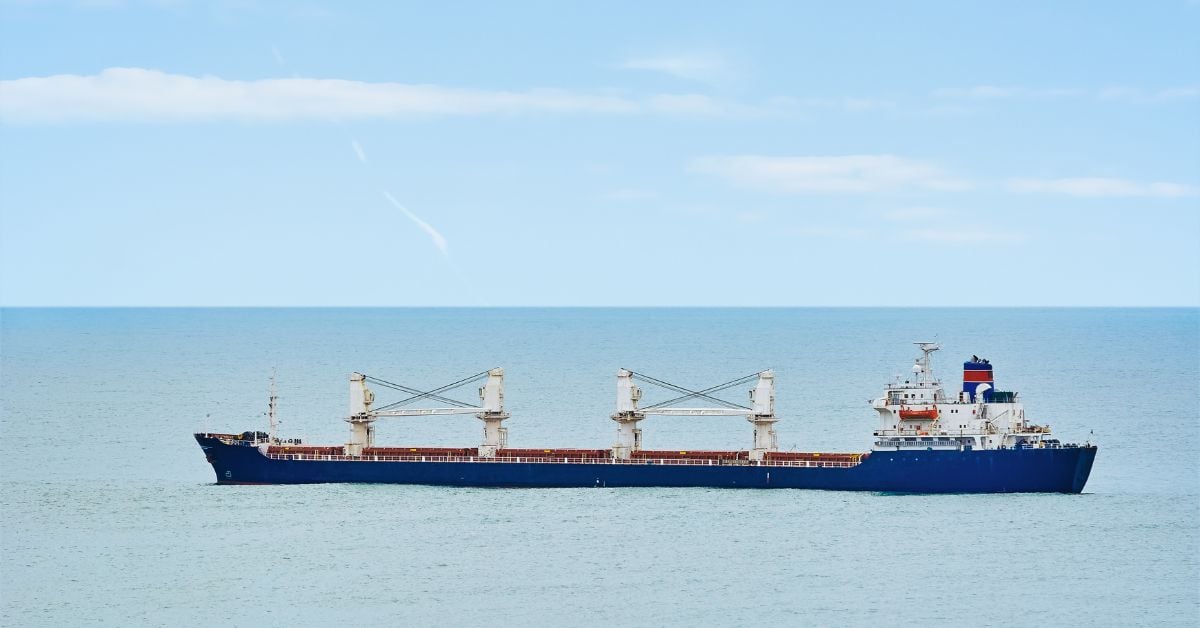
1 000 Metric Tons of Green Ammonia Delivered in First Ship-to-Ship Bunkering
1,000 metric tons of green ammonia transferred in a single ship-to-ship bunkering. That is a validated step toward decarbonizing maritime fuel. The Shenghang Yongle, the world's first liquid ammonia bunkering vessel, delivered this load to a bulk carrier with measurable precision. This is not a pilot or a promise, it is empirical progress. We see this as a calibrating moment for integrated energy ecosystems at sea. For deeper context on how port infrastructure is evolving, see our coverage of NYK's floating data center concept.
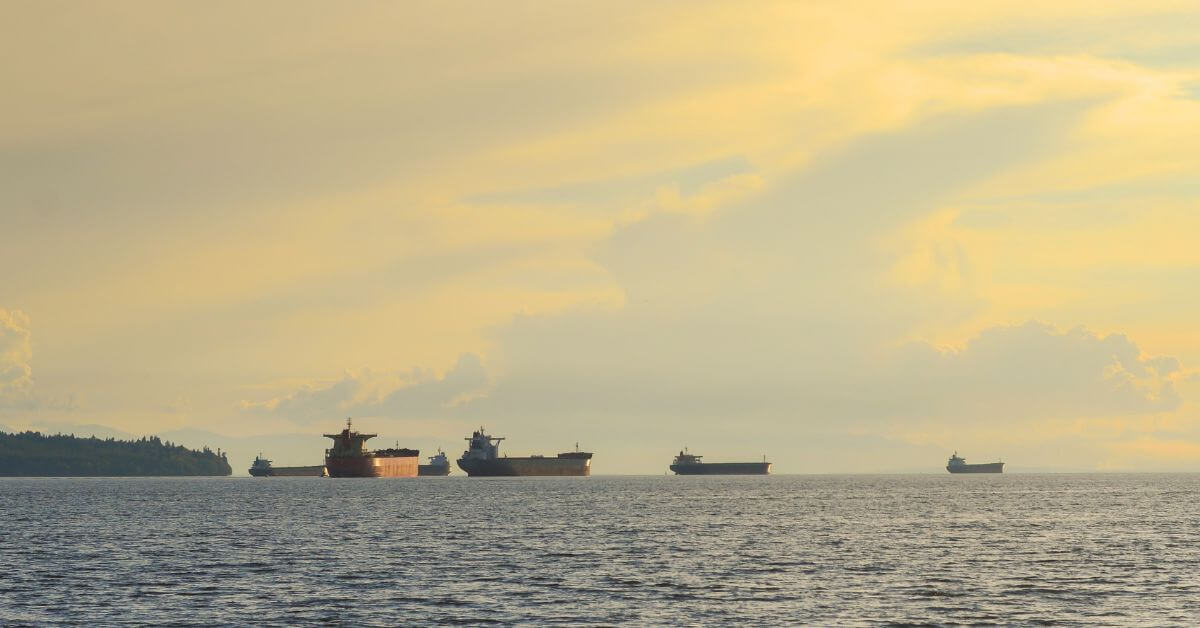
Weekly tanker strikes near Strait of Hormuz reach highest count in years
Twelve attacks on oil, LNG, and LPG tankers near the Strait of Hormuz in a single week mark the highest count in years, a measurable escalation in maritime risk. These are not isolated incidents; they are part of a broader pattern of aggression that demands empirical attention. For deeper context on the region's reliability, see our related coverage on verified transit data that counters Iranian claims of closure. Understanding these attacks requires calibrated, real-time intelligence, not alarm.
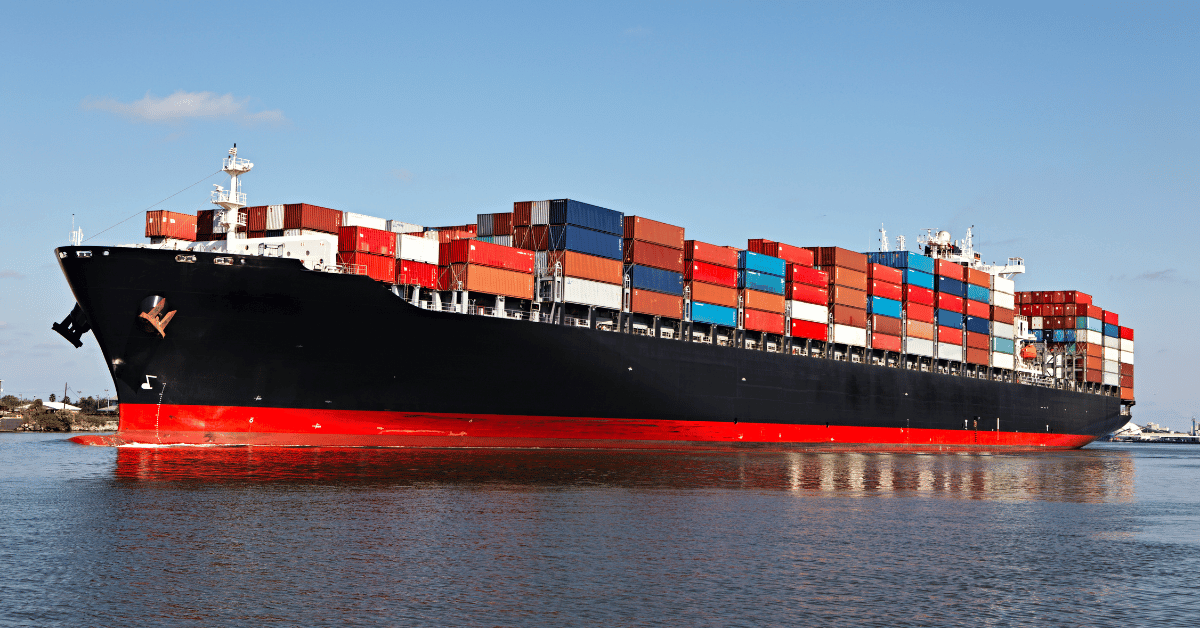
Evaluating Maritime Port Digitalization: A Global Survey by the IMO
The IMO's new global survey on Maritime Single Windows turns a critical lens on how digitalization actually performs in the field. By inviting stakeholders to report their experiences and challenges, the organization is treating port efficiency as a measurable, shared goal rather than a theoretical one. It is a practical move toward refining the data ecosystem that underpins global shipping. For context on how such infrastructure intersects with geopolitical pressures, our coverage of Russia's icebreaker financing offers a useful parallel.

Validating Onboard Emissions Data: A Trial for LNG Shipping.
A new LNG carrier will soon test whether continuous emissions monitoring systems can match established data standards. Lloyd's Register, Seapeak, Kongsberg Maritime, and Tunable are collaborating on a trial that compares direct CO₂ measurements against conventional methodologies. This is the kind of validation the industry needs: empirical, peer-reviewed, and tied to real operational conditions. Precision here matters, and we're encouraged to see stakeholders move beyond assumptions toward calibrated, real-time evidence.
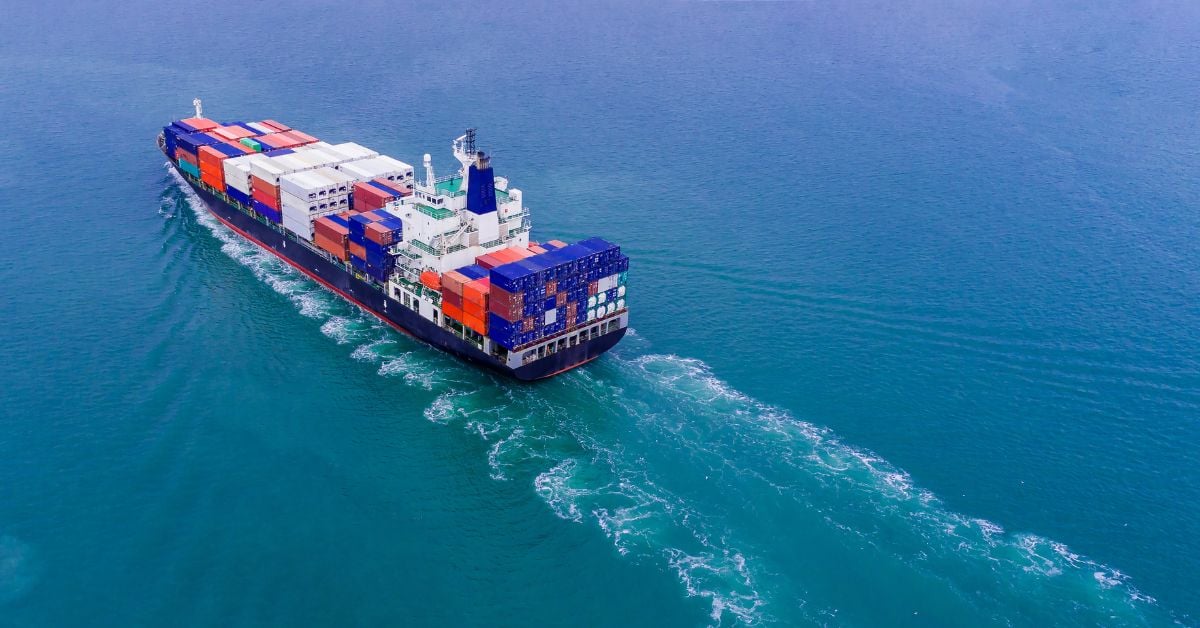
Scaling Seas: Gigamax Container Ships Forecasted for East-West Trade.
A 27,500-TEU vessel represents more than a simple capacity increase. It signals a recalibration of global trade infrastructure, where scale itself becomes a strategic asset. These Gigamax ships will demand deeper ports, stronger cranes, and tighter scheduling across entire supply chains. The question is whether our current systems can absorb that pressure. For context on how maritime nations are already adapting, see our coverage of "Russia Calibrates Export Revenue for Northern Sea Route Icebreaker Fleet."
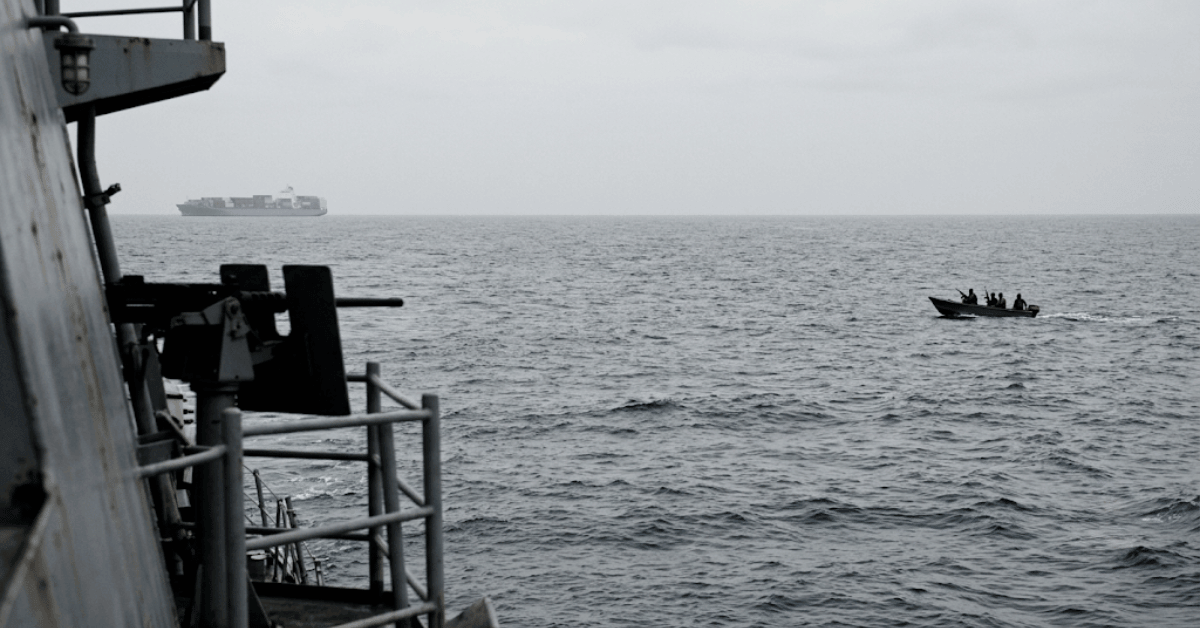
Integrated Maritime Security: Red Sea Nations Enhance Ocean Intelligence Efforts
The Red Sea's security perimeter is tightening as Ethiopia, Yemen, Djibouti, and Somalia move to align their maritime strategies against rising piracy, trafficking, and regional friction. This is not abstract policy; it is the practical work of building an integrated data ecosystem where ocean intelligence becomes a shared asset. For readers tracking how these dynamics unfold, our related coverage on Gulf of Oman STS transfers offers useful context on the region's commercial pressures. Cooperation here is measured, deliberate, and long overdue.
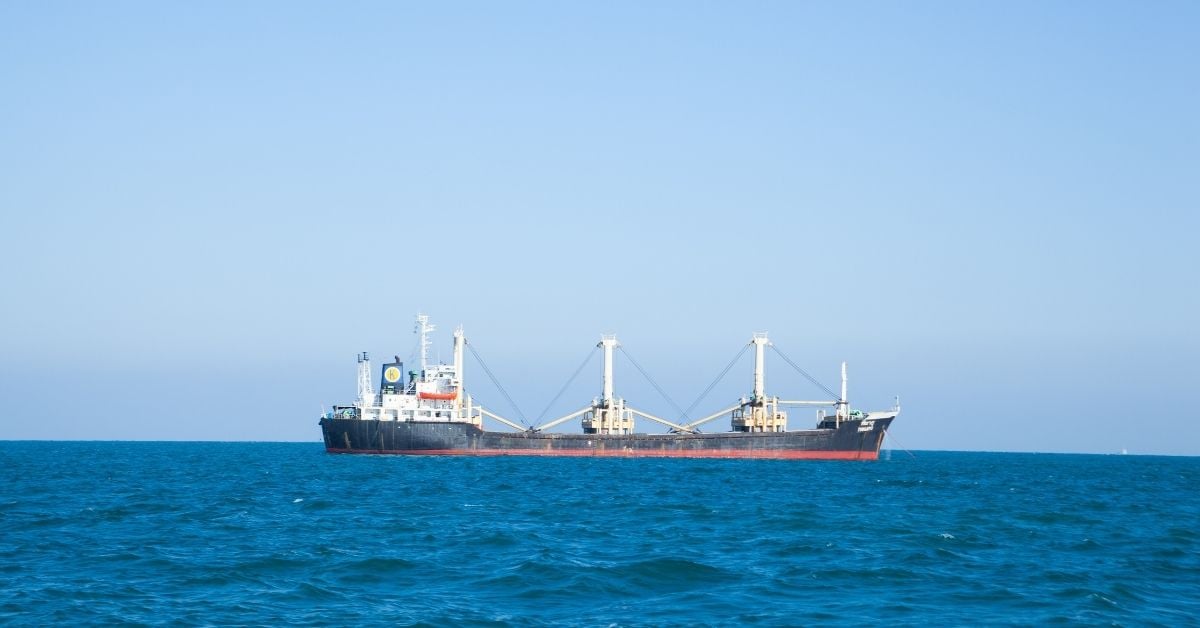
Joint Forces Intervene: Maritime Security Operation Frees Hijacked Vessel
The Turkish Navy and Somalia's Armed Forces concluded a decisive 10-day operation, neutralizing 14 pirates and freeing a hijacked vessel. This is what coordinated maritime security looks like when measured action meets clear objectives. The operation underscores a practical truth: effective ocean stewardship requires persistent, joint commitment, not just policy. For broader context on regional maritime pressures, our related coverage on Gulf of Oman STS transfers offers valuable perspective. This success signals a calibrated, reliable approach to protecting vital sea lanes.
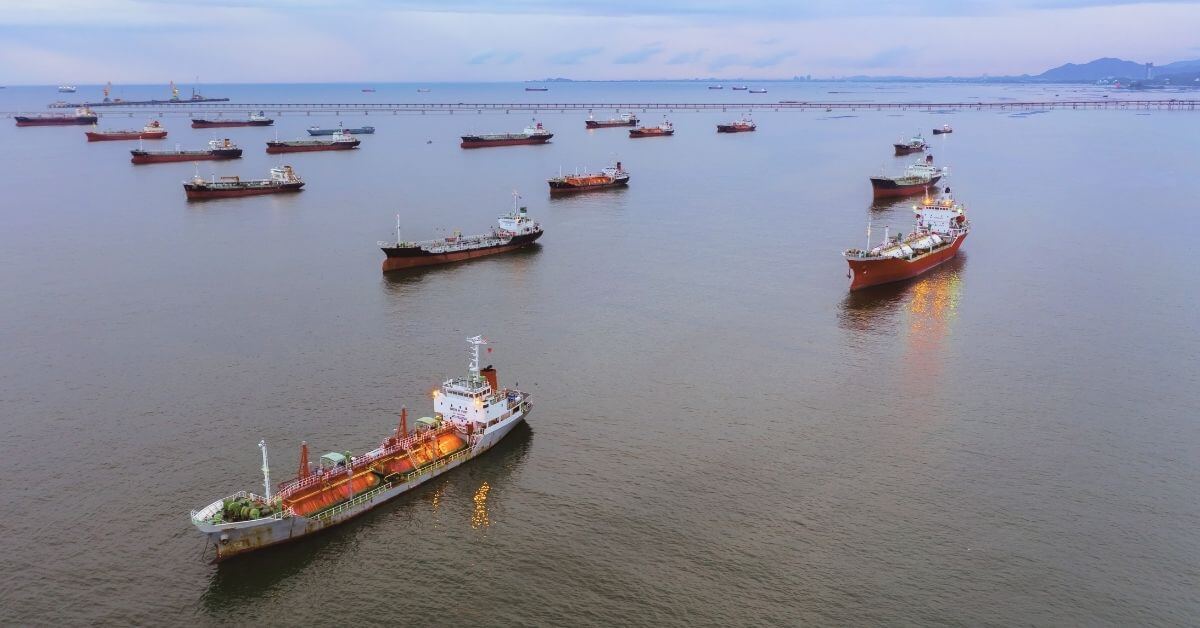
Strait of Hormuz Impasse: Uncertainty Impacts Thousands of Seafarers.
Since late February, the Strait of Hormuz has become a holding pattern for thousands of seafarers. The impasse leaves crews in limbo, their movements frozen by geopolitical friction that shows no sign of easing. It is a precarious position for the people who keep global energy moving. For context on how regional dynamics are straining maritime operations, our coverage of the Gulf of Oman STS transfers offers a related look at the pressure points.

Maritime Security Concerns Rise: Gulf of Aden Sees Renewed Piracy Risks
The Gulf of Aden's renewed piracy risk demands immediate attention. IMO Secretary-General Mr. Arsenio Dominguez spoke out after the SEAMULL was hijacked on 20 August 2026, a stark reminder that maritime threats remain persistent. This is not a distant problem; it directly endangers crews and global trade routes. Measured, decisive action is required to protect these waters. For broader context on regional security efforts, our related coverage on the eighty nations urging the reopening of the Strait of Hormuz offers critical perspective.

Red Sea Attack Highlights Risks to Maritime Trade and Seafarer Safety
The latest attack in the Red Sea and Gulf of Aden is a pointed reminder that maritime trade routes remain dangerously exposed. As Mr. Arsenio Dominguez noted, the location is particularly troubling, and we agree. These waters are not abstract lines on a chart; they are arteries for global commerce, and each incident endangers lives and supply chains. This follows the Gulf of Oman STS transfers maxing out, a clear signal of mounting pressure. The pattern is measurable, and it demands calibrated, not reactive, responses.

China’s Role in Global Shipping Decarbonization: An IMO Analysis
The IMO's Net-Zero Framework marks a decisive step in aligning global shipping with the Paris Agreement, and China's role is pivotal. Beijing has championed the principle of common but differentiated responsibilities, shaping the NZF's pricing mechanisms while advancing its own 'dual carbon' targets through integrated regulatory approaches. The challenge lies in balancing domestic decarbonization with international obligations, yet the opportunities for leadership are clear. China's trajectory here will not only define its shipping governance but also set a precedent for collaborative climate action.

Heightened Maritime Security: India Bolsters Protection for Seafarers in Gulf of Aden
Piracy incidents in the Gulf of Aden have prompted India to act, with the DGMA issuing Circular No. 40 of 2026 to bolster seafarer protection. This measured response reflects a practical understanding of the risks, prioritizing crew safety without alarmism. It is a decisive step toward safeguarding vital shipping lanes. For broader context on regional threats, readers may consult our coverage of "Puntland Forces Intercept Hijacked, US-Sanctioned Oil Tanker After 48 Hours."

Damaged Freighter Sinks Near Odesa, Raising Shipping Risks in Black Sea
The sinking of the Golden Leo off Odesa marks a stark escalation in an already volatile Black Sea. A Turkish-operated, Guinea-Bissau-flagged vessel carrying corn, it went down after sustaining heavy damage in the July 19 attack. This is not an isolated incident; it is a calculated pressure point in a broader conflict. The loss of a grain carrier underscores how commercial shipping remains a target.

Seafarers Await Rescue: UN Urges Action in Critical Strait.
The Strait of Hormuz is not a headline; it is a holding pattern for thousands of lives. The International Maritime Organization reports that roughly 6,000 seafarers remain stranded aboard hundreds of ships, waiting for a resolution that cannot come soon enough. This is not an abstract geopolitical impasse; it is a human logjam with real consequences. The urgency is measurable, and the call for action is clear.

Escalation in Jordan, Strait of Hormuz Closure Threatens Global Shipping.
Two US troops killed, one missing, and the Strait of Hormuz transits down to eight vessels a day: the escalation in Jordan signals a sharp turn in an already volatile maritime corridor. These are not abstract metrics. They are calibrated warnings of how quickly regional conflict rewrites global shipping routes. The pressure on tanker movement is measurable, and it demands attention. For deeper context on how such constraints reshape oil flows, our piece on Gulf of Oman STS transfers offers a relevant thread.
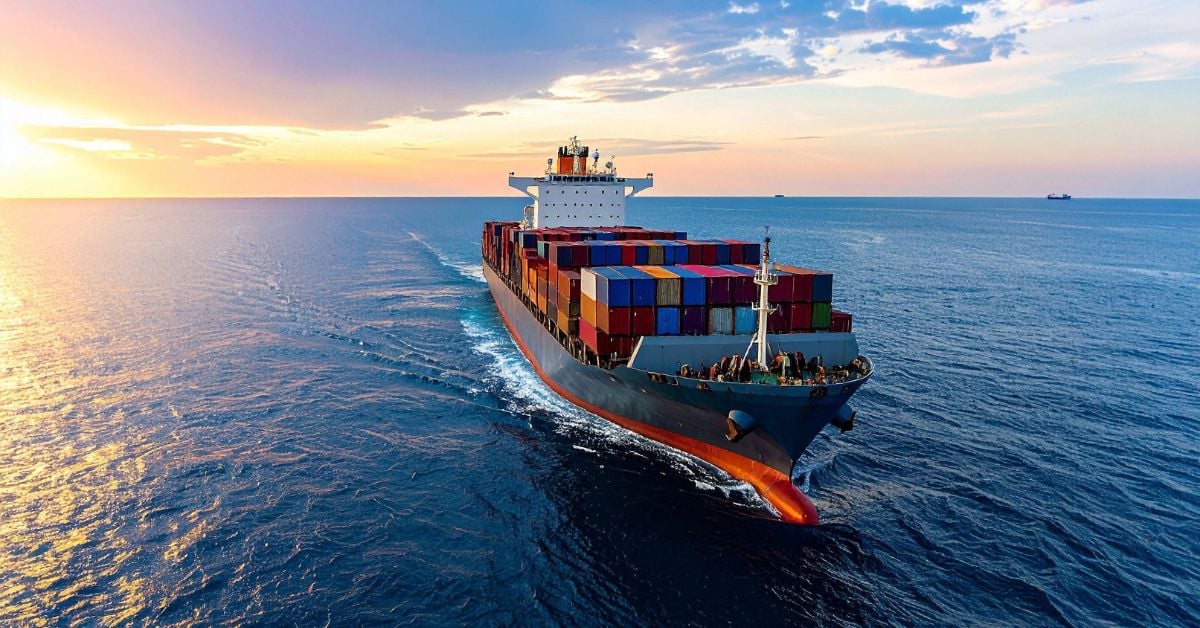
Brazilian Ethanol Powers First Container Ship, Marking Sustainable Shipping Advance
The first container ship powered by Brazilian-made ethanol departed Santos early Tuesday, a practical step toward decarbonizing maritime trade. This is not a distant concept; it is a working vessel, fueled by a biofuel already produced at scale. The move signals that cleaner shipping is not limited to batteries or ammonia, but can also build on established agricultural strengths. For related context on how marine routes are being redrawn, see our coverage of integrated subsea infrastructure shifts enhancing Indian Ocean connectivity.

Trade Focus Alters Transit Fees in Gulf Region
President Trump's plan to pivot toward direct trade and investment agreements with Gulf allies signals a calculated shift in regional economics. By prioritizing bilateral deals, the administration aims to recalibrate transit fees and commercial leverage, a move that could yield mutual gains if executed with precision. The timing is telling, given the strain on Gulf of Oman STS transfers, as detailed in our related coverage. Trade policy here is not abstract; it is measured in barrels, routes, and renegotiated terms.

Maritime Security Imperative: IMO Condemns Attacks on Shipping Lanes
The IMO's condemnation of attacks on shipping lanes is a measured, necessary response to a crisis that threatens the very framework of global trade. The Secretary-General's call for an end to unwarranted strikes is not just diplomatic language; it is a demand for the rules that keep our integrated data ecosystem moving to hold firm. Geopolitical friction cannot be allowed to destabilize the maritime routes we all depend on.

Safeguarding Seas: IMO Council Underscores Navigation and Seafarer Safety.
The IMO Council closed its 137th session by reaffirming what should never be negotiable: the right to safe passage. Safeguarding Seas: IMO Council Underscores Navigation and Seafarer Safety reflects a measured, necessary stance amid rising geopolitical friction. Navigation rights are not abstract; they are the backbone of global trade and humanitarian access. The Council's clarity is welcome, especially as pressure on chokepoints intensifies.

US Imposes Shipping Fee in Strait of Hormuz, Challenging International Law
The United States has announced it will reimpose its Iranian blockade and levy a 20% fee on cargo shipments transiting the Strait of Hormuz, a directive the International Maritime Organization has declared legally baseless. This unilateral move challenges the rules-based order that governs global shipping. Forcing a fee on a critical chokepoint risks escalating tensions, not resolving them. The IMO's objection is clear: no legal foundation exists for such an action. Our related coverage on phased negotiations to ease Hormuz restrictions offers essential context.