blockade
26 stories filed under blockade on World Data Ocean. The newest of them: “Diplomatic Talks Test Conditions for Reopening the Strait of Hormuz”, “Verified data confirms 20 million barrels transit Hormuz despite Iranian claims”, and “Attack on civilian cargo ship at Odesa port claims one crew member”. Diplomatic talks on reopening the Strait of Hormuz remain stalled, with Washington and Tehran locked over sanctions, regional hostilities, and Iran's nuclear programme. Twenty million barrels of oil have transited the Strait of Hormuz this week, verified by US Central Command, directly countering Iranian claims that the waterway is closed to shipping. A Global Hub for Ocean Intelligence 4 World Data Ocean is a centralized digital platform where researchers, scientists, and ocean enthusiasts converge to… The list below is every blockade story on World Data Ocean, newest first.
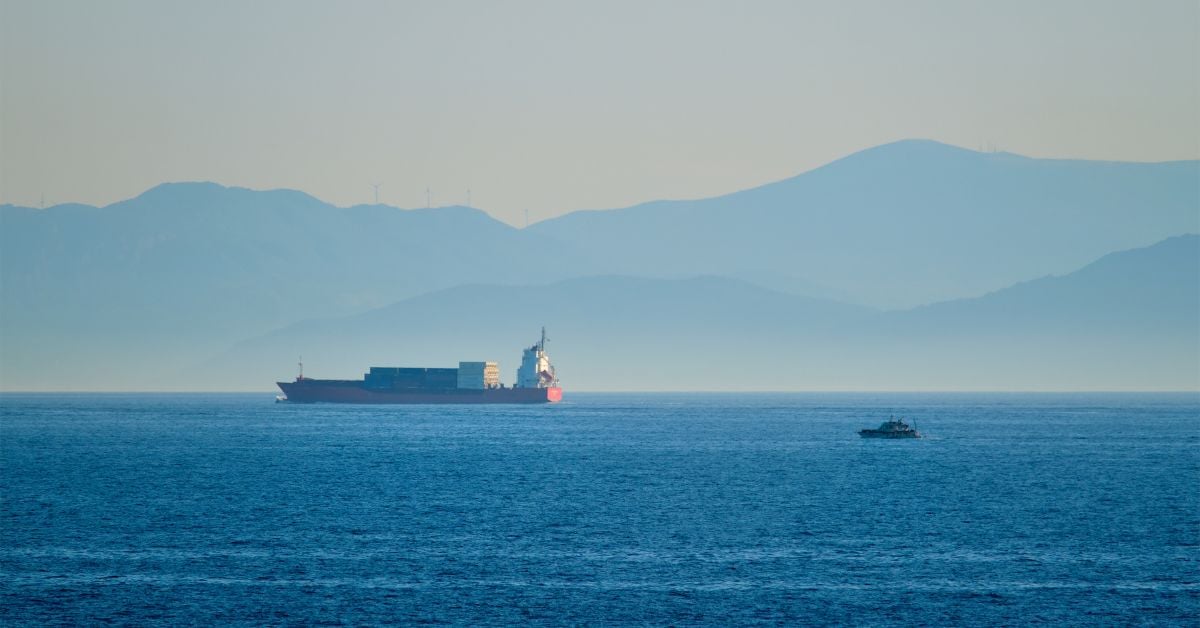
Diplomatic Talks Test Conditions for Reopening the Strait of Hormuz
Diplomatic talks on reopening the Strait of Hormuz remain stalled, with Washington and Tehran locked over sanctions, regional hostilities, and Iran's nuclear programme. These test conditions demand calibrated, empirically grounded negotiation, not alarmist posturing. Measurable progress on security guarantees and validated compliance mechanisms could unlock a pathway. For context on maritime security dynamics, see our coverage of the French frigate Languedoc neutralizing an airborne threat in the Bab el-Mandeb Strait. Understanding drives protection, and shared ocean intelligence is essential here.
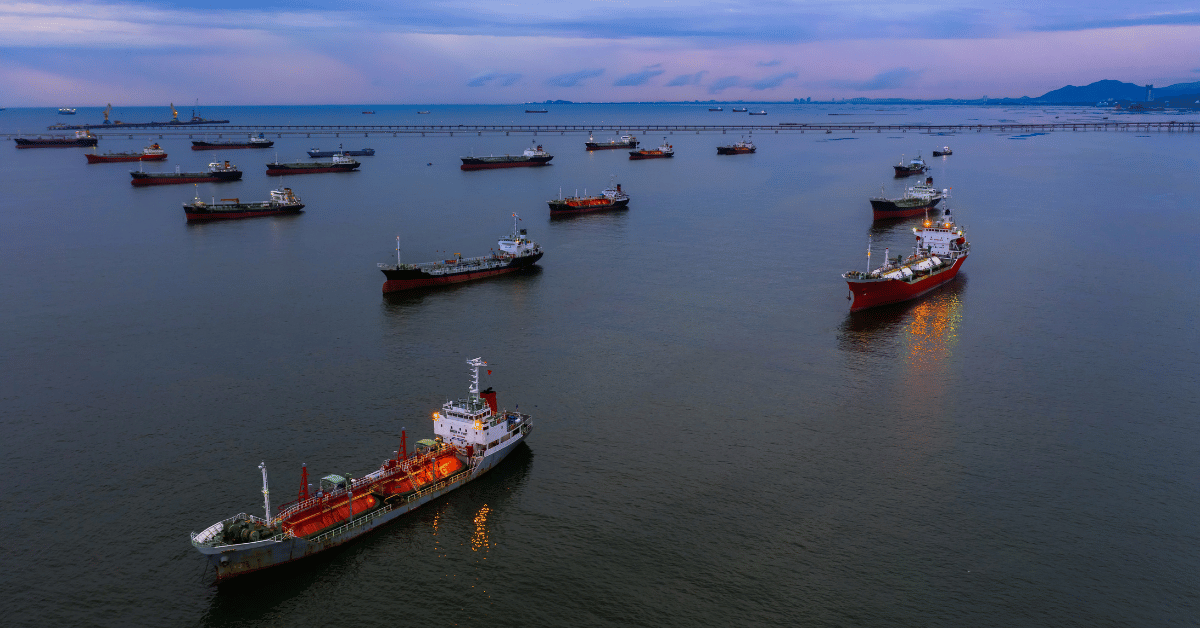
Verified data confirms 20 million barrels transit Hormuz despite Iranian claims
Twenty million barrels of oil have transited the Strait of Hormuz this week, verified by US Central Command, directly countering Iranian claims that the waterway is closed to shipping. This empirical data underscores a dangerous gap between rhetoric and reality in one of the world's most critical maritime chokepoints. The region's volatility demands measured, evidence-based responses. Our coverage of the *Strait of Hormuz tanker fire* offers deeper context on the human cost of these tensions.
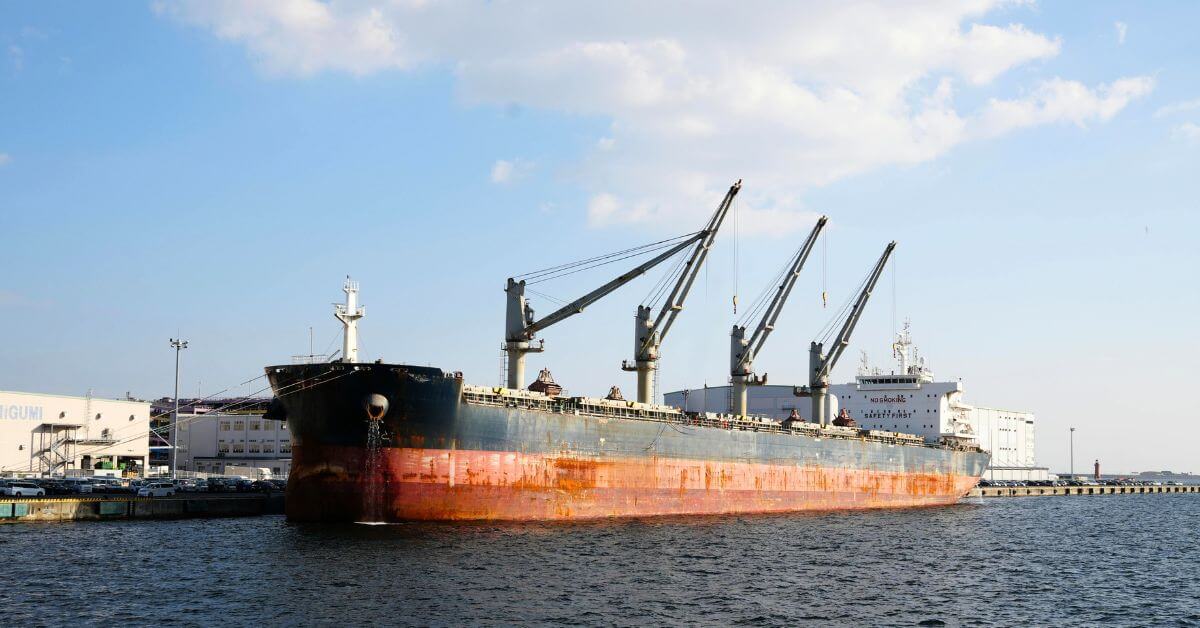
Attack on civilian cargo ship at Odesa port claims one crew member
A motorman sailor has been killed in an attack on a civilian cargo ship at the Odesa port. Three other crew members were injured and received emergency medical treatment. This loss is a grim reminder that maritime security remains fragile, even as we work to build integrated data ecosystems for ocean intelligence. For deeper context on disrupted shipping routes, read our coverage on the Baltic Cargo Route Disrupted as Gulf of Finland Vessel Detained.
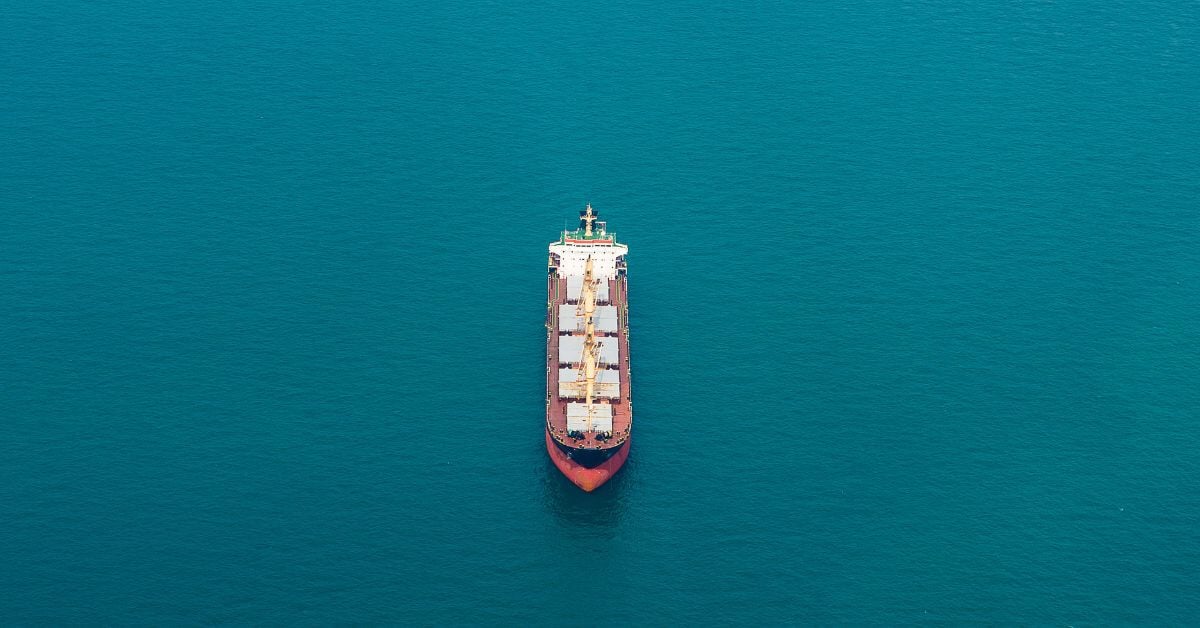
Vessel Struck by Unknown Projectile in Strait of Hormuz, Fire Reported
A vessel struck by an "unknown projectile" in the Strait of Hormuz on Monday evening has ignited a fire onboard, marking another dangerous incident in one of the world's most critical maritime chokepoints. We cannot afford to treat these attacks as isolated events. As we saw in the tragic *June Aster* ferry fire, where 77 lives were lost, the ocean demands rigorous safety protocols and transparent accountability.
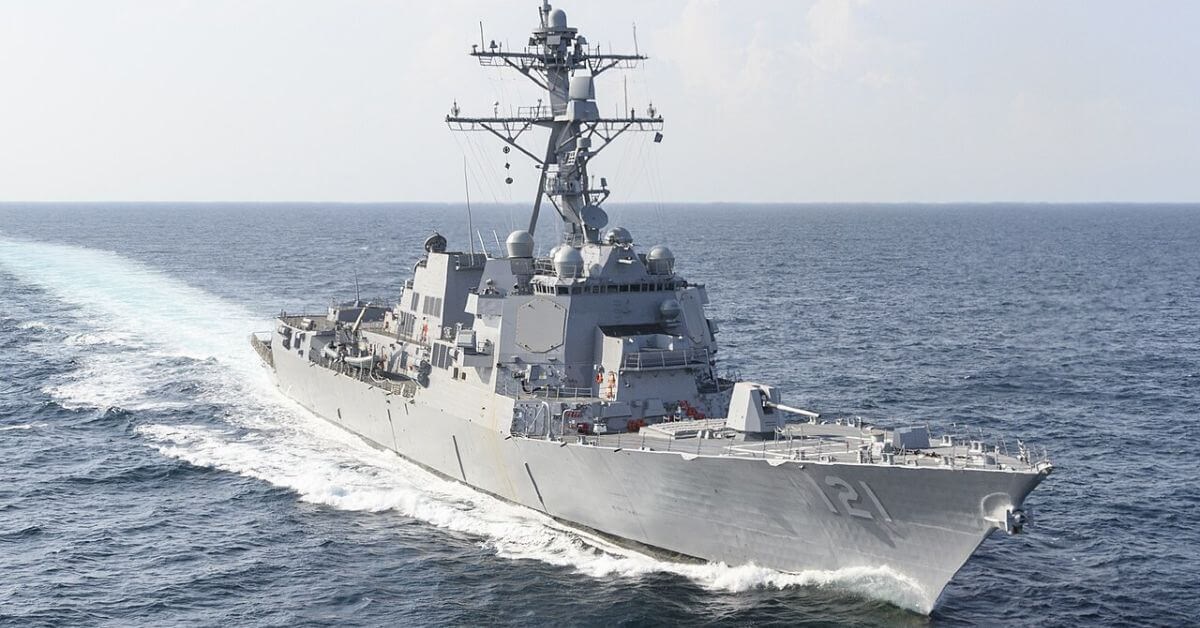
A 300-day deployment yields calibrated data from the Pacific theater
Ten months. Three hundred days of calibrated, real-time ocean intelligence from the Pacific theater. The USS Frank E. Petersen Jr. has returned to Pearl Harbor, and the data it gathered is now measurable and peer-reviewed. This is empirical evidence from a working warship, not a lab. Understanding drives protection. For deeper context on maritime security risks, see our coverage of the recent pirate attack on a hijacked tanker.
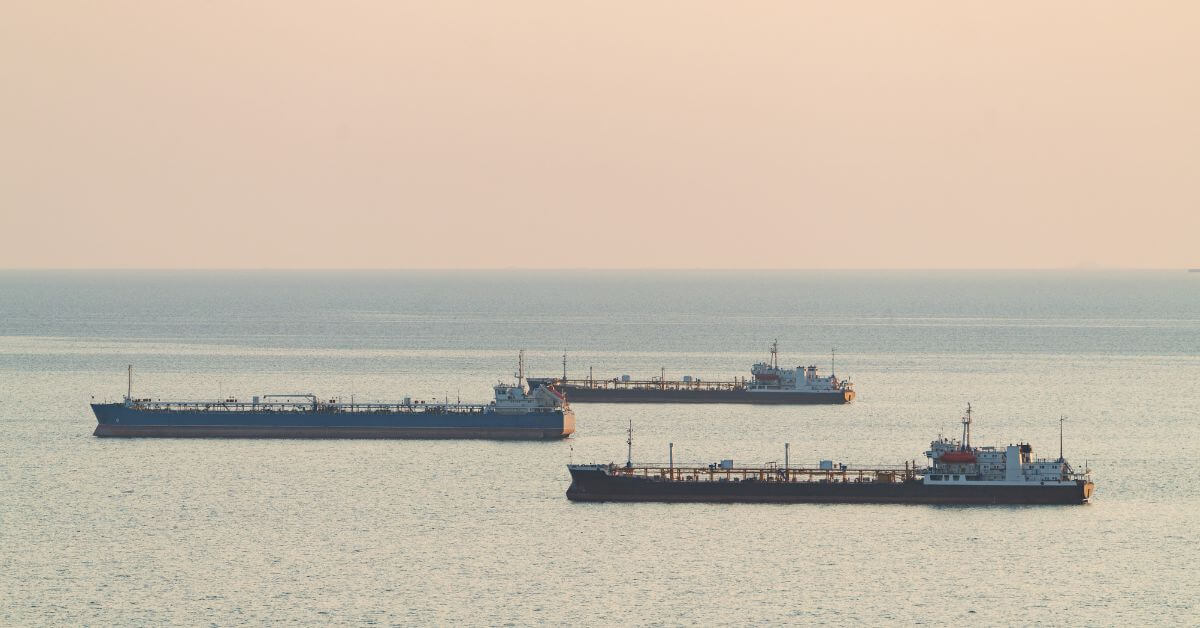
Six million barrels of Iranian crude cross Atlantic under US authority
Six million barrels of Iranian crude, valued at roughly $600 million, are now crossing the Atlantic under U.S. authority, after three tankers were seized. This is a calibrated assertion of maritime jurisdiction, not a provocation. The movement underscores how ocean intelligence and legal frameworks intersect in real-time geopolitical operations. For context on regional tensions, see our coverage of the second U.S. underwater drone reportedly seized in the Strait of Hormuz. Understanding these patterns drives protection of shared marine interests.
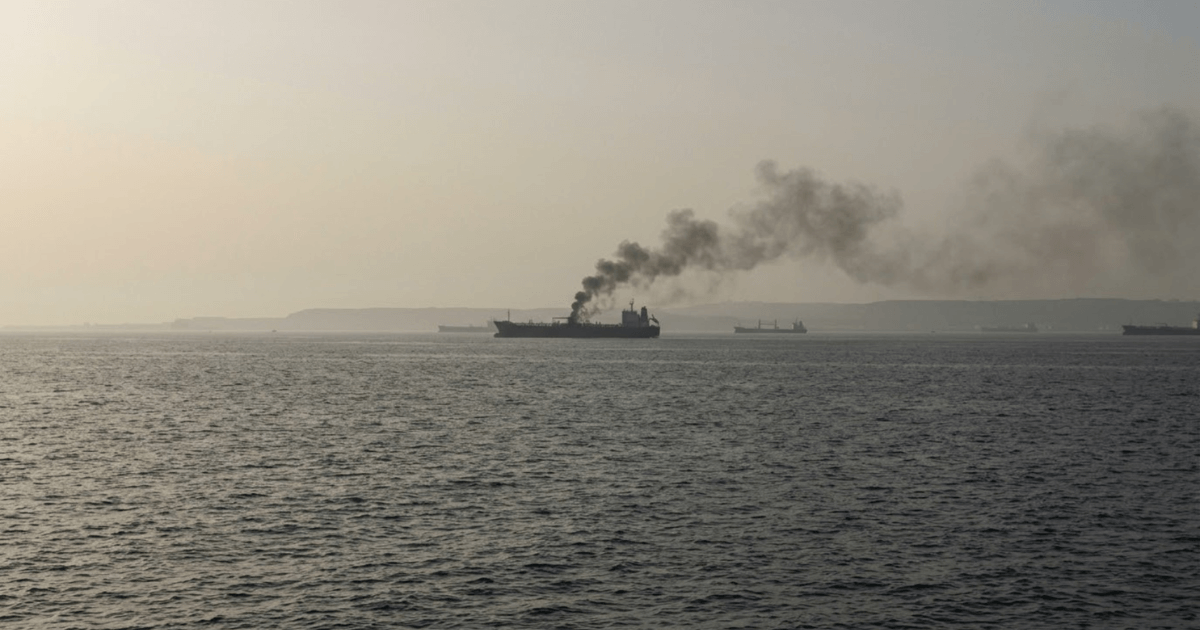
Shipping Incident Near Hormuz Raises Regional Tensions, Claims One Life.
A commercial vessel was struck off Qeshm Island in the Strait of Hormuz, killing one crew member. Iran now prepares to brief regional powers on shipping control. This incident raises tensions along a waterway already strained by capacity, our related coverage on Gulf of Oman STS Transfers Max Out Amid Rising Saudi Oil Exports underscores the logistical pressure. Measurable maritime data matters here: safety and security are empirical conditions, not abstractions. Understanding drives protection.
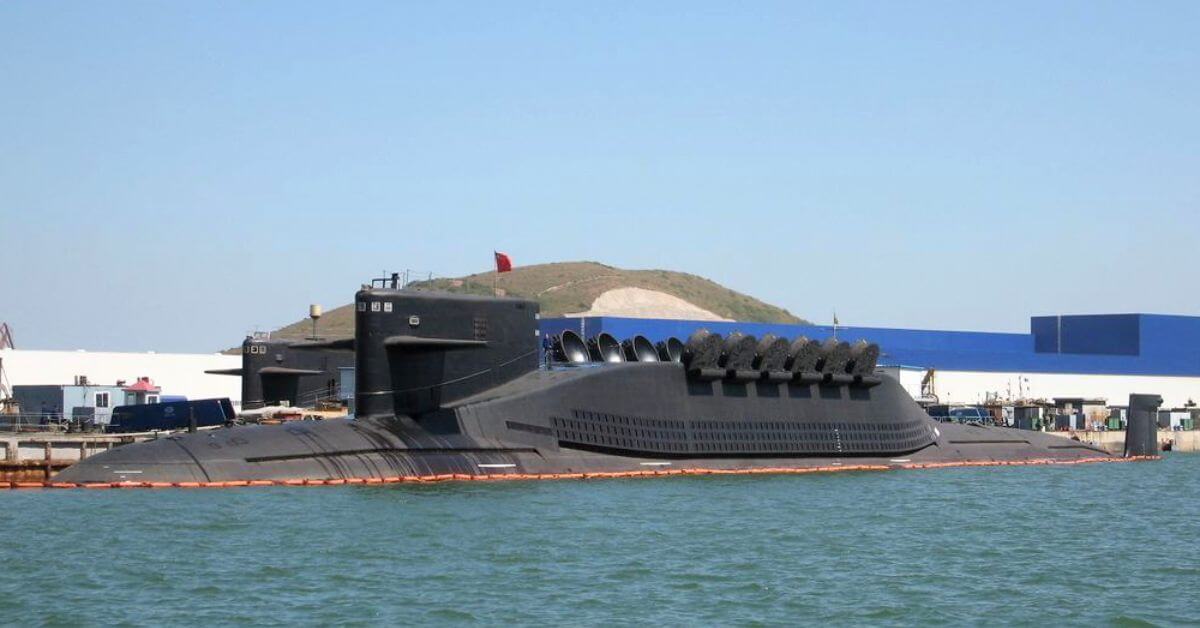
PLAN Integrates Acoustic Mapping for Enhanced Submarine Target Tracking
Acoustic mapping gives the PLAN a measurable edge in submarine target tracking, turning difficult underwater conditions into calibrated, real-time data. This is empirical ocean intelligence applied directly to naval operations. Understanding drives protection, and here, that understanding is acoustic. For broader context on shifting maritime postures, see our coverage of "India Projects Expanded Naval Fleet to Navigate Evolving Maritime Landscape." It is a reminder that ocean stewardship now demands integrated awareness from seabed to surface.
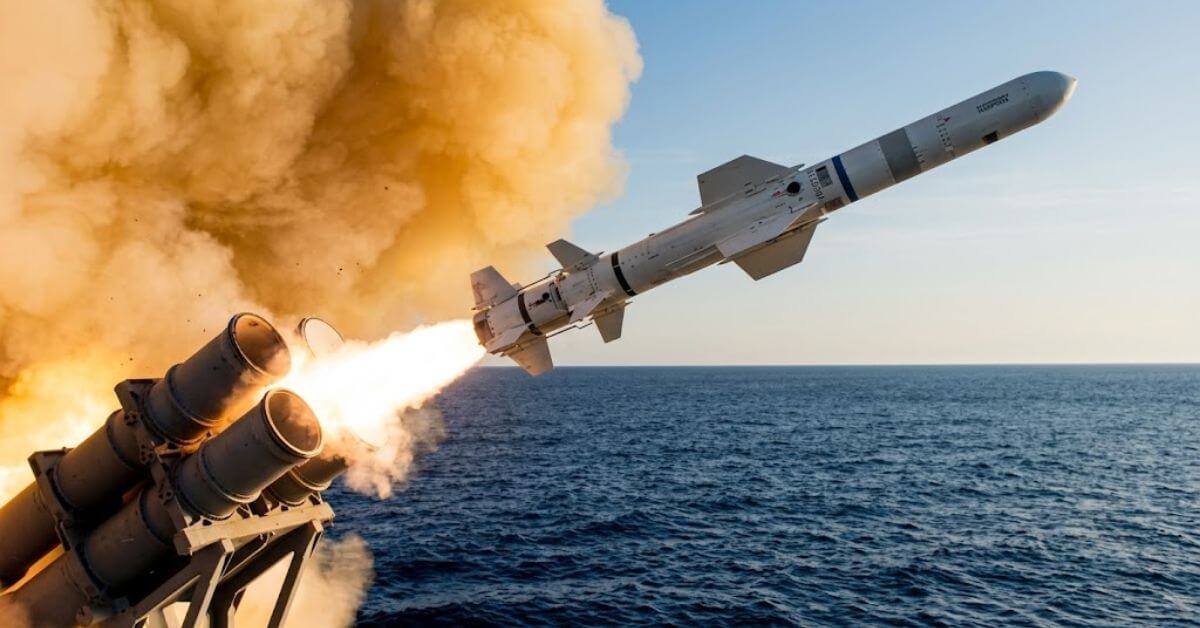
Escalation in Strait of Hormuz: Iran Tests Missile Near U.S. Navy.
Iran's IRGC announced a missile test near a U.S. aircraft carrier and destroyer in the Strait of Hormuz, a calibrated escalation that demands measured analysis. This is not alarmism; it is a real-time indicator of strategic friction in a waterway that carries a fifth of global oil. Such actions validate the urgency of integrated maritime monitoring. For deeper context on regional oil flows, see our related article on Gulf of Oman STS transfers operating at maximum capacity. Understanding drives protection.
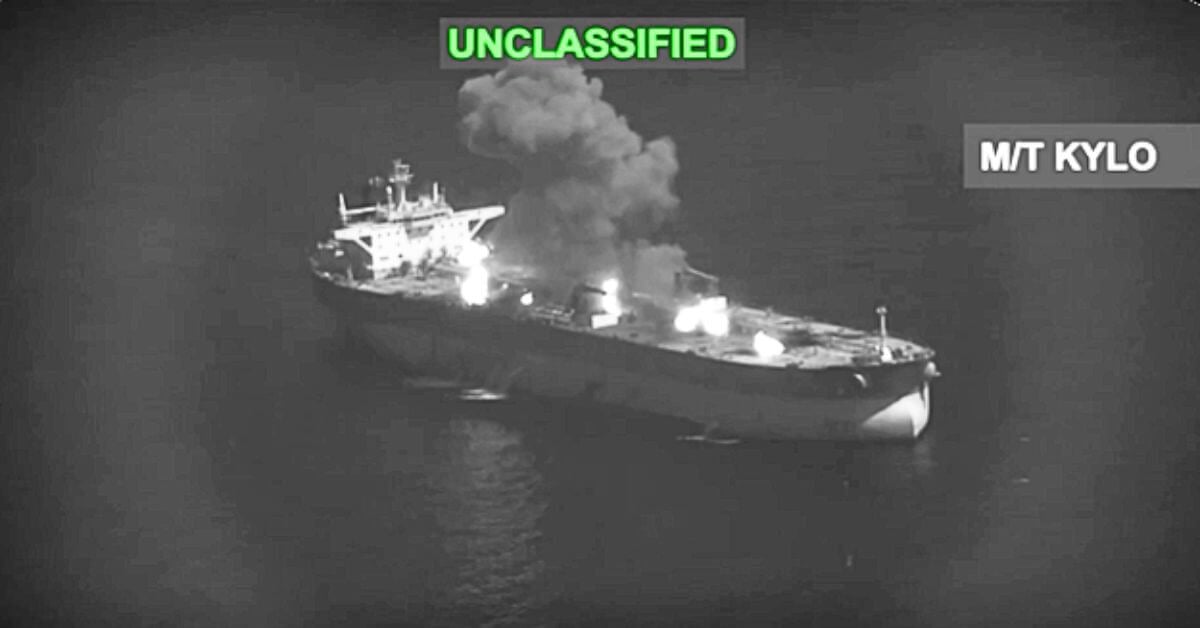
Escalation in the Persian Gulf: U.S. Responds to Iranian Attacks
A U.S. aircraft carrier and a guided-missile destroyer navigated through a series of Iranian attacks in the Persian Gulf without a single American casualty, according to CENTCOM. The outcome reflects precision under pressure, though the episode underscores how fragile maritime security remains in a region where energy flows and geopolitical stakes converge. This incident sits alongside broader tensions, such as those detailed in "Phased Negotiations Aim to Ease Restrictions on Strait of Hormuz," where diplomatic pathways remain tentative yet essential.
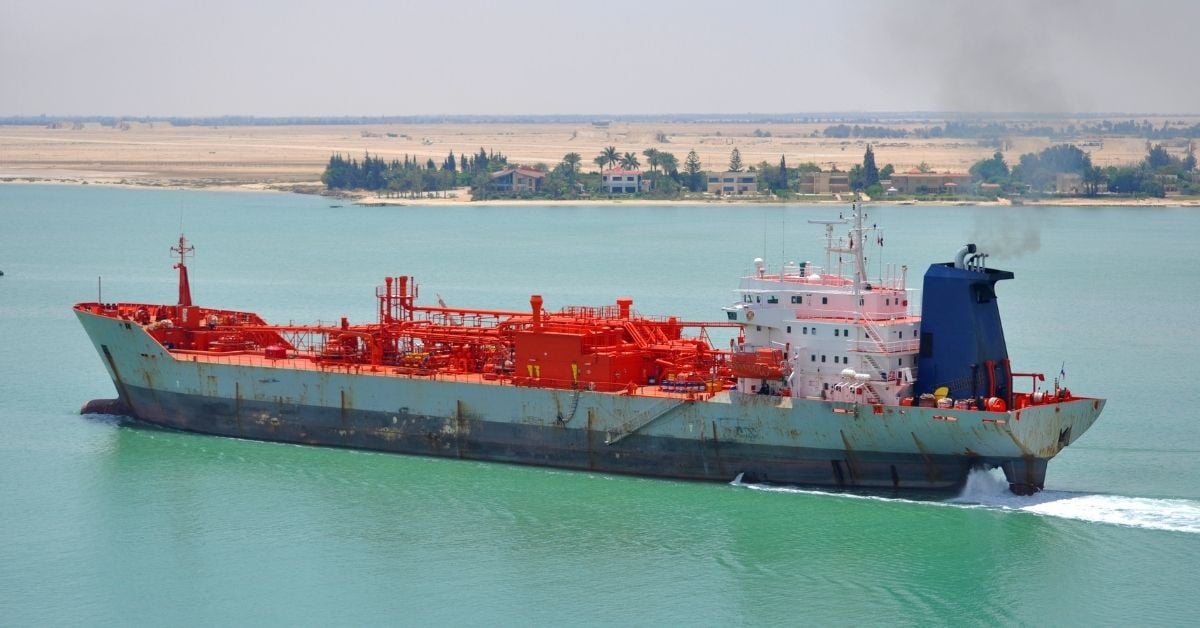
Geopolitical Tensions Rise as Iranian Leader Addresses Regional Security.
Iran's Supreme Leader, Mojtaba Khamenei, has called on Muslim nations to identify their "real enemy" and confront it collectively, framing regional security as a shared test of unity. The message is direct, and it carries weight in a region where alliances shift with the current. We see this not as rhetoric alone, but as a signal with measurable consequences.

Joint Navigation Corridor Proposed to Enhance Strait of Hormuz Transit
A joint navigation corridor through the Strait of Hormuz offers a practical path forward, pairing immediate transit security with a coordinated mine-clearing effort. The proposal is measured and specific, which is what makes it credible. It treats the waterway not as a symbol, but as a system that can be stabilized through deliberate, shared action. For readers tracking the region's pressure points, our related coverage on Gulf of Oman STS transfers provides useful context on how commercial traffic is already adapting to constraints.

U.S. Actions Disrupt Iranian Shipping Amidst Regional Tensions
U.S. Central Command reports that its forces have redirected 70 merchant vessels, boarded two, and disabled three since reimposing the blockade on Iran. These actions disrupt shipping lanes already strained by regional tensions. Measured enforcement, yes, but the ripple effects demand attention. For context on how these routes are evolving, our related piece, "Gulf of Oman STS Transfers Max Out Amid Rising Saudi Oil Exports," details the capacity pressures amplifying this pressure.

Escalating Tensions: Sanctions Aim to Preserve Stability in the Hormuz Strait.
Sanctions targeting the Hormuz Strait are designed to reinforce the existing US blockade, not replace it. Treasury Secretary Bessent stated these measures could prevent a return to large-scale military conflict, a goal that demands precision over posturing. This is strategic pressure, carefully calibrated. For context on regional energy flows, our related coverage of Gulf of Oman STS transfers offers useful perspective. The objective remains stability, achieved through measured economic deterrence rather than escalation.

Naval Shift: George Washington Arrives as Lincoln Deployment Concludes
The turnover of crews is a constant in naval operations, but the conclusion of the *Lincoln*'s deployment carries a weight that extends beyond routine rotation. It lands as families raise valid questions about life aboard, and those concerns merit more than standard assurances. The arrival of the *George Washington* provides operational continuity, yet it also signals a moment to listen. For deeper context on how the Navy is modernizing its approach, our piece on autonomous systems integration offers a relevant perspective.

Heightened Tensions: Iran and US Navigate Strait of Hormuz Instability
A vessel was struck as it departed the Strait of Hormuz on Tuesday, while the UAE reported two ballistic missiles launched from Iran. The incident underscores a fragile moment in a waterway that carries a third of global oil trade. Tension is not new here, but the precision of these actions raises the stakes. For readers tracking the region's shifting dynamics, our coverage of phased negotiations to ease restrictions on the strait offers essential context.

Iran Asserting Control Over Vital Strait of Hormuz Passage
Iran's assertion that it manages and controls the Strait of Hormuz is a statement of strategic fact, not posturing. For a nation whose economy and security are tied to the waterway, claiming this position is both logical and consequential. The strait's role as a global energy artery makes such declarations inherently significant, and we should treat them with the gravity they demand. For broader context on regional shipping pressures, our coverage of Gulf of Oman STS transfers offers a useful parallel.

Extended Deployment Highlights Crew Wellbeing Challenges Aboard USS Abraham Lincoln
Two hundred sixty days at sea. Ten thousand launches. One and a half million pounds of ordnance expended. The USS Abraham Lincoln's extended deployment is a measurable demonstration of endurance, yet it also places crew wellbeing at the forefront of operational planning. This is the reality of sustained naval power in a complex security environment. For a deeper look at how nations are extending their maritime reach, our recent analysis of China's new nuclear carrier is a useful comparison.

Iran Links Strait Passage to U.S. Actions, Raising Geopolitical Tensions
Iran's top military official, Rezaei, has tied the Strait of Hormuz's fate directly to U.S. policy, demanding an end to the war and blockade, the release of frozen assets, and a broader regional ceasefire. The linkage sharpens an already volatile maritime standoff, where every action carries measurable consequence. For those tracking the Gulf's pressure points, this is a clear escalation in rhetoric, not just posturing.

U.S. Navy Intercepts Shipbound for Iran, Enforcing Maritime Restrictions
The U.S. Navy has intercepted the Vela Nova, the third vessel disabled since the July 14 blockade began, according to CENTCOM. Enforcement of maritime restrictions near Iran remains deliberate and measurable. Each interdiction reinforces a simple premise: rules at sea are not optional. For context on the region's rising tanker activity, our report on Gulf of Oman STS transfers offers useful depth. This is pressure applied methodically, not theatrically. The ocean is a shared system, and accountability is part of its operation.

Naval Deployment Bolsters U.S. Enforcement of Maritime Restrictions in the Middle East
The U.S. Navy's forward deployment in the Middle East sharpens the teeth of maritime enforcement, with CENTCOM confirming warships are now supporting "strict enforcement" of the blockade against Iran. This is measured, calibrated pressure, not saber-rattling. It signals a firm commitment to contested waters where commercial traffic and geopolitical friction converge. For readers tracking the region's fluid energy flows, the adjacent reporting on Gulf of Oman STS transfers offers useful context on how these restrictions ripple through real-time trade routes.

Charting New Maritime Pathways: Iran and Oman Negotiate Hormuz Route.
Iranian Foreign Minister Abbas Araqchi confirmed that a deal with Oman would establish new shipping routes through the Strait of Hormuz once conditions are met. The negotiation signals a practical step toward stabilizing a waterway critical to global energy flows. Diplomatic progress here matters, though implementation will test both sides. For context on how pressure is building in nearby waters, our piece on Gulf of Oman STS transfers offers useful background. Measured agreements are welcome, but the real measure lies in execution.

Regional Conflict Impacts Key Oil Shipping Routes in the Red Sea
The Red Sea's role as a critical artery for global oil movement is under direct threat, with Houthi military spokesperson Yahya Saree confirming strikes in response to Saudi drone incursions into Yemeni airspace. This escalation injects fresh volatility into an already strained shipping corridor. The region's fragility demands calibrated attention, not alarm. For context on how these pressures ripple outward, our piece on Gulf of Oman STS Transfers Max Out Amid Rising Saudi Oil Exports illustrates the strain on adjacent routes.

U.S. Verifies Tanker in Gulf of Oman, Voyage Continues.
A U.S. verification boarding of the Comoros-flagged tanker M/T Charminar in the Gulf of Oman proceeded without incident, and the vessel has since resumed its voyage. Such checks are calibrated, routine measures that sustain maritime transparency. They reinforce the integrated data ecosystem that keeps vital shipping lanes open. For context on the pressures shaping these waters, our related coverage on Gulf of Oman STS transfers maxing out offers a clearer picture. Verification is not disruption; it is the empirical anchor of safe passage.