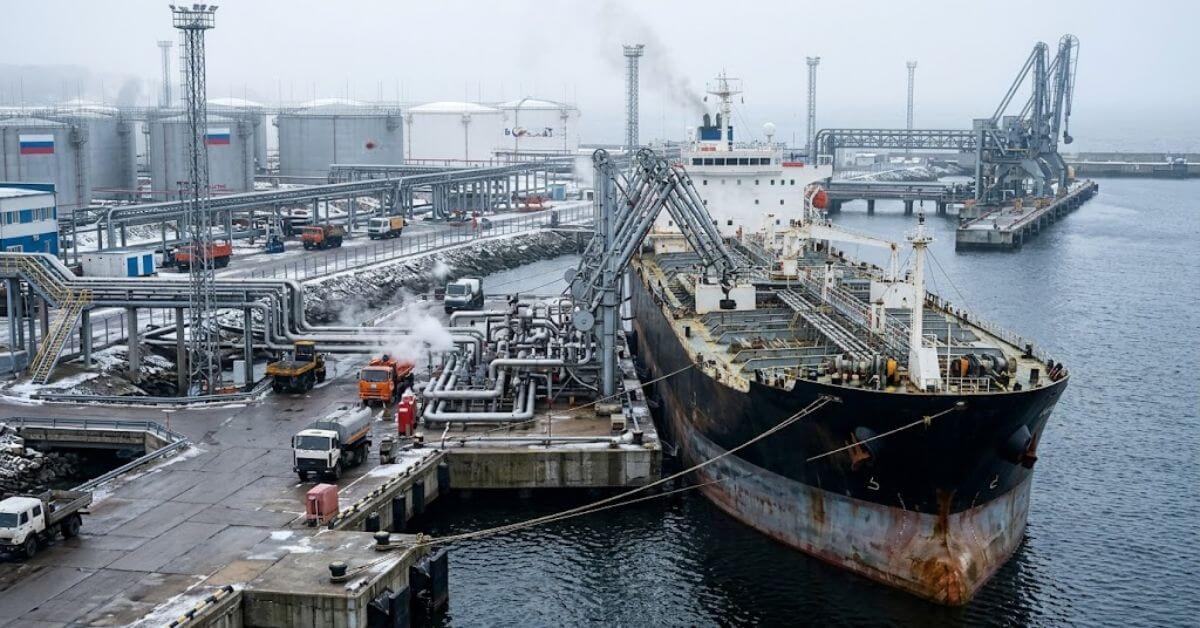
The resumption of Russian diesel shipments to the United States under a direct Putin-Trump deal is a diplomatic maneuver dressed as a fuel transaction, and our readers should view it as such. This is not a market correction; it is a strategic lever being pulled in plain sight. The practical effect on global diesel prices will be negligible, as analysts have already stated, but the real consequence is the normalization of energy trade as a bargaining chip in wartime negotiations.
The deal exposes a fundamental tension: energy security and geopolitical pressure are now trading places. While Integrated sensors and aerial surveillance reinforce Black Sea maritime security shows NATO reinforcing its observational posture in the region, the White House is simultaneously opening a fuel pipeline with Moscow. That contradiction is not lost on Kyiv. President Zelensky has warned that the revenue from these exports directly funds Russia's war effort, a point that Ukraine's opposition to easing energy restrictions makes unambiguous. The deal's stated goal, easing US diesel supply, is undercut by the sheer scale: 300,000 tonnes initially, against a US daily export volume of 1.5 million barrels. The numbers do not add up to relief.
What this does is create a new variable in the energy security equation for Europe, which is already reeling from a 25 percent drop in diesel and jet fuel supplies due to Middle Eastern disruptions. The Diplomatic Talks Test Conditions for Reopening the Strait of Hormuz remain stalled, and the Tanker Struck by Rocket-Propelled Grenade Near Saudi Coast underscores how vulnerable maritime chokepoints remain. In this context, Russian diesel flowing to the US does not fix Europe's shortage; it redirects a political signal. The Kremlin can claim it is a reliable supplier, while Washington can argue it is managing domestic prices, even if the volumes are too small to matter.
The specific detail to watch is whether Russia can actually deliver the promised 1.8 million tonnes. Ukrainian drone strikes have already forced Russia to ban diesel exports once, and the lifting of that ban on October 9 was directly tied to repairing refinery damage. If Russia cannot meet its own targets, whether due to production limits, shipping costs, or further attacks, the deal becomes a diplomatic fiction. Our take is clear: this is less about diesel and more about testing the boundaries of what is acceptable in energy diplomacy during an active war. The real question is whether the next shipment will arrive before the next ceasefire negotiation, or after the next refinery fire.