Iran Says It Prevented 30 Ships From Crossing Strait Of Hormuz Outside Approved Route Since Aug. 22
Our take
The recent announcement from Iran regarding the prevention of 30 ships from traversing the Strait of Hormuz outside designated routes since August 22nd represents a significant escalation of tensions in a vital global maritime chokepoint. This action, coupled with ongoing geopolitical instability in the region, underscores the fragility of international trade and the potential for disruptions to global supply chains. The Strait, connecting the Persian Gulf to the Gulf of Oman and the Arabian Sea, is crucial for the transport of oil and other commodities, with over 1,500 oil tankers and 1,700 commercial vessels utilizing the approved route prior to the conflict that began in January 2026. Recent movements highlight the complexities of maintaining maritime security; for instance, the US Navy Aircraft Carrier Abraham Lincoln Passes Through Singapore Strait En Route To Thailand After More Than 250 Days At Sea demonstrates the continuous deployment of naval assets in response to regional challenges. Furthermore, the Sweden Donates 10 Coast Guard Boats To Ukraine For Mine Clearance And Maritime Operations underscores the broader need for maritime security support across multiple regions experiencing conflict.
Iran’s assertion of control over shipping lanes outside approved routes raises concerns about the potential for increased maritime incidents and the imposition of unilateral restrictions on navigation. While Iran maintains its actions are intended to ensure maritime safety and adherence to international regulations, the lack of transparency and the reported prevention of vessels suggest a deliberate attempt to assert influence and potentially disrupt commercial activity. The implications extend beyond immediate shipping costs; prolonged disruptions can trigger price volatility in global energy markets, impacting economies worldwide. The situation is further complicated by the ongoing naval presence of various nations in the region, including the United States, creating a complex and potentially volatile operational environment. The swift preparations for a U.S Navy Prepares Aircraft Carrier USS Theodore Roosevelt For Middle East Deployment To Relieve USS George Washington highlights the reactive measures being taken to safeguard maritime routes and ensure freedom of navigation.
The reported number of ships prevented from using the designated route, while seemingly small in the context of global shipping volume, carries disproportionate weight given the Strait’s strategic importance. Even minor disruptions can create bottlenecks, leading to delays and increased costs for shippers. The lack of independent verification of Iran’s claims adds to the uncertainty and makes it difficult to assess the full extent of the impact. The broader context of escalating tensions between Iran and other nations, coupled with the ongoing conflict, necessitates a careful and calibrated response from the international community. Increased monitoring and enforcement of maritime regulations are crucial to deterring unilateral actions and ensuring the safe and predictable flow of commerce. The reliance on empirical data and validated reporting is paramount in navigating this complex situation.
Looking ahead, the stability of the Strait of Hormuz will continue to be a critical factor in global economic security. The development of integrated data ecosystems, capable of providing real-time, calibrated information on vessel movements and potential threats, will be essential for mitigating risks and facilitating informed decision-making. The question now becomes whether Iran’s actions represent a temporary assertion of influence or a more sustained strategy to control maritime traffic in the region. Longitudinal data collection and analysis of shipping patterns and naval deployments will be vital in understanding the evolving dynamics and predicting future developments. The need for international collaboration and adherence to established maritime law has never been more urgent, demanding a focus on ocean intelligence and a shared commitment to peaceful resolution.
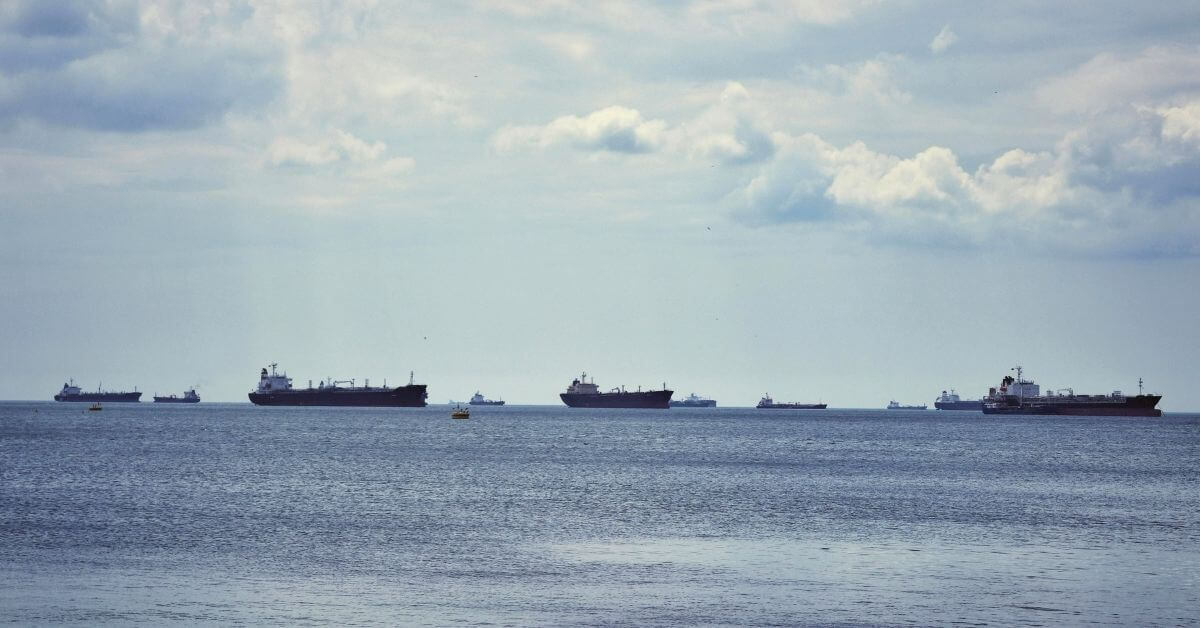
Iran’s armed forces have stopped 30 vessels from passing through the Strait of Hormuz since Aug. 22 after they tried to use a route that was not approved by Iran, the semi-official Mehr News Agency reported on Sunday.
Ships using the strait during this period were allowed to use only a route designated by Iran. They also had to inform Iranian authorities in advance about their passage and pay the required transit fees.
The agency said Iranian forces stopped the 30 vessels after they tried to cross the waterway outside the approved route. It did not give details about the ships, including their flags, owners or cargo.
Mehr also reported a sharp drop in ship traffic through the Strait of Hormuz.
It said more than 1,500 oil tankers and 1,700 commercial vessels had used the designated route before the war began in January 2026.
Iran Says Ships Must Use Approved Route
According to Mehr, vessels currently allowed to pass through the Strait of Hormuz must use the route designated by Iran, coordinate their passage and pay the required fees.
The agency said vessels that were allowed to pass during this period followed the approved route.
Mehr did not say how Iranian forces stopped the 30 vessels or whether they were carrying oil or other cargo.
Iran Rejects Claims on Mine Clearing
Mehr also rejected reports that mines had been cleared from the Strait of Hormuz.
The agency said there was no documented evidence to support claims that mine-clearing operations had been completed. It also said the United States had not provided documents to support such claims.
Mehr also rejected claims about the amount of oil being exported, saying they were not supported by documented evidence.
The agency said it viewed the claims as part of what it called an American media campaign aimed at affecting global markets, especially energy markets.
The report did not provide independent evidence for its claims about mine clearing or oil exports.
References: saba, royanews
Read on the original site
Open the publisher's page for the full experience