armed forces
World Data Ocean keeps armed forces in one place: 5 stories so far. The section currently leads with “Protecting Baltic Cables: Finland Enhances Response to Underwater Infrastructure Threats”, “Joint Forces Intervene: Maritime Security Operation Frees Hijacked Vessel”, and “Maritime Traffic Shifts: Iran Intercepts Vessels Near Strait of Hormuz.”. Finland's response to suspected underwater infrastructure damage is tightening, and rightly so. The Turkish Navy and Somalia's Armed Forces concluded a decisive 10-day operation, neutralizing 14 pirates and freeing a hijacked vessel. A Global Hub for Ocean Intelligence 4 World Data Ocean is a centralized digital platform where researchers, scientists, and ocean enthusiasts converge to… The list below is every armed forces story on World Data Ocean, newest first.
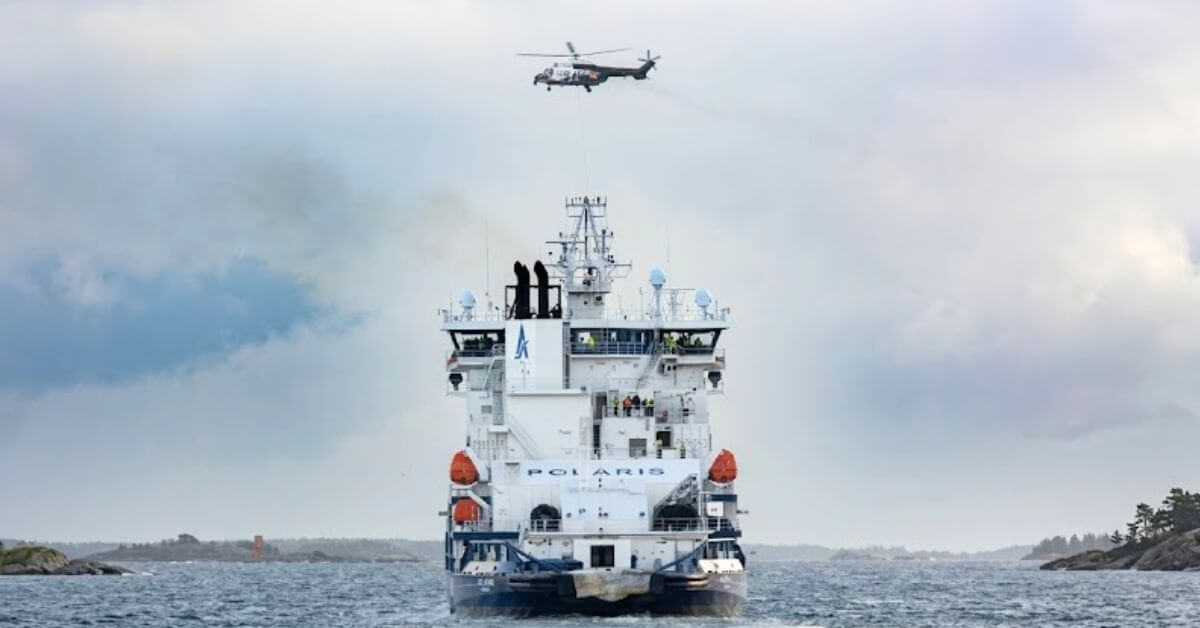
Protecting Baltic Cables: Finland Enhances Response to Underwater Infrastructure Threats
Finland's response to suspected underwater infrastructure damage is tightening, and rightly so. The incidents involving Baltic cables have pushed officials to sharpen their procedures for assessing vessels that may pose a threat. This is measured, practical progress. Protecting the data routes that carry nearly all transoceanic traffic is not optional. For readers tracking related risks, our coverage of the bulk carrier grounding near Gladstone offers another reminder of how vulnerable maritime chokepoints remain.
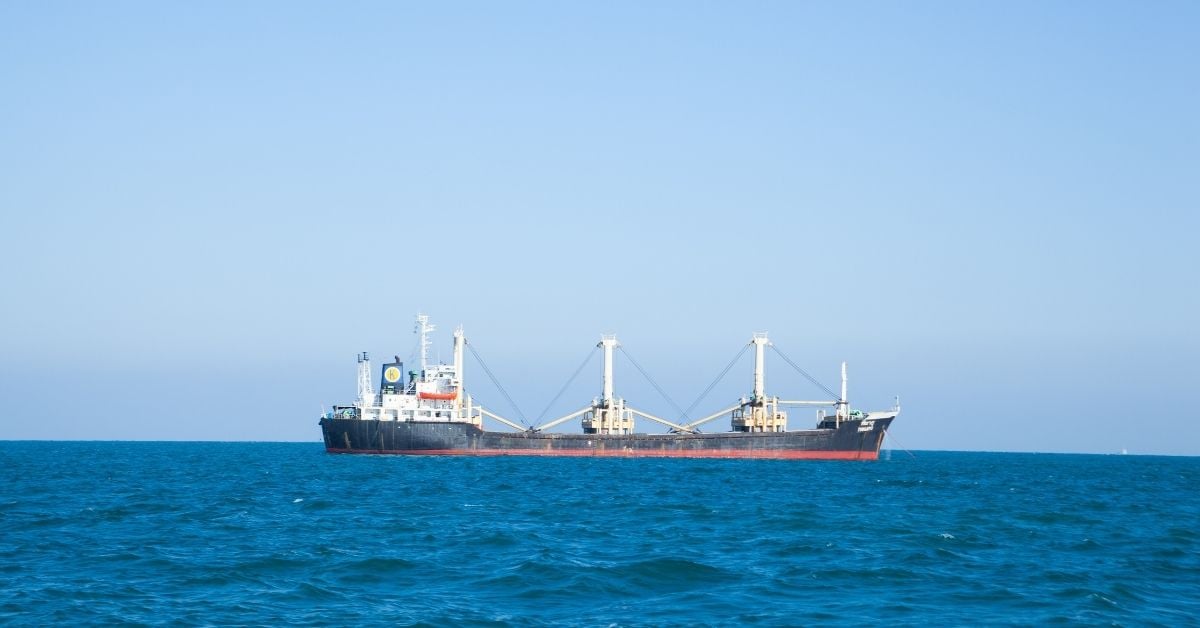
Joint Forces Intervene: Maritime Security Operation Frees Hijacked Vessel
The Turkish Navy and Somalia's Armed Forces concluded a decisive 10-day operation, neutralizing 14 pirates and freeing a hijacked vessel. This is what coordinated maritime security looks like when measured action meets clear objectives. The operation underscores a practical truth: effective ocean stewardship requires persistent, joint commitment, not just policy. For broader context on regional maritime pressures, our related coverage on Gulf of Oman STS transfers offers valuable perspective. This success signals a calibrated, reliable approach to protecting vital sea lanes.
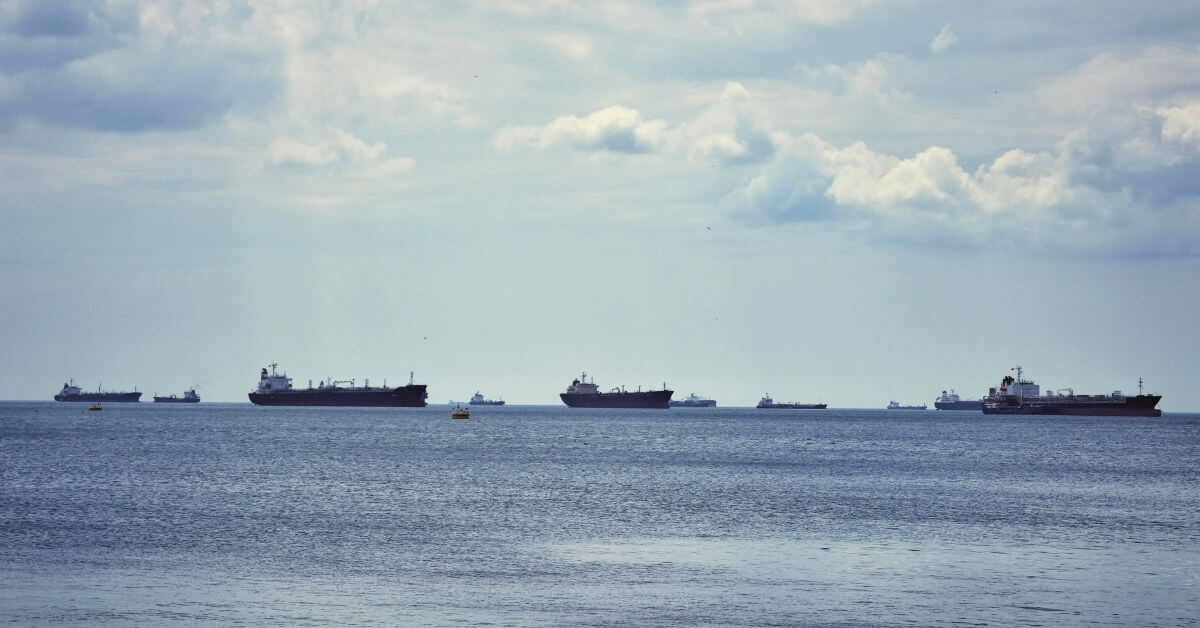
Maritime Traffic Shifts: Iran Intercepts Vessels Near Strait of Hormuz.
The Strait of Hormuz has become a chokepoint under pressure, with more than 1,500 oil tankers and 1,700 commercial vessels transiting the designated route before the war began in January 2026. Now, Iran's interceptions of vessels near these waters signal a hardening reality. This is not alarmism; it is measured observation. Disruptions here carry global consequences, and understanding the pattern matters. For broader context, our related piece on Gulf of Oman STS transfers offers a useful lens on how regional capacity is straining.

Strengthening Maritime Cooperation: India and New Zealand Deepen Defence Ties
India and New Zealand concluded their second Defence Strategic Dialogue in Wellington, signaling a deliberate expansion of bilateral security cooperation. The talks underscore a shared commitment to maritime stability across the Indo-Pacific, where rules-based order remains essential. These are not abstract discussions; they produce calibrated, actionable outcomes. Strengthened ties here complement broader efforts to secure vital sea lanes, much like the multinational push detailed in "Eighty Nations Urge Reopening of Vital Strait of Hormuz Shipping Lane.

Kuwaiti Warship Struck: Four Personnel Injured in Iranian Attack
A Kuwaiti naval vessel was struck by an Iranian missile and drone barrage, leaving four armed forces personnel injured, according to Kuwait's Military. The attack underscores the fragile security calculus of a region already straining under disrupted shipping lanes. Such strikes are not isolated incidents; they are symptoms of a broader volatility that demands calibrated, data-driven responses. As diplomatic efforts like the phased negotiations over the Strait of Hormuz gain traction, the need for validated ocean intelligence has never been more immediate.