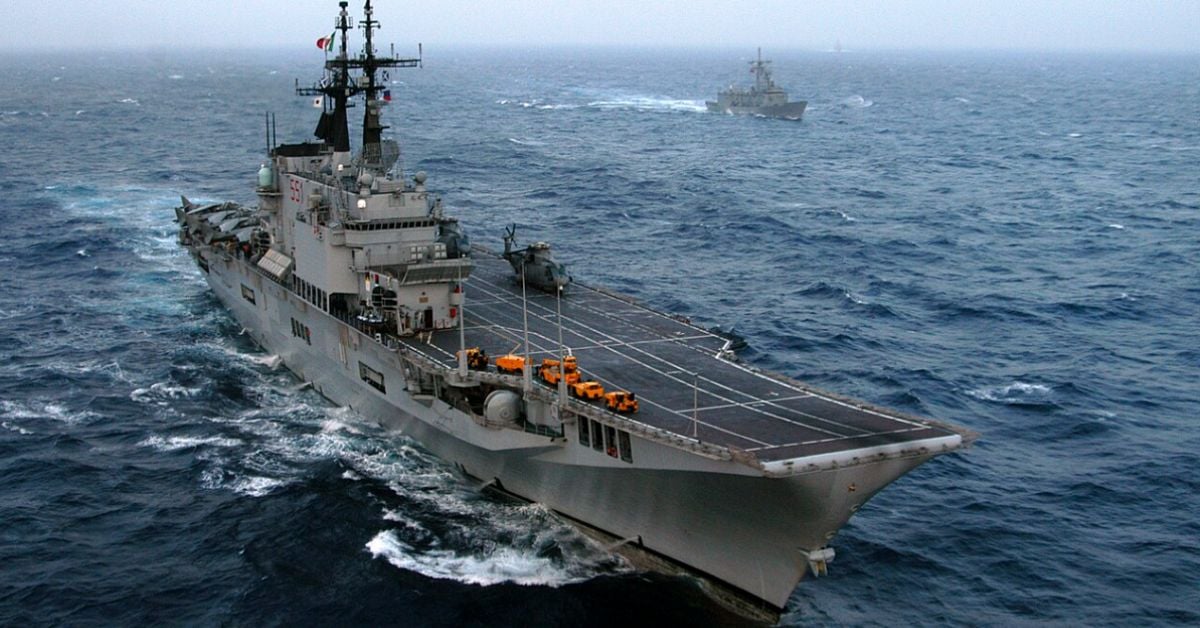
The acquisition of the Giuseppe Garibaldi by Indonesia is a significant development, and we would tell our readers to pay close attention to the ripple effects across the region. This is not merely a single warship changing hands; it is a statement of intent regarding the future of maritime power projection in Southeast Asia. The move signals a shift from a focus on territorial defense to a more capable, blue-water posture, a transition that carries profound implications for the balance of power and the security of vital sea lanes. This development does not exist in a vacuum, and it is worth considering alongside other strategic movements we have been tracking, such as how India Projects Expanded Naval Fleet to Navigate Evolving Maritime Landscape. The parallel expansion of naval capabilities across the region indicates a collective response to a more contested maritime environment.
In practical terms, this move by Indonesia changes the operational calculus for every nation with interests in the region. For our readers, this means a new variable in the strategic equation that was not present a decade ago. The presence of a carrier, even a legacy platform, increases the range and complexity of potential operations, from disaster response to power projection. It also introduces new costs and challenges, including the need for a significant support infrastructure, pilot training, and the integration of a complex platform into the existing fleet. We would advise our readers to watch how this acquisition influences the strategic calculations of other regional actors, particularly China, and how it might affect the security of the Malacca Strait and the South China Sea. The focus must now be on the measured, operational integration of this capability, not just the symbolism.
This is a step that carries more weight than a simple purchase, and it is a clear signal that Indonesia is calibrating its defense posture for a more complex future. While we must avoid alarmist language, a carrier is a high-value asset that inherently changes the strategic dynamic. For the maritime professional, the key question is not whether this is a "game-changer," but how the platform will be integrated into a broader, more capable force structure. The practical takeaway is that this is a long-term investment in a specific kind of naval power, one that requires a decade of sustained commitment to become truly effective. The real test will be the development of a sustainable carrier strike group, including the escort vessels, supply ships, and air wing. We should watch for the next steps: the selection of the aircraft to be deployed and the creation of a dedicated training pipeline for the crew.
The specific detail to watch is the condition and the true operational capability of the Garibaldi upon delivery. A ship of this age requires a significant and continuous investment to remain relevant. The carrier's air wing will be the decisive factor in its real-world utility. Will it operate helicopters and V/STOL aircraft, and if so, which ones? The answer will determine whether this is a platform for power projection or a highly visible, but potentially vulnerable, symbol of naval ambition. For a clearer comparison of the strategic pressures driving such acquisitions, one can look at how Russia Calibrates Export Revenue for Northern Sea Route Icebreaker Fleet to fund its own naval ambitions. The real measure of this acquisition will be seen in how Indonesia manages the logistical and operational demands of a carrier, a challenge that has historically proven difficult for many navies. The decision on the carrier's air wing will be the first concrete indicator of its true role and a detail we will be watching closely.