Indonesia
21 stories filed under Indonesia on World Data Ocean. The newest of them: “Measured progress: Indonesia's extreme poverty reduction mirrors China's rapid gains”, “Search data confirms 71 lost as Virgo Transport 8 recovery continues”, and “Search Continues as Death Toll Climbs Following KM Virgo Transport 8 Sinking”. Indonesia's extreme poverty reduction has been nearly as rapid as China's, a measured and validated progress that deserves close attention. Divers recovered five more bodies from the sunken Virgo Transport 8, confirming 71 lives lost in this Indonesian ferry disaster. A Global Hub for Ocean Intelligence 4 World Data Ocean is a centralized digital platform where researchers, scientists, and ocean enthusiasts converge to… The list below is every Indonesia story on World Data Ocean, newest first.
Measured progress: Indonesia's extreme poverty reduction mirrors China's rapid gains
Indonesia's extreme poverty reduction has been nearly as rapid as China's, a measured and validated progress that deserves close attention. While China's steep decline often dominates global narratives, Indonesia's trajectory shows that significant, empirically grounded gains are achievable beyond a single economic powerhouse. This is not a competition but a shared, encouraging signal. For deeper context on the broader dynamics at play, see our related article, "Measuring China's role in validated extreme poverty decline."
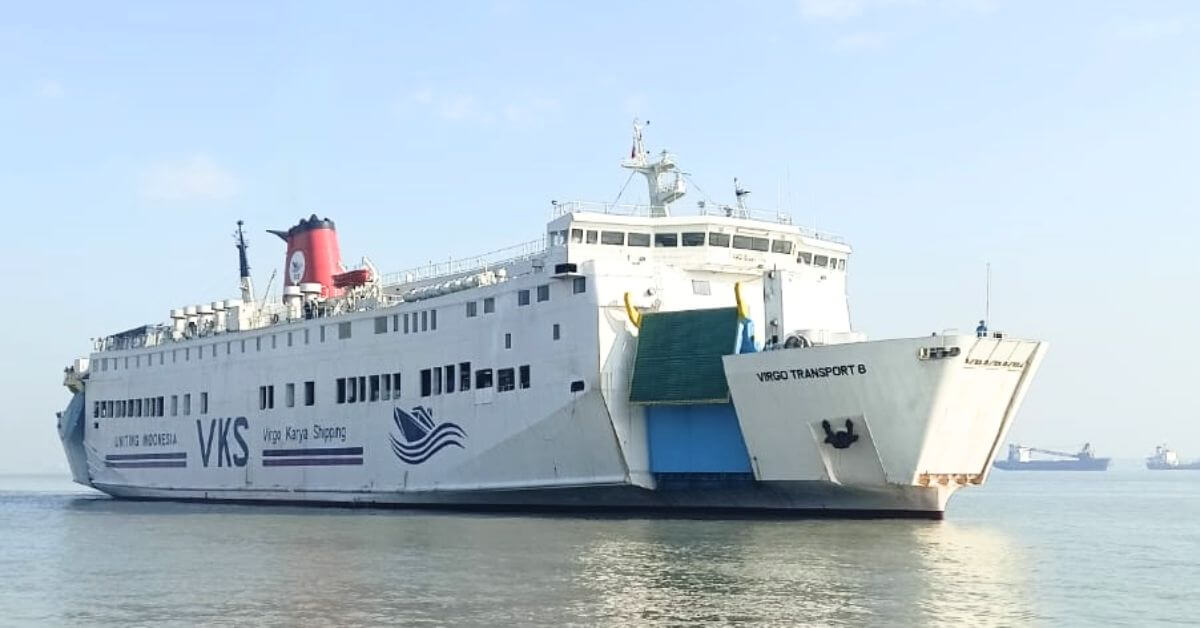
Search data confirms 71 lost as Virgo Transport 8 recovery continues
Divers recovered five more bodies from the sunken Virgo Transport 8, confirming 71 lives lost in this Indonesian ferry disaster. Each number represents a preventable tragedy. Recovery continues, but the search is no longer about rescue, it is about accountability. These accidents are not random; they are failures of oversight. For deeper context on disaster preparedness gaps, see our coverage of Nepal's early warning shortcomings. Understanding drives protection.
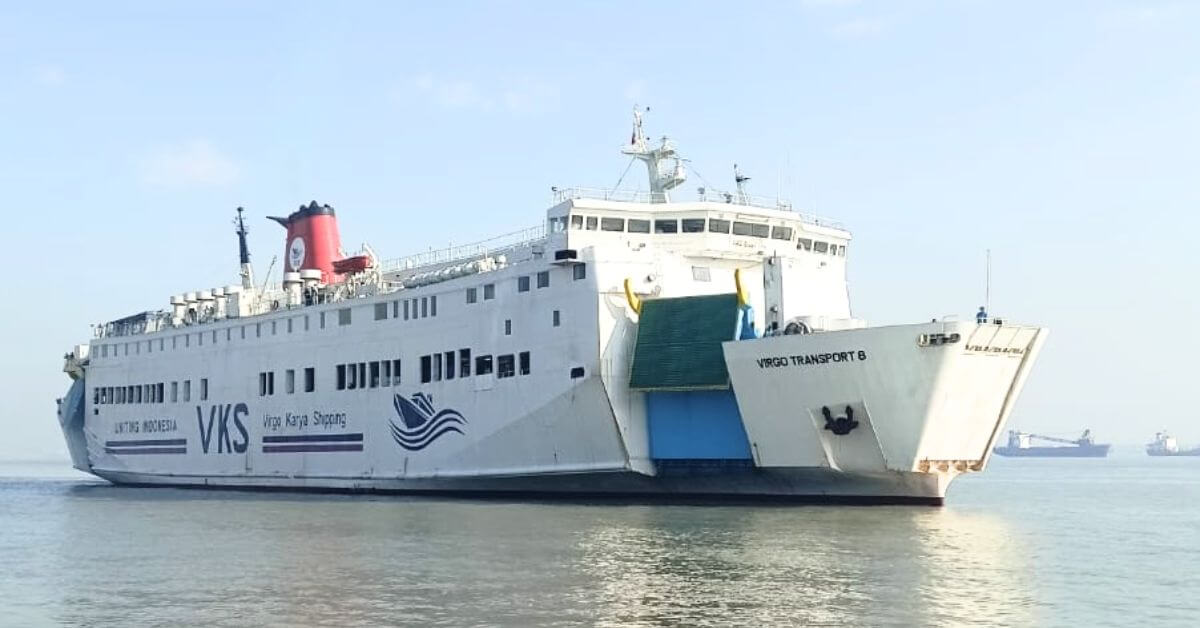
Search Continues as Death Toll Climbs Following KM Virgo Transport 8 Sinking
Search and rescue teams in Indonesia have recovered three more bodies from the wreck of the KM Virgo Transport 8, raising the death toll as the search continues. Each recovery brings a measure of closure, yet it also sharpens the question of what more can be done to prevent such losses. The data emerging from this tragedy is raw, but it underscores the need for rigorous, evidence-based safety protocols.
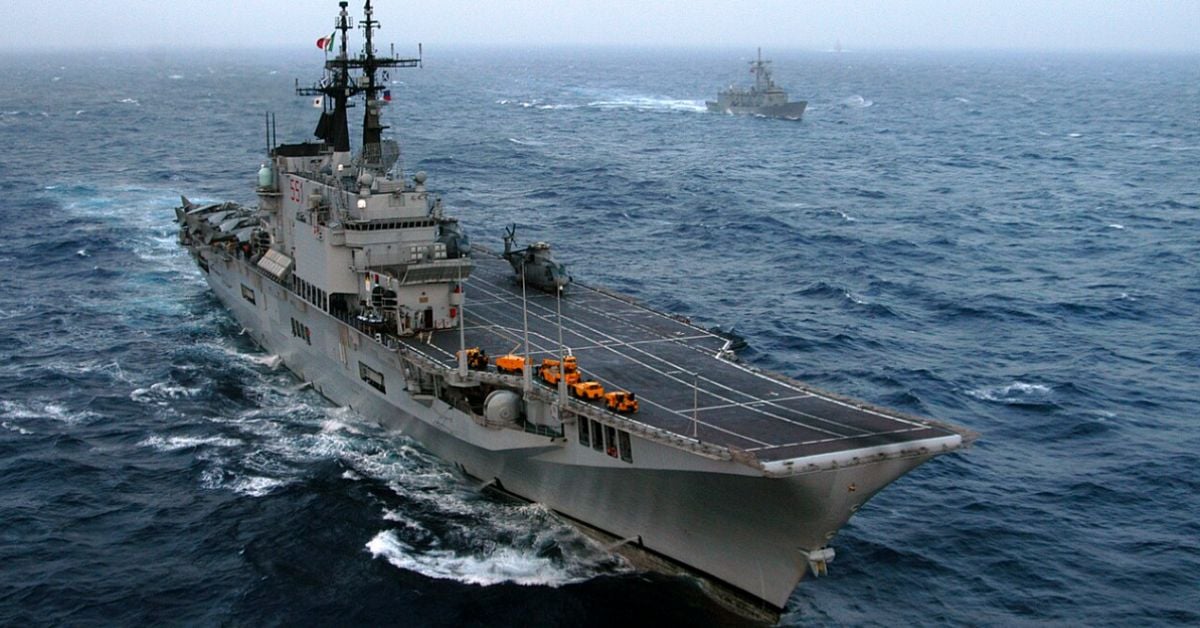
Indonesia Launches First Aircraft Carrier, Signaling Naval Expansion
Indonesia's acquisition of the Giuseppe Garibaldi marks a deliberate step into a more capable maritime posture, transforming a retired Italian carrier into its first aircraft carrier. This is not merely a hardware purchase; it is a statement of regional intent, validated by the ship's proven design. The move aligns with broader naval ambitions seen across Asia, from India's projected fleet growth to Russia's icebreaker investments. For Indonesia, the Garibaldi offers measurable power projection, yet its real value will depend on integrated operations and crew readiness.
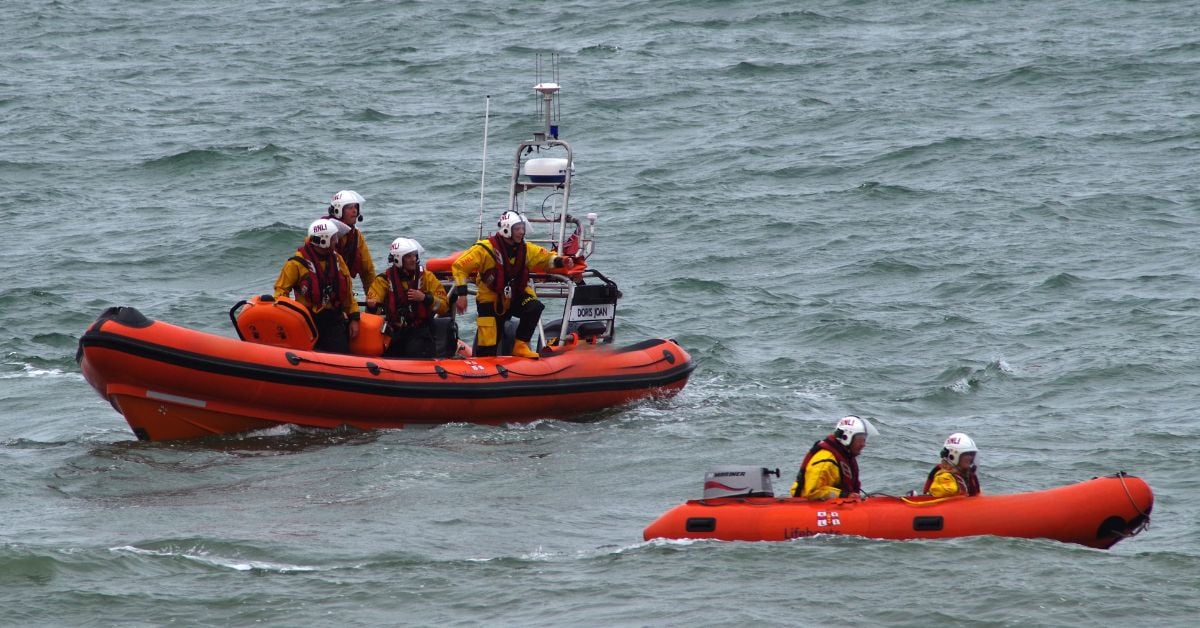
Recovery Efforts Underway for Capsized Indonesian Ferry, 129 Still Missing
The Java Sea recovery operation is now moving with deliberate precision as authorities prepare to right the capsized ferry, a necessary step in accounting for the 129 still missing. Six lives have been lost, and each hour matters. The operation demands the same empirical rigor we apply to any maritime investigation: calibrated, methodical, and transparent. This is not a spectacle; it is a responsibility.
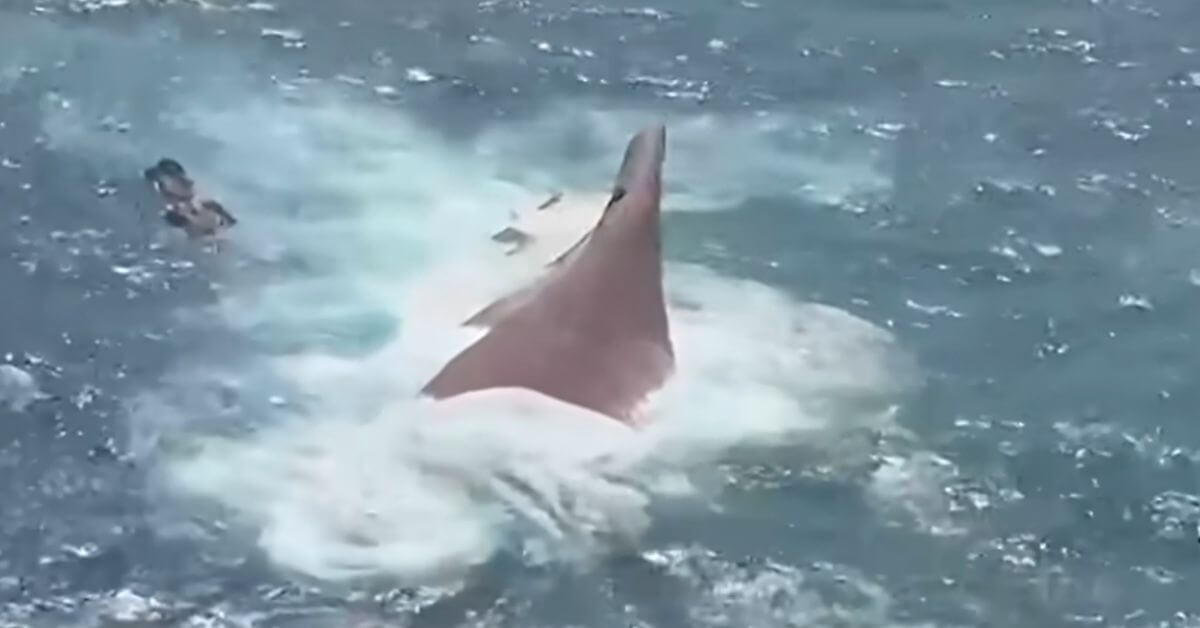
Long Wait, Perilous Seas: Search Continues for Missing After Ferry Incident
The search for the 129 people still missing after the ferry incident pressed on Tuesday, with rescuers battling rough seas and strong winds. This is a grim reminder that the ocean's mercy is not granted easily. The conditions are unforgiving, and every hour matters. Our thoughts are with the families enduring this agonizing wait. For more on maritime dangers, see our coverage of the bulk carrier freed near Gladstone. The sea spares no one, and the work of finding answers is far from over.
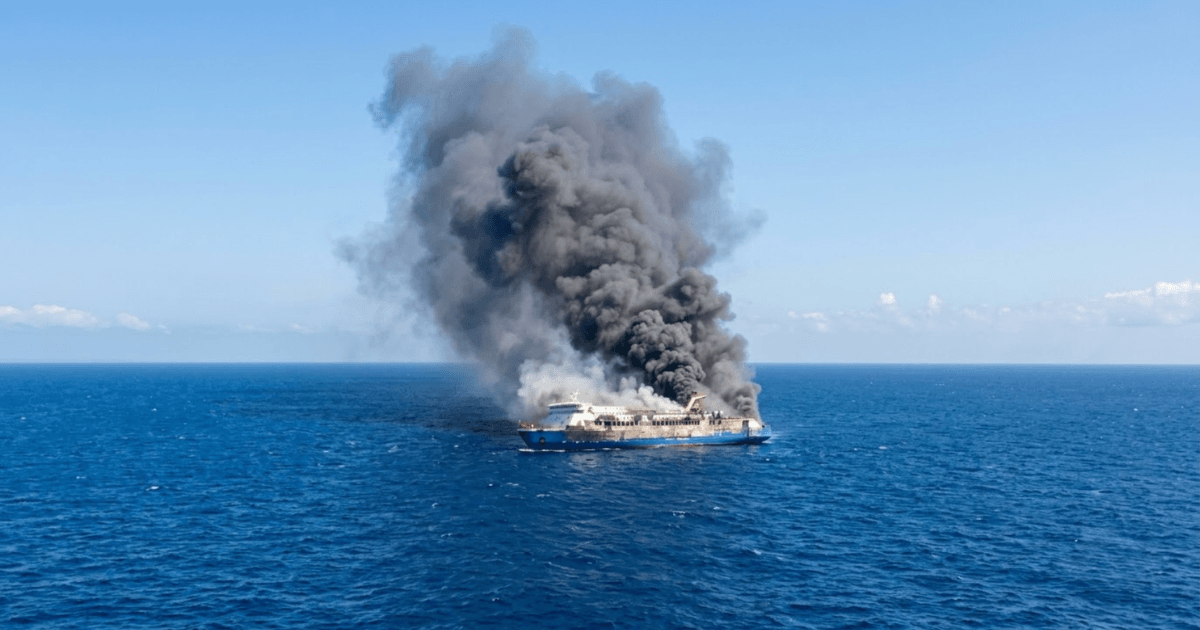
Search Intensifies as Ferry Sinking Leaves 140 Missing in Java Sea
A ferry lost contact in the Java Sea, leaving 140 people missing and one confirmed dead. Indonesian search teams have evacuated 103 of the 243 passengers aboard the *Virgo Transport 8*, but the operation intensifies as hours pass. Each maritime incident demands rigorous, empirical analysis to improve safety protocols. Understanding drives protection. For deeper context on recent shipping dangers, see our coverage of the cargo ship fire near Mykonos.
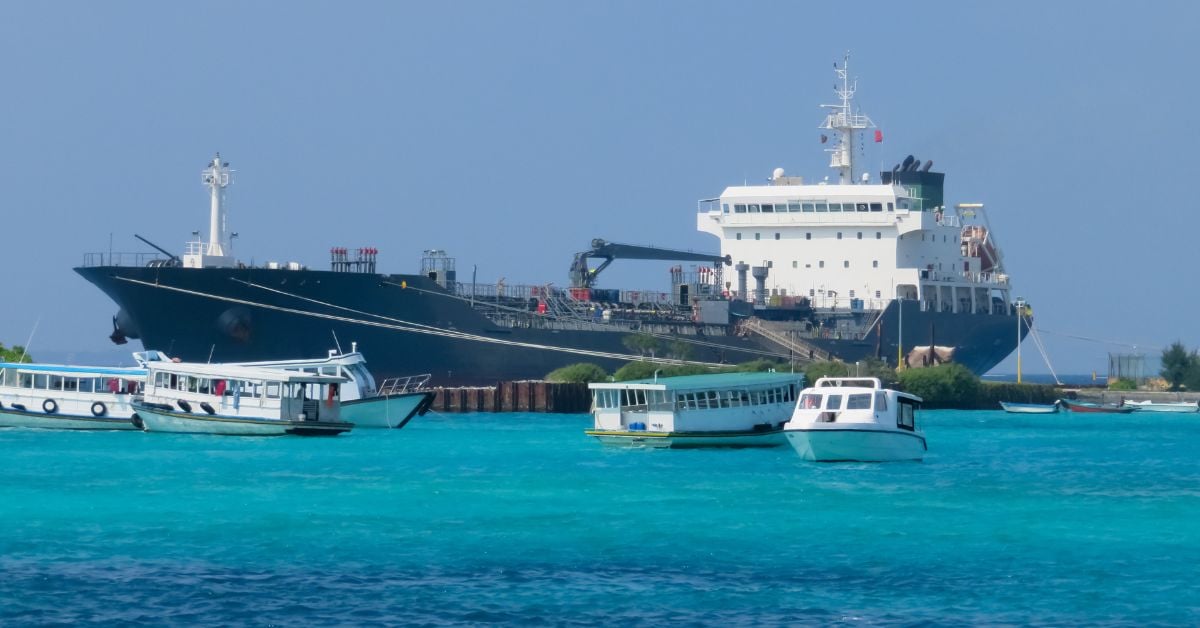
Chemical Spill and Fire Result in Fatal Loss at Sea Near Sulawesi
A chemical spill and fire aboard a ship off Indonesia's southeast Sulawesi province has resulted in the deaths of two crew members, a stark reminder that the sea's perils extend beyond weather and navigation. The vessel, carrying chemicals and equipment, turned deadly in moments. Each incident like this, whether it is a fatal attack near Oman or a sinking transport, underscores the same truth: operational safety remains a fragile line. We cover these losses because understanding them is the first step toward prevention.
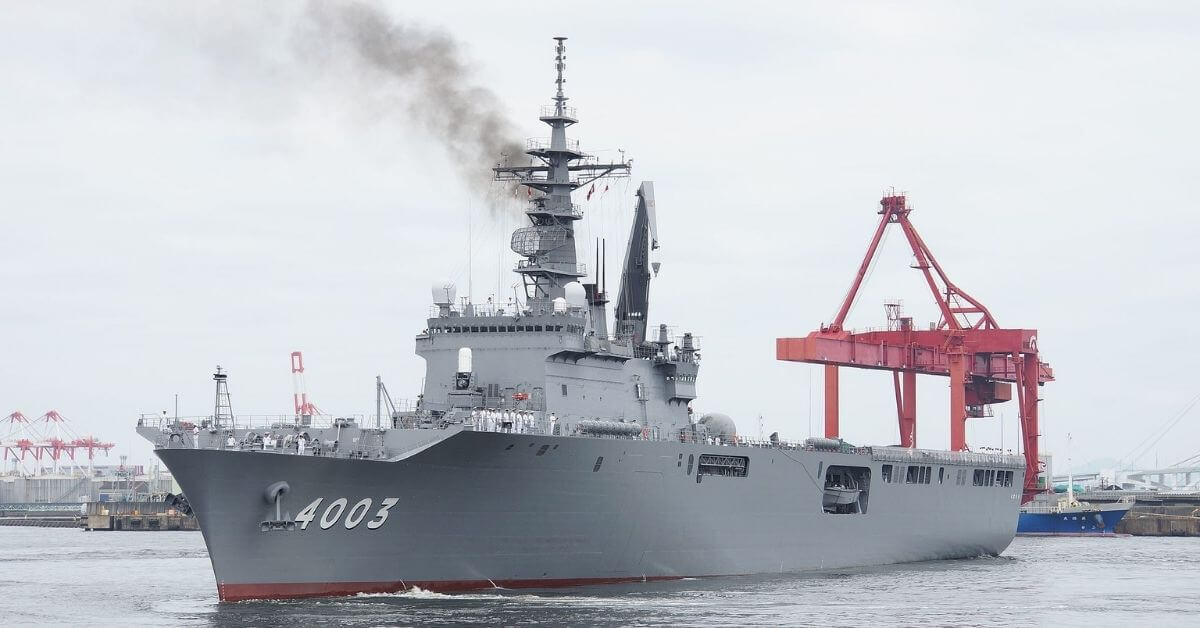
Japan's Kunisaki Shipheads to Indonesia for Critical Firefighting Support.
At 9:30 a.m. on Aug. 30, Japan's Kunisaki departed for Indonesia, carrying critical firefighting support across the Pacific. The Defense Ministry projects a one- to two-week transit, a timeline that speaks to the urgency of the mission. This is what coordinated ocean stewardship looks like: measured, deliberate, and responsive. For readers tracking regional maritime challenges, our coverage of the KM Virgo Transport 8 sinking offers further context on Indonesia's ongoing search efforts.

Maritime Interdiction: Indonesian Authorities Seize Major Methamphetamine Shipment
Indonesian authorities intercepted 2.6 tons of liquid methamphetamine aboard a Tanzanian-flagged vessel in Riau waters, a significant strike against regional trafficking networks. The seizure underscores the value of persistent maritime surveillance, where open-water routes remain a favored corridor for illicit cargo. Enforcement actions like this are measurable wins, yet they also highlight the scale of the challenge facing coastal states.

Family Fishing Fades: Generational Shifts Reshape Philippine Livelihoods
In the Philippines, 68.4% of fishers' co-resident sons no longer follow their fathers onto the boat, a dissolution of hereditary livelihood measured across 1.04 million father, son pairs. This is not a simple story of decline; it is one of unequal exits. Where outside options are scarce, continuity persists, but the single largest destination for these sons is statistical invisibility, a residual that quietly exceeds that of farmers' sons by five percentage points.

Subsea Cable Faults Prompt Australian Investigation of Potential Damage
Two subsea communication cables off Perth have failed in quick succession, and Australia's Federal Police is now assessing a report of criminality. That is a serious step, and it signals that authorities are not treating this as routine infrastructure strain. Sabotage is not confirmed, but the pattern warrants scrutiny. Vessels transiting these corridors have become a known risk, as recent coverage of Russian drone activity in the Mediterranean reminds us.

Ferry Fire Near Bali: Search Underway for Missing Passengers
A ferry fire off Bali's coast has triggered a search for missing passengers, a stark reminder that maritime safety remains a fragile promise in crowded waters. The Putri Yasmin caught fire around 4:15 a.m. while crossing from Bali to Lombok, and every hour complicates the calculus of rescue. This incident echoes the recent tragedy on Lake Tanganyika, where dozens perished, underscoring how quickly routine voyages turn perilous. We track these events because ocean intelligence demands accountability, not just data.

Naval Drills Near Taiwan Prompt Condemnation from Taipei
Taipei has condemned China's plan to stage naval drills with an Indonesian warship off the island's east coast, a move that sharpens an already tense maritime posture. The exercises signal Beijing's willingness to project force in contested waters, and that warrants a measured, empirical response from regional partners. For readers tracking how such maneuvers intersect with broader logistics, our related piece on Gulf of Oman STS transfers offers useful context on parallel pressures.
Coastal Echoes: Exploring Abandonment and Discovery in North Sulawesi
An abandoned seaside building in North Sulawesi is more than a relic; it is a quiet classroom. For someone new to oceanography, this discovery offers a tangible entry point into coastal observation, where every structure reshaped by salt and tide holds data. The community's shared expertise can transform curiosity into calibrated understanding. While our recent coverage, such as the bulk carrier grounding near Gladstone, highlights maritime risk, this find reminds us that discovery often begins where human presence recedes.
Coastal Legacy: Documenting Abandonment and Change in North Sulawesi.
Abandoned structures along North Sulawesi's coastline tell a quiet story of shifting shores and human retreat. This documentation captures what remains as communities adapt to a changing sea, offering a measurable record of erosion and neglect. It is not a eulogy but a baseline, essential for future climate indicators. For a broader view of maritime challenges, our coverage of the bulk carrier freed near Gladstone, Australia, shows how coastlines test both infrastructure and patience. Understanding drives protection, and this work delivers that understanding.

Search Efforts Continue for Missing After Ferry Fire Near Indonesia
The search continues off Indonesia's Madura Island, where the ferry Mutiara Sentosa 2 caught fire, leaving five dead and 41 missing. Each hour at sea complicates the rescue, yet the operation remains methodical. Vessel fires demand swift, calibrated response, and this one is no exception. We've tracked similar maritime emergencies, such as the cargo ship fire near Mykonos, which underscores how quickly onboard crises escalate. For now, our focus stays on the crews, the families waiting, and the hard data still emerging from the water.

Tugboat Sinks in Indonesian Waters; Crew Rescued Amid Severe Weather
When a tugboat crew in Indonesian waters severed their towline in an attempt to regain control amid severe weather, the vessel remained perilously unstable. Their rescue underscores a reality we track closely: the ocean does not forgive miscalibration. This incident is a stark reminder that integrated data ecosystems, like those enabling the swift response detailed in our coverage of the *Ocean Data Enables Swift Rescue of Injured Seafarer Near Andamans*, are not optional. They are essential for operational safety.
Bridging Research and Collaboration: Marine Science Opportunities in Indonesia
A Fulbright research grant is a commitment to shared understanding, and for this student, it starts with a practical problem: securing a sponsor. The visa requires a named partner, even when funding is self-arranged. This is a common hurdle, but one that demands creative networking. The request is straightforward, and the solution lies in connection. For those in Indonesian marine science, your networks are the bridge. We recommend reading *Bridging Data Gaps: Integrating Citizen Science for Ocean Intelligence* for related context on collaborative research.

Safeguarding Seas: IMO Council Underscores Navigation and Seafarer Safety.
The IMO Council closed its 137th session by reaffirming what should never be negotiable: the right to safe passage. Safeguarding Seas: IMO Council Underscores Navigation and Seafarer Safety reflects a measured, necessary stance amid rising geopolitical friction. Navigation rights are not abstract; they are the backbone of global trade and humanitarian access. The Council's clarity is welcome, especially as pressure on chokepoints intensifies.

Following Dolphins: Unidentified Sharks Observed in Raja Ampat
Four small sharks shadowed a pod of dolphins through Raja Ampat's blue water, yet their dorsal fins carried no white edge. The observer's first guess, grey reef sharks, now feels uncertain, and they are right to question it. Silky sharks are a plausible call, though juvenile scalloped hammerheads also fit the bill. Field identification rewards this kind of scrutiny, the difference between assumption and evidence.