naval
naval at World Data Ocean is a file of 7 stories. The newest of them: “Italy Advances Naval Capabilities with $4.2 Billion DDX Destroyer Contract”, “Indonesia Launches First Aircraft Carrier, Signaling Naval Expansion”, and “Escalating Tensions: Iran Issues Warnings to Tanker Crews in Persian Gulf”. Italy's naval modernization advances with a $4.2 billion contract for the DDX destroyer, awarded to Orizzonte Sistemi Navali by OCCAR. Indonesia's acquisition of the Giuseppe Garibaldi marks a deliberate step into a more capable maritime posture, transforming a retired Italian carrier into its first aircraft carrier. A Global Hub for Ocean Intelligence 4 World Data Ocean is a centralized digital platform where researchers, scientists, and ocean enthusiasts converge to… The list below is every naval story on World Data Ocean, newest first.
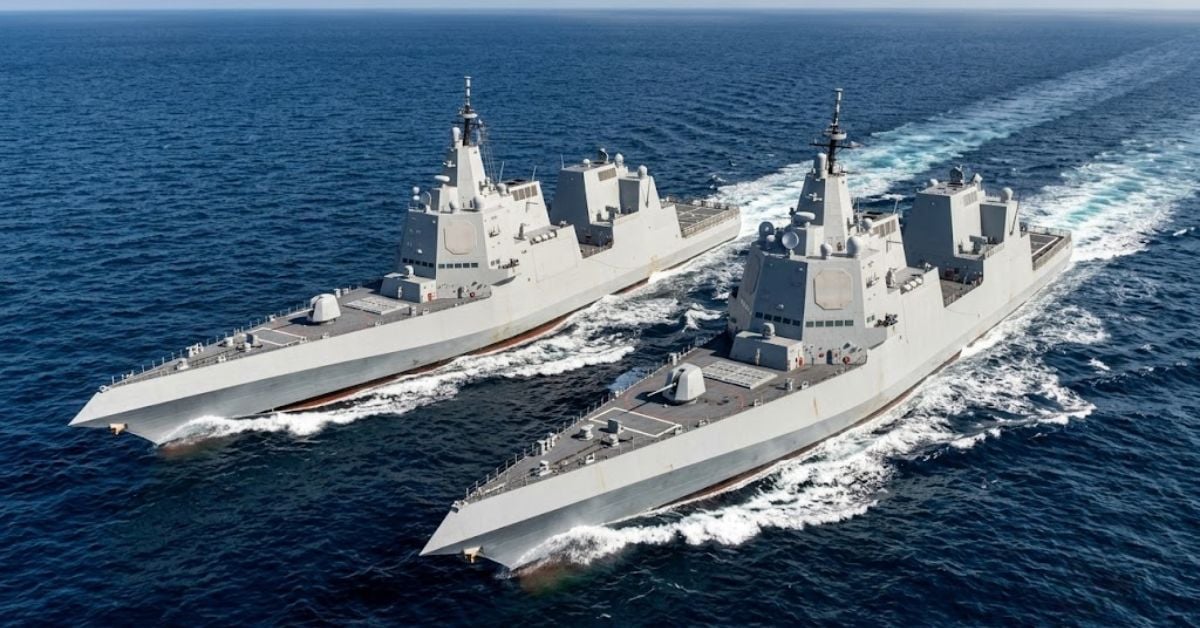
Italy Advances Naval Capabilities with $4.2 Billion DDX Destroyer Contract
Italy's naval modernization advances with a $4.2 billion contract for the DDX destroyer, awarded to Orizzonte Sistemi Navali by OCCAR. This investment signals a clear, measurable commitment to maritime capability, built on validated engineering and long-term strategic planning. The DDX program aligns with broader efforts across European fleets to strengthen integrated naval power, from the Mediterranean to the North Sea. For context on sustainable platforms, see our piece on Viking Astrea's hydrogen propulsion.
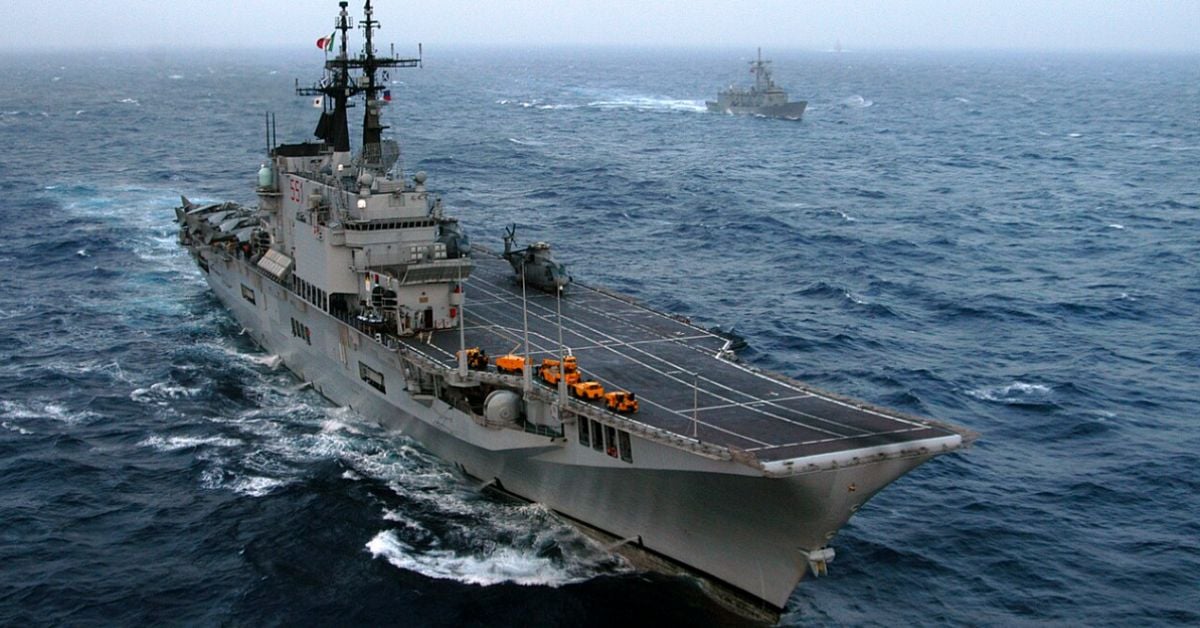
Indonesia Launches First Aircraft Carrier, Signaling Naval Expansion
Indonesia's acquisition of the Giuseppe Garibaldi marks a deliberate step into a more capable maritime posture, transforming a retired Italian carrier into its first aircraft carrier. This is not merely a hardware purchase; it is a statement of regional intent, validated by the ship's proven design. The move aligns with broader naval ambitions seen across Asia, from India's projected fleet growth to Russia's icebreaker investments. For Indonesia, the Garibaldi offers measurable power projection, yet its real value will depend on integrated operations and crew readiness.
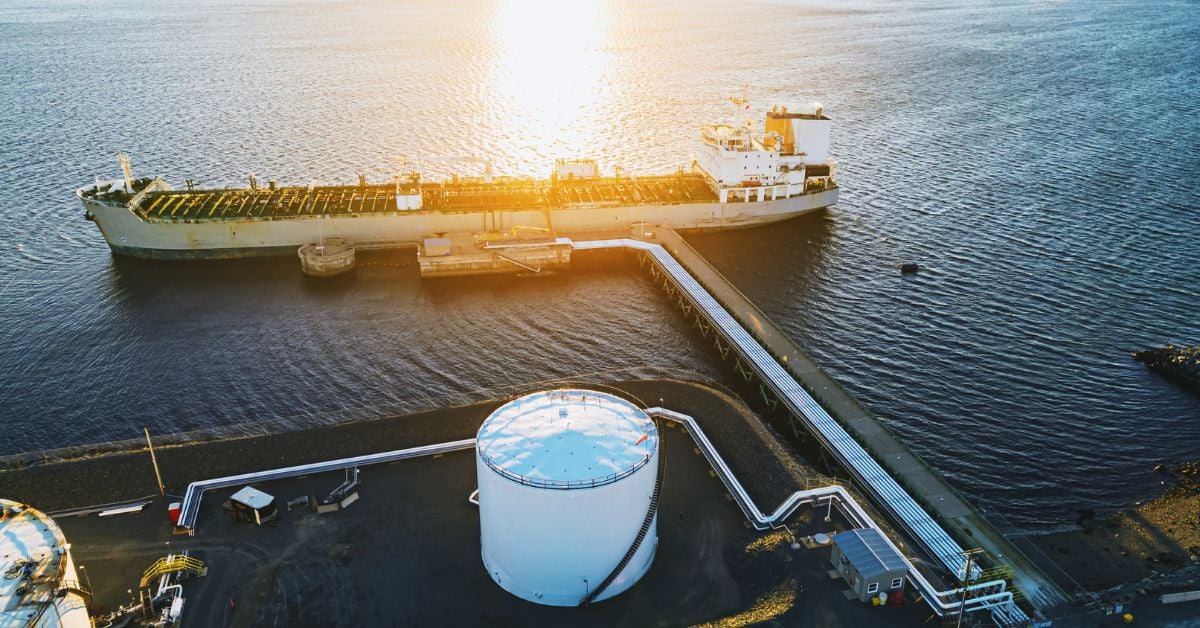
Escalating Tensions: Iran Issues Warnings to Tanker Crews in Persian Gulf
Iran's Islamic Revolutionary Guard Corps Navy has warned tanker crews near Kuwaiti and Bahraini ports to abandon their vessels. This escalation injects measurable risk into an already volatile Persian Gulf. Regional maritime stability is not a theoretical concern, it is a climate indicator of geopolitical friction. For deeper context on how such tensions intersect with energy routes, see our related coverage on "Phased Negotiations Aim to Ease Restrictions on Strait of Hormuz." Understanding these pressures is essential for calibrating both security and environmental responses.
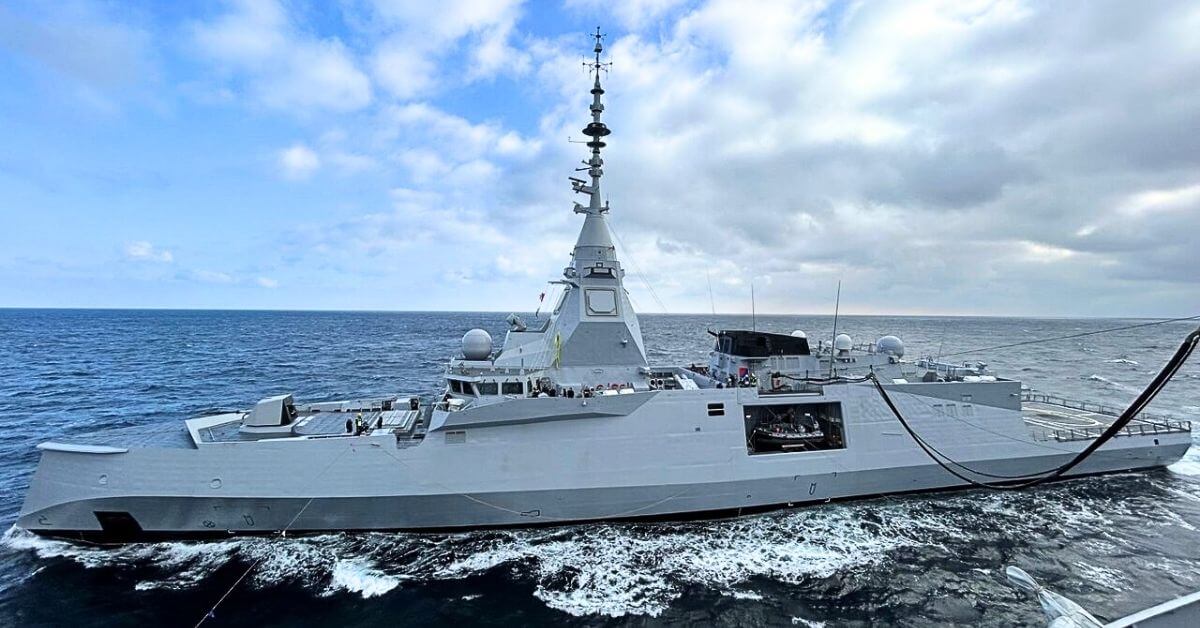
Sweden Bolsters Naval Capabilities with Acquisition of Four Advanced Frigates
Sweden's decision to acquire four advanced frigates marks a measured step toward a stronger naval presence, with the first delivery slated for 2030. These vessels will become the largest in the Swedish fleet, a practical response to shifting maritime realities. The investment signals patience and precision, not panic. For readers tracking parallel developments in naval strategy, our coverage of Russia's Northern Sea Route icebreaker plans offers useful context. Sweden is building capacity deliberately, and that intent is worth watching.

Extended Deployment: Abraham Lincoln Carrier Highlights Naval Endurance at Sea
The Abraham Lincoln's extended deployment underscores the US Navy's capacity for endurance when strategic demands require it. While six to nine months is the standard, conflict-driven extensions are a calculated reality, not a failure of planning. This is maritime persistence measured in readiness, not rhetoric. For broader context on regional pressure points, our related piece on Gulf of Oman STS transfers outlines how operational tempo shifts elsewhere. The carrier's longevity at sea remains a practical demonstration of sustained naval power.

Naval Deployment Bolsters U.S. Enforcement of Maritime Restrictions in the Middle East
The U.S. Navy's forward deployment in the Middle East sharpens the teeth of maritime enforcement, with CENTCOM confirming warships are now supporting "strict enforcement" of the blockade against Iran. This is measured, calibrated pressure, not saber-rattling. It signals a firm commitment to contested waters where commercial traffic and geopolitical friction converge. For readers tracking the region's fluid energy flows, the adjacent reporting on Gulf of Oman STS transfers offers useful context on how these restrictions ripple through real-time trade routes.

Attack on Cargo Ship Highlights Risks to Vital Grain Exports
Three Russian cruise missiles struck the Golden Leo, a cargo ship carrying corn, shortly after it departed Odesa, Ukrainian officials reported. This attack on a vital grain export route is not just an assault on a vessel; it is a calculated disruption of global food supply. The sea must remain open for commerce, not closed by aggression.