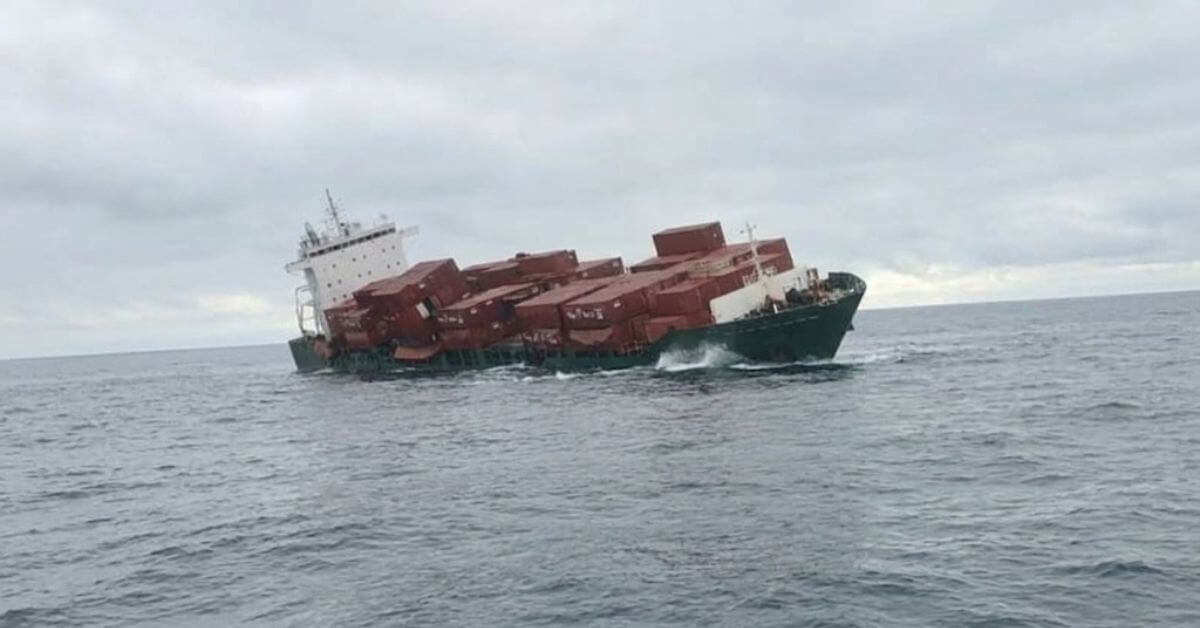
The sinking of the container ship M/V Contship Jet by maritime drones in the Black Sea is a grim validation of a trend we have long tracked: civilian vessels are now direct targets in modern conflict, with seafarers bearing the human cost. The rescue of the 14 Filipino crew members, who spent two to three hours in the water after their captain ordered them to jump, is a testament to their discipline and the swift coordination of the Bulgarian Navy. But this story is not merely a rescue narrative; it is a data point in an increasingly dangerous operating environment for the global maritime workforce. As we noted in our coverage of Securing the Global South's industrial future demands safety for civilian vessels at sea, the safety of these ships is inseparable from the industrial ambitions of the nations that crew them.
The practical implication for our readers, whether you are a policymaker, a shipping executive, or a researcher, is that the risk profile for seafarers has shifted permanently. Three maritime drones hit the vessel on October 28 while it was voyaging from Israel to Romania. This is not a stray mine or a warning shot; it is a coordinated, multi-vehicle attack on a commercial asset. The crew's survival depended on immediate action and external rescue assets, not on any structural protection the vessel could provide. This incident must be integrated into the empirical models we use to calculate risk for shipping lanes, crew insurance, and route planning. The fact that the other four crew members were from Ukraine adds a layer of geopolitical complexity that cannot be ignored in any risk assessment.
The Philippine government's response, dispatching a labor officer from Budapest, arranging medical and psychological debriefings, is appropriate and necessary. Yet the broader question remains unanswered: what systemic protections exist for these workers when they return to sea? The validated annual data we analyzed in Mental Health Risks for Young Seafarers Double in Validated Annual Data shows that psychological strain among young seafarers is not a secondary concern but a primary, measurable risk. The crew of the Contship Jet survived a drone attack and a two-to-three-hour immersion in the Black Sea. Their mental health will require longitudinal support, not just a single debriefing. The industry must calibrate its duty of care to match the reality of these new threats.
This event also highlights a specific, unresolved tension: the same technology that enables real-time ocean intelligence can be weaponized against the vessels that carry global trade. The Reuters-verified video showing a sea drone running alongside the hull before turning into it is a chilling demonstration of precision. For the Global South, which depends on these shipping lanes for industrial growth, the cost of insecurity is measured in disrupted supply chains and endangered lives. As we saw in the Rescue of all 10 crew confirmed after cargo ship sinks off Cyprus, these incidents are not isolated. The open question for our readers is this: will the international community treat the targeting of civilian vessels as a systemic threat requiring calibrated, integrated maritime security protocols, or will it continue to respond on a case-by-case basis, leaving seafarers to bear the risk? The answer will determine whether the Contship Jet is remembered as a warning or a turning point.