india
41 stories filed under india on World Data Ocean. The newest of them: “Charting a Career in Ocean Science Beyond Academia and Research”, “Tracking the nations with the largest share of historical CO₂ emissions”, and “Divergent population trajectories reshape global climate indicators”. Ocean science careers extend far beyond the lab or lecture hall, and that is a fact worth validating. A small number of nations account for the vast majority of historical CO₂ emissions. A Global Hub for Ocean Intelligence 4 World Data Ocean is a centralized digital platform where researchers, scientists, and ocean enthusiasts converge to… The list below is every india story on World Data Ocean, newest first.
Charting a Career in Ocean Science Beyond Academia and Research
Ocean science careers extend far beyond the lab or lecture hall, and that is a fact worth validating. A BSc opens doors to roles in environmental consulting, policy analysis, and the private sector, fields where empirical data on climate indicators drives real-world decisions. Skills in data calibration, integrated monitoring, and peer-reviewed analysis are measurable assets. For deeper context on how climate data informs global action, see our piece on China's electric vehicle acceleration for measurable climate indicators.
Tracking the nations with the largest share of historical CO₂ emissions
A small number of nations account for the vast majority of historical CO₂ emissions. The United States leads, followed by the broader European Union and China, yet cumulative responsibility looks very different from annual rankings. This distinction matters for climate equity. Understanding these validated, empirical differences in contribution is essential for calibrating global action. For a complementary perspective on how economic pressures reshape regions, see our related piece on uneven house price surges across EU member states.
Divergent population trajectories reshape global climate indicators
India, China, Europe, and the United States are charting profoundly different demographic futures, and these divergent population trajectories are reshaping global climate indicators. As some nations age and others grow, the pressure on resources and emissions shifts in measurable ways. Understanding these calibrated, real-time changes is essential. For deeper context, our piece on the aging global population doubling by mid-century explores how these demographic shifts are reshaping coastal systems.
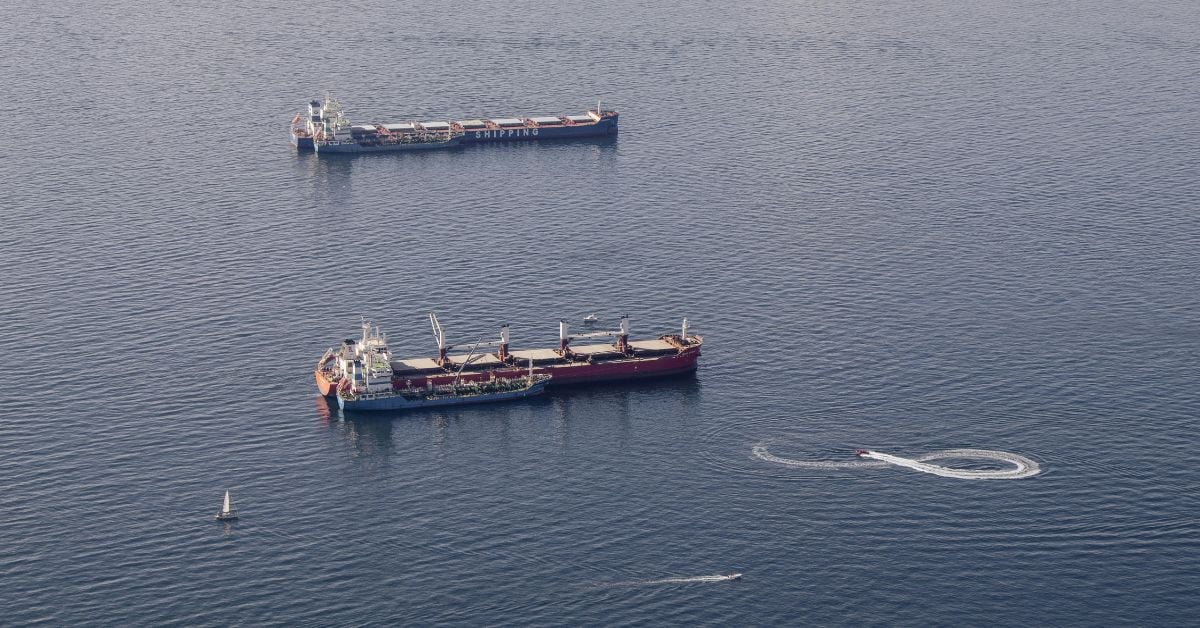
India Proposes Measured Maritime Truce to Protect Black Sea Shipping
India has proposed a measured maritime truce to protect commercial shipping in the Black Sea, offering a three-point framework to de-escalate the Russia-Ukraine conflict. This calibrated diplomatic intervention prioritizes verified cessation of attacks on vessels, a step toward restoring stability in a critical corridor. It is a purposeful move grounded in empirical security concerns. For deeper context on recent threats to seafarers, see our coverage of the drone strikes in the Black Sea that sank a freighter.
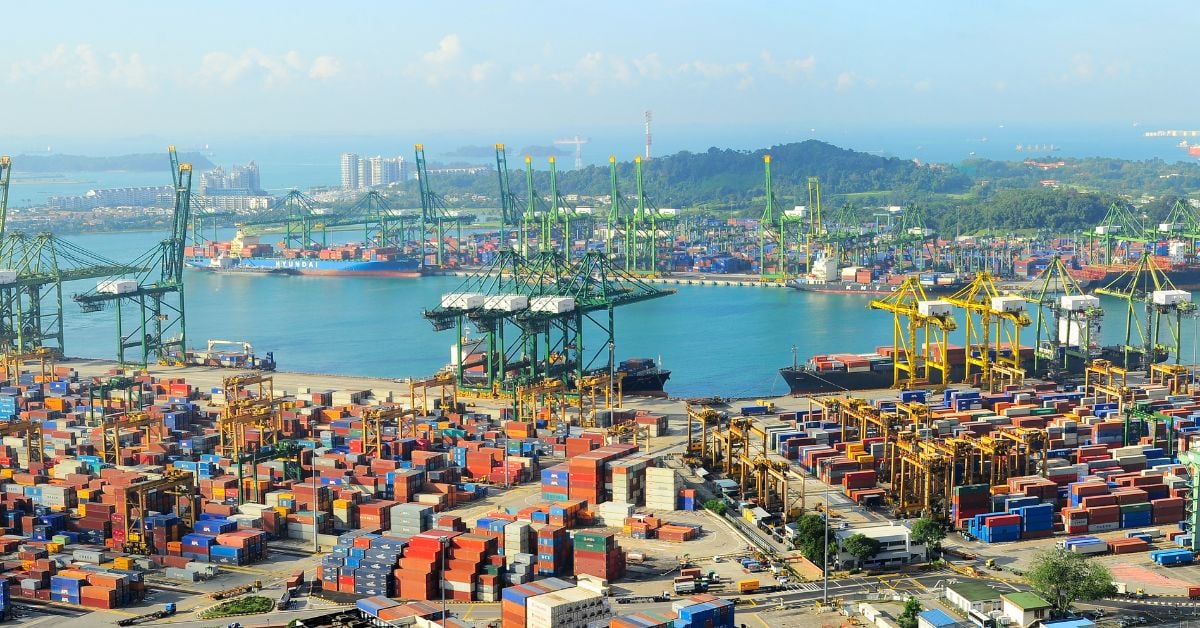
Kandla Port's Record Cargo Day Signals Measured Growth in Ocean Commerce
Kandla Port handled 9,63,951 metric tonnes of cargo in a single day, a national record that signals measured growth, not hype, in ocean commerce. This is empirical progress: real-time throughput validating India's maritime capacity. When infrastructure delivers validated results, it strengthens the entire integrated data ecosystem. For deeper context on global port developments, see our coverage of "A Measured Step Forward for West African Maritime Infrastructure." Understanding drives protection, and records like this one give us data worth tracking.

eDNA maps Nile tilapia invasion across West Bengal freshwater habitats
A single water sample can reveal an entire invasion. Across West Bengal's freshwater habitats, empirical eDNA analysis has now mapped the spread of Nile tilapia with measurable precision. This is not merely a species survey; it is a calibrated early-warning system for ecosystem disruption. The data is validated, peer-reviewed, and actionable. For context on how such environmental intelligence intersects with regional development, see our coverage of the Brahmaputra River cruises. Understanding drives protection.
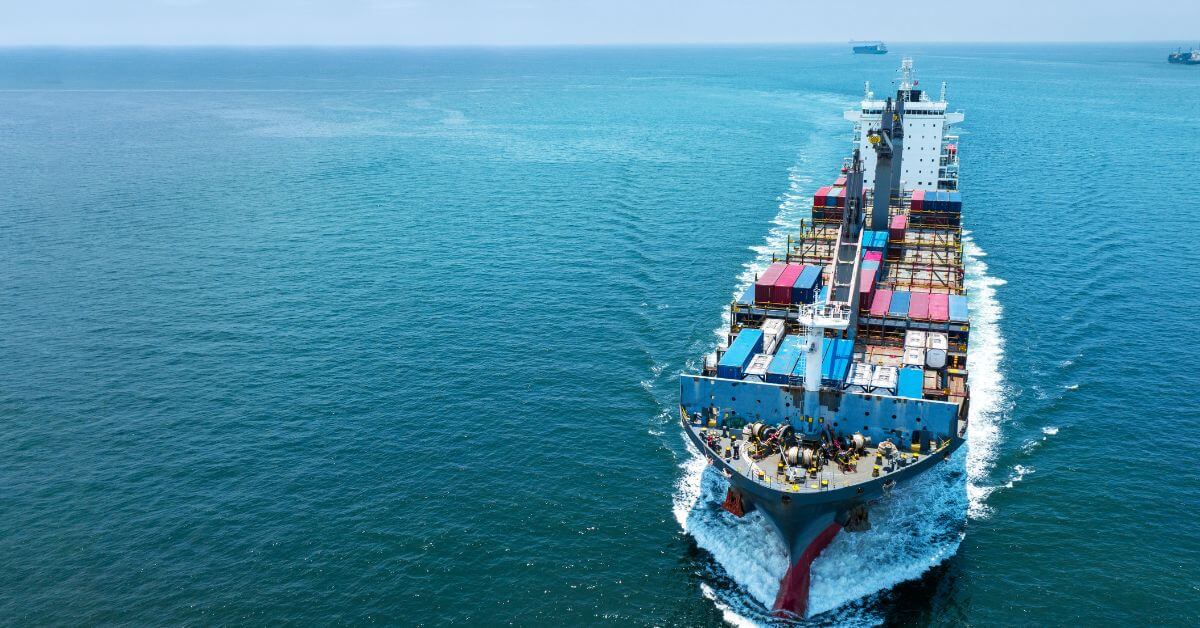
New Coalition Charts Measurable Course for Safer Global Shipping
At the UN headquarters in New York, a new coalition of nations, the Group of Friends on Safety and Security of Shipping and Seafarers, has launched. This is not abstract diplomacy. It is a coordinated, measurable effort to protect the people and routes that move 90% of global trade. We track climate indicators rigorously; we should apply the same empirical standard to maritime safety. For deeper context on how ocean transit intersects with emissions, see our related piece on measured food transport data.
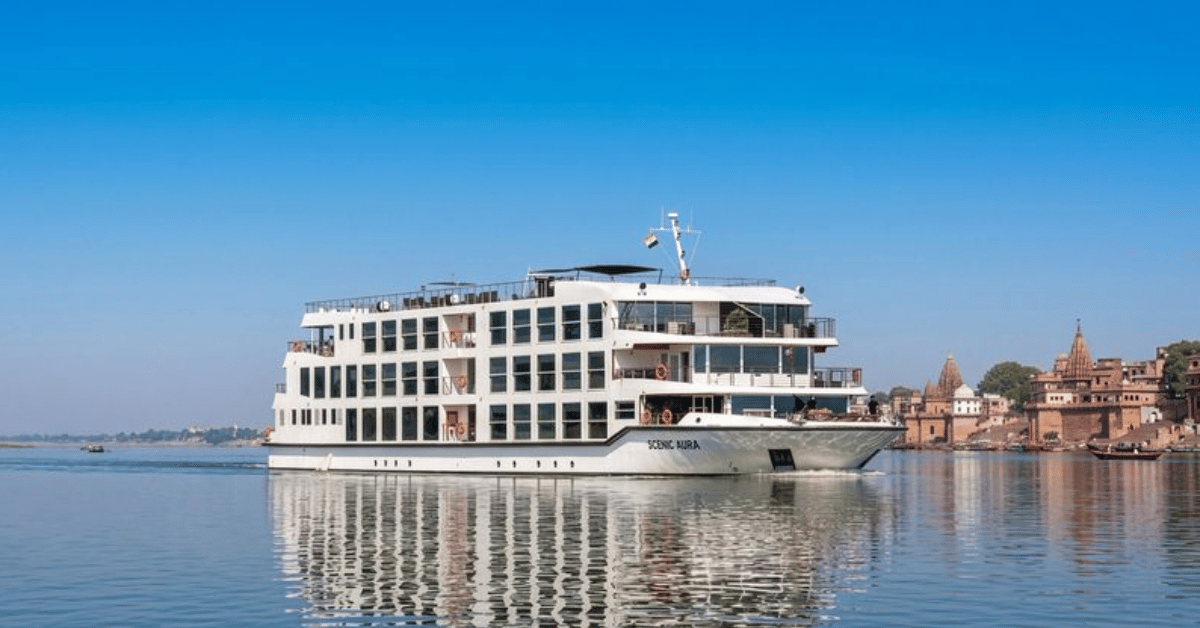
Brahmaputra River Cruises Expand With Two New Ships by 2030
Two new Scenic ships will join the Brahmaputra by 2030, expanding luxury river cruising through a partnership between Scenic Group and Assam Bengal Navigation. This measured investment reflects a growing recognition that inland waterways offer a unique lens for observing climate indicators and regional ecosystems. Readers exploring India's maritime evolution may also find context in our coverage of Paradip Port's designation as a Mega Port, anchoring eastern India's growth.
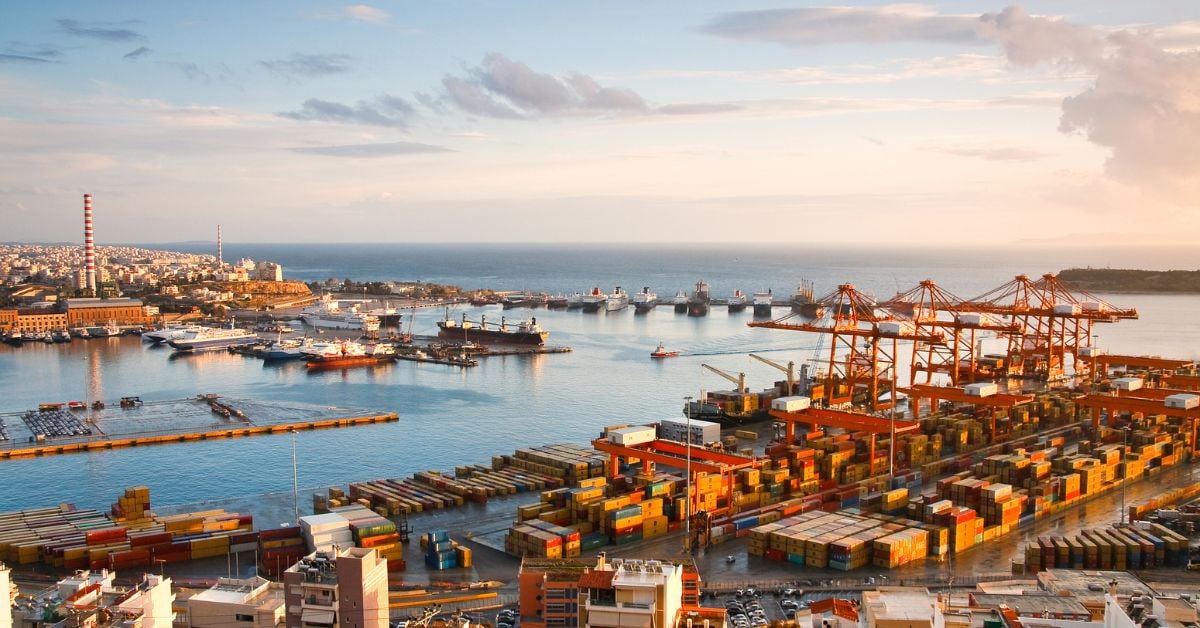
India's first e-methanol plant fuels cleaner shipping on the Asia-Europe corridor
A ₹2,300 crore investment now anchors India's first e-methanol plant, designed to supply cleaner fuel for ships on the Asia-Europe corridor. This is measurable progress, a calibrated step toward decarbonizing one of the world's busiest trade routes. Validated, real-time climate indicators demand such integrated solutions. The project reflects purpose-driven innovation, not hype. For deeper context on maritime welfare, see our coverage of the Seafarers' Welfare Centre approved for Goa's Mormugao Port. Understanding drives protection, from fuel formulation to port infrastructure.
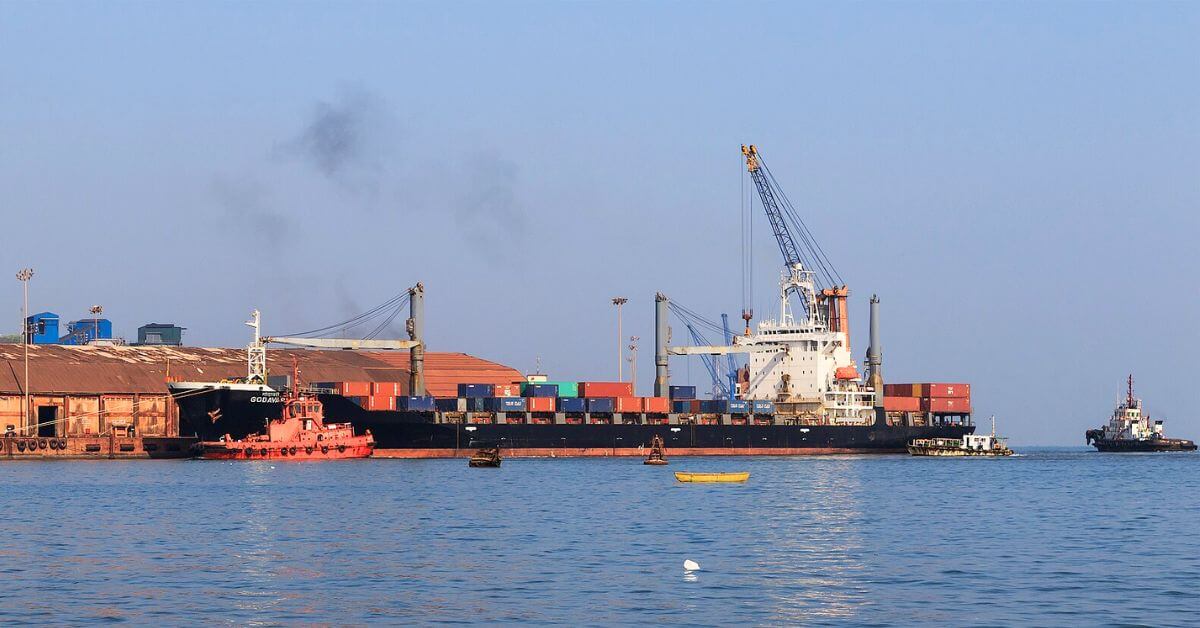
India Approves ₹13 Crore Welfare Hub for Seafarers at Goa's Mormugao Port
India has approved ₹13 crore to establish a Seafarers' Welfare Centre at Mormugao Port in Goa, a decision that speaks directly to the human infrastructure behind global trade. Seafarers often work in isolation, and this hub signals a practical commitment to their well-being. It is a measured investment, but one with tangible impact. For readers tracking India's maritime evolution, this pairs well with our recent coverage of Paradip Port's designation as a Mega Port, reinforcing a broader push toward integrated port-side support.

Integrated Subsea Infrastructure Shifts to Enhance Indian Ocean Connectivity
The Indian Ocean is becoming the new backbone of global data flow, with integrated subsea infrastructure now shifting away from China's route. This move directly benefits India, positioning it as a key hub in a network that carries 99% of the world's data. The strategic realignment is measurable and immediate. For those tracking the region's growing commercial pulse, our related piece on Gulf of Oman STS Transfers Max Out Amid Rising Saudi Oil Exports offers further context on how this ocean's corridors are tightening.
Integrated Subsea Cables Enhance Data Transmission Across the Indian Ocean
The Indian Ocean is becoming the new backbone of global connectivity, with integrated subsea cables now being laid to enhance data transmission across its waters. This route directly benefits India, positioning it as a pivotal hub in a network that carries 99% of the world's data. The shift is pragmatic, moving away from traditional paths to strengthen resilience and speed.
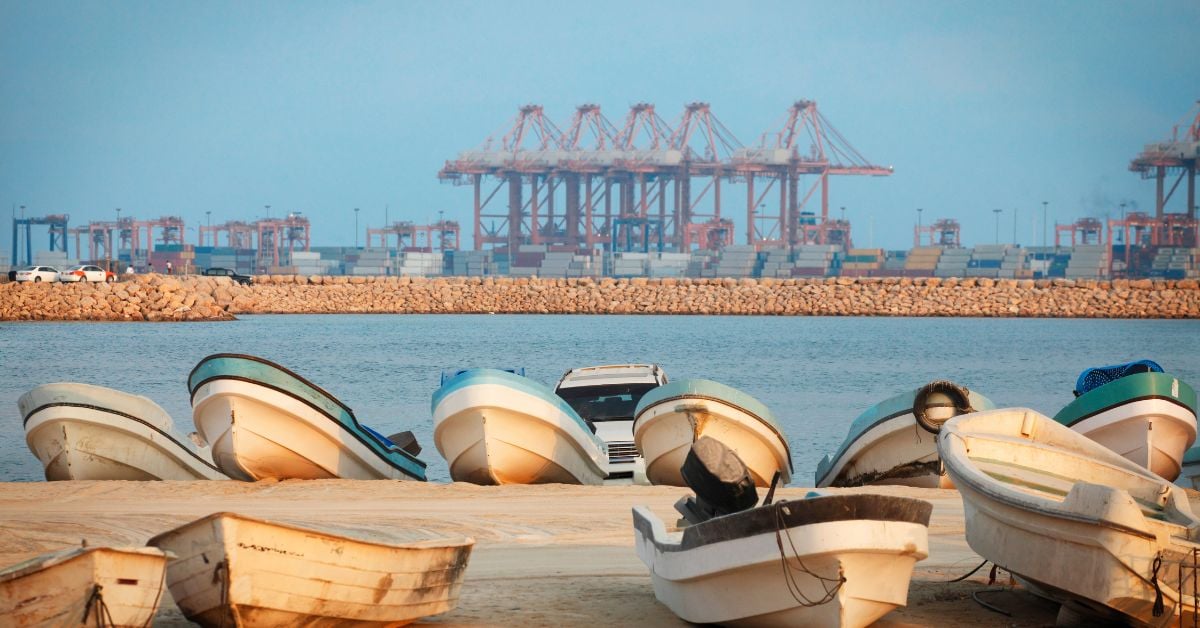
Sohar Port Facilitates Growing Indian Trade Routes to the GCC
Sohar Port has positioned itself as a critical transit point for Indian exports entering the GCC, a role that reflects the broader rebalancing of regional trade flows. The port's capacity to handle this volume signals practical, measurable gains in logistics integration. That matters as Gulf economies diversify. For readers tracking these corridors, our related piece on integrated subsea infrastructure in the Indian Ocean offers useful context on the region's digital backbone. The port's progress is steady, and it anchors a connection worth watching closely.
Navigating PhD Opportunities in Physical Oceanography: Advice for International Applicants
A master's graduate from India, unemployed since May, has attended multiple interviews without an offer. The path to a PhD abroad can feel opaque, but it is navigable. We recommend focusing on faculty research fit over rankings, and leveraging platforms like ResearchGate to initiate direct, respectful contact. For broader context on how ocean data moves globally, our piece "Integrated Subsea Cables Enhance Data Transmission Across the Indian Ocean" offers useful perspective. Persistence, paired with targeted applications, remains the strongest strategy.
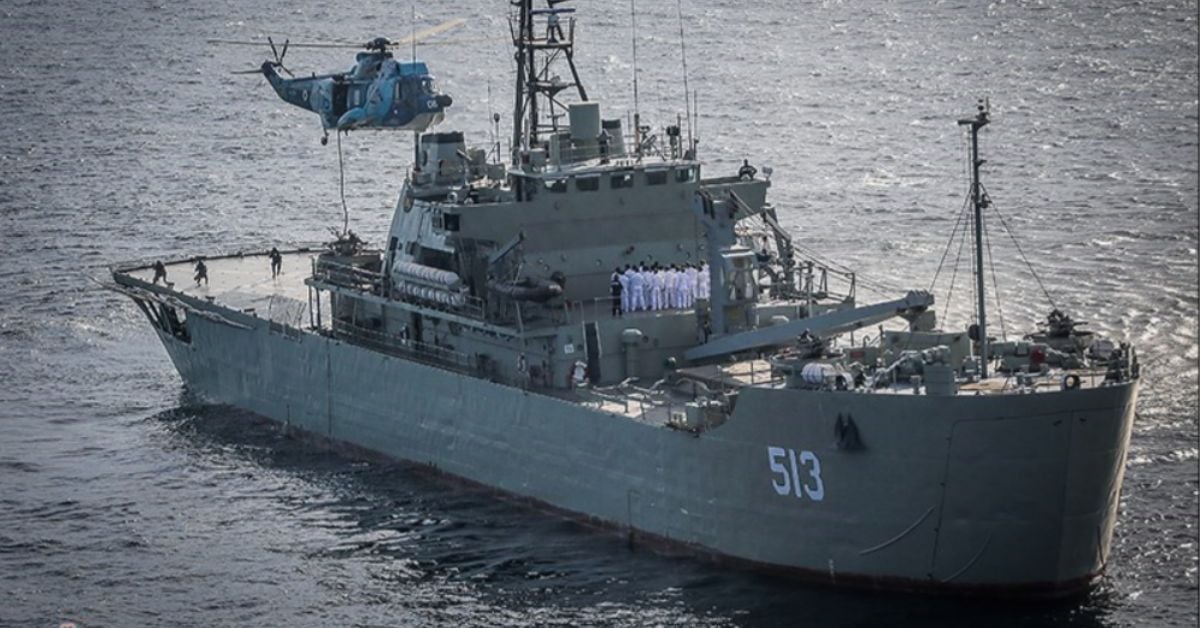
Iranian Warship IRIS Lavan Extended Stay in Indian Port Raises Questions.
Six months after seeking emergency docking, Iran's amphibious landing ship IRIS Lavan remains anchored in India's Port of Kochi. That is not a routine port call; that is a statement. Extended stays carry weight in maritime geopolitics, and this one deserves scrutiny. For readers tracking the region's shifting dynamics, our related piece on integrated subsea infrastructure highlights how the Indian Ocean is becoming a strategic corridor. The Lavan's presence adds a layer to that picture, one worth watching closely.
Leveraging Ship Recycling: A Boost for India’s Domestic Steel Production
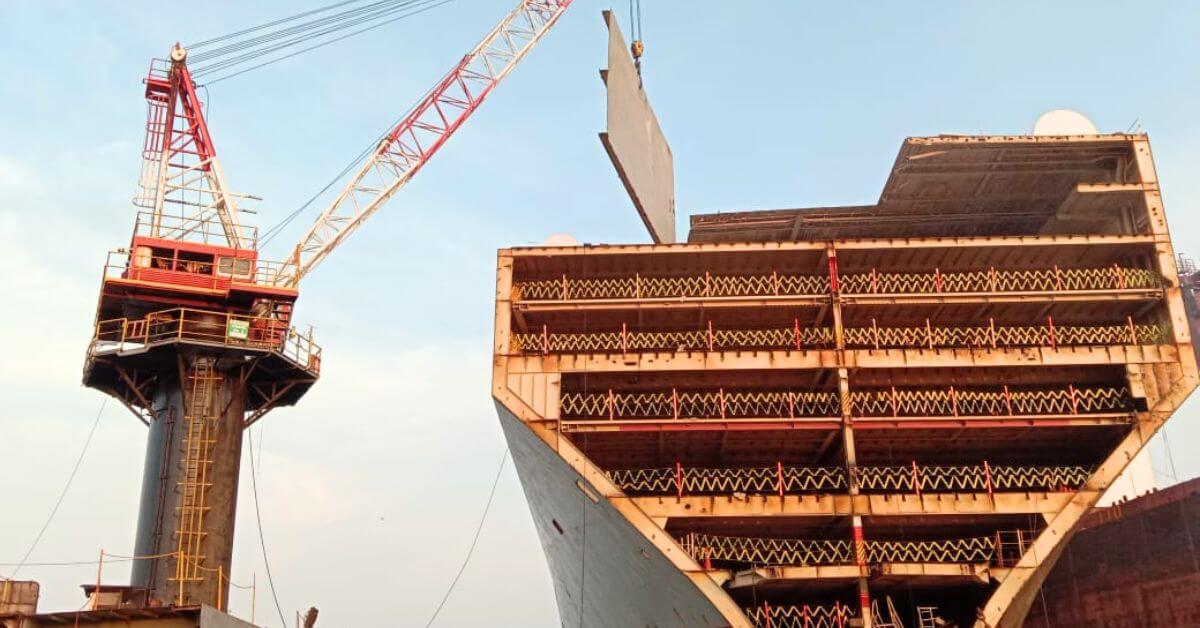
India is turning to a practical source of secondary steel: the hulls of retired ships. Recovered scrap from decommissioned vessels is being directed toward domestic production, a move that strengthens material security while reducing reliance on primary ore. It is a measured, industrial-scale form of recycling, one that aligns with broader efforts to build circular supply chains. For related context on maritime infrastructure, see our coverage of Paradip Port's designation as a Mega Port. The opportunity here is clear, and the timing is right.
Shipping Services Return to Suez Canal Amid Ongoing Risk Assessments
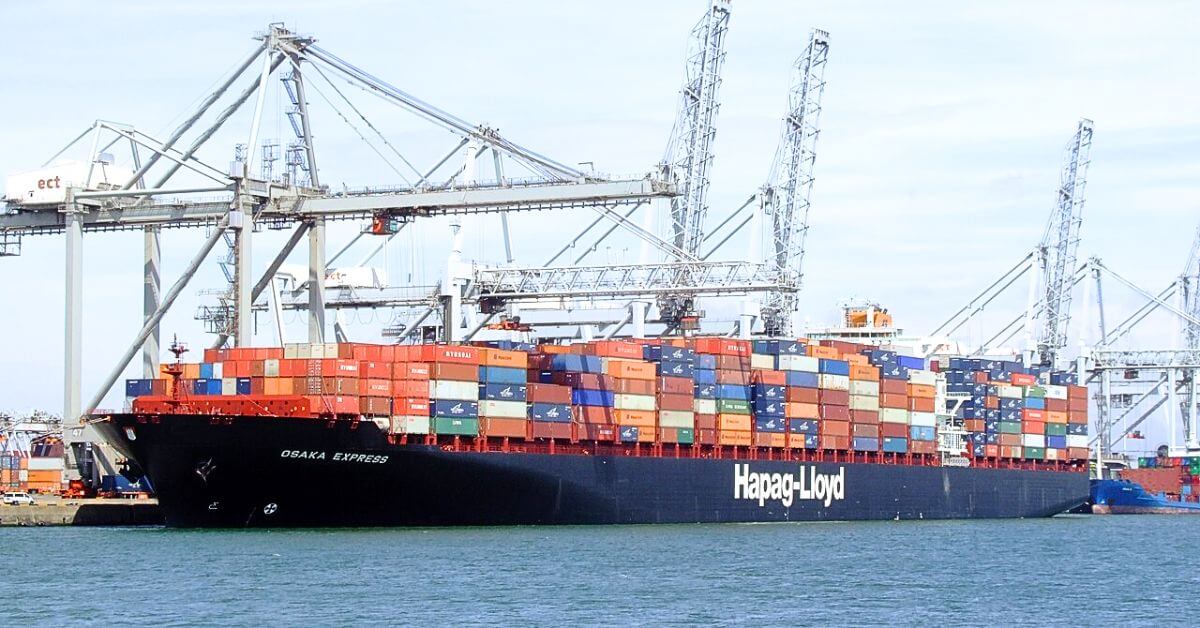
Maersk's decision to reroute four services, AE5, AE11, AE12, and ME2, back through the Suez Canal marks a calculated return, not a careless one. The shift from the Cape of Good Hope reflects ongoing risk assessments that remain unresolved, a measured step rather than a full retreat to normalcy. It is a pragmatic move, grounded in operational data, and we respect that caution.
India Establishes Support Network to Safeguard Seafarers in Conflict Zones
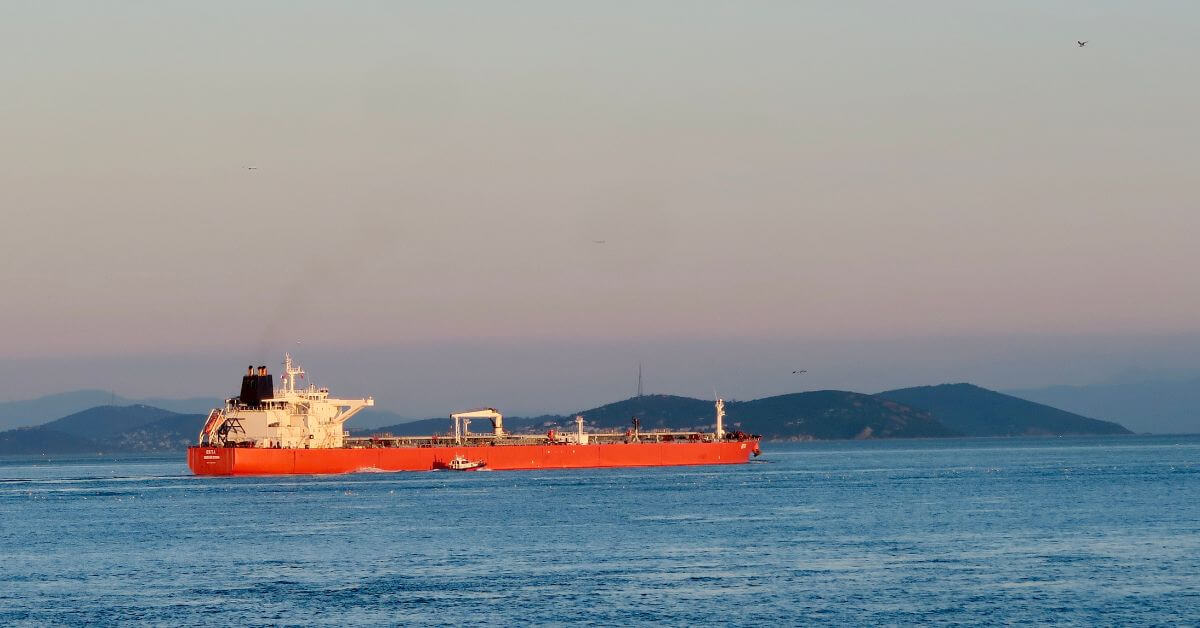
India has moved to protect those who carry global commerce through unstable waters, establishing a support network for seafarers in conflict zones. The initiative addresses distress alerts, medical aid, and family communication during emergencies, practical, measurable safeguards for a dangerous reality. This is a purposeful step, and it aligns with the broader maritime momentum seen in our coverage of Paradip Port's designation as a Mega Port. Protecting the people at sea is as essential as expanding the infrastructure they serve.
Kochi Poised to Become a Global Maritime Services Hub.
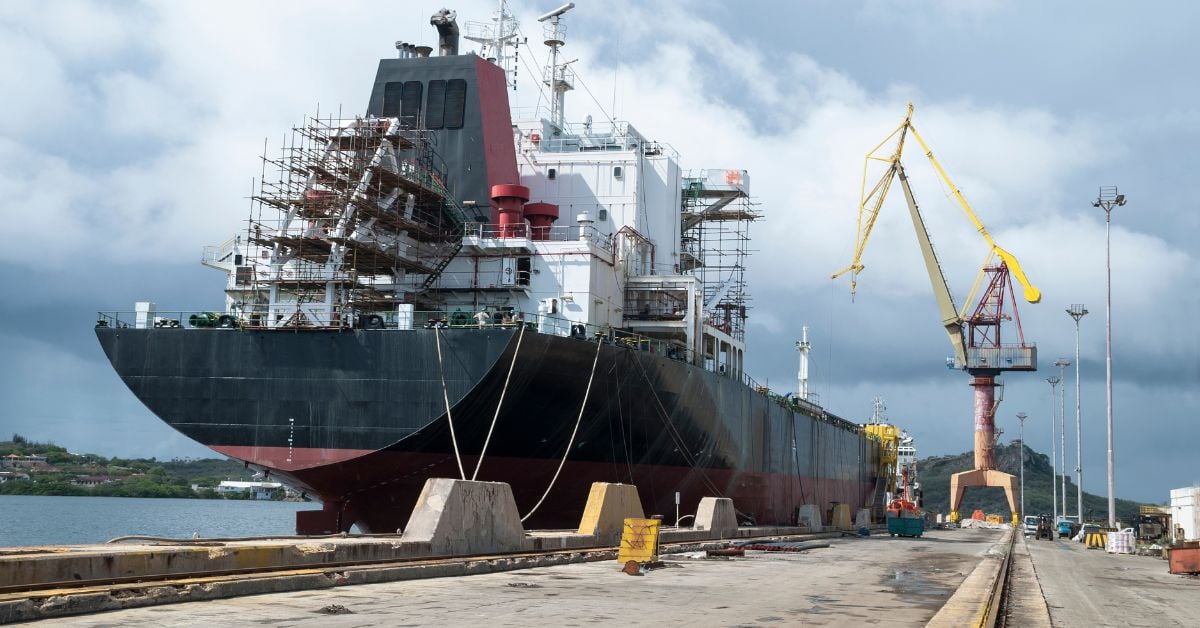
Kochi is positioning itself as a global maritime services hub, expanding its technical and operational capacity with measurable intent. This is not ambition for its own sake, it is a calibrated step toward integrated ocean intelligence. When a port city invests in real, validated capabilities, it strengthens the entire data ecosystem that connects orbit to ocean floor. For deeper context, see our coverage of Cochin Shipyard's strategic equity stake in Conoship. Understanding drives protection.
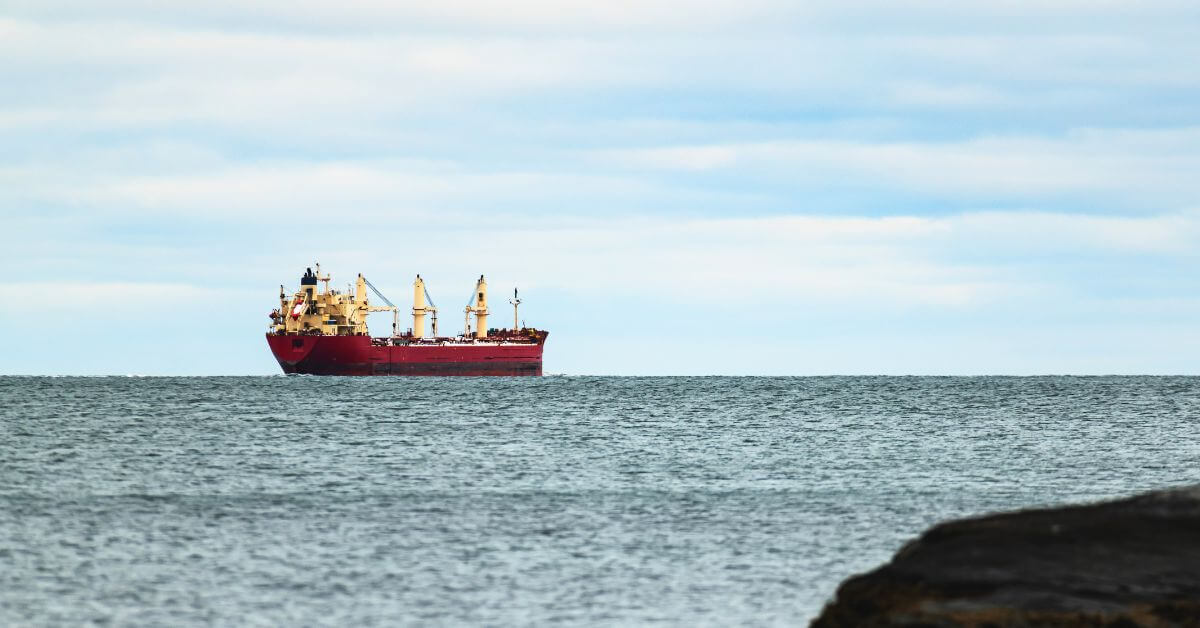
Protecting Maritime Routes: India and Iran Prioritize Ocean Safety.
Indian Prime Minister Narendra Modi has rightly elevated shipping safety and seafarer protection to a bilateral priority during talks with Iran's President. In a region where maritime chokepoints demand calibrated vigilance, this focus is both practical and overdue. The ocean does not recognize political borders, and shared responsibility for route security is the only measurable path forward. For deeper context on regional pressures, see our coverage of "Gulf of Oman STS Transfers Max Out Amid Rising Saudi Oil Exports."
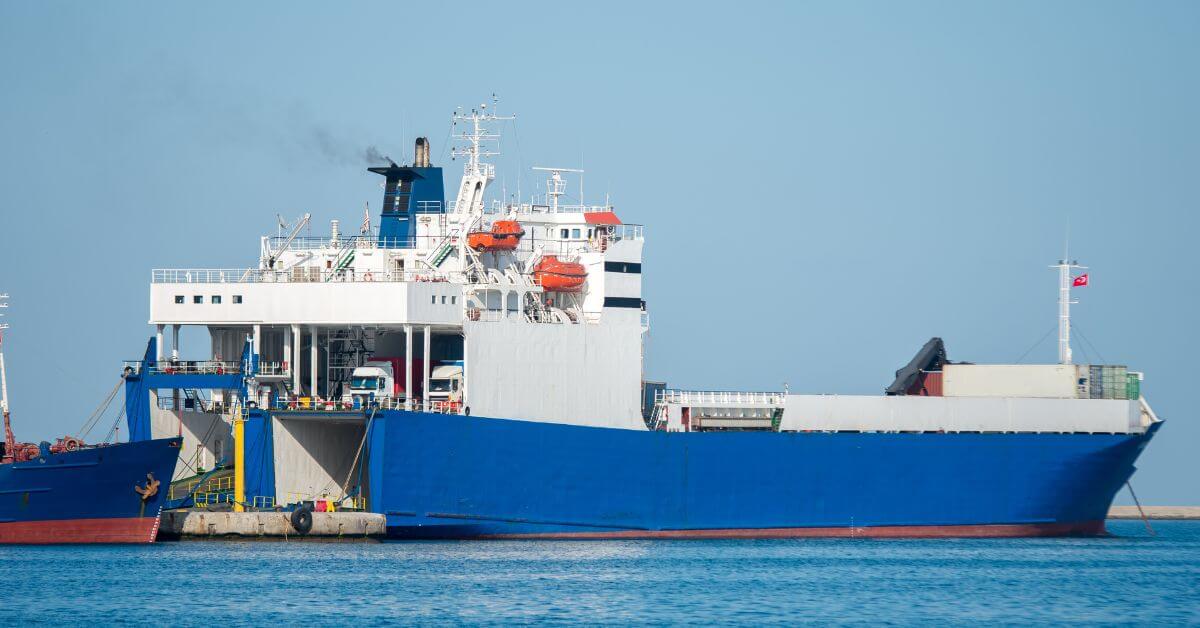
Shipping Constraints Impact Indian Automotive Exports Amid Geopolitical Shifts
India's automotive export engine is idling at the dock. The vessels required to move finished cars out of Indian ports are falling short of demand, a shortage that arrives amid shifting geopolitical currents. This is not a logistical footnote; it is a constraint that will test supply chain resilience. For a sector already navigating global turbulence, the scarcity of shipping capacity adds a measurable layer of pressure. The challenge is clear: without sufficient carriers, momentum stalls.
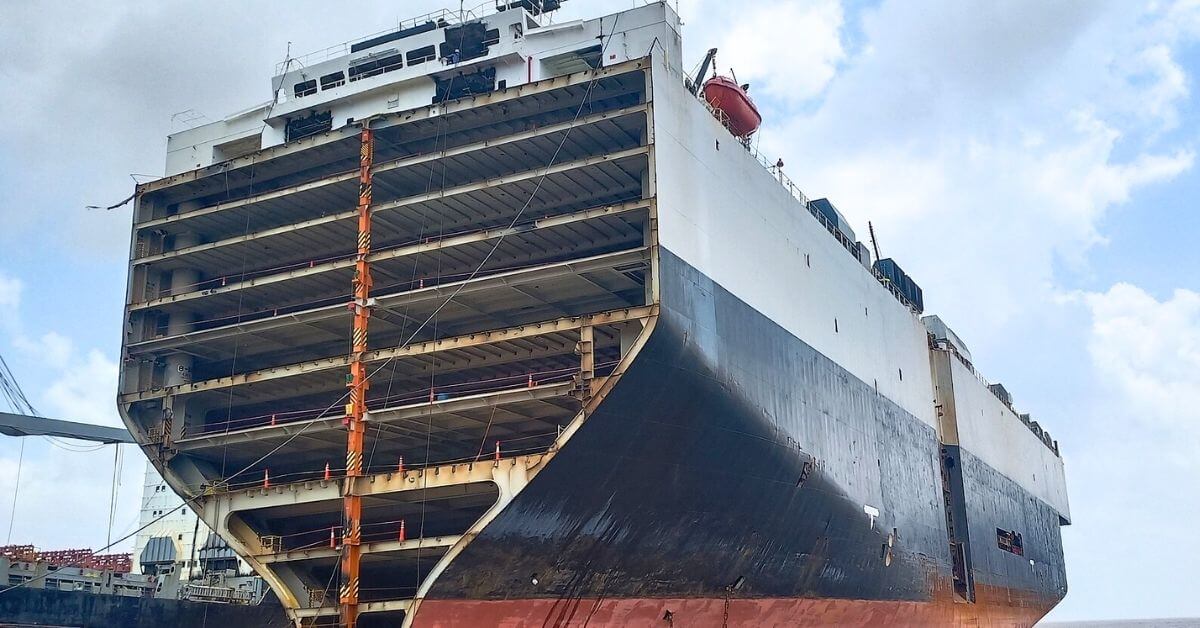
EU Ship Scrapping Trends: Outsourcing to South Asia Raises Concerns
The vast majority of EU-owned and EU-flagged ships are sent to be scrapped in India, Pakistan, and Bangladesh, where working conditions are often poor. This outsourcing raises serious concerns about accountability. We cannot claim progress in ocean stewardship while our vessels meet their end in ways that undermine that very principle. Understanding drives protection, and this trend demands scrutiny. For broader context on how maritime infrastructure is evolving, our related coverage on the integrated subsea cables enhancing Indian Ocean connectivity offers a useful counterpoint.

Indian Sailor's Journey Home Ends After Deadly Ship Strike.
The remains of 22-year-old Abhishek Nishad have arrived home, closing a voyage that began with promise and ended in devastating loss. His death in a missile strike aboard a cargo ship is a sobering reminder that seafarers navigate risks far beyond the weather. We extend our condolences to his family. This tragedy also underscores why maritime safety and welfare must remain a global priority.

Vietnam Resumes Direct Diesel Imports from India Amid Duty Reduction
Vietnam's decision to cut its most-favoured-nation import duty on diesel from 7% to zero, extended until September 30, 2026, signals a calculated move toward energy cost stability. Resuming direct imports from India reflects practical diversification, not just policy adjustment. This is the kind of measurable, real-time shift that matters for regional trade flows. For readers tracking maritime and logistics implications, our related piece on India's approved seafarer welfare hub at Mormugao Port offers useful context on the broader India, Vietnam corridor.