seafarers
seafarers at World Data Ocean is a file of 79 stories. The newest of them: “French Defense Vessel Neutralizes Airborne Threat in Bab el-Mandeb Strait”, “Black Sea Tanker Fire Prompts Investigation After Romanian Drone Reports”, and “Risk premiums on global shipping lanes exceed $100,000 per month”. A French frigate made a calibrated, real-time decision in the Bab el-Mandeb Strait, using its gun to destroy an airborne drone it judged to be a threat. A chemical tanker anchored off Romania's coast is now the subject of an investigation after a fire broke out aboard the Yara J, 8-10 nautical miles southeast of the Sulina Canal. A Global Hub for Ocean Intelligence 4 World Data Ocean is a centralized digital platform where researchers, scientists, and ocean enthusiasts converge to… The list below is every seafarers story on World Data Ocean, newest first.
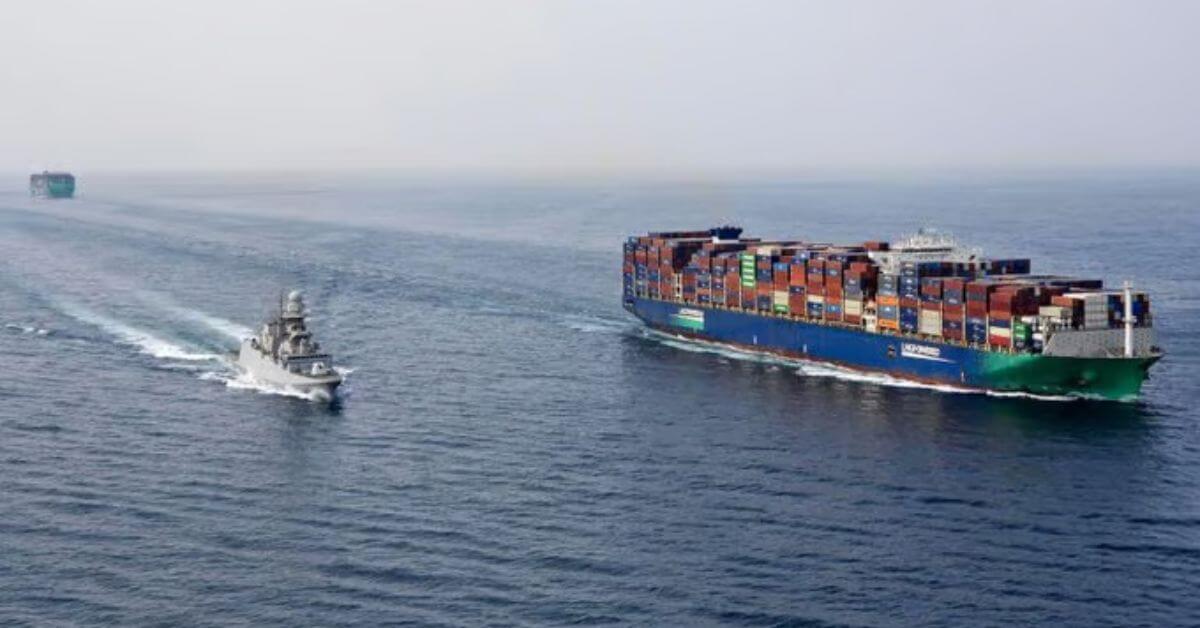
French Defense Vessel Neutralizes Airborne Threat in Bab el-Mandeb Strait
A French frigate made a calibrated, real-time decision in the Bab el-Mandeb Strait, using its gun to destroy an airborne drone it judged to be a threat. This measured use of force underscores the growing need for integrated naval defense in critical shipping lanes. For deeper context on maritime security and the vessels involved, see our coverage of "India's Private Shipyard Delivers First Multipurpose Naval Vessel INS Samarthak."
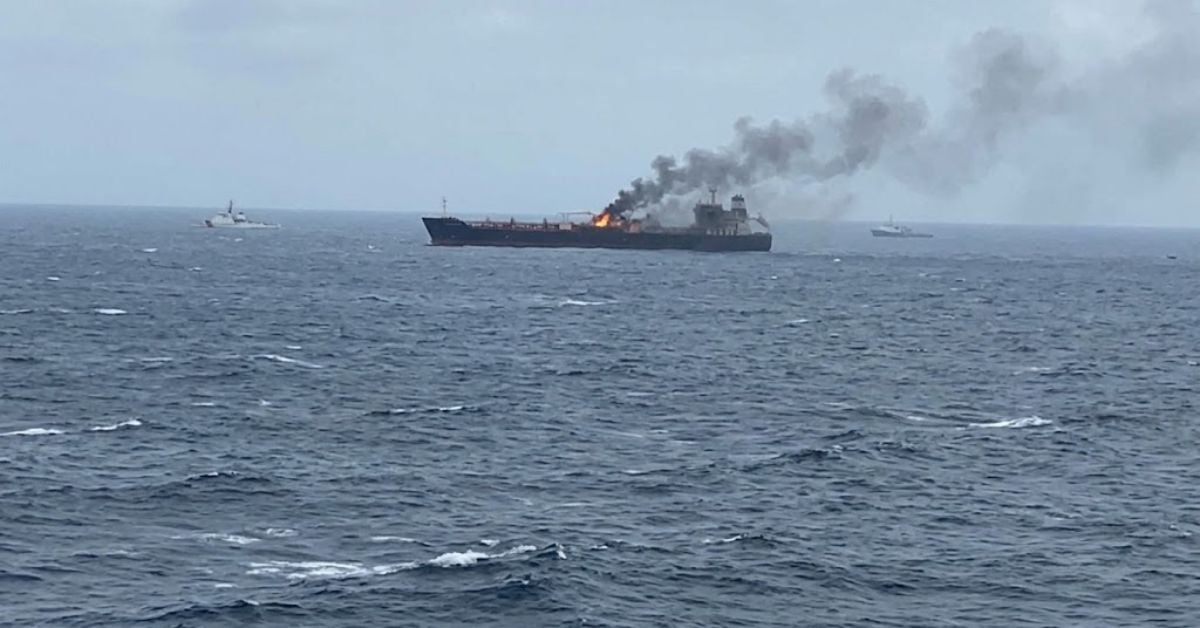
Black Sea Tanker Fire Prompts Investigation After Romanian Drone Reports
A chemical tanker anchored off Romania's coast is now the subject of an investigation after a fire broke out aboard the Yara J, 8-10 nautical miles southeast of the Sulina Canal. The Black Sea remains a theater of compounding threats, where environmental risk from aging vessels meets geopolitical instability. For readers tracking these converging maritime crises, our coverage of the *Three-drone strike sinks Maltese-flagged vessel near Bulgarian coast* documents an equally sobering intersection of commerce and conflict.
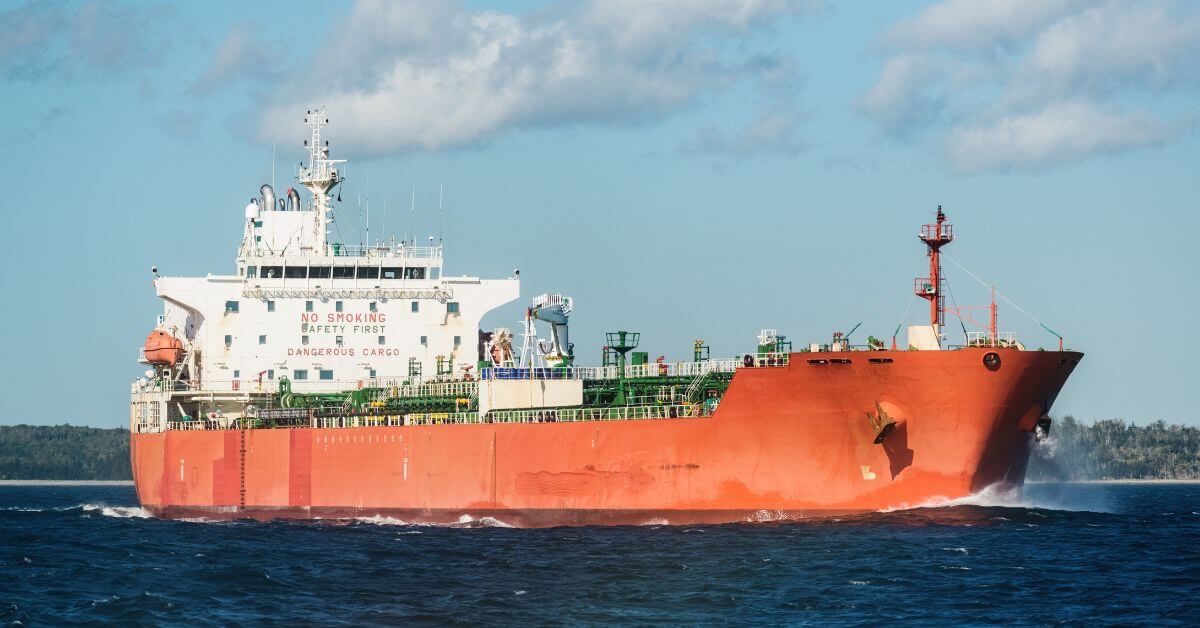
Risk premiums on global shipping lanes exceed $100,000 per month
Risk premiums on global shipping lanes now exceed $100,000 per month. Oil tanker captains sailing the Strait of Hormuz are offered up to that sum, plus a $50,000 bonus per crossing. These figures quantify a dangerous new reality for maritime commerce. Our related report, "Weekly tanker strikes near Strait of Hormuz reach highest count in years," documents at least 12 recent attacks. This is not abstract risk; it is a measurable, empirical cost of instability in a critical chokepoint.
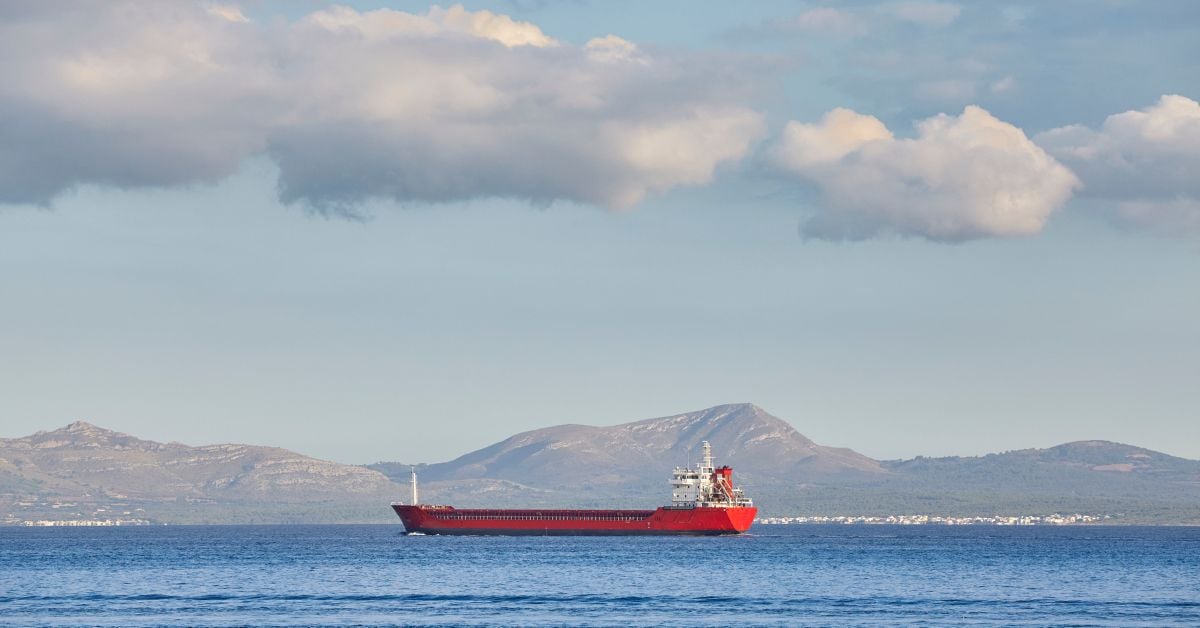
Bulgaria concludes search for missing crew after drone strike in its waters
Bulgaria has ended the search for missing crew members of a cargo vessel that sank 70 nautical miles off its coast after a drone strike. This measured decision reflects the grim realities of escalating maritime threats. The incident is not isolated; as our coverage notes, "Black Sea Maritime Attacks Injure Two Indian Seafarers, Urge Immediate Action" documents four vessels attacked in just 48 hours. These empirical data points demand integrated, real-time monitoring to protect seafarers and global supply chains.
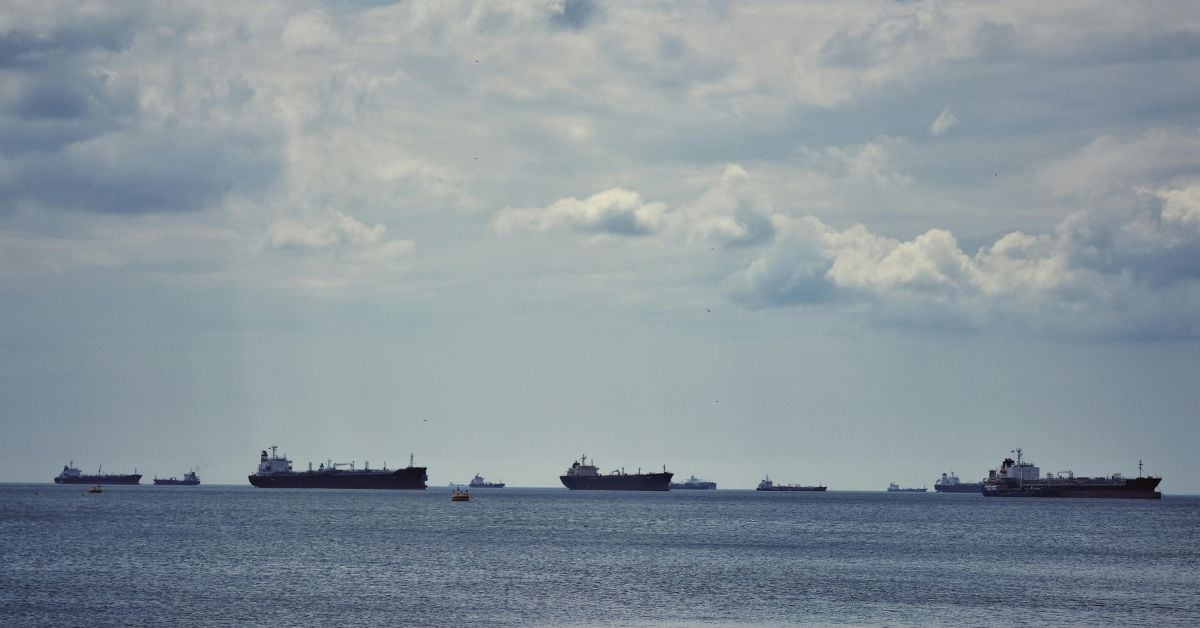
Chartering tankers through Hormuz to secure India's oil supply chains
India's refiners are chartering tankers through the Strait of Hormuz, a calculated response to rising risk in a waterway that moves a fifth of global oil. Rather than deploying their own vessels, they are shifting procurement strategy to secure supply chains with measurable precision. This is not alarm, it is calibrated adaptation. For deeper context on how these disruptions are reshaping global routes, see our related coverage of rising Red Sea crude flows.
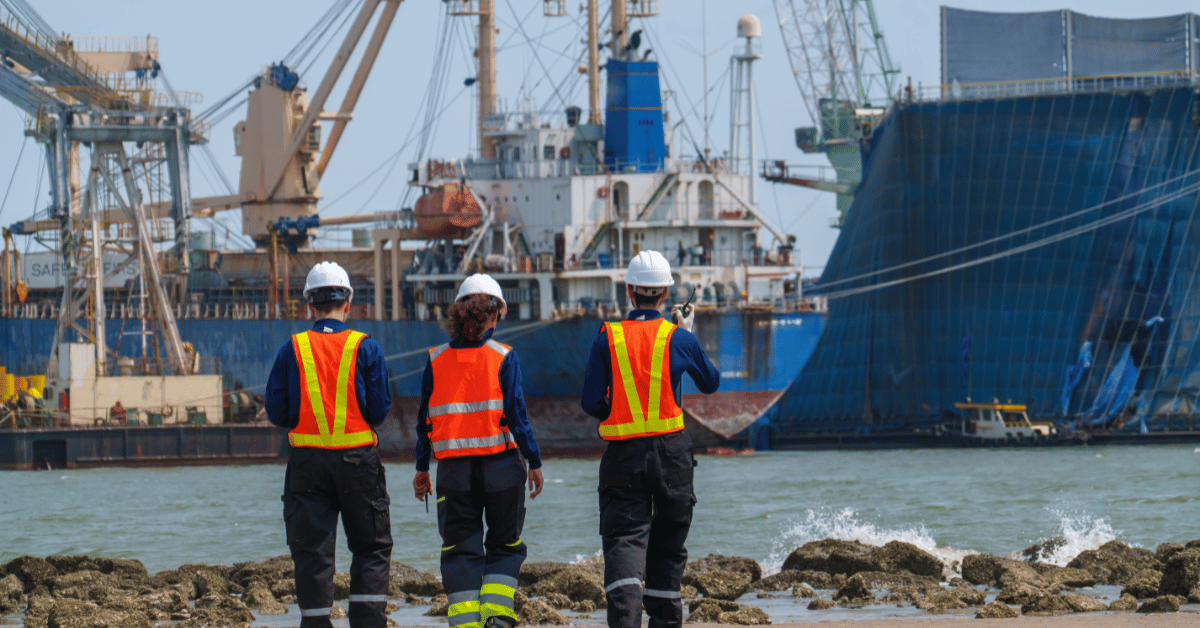
Empirical Guidance Equips Seafarers Against Measurable Abandonment Risks
Measurable abandonment risks now have a countermeasure. The Seafarers' Charity has completed its "Smart Seafaring. A Safe Return" campaign, releasing films and multilingual guidance that equip seafarers to recognize and respond to this threat. This is empirical, practical support, not alarmism. It validates the need for clear protocols at sea. For deeper context on the dangers crews face, read our coverage of the drone strike that impacted an LPG tanker near the Strait of Hormuz. Understanding drives protection.
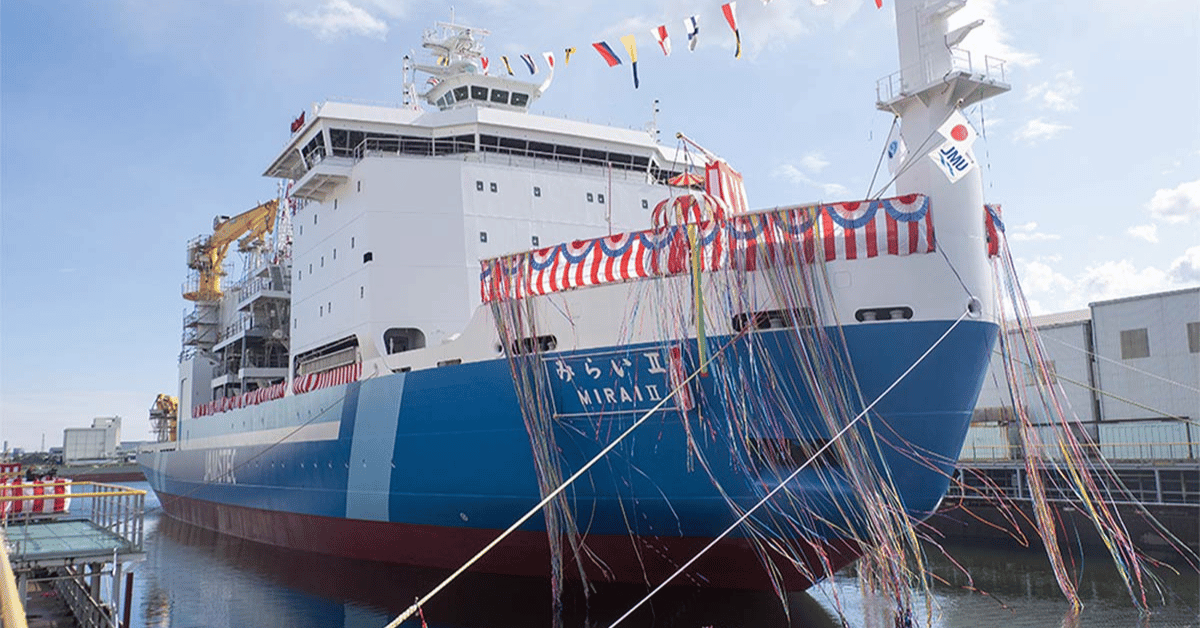
Japan's Icebreaker Mirai II Set to Extend Real-Time Arctic Ocean Intelligence
Japan's new icebreaker *Mirai II* will extend real-time Arctic Ocean intelligence when it begins operations in 2027. Operated by MOL for JAMSTEC, this is Japan's first icebreaking research vessel, a calibrated response to a warming ocean that demands empirical, longitudinal data. Understanding drives protection, and this vessel delivers. For broader context on maritime security, see our coverage of the recent piracy attack that killed five seafarers.
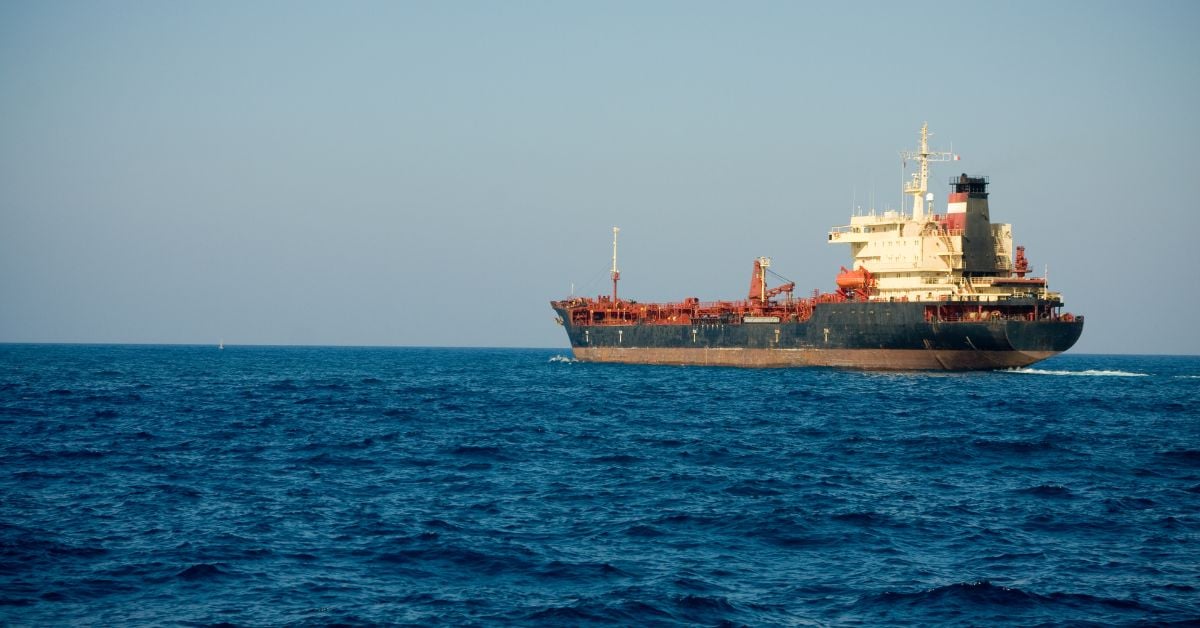
Five seafarers killed as pirates open fire on hijacked tanker during rescue
Five seafarers killed as pirates opened fire on a hijacked tanker during a rescue operation. The vessel carried 17 crew members; five were shot. Among the deceased: three from Pakistan, one from Myanmar, one from India. This is not an abstract risk, it is the human cost of failing to secure global shipping lanes. Our related coverage, "New Coalition Charts Measurable Course for Safer Global Shipping," examines one emerging framework for change. Measurable action, not rhetoric, is what these crews deserve.
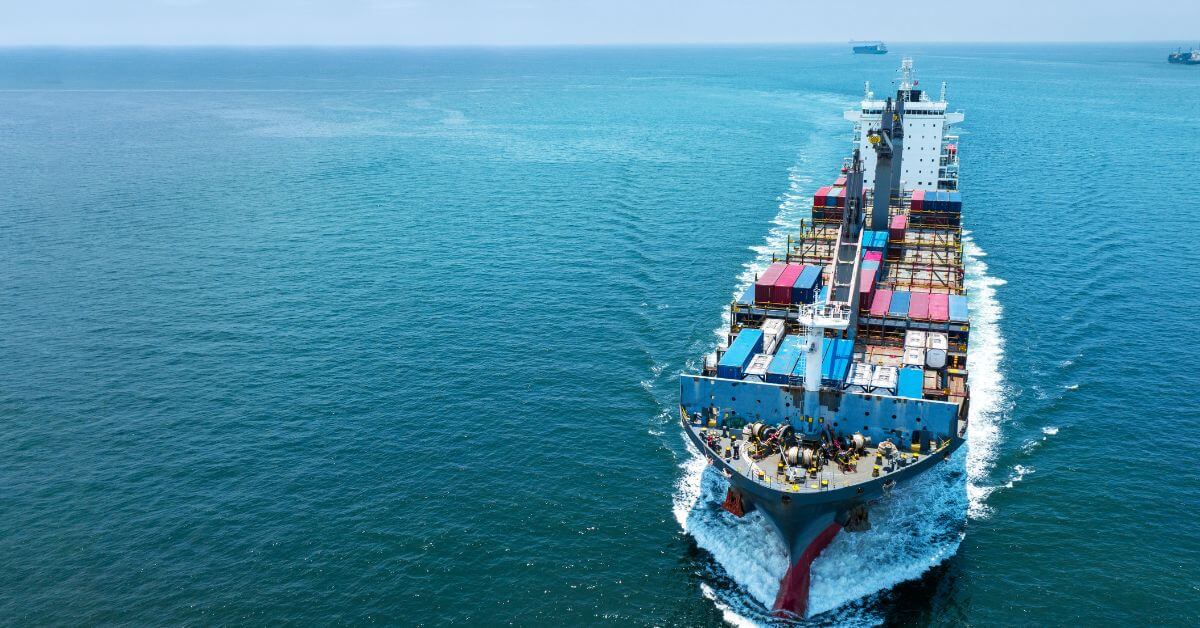
New Coalition Charts Measurable Course for Safer Global Shipping
At the UN headquarters in New York, a new coalition of nations, the Group of Friends on Safety and Security of Shipping and Seafarers, has launched. This is not abstract diplomacy. It is a coordinated, measurable effort to protect the people and routes that move 90% of global trade. We track climate indicators rigorously; we should apply the same empirical standard to maritime safety. For deeper context on how ocean transit intersects with emissions, see our related piece on measured food transport data.
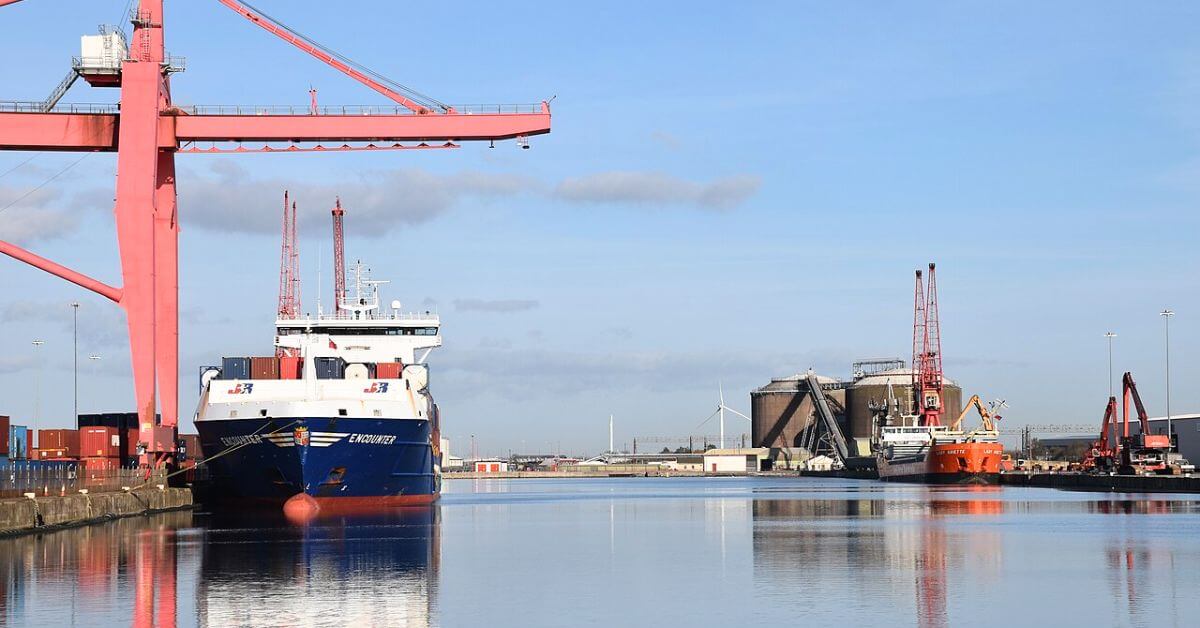
Fourth Filipino Maritime Worker Attack Case Proceeds in UK Court
A fourth person has been charged in the UK over an assault on three Filipino maritime workers near Avonmouth Docks. These attacks are unacceptable. The industry depends on the safety of every crew member, and justice must be delivered without delay. This case reinforces why collaborative frameworks matter. Our related coverage explores "New Coalition Charts Measurable Course for Safer Global Shipping", a timely example of how nations are working to protect seafarers. Accountability and prevention must advance together.
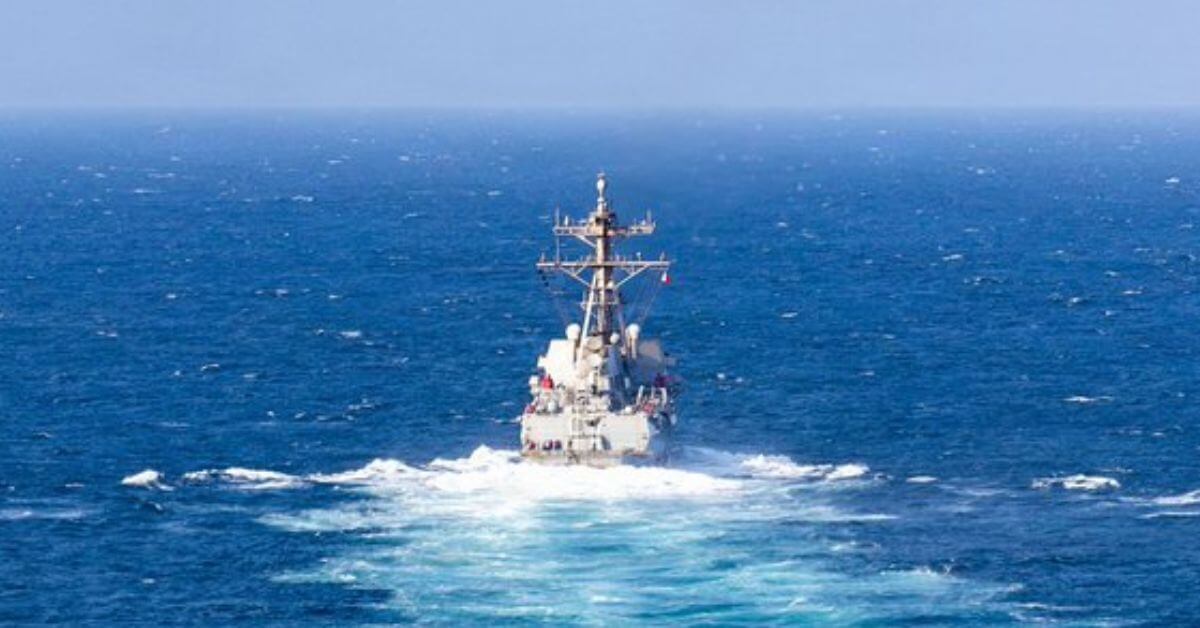
Phased Negotiations Aim to Ease Restrictions on Strait of Hormuz
The United States and Iran are now discussing a phased deal that could reopen the Strait of Hormuz and lift the US economic blockade. This is measured, incremental diplomacy, and that is precisely why it deserves attention. A full reopening would stabilize a shipping lane the entire world depends on. For readers tracking the region's momentum, our related coverage on Gulf of Oman STS transfers shows how strained the system has become. The path forward is narrow, but it is finally being walked.
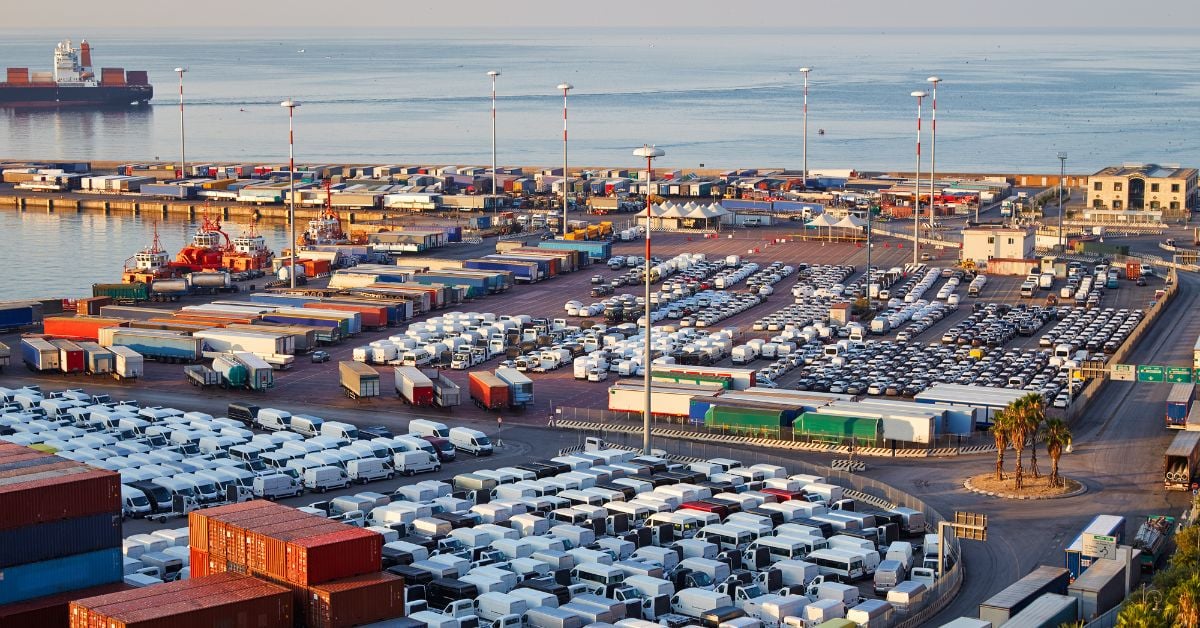
Ukraine Supports India’s Initiative for Black Sea Shipping Routes
Ukraine's consideration of India's proposal to restore safe navigation in the Black Sea signals a practical step toward maritime stability. Reopening these routes is not merely a regional matter; it supports global supply chains and the exchange of ocean intelligence. The move reflects measured diplomacy, grounded in shared interests rather than rhetoric. For readers tracking how nations recalibrate maritime strategy, our related coverage on integrated subsea cables across the Indian Ocean offers useful context on how connectivity and shipping increasingly intersect.
Seafarer Welfare: Integrated Data Reveals Persistent Gaps, Urges Accountability
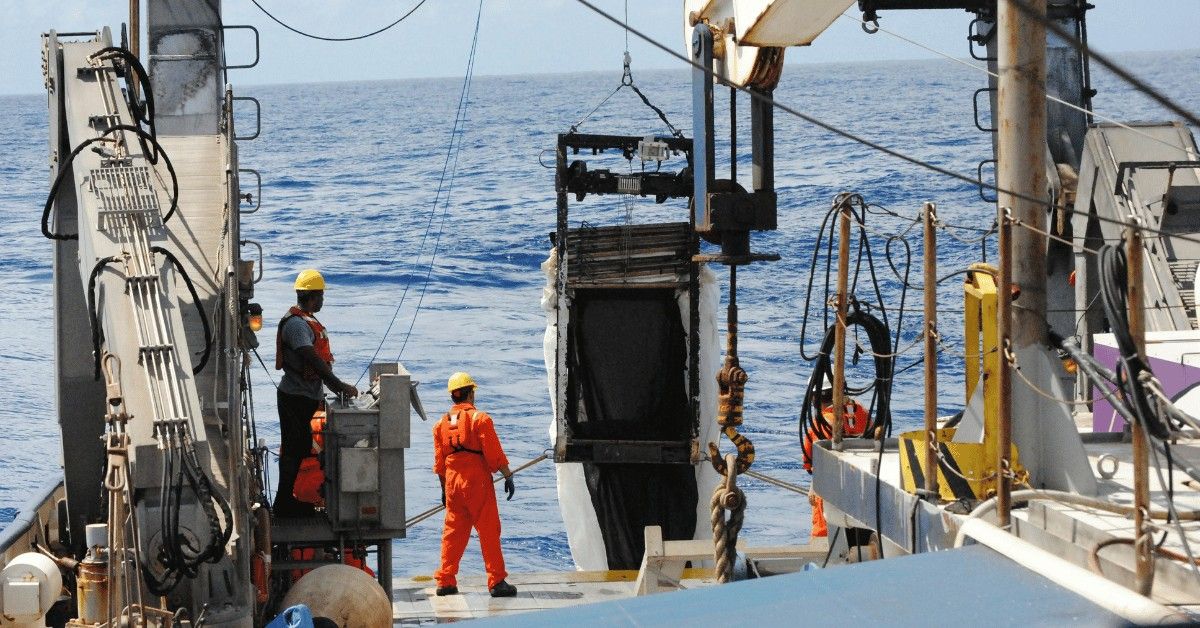
Five years after the Seafarers' Rights Code set sail, the data is clear: progress remains uneven. While the framework has driven measurable improvements, persistent gaps in pay, crewing, and wellbeing show that accountability is still catching up to intent. That is not a failure of the code; it is a call to calibrate its implementation. For context on how maritime infrastructure is evolving, our coverage of Cochin Shipyard's design expansion offers a useful parallel. Seafarers deserve more than promises; they need validated, integrated action.
Drone Strike Impacts LPG Tanker Near Strait of Hormuz.
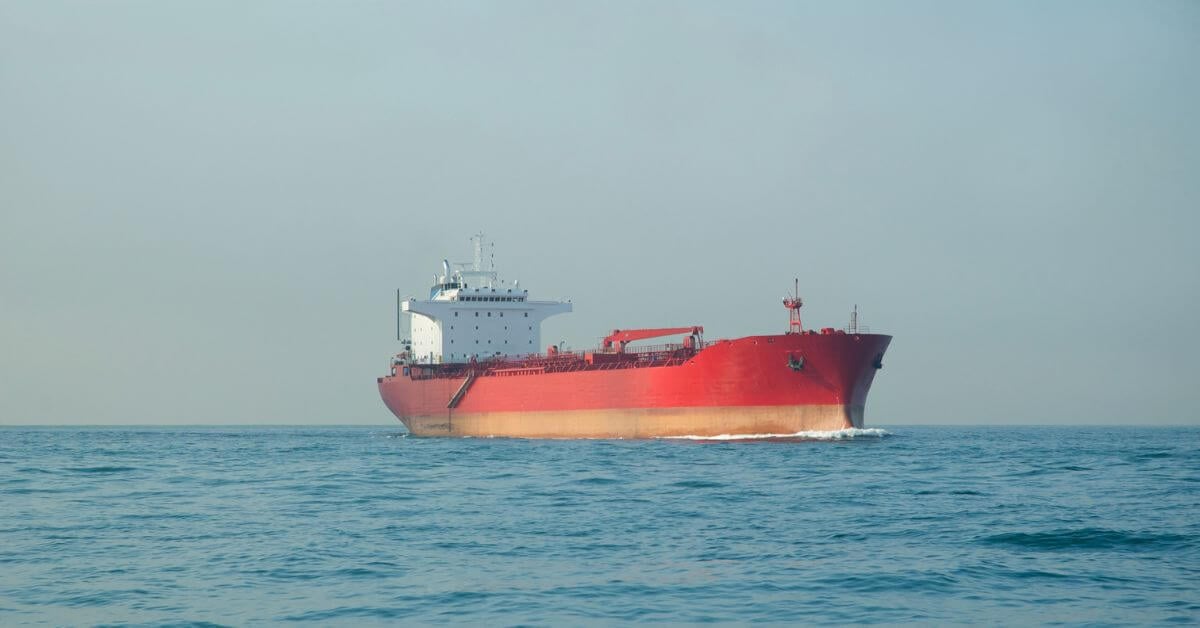
A Liberia-flagged LPG tanker carrying nine Indian seafarers was struck by a drone while sailing eastbound outside the Strait of Hormuz. The incident underscores how vulnerable commercial shipping remains in a waterway that carries a third of the world's liquefied gas. Precision matters here: every attack raises the cost of transit, and the ripple effects are measurable. For context on the region's mounting pressure, our related coverage in "Phased Negotiations Aim to Ease Restrictions on Strait of Hormuz" outlines the diplomatic stakes.
India Establishes Support Network to Safeguard Seafarers in Conflict Zones
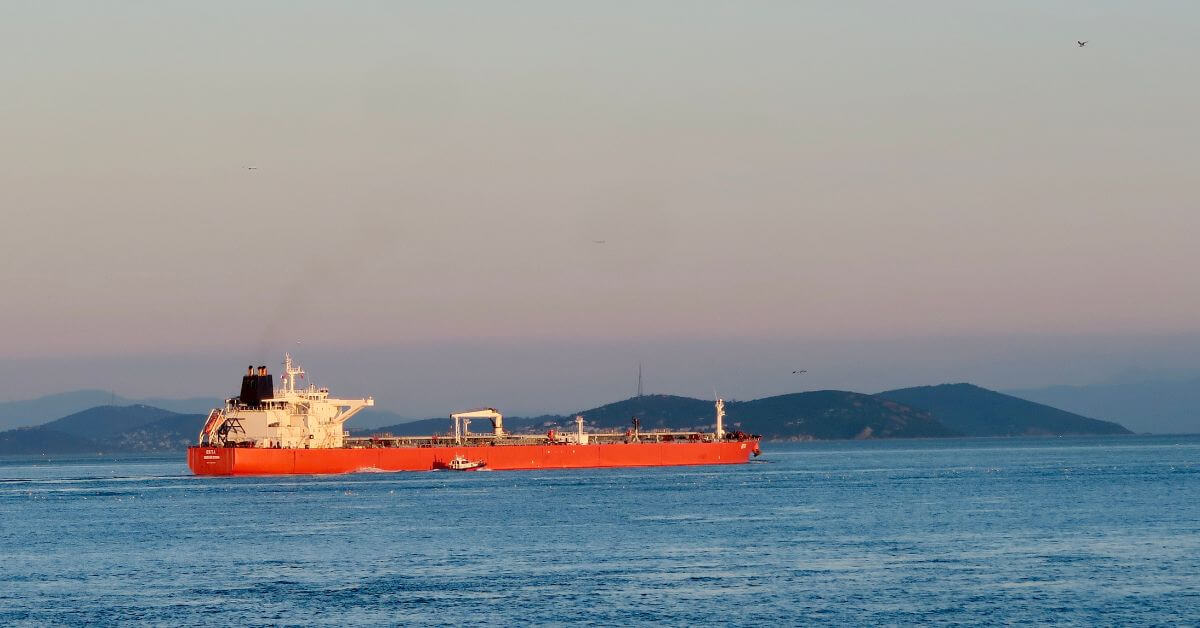
India has moved to protect those who carry global commerce through unstable waters, establishing a support network for seafarers in conflict zones. The initiative addresses distress alerts, medical aid, and family communication during emergencies, practical, measurable safeguards for a dangerous reality. This is a purposeful step, and it aligns with the broader maritime momentum seen in our coverage of Paradip Port's designation as a Mega Port. Protecting the people at sea is as essential as expanding the infrastructure they serve.
Shipping Lanes Under Scrutiny: Indian Crews Affected by Gulf Region Attacks
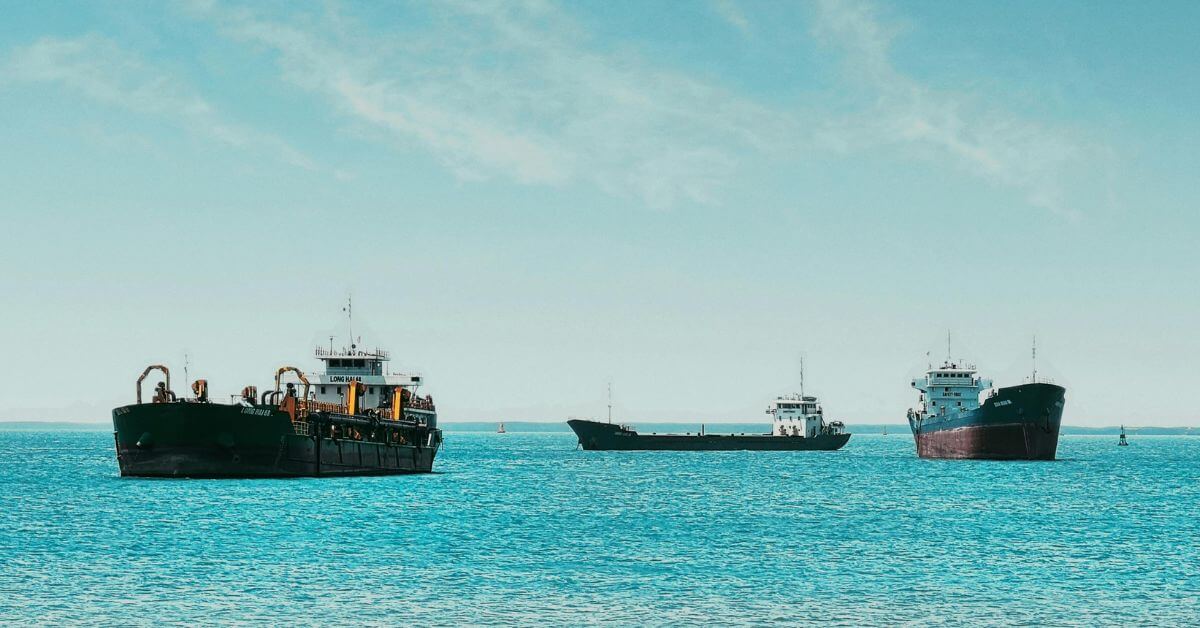
Three foreign-flagged vessels with Indian crew members were struck on September 8 and 9 as West Asia conflict escalates into shipping lanes. These attacks validate what we have long measured: maritime corridors are becoming direct targets. The crews are not combatants, they are professionals navigating volatile waters. Understanding drives protection, and this incident demands calibrated, empirical scrutiny. For deeper context on regional shipping pressures, our coverage of the Strait of Hormuz negotiations offers integrated analysis.
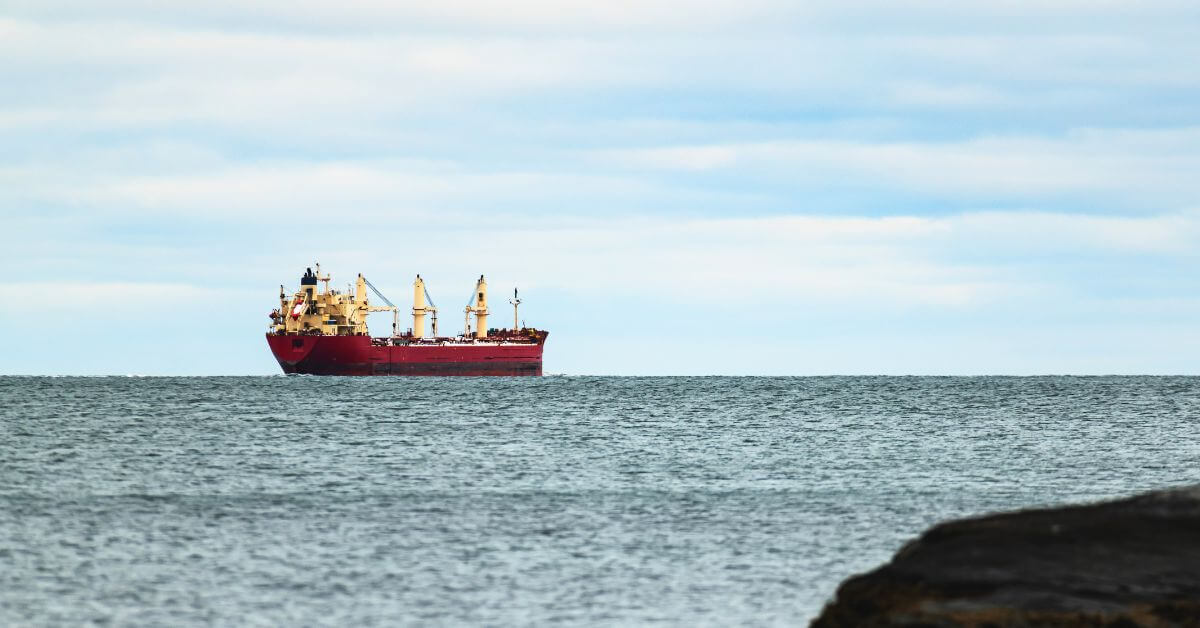
Protecting Maritime Routes: India and Iran Prioritize Ocean Safety.
Indian Prime Minister Narendra Modi has rightly elevated shipping safety and seafarer protection to a bilateral priority during talks with Iran's President. In a region where maritime chokepoints demand calibrated vigilance, this focus is both practical and overdue. The ocean does not recognize political borders, and shared responsibility for route security is the only measurable path forward. For deeper context on regional pressures, see our coverage of "Gulf of Oman STS Transfers Max Out Amid Rising Saudi Oil Exports."

Black Sea Attack Damages Tugboat, Claims Lives of Two Seafarers
A Black Sea attack has damaged the tugboat *Tedy* and claimed the lives of two seafarers, Ukraine's Ministry of Recovery, Infrastructure and Transport confirmed. This is a grim reminder that maritime conflict exacts a human toll beyond geopolitical headlines. Each casualty is a preventable failure of ocean stewardship. For broader context on Russia's maritime strategy, see our coverage of the Vostok Project's Arctic oil exports. Understanding these interconnected dynamics demands empirical, not emotional, analysis.

Seafarer Safety Paramount Amidst Geopolitical Tensions in U.S.-Iran Conflict
The loss of seafarers in the U.S.-Iran conflict is a tragedy that demands our attention. IBIA's condolences are a sobering reminder: geopolitical tensions carry human costs that validated data cannot measure alone. Protecting those who work our oceans is non-negotiable. This crisis echoes the stakes seen in "Eighty Nations Urge Reopening of Vital Strait of Hormuz Shipping Lane", a channel where safety and security converge. We must integrate maritime intelligence with a commitment to seafarer welfare.
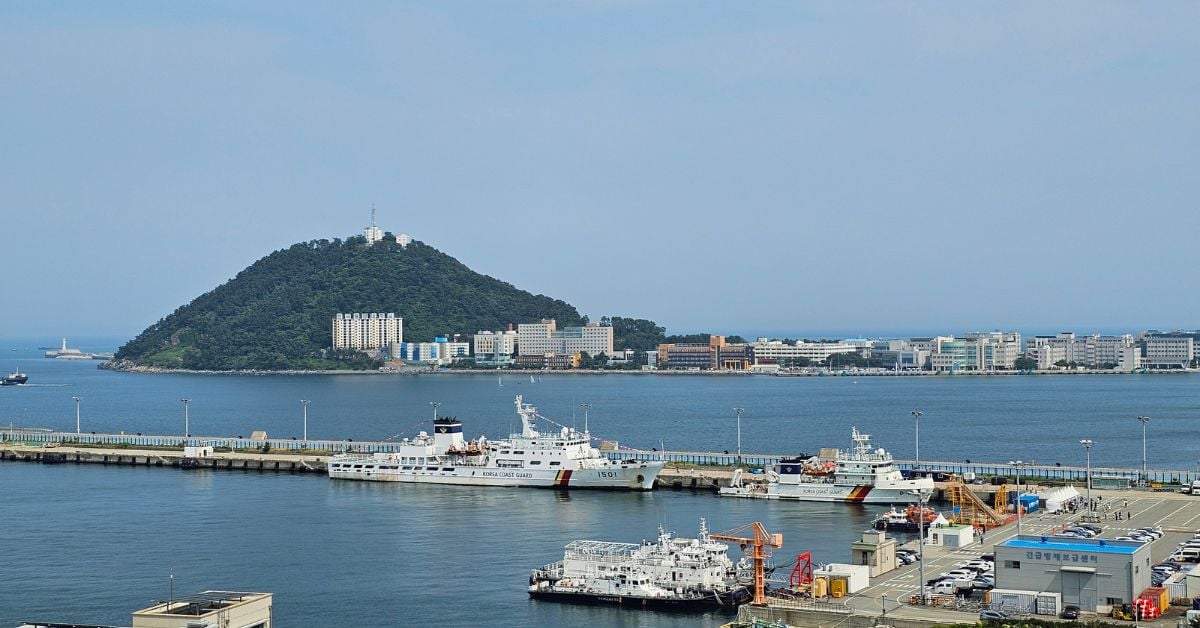
Investigation Launched After Tugboat Sinking Leaves Five Crew Missing
A tugboat with eight crew members is now the subject of an investigation after it sank, leaving five missing. The TNS Catcher went down with one survivor who climbed to its top as it submerged. This incident underscores the persistent dangers faced by maritime workers, even in routine operations. For context on how authorities respond to such tragedies, see our coverage of the submerged fishing vessel and identified remains off Rhode Island.
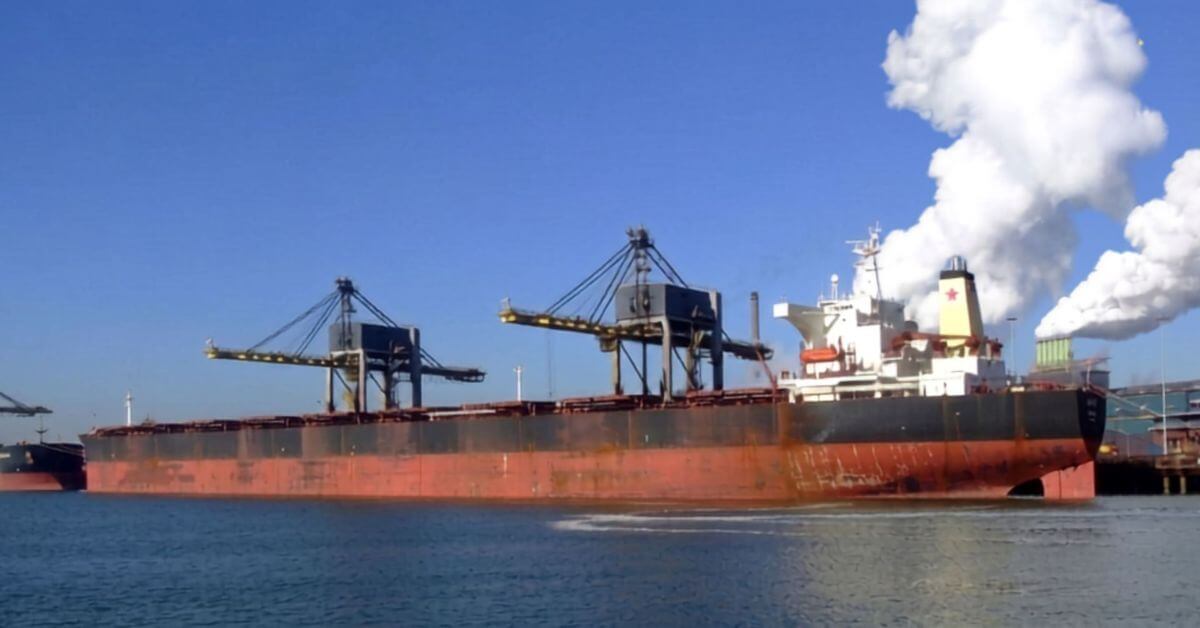
Filipino Seafarers Safe After Ukraine Attack; Await Repatriation
All 26 Filipino seafarers are safe and awaiting repatriation after disembarking from their vessel by Sept. 4, unharmed. The Department of Migrant Workers confirmed no casualties. This measured outcome contrasts sharply with the broader volatility in the region. For deeper context on escalating maritime risks, see our coverage of the *Fatal Attack on Cargo Ship Highlights Black Sea Shipping Risks*. Protection of crew remains paramount in these waters.
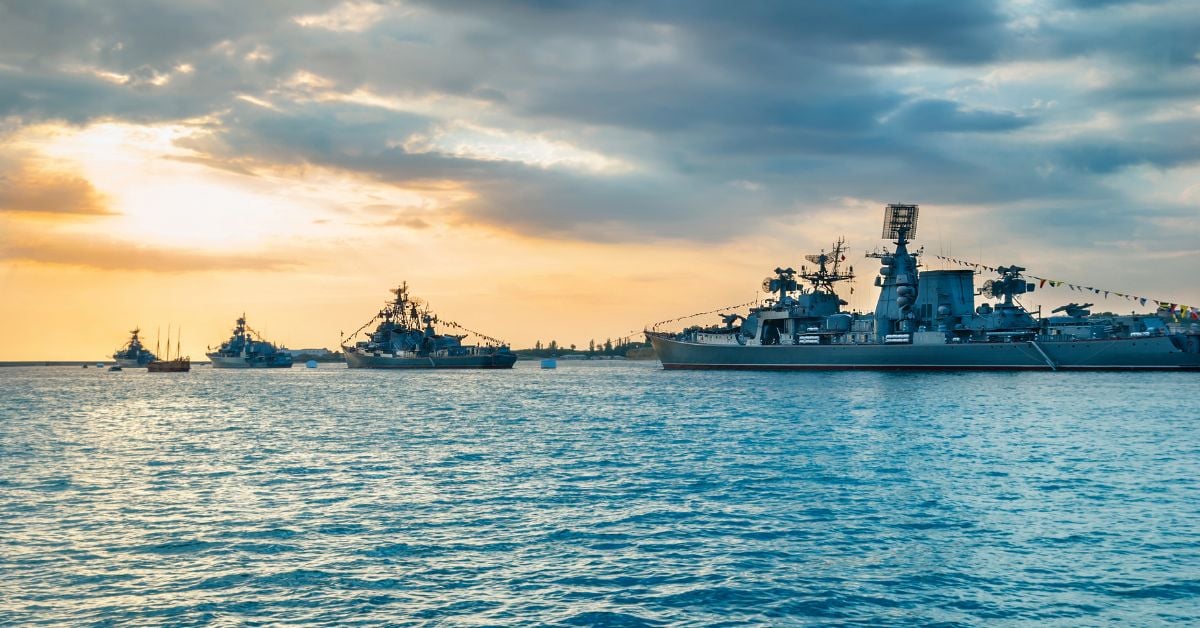
Securing the Strait: Navy SEALs Conduct Covert Mine Clearing Operation
For four months, U.S. Navy SEALs operated in the Strait of Hormuz, clearing naval mines placed by Iran. This covert operation secures a waterway where geopolitical tension meets global energy flow. Measurable, empirical action, not rhetoric, protects maritime stability. It is the kind of calibrated, real-world intervention that underscores why integrated ocean intelligence matters. For deeper context on regional pressures, see our coverage of how Gulf of Oman STS transfers have maxed out amid rising Saudi oil exports.
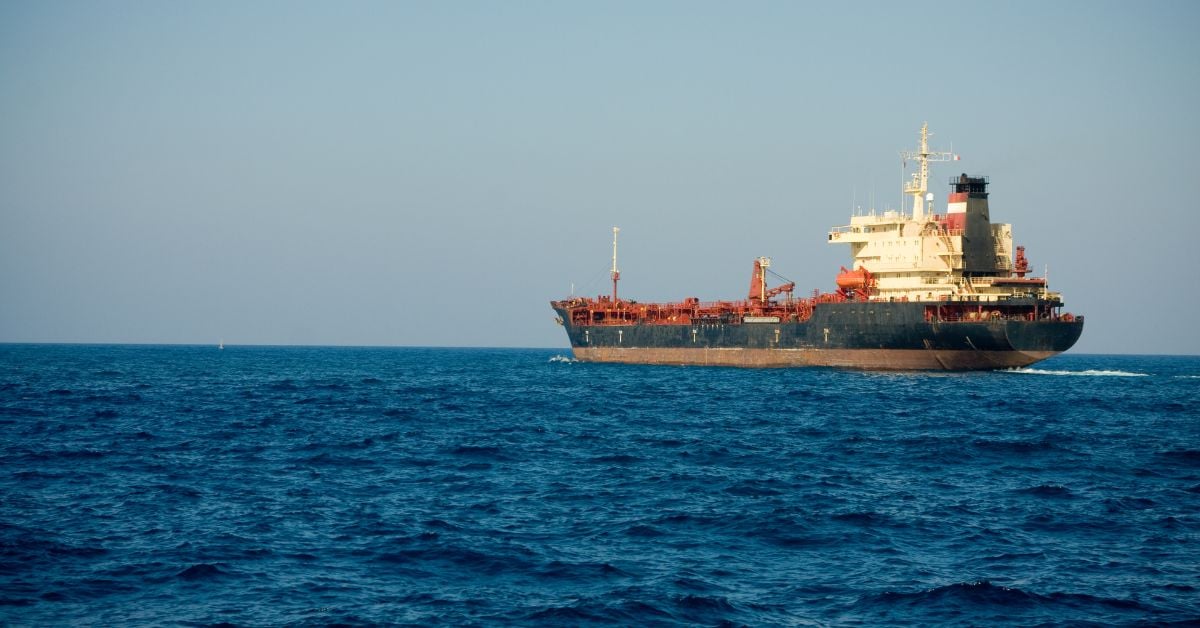
Collision Investigation: Captain and Officer Face Negligent Homicide Charges
The arrest of the ALSU's captain and 3rd Officer on negligent homicide charges marks a decisive turn in the collision's aftermath. Police acted with purpose, holding command accountable for a tragedy that demands answers. This is not about assigning blame prematurely; it is about measuring responsibility against empirical evidence. When lives are lost at sea, the standard must be exacting. For context on maritime risks, our coverage of the cargo ship fire near Mykonos underscores how quickly operations can escalate.
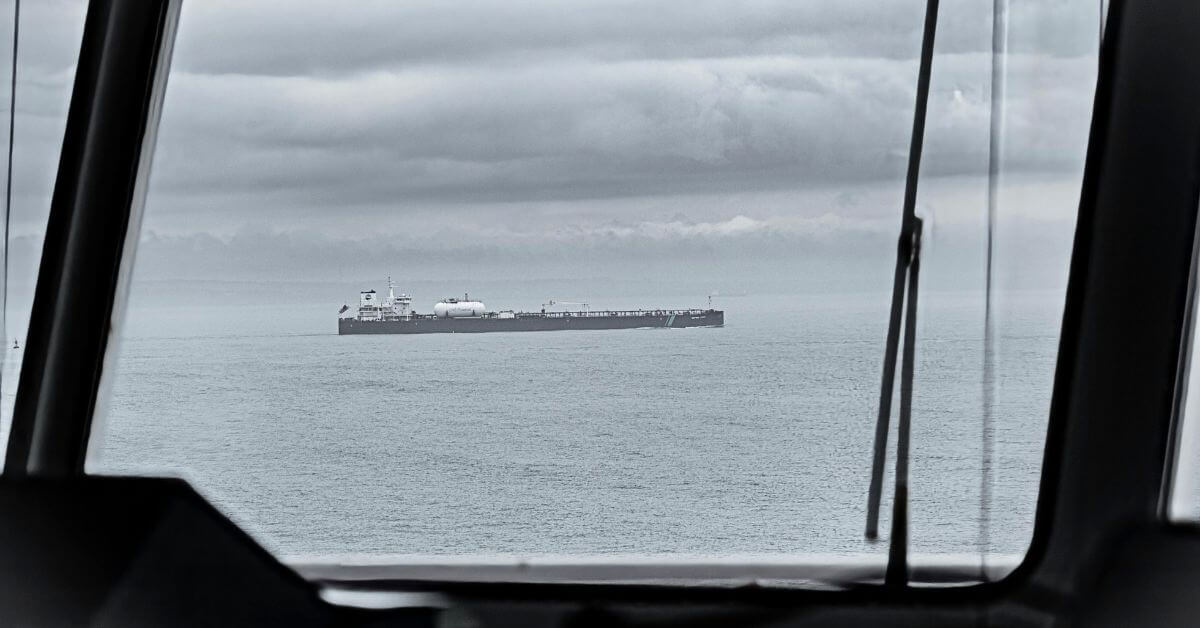
Enhanced Maritime Safety: India's New System Monitors High-Risk Regions
India's Directorate has issued a direct mandate: every vessel carrying Indian crew in designated high-risk regions must be registered in the new monitoring system without delay. That is not bureaucratic noise; it is a calibrated safety net. The move follows intense pressure on maritime routes, from Gulf of Oman STS transfers maxing out to pirate interventions off Somalia. This system is about prevention, not reaction. For crews operating where risk is highest, this is validation that their safety is measurable and prioritized.