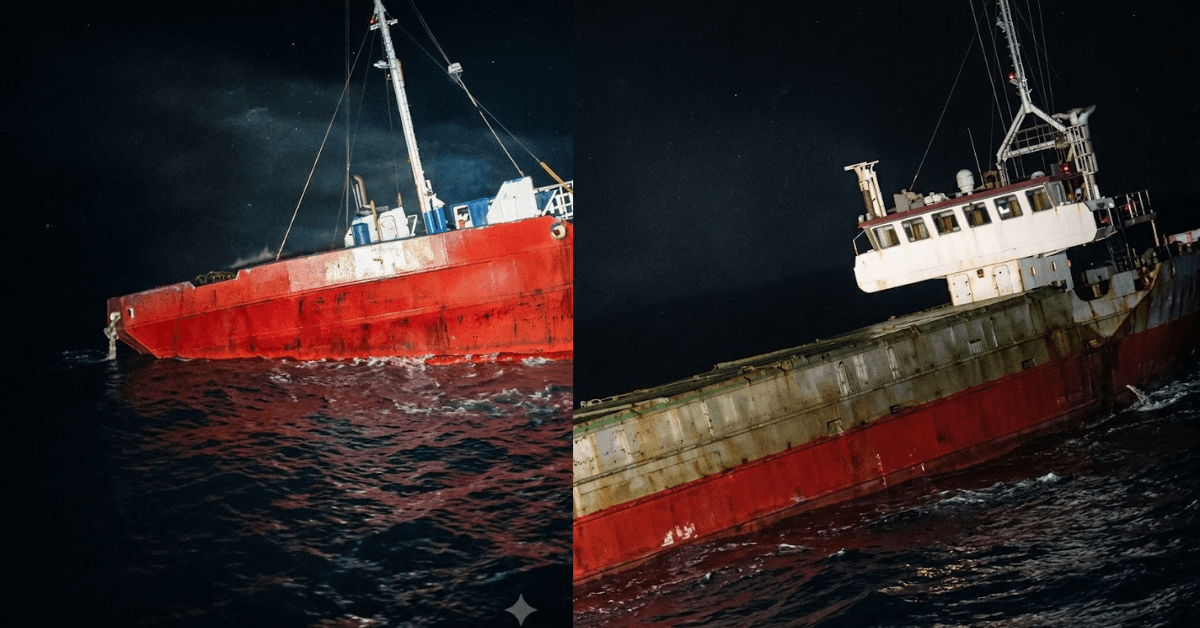
The rescue of all ten crew members from the sinking AS Dream off Cyprus is a welcome outcome, but the vessel's history forces us to ask whether we are treating narrow escapes as substitutes for systemic fixes. Every seafarer brought safely to shore is a success for the Joint Rescue Coordination Centre and the nearby MSC Hannah III, yet the circumstances surrounding this Tanzanian-flagged ship point to patterns we cannot ignore. The crew, nine Indian nationals and one Cameroonian, are in good health, but their ordeal is part of a broader crisis in maritime labor that demands more than coordinated rescue protocols. As we have documented, Mental Health Risks for Young Seafarers Double in Validated Annual Data, the pressures on those at sea are intensifying, and this incident underscores how quickly a routine voyage can become a survival situation.
The AS Dream was not a clean slate when it sank. According to the International Labour Organisation Database, the vessel was linked to an unresolved abandonment case from September 2025 in Ashdod, Israel, involving eight seafarers from four countries. That case remains open as of late October 2026, one month before this sinking. When a ship with a documented abandonment history is still operating, and when its crew is rescued only through the intervention of a passing Panama-flagged merchant vessel and a police launch, we are seeing the consequences of a system that too often fails to hold owners accountable. This is not an isolated event. The unresolved stranding of Six Indian seafarers at Karachi port underscore urgent need for diplomatic resolution, a situation that left families waiting for government intervention, shows how routinely seafarers are treated as expendable in commercial disputes and operational failures. The rescue off Cyprus succeeded; the Karachi stranding drags on. Both are symptoms of the same broken enforcement.
What this means for our readers, whether policymakers, shipping operators, or ocean advocates, is that the maritime industry must move beyond celebrating rescues and start preventing the conditions that make them necessary. The cause of the AS Dream's sinking has not been disclosed, and Cypriot authorities have not announced an investigation. That silence is a problem. Without empirical, peer-reviewed analysis of why a vessel with a known abandonment record went down, we are left guessing about the roles of maintenance, crew welfare, and regulatory oversight. The crew members are now in the care of their relevant state authorities, but the diplomatic channels handling their cases should also be demanding transparency on the ship's condition and ownership. The Validated rescue: 20 seafarers evacuated after bulk carrier fails in cyclone earlier this year showed that coordinated response can save lives, but it also highlighted the gap between rescue and reform. The specific detail to watch now is whether Tanzania's maritime administration follows through on its September request to the ITF for an updated status on the earlier abandonment. If that case remains unresolved while a second crew from the same flag state is rescued from a sinking, the pattern becomes a verdict on regulatory will.