research collaboration
45 stories filed under research collaboration on World Data Ocean. The newest of them: “2025 joins the warmest years on record as ocean heat persists without pause”, “Underwater acoustics paired with artificial reefs offer a validated restoration pathway”, and “Autonomous drone navigation validates precision landing without GPS or radar”. 2025 has been confirmed as one of the three warmest years on record, a stark validation of a persistent trend. A coral larva can't read a map, but it can hear a healthy reef. A Global Hub for Ocean Intelligence 4 World Data Ocean is a centralized digital platform where researchers, scientists, and ocean enthusiasts converge to… The list below is every research collaboration story on World Data Ocean, newest first.

2025 joins the warmest years on record as ocean heat persists without pause
2025 has been confirmed as one of the three warmest years on record, a stark validation of a persistent trend. The World Meteorological Organization reports that ocean heating continues without pause, and the past 11 years now constitute the 11 warmest ever measured. This is not a spike but a calibrated, measurable signal. Understanding drives protection. For deeper context on the ocean's role in this system, explore our related coverage of "From waste to wave: measuring ocean plastic's true share."

Underwater acoustics paired with artificial reefs offer a validated restoration pathway
A coral larva can't read a map, but it can hear a healthy reef. In Kāneʻohe Bay, researchers placed artificial structures with bacterial coatings near underwater speakers playing recordings of snapping shrimp and fish. The result: more coral settlement within 20 meters of the sound source. The evidence for acoustic attraction remains preliminary, yet the integration of engineered habitats, living materials, and ocean intelligence points toward a validated restoration pathway worth scaling. For deeper context on data-driven ocean careers, see *From analytics to ocean intelligence*.
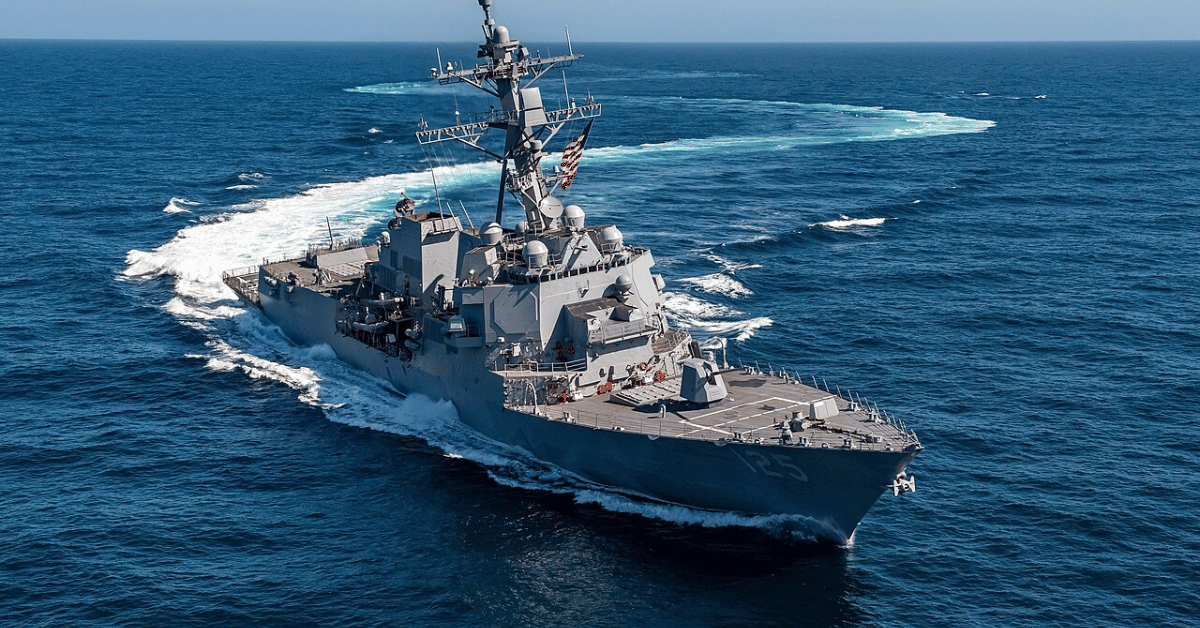
Autonomous drone navigation validates precision landing without GPS or radar
Precision landing without GPS or radar is no longer theoretical. The US Navy has validated autonomous drone navigation that uses onboard cameras and advanced software to land on moving ships. This is calibrated, real-time ocean intelligence in action. For context on why such precision matters in contested waters, read our coverage of the recent Strait of Hormuz posture analysis. Understanding drives protection, and this capability strengthens maritime security without relying on vulnerable satellite signals.

AI and digitalisation anchor new maritime safety and emissions pact
A new memorandum of understanding between China Merchants Energy Shipping and RINA anchors maritime safety and emissions management in digitalisation and AI. This is not speculative; it is an integrated data ecosystem designed for measurable, real-world impact. As the industry seeks validated pathways to decarbonisation, this collaboration aligns with efforts like the Wallenius Marine WinPrOVeDD project, which aims to harness wind energy more efficiently through empirical design validation.
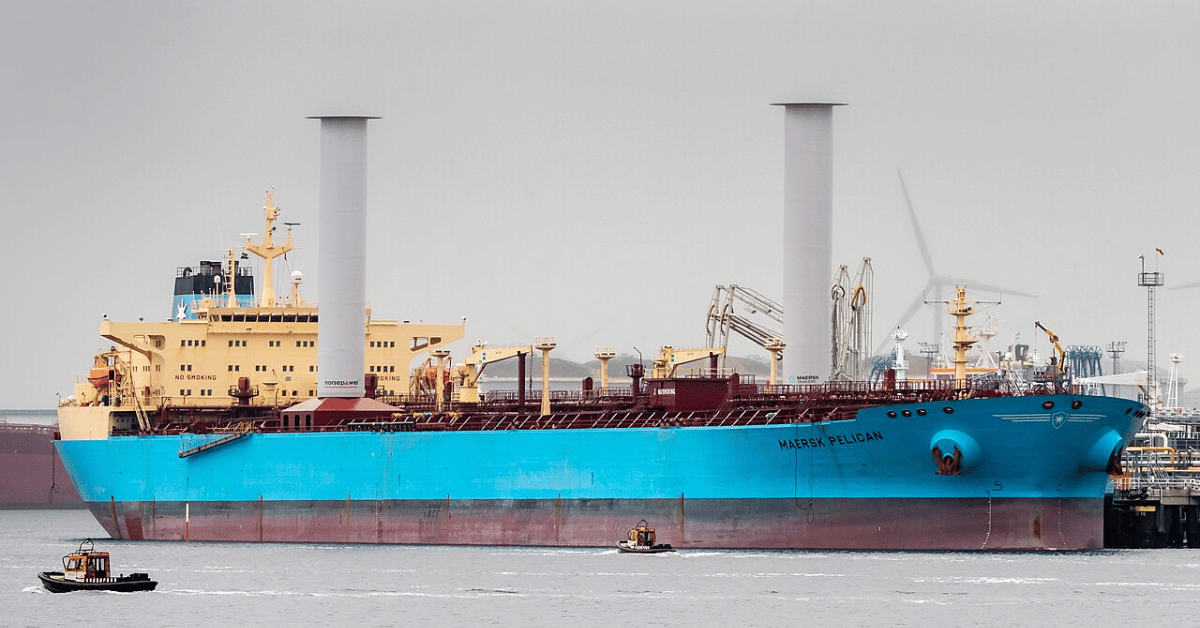
Validating wind propulsion designs to advance measurable decarbonization at sea
Wallenius Marine launches WinPrOVeDD, a project to validate wind propulsion designs that measurably decarbonize vessel operations. This isn't about theoretical promise; it's about empirical, real-world performance. By integrating calibrated data from sea trials, the program aims to transform how efficiently ships harness wind energy. Understanding drives protection, and this initiative offers a clear, measurable path forward. For context on the broader emissions challenge, see our coverage of historical CO₂ contributions by nation.

Seismic data reveals warming oceans are intensifying global wave energy
Seismic data is giving us a measurable, real-time look at how warming oceans are intensifying global wave energy. Richard Aster, a geophysics professor at Colorado State University, presents empirical evidence that connects rising ocean temperatures directly to increasing wave power. This is not speculation; it is a validated, peer-reviewed finding that underscores the urgency of ocean stewardship. For deeper context, readers may explore "A Shared Data Ecosystem to Deepen Global Ocean Understanding."
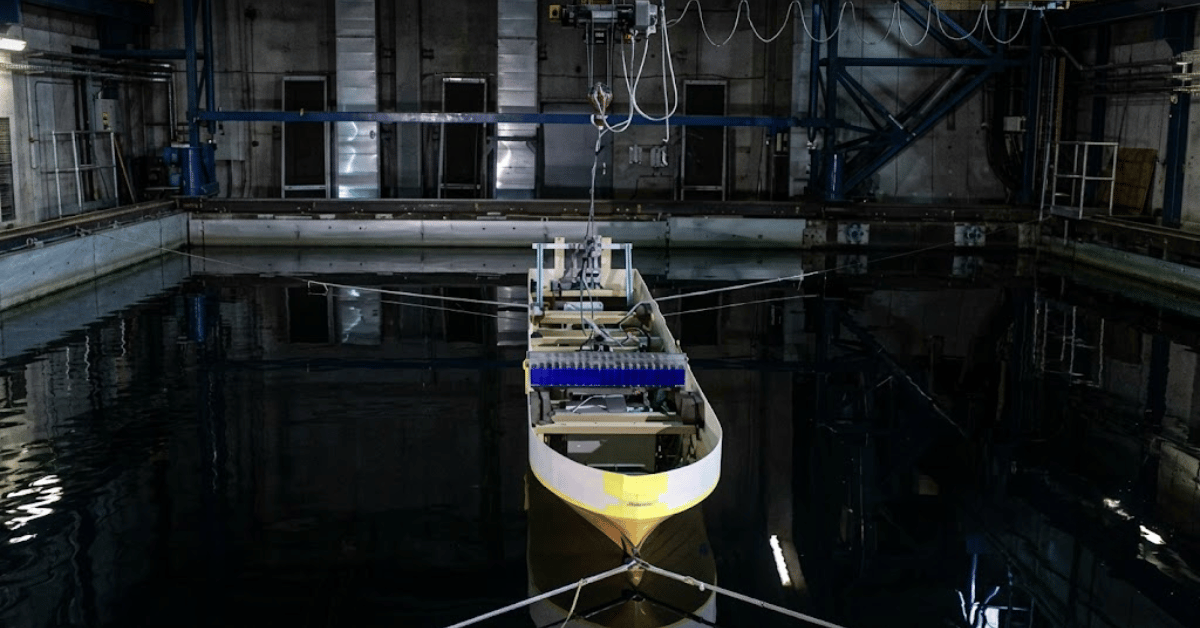
Validated Data to Calibrate Roll Damping on Large Container Ships
Real-world data from a large container ship is now being used to validate how roll damping tanks reduce rolling at sea. ONE and ClassNK have launched a joint study grounded in empirical, measurable performance. This is the kind of calibrated, peer-reviewed work that turns ocean intelligence into safer, more efficient shipping. For another example of validated marine data driving progress, see our coverage of the hydrogen tanker *Kikou Maru* and its successful sea trials.
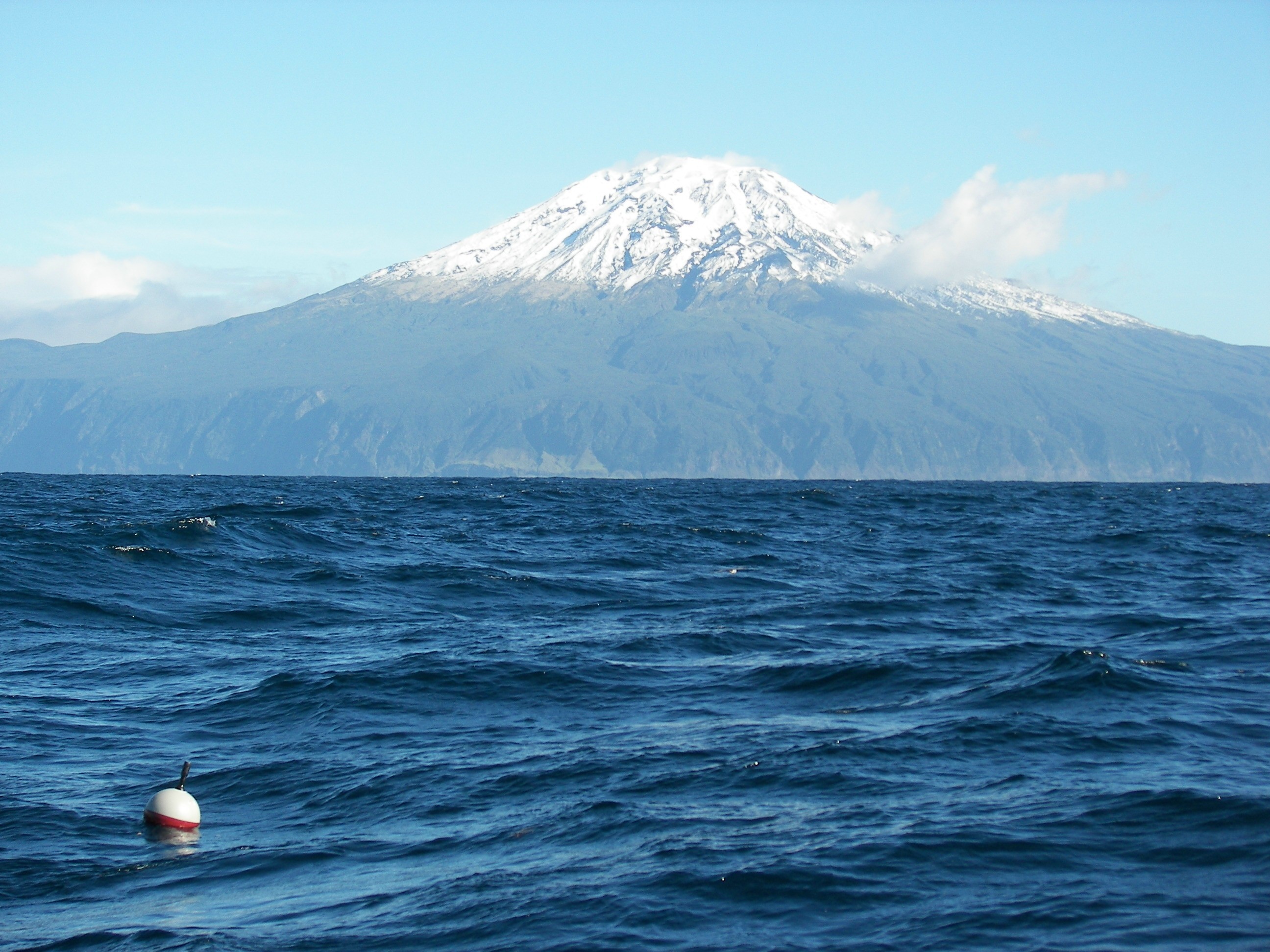
Global Drifter Network Delivers Real-Time Ocean Data to Sharpen Forecasts and Coastal Safety
Every twelve hours, a network of thousands of drifting buoys reports ocean temperature, currents, and barometric pressure from the most remote waters on Earth. NOAA's Global Drifter Program turns that distributed data into a single, calibrated view of the planet's climate system. These instruments verify weather models, sharpen satellite observations, and reveal inter-annual signals like ENSO. Understanding drives protection. For a deeper look at how shared ocean data standards support such systems, see our coverage of integrating fragmented bathymetric data.
Singapore Hub Advances Digital Twins and AI for Ocean Decarbonisation
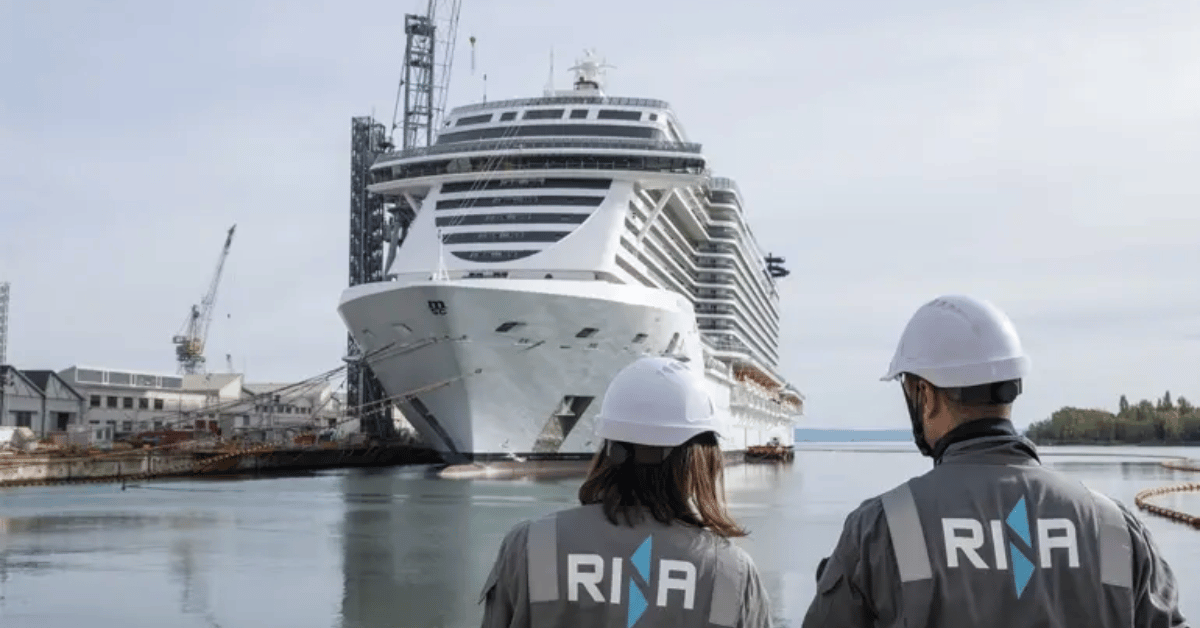
RINA's Singapore Open Innovation Hub is expanding with EDB support, sharpening its focus on digital twins, decarbonisation, and AI-driven maritime solutions. It is a measured step toward practical ocean intelligence, where simulation and real-time data converge to cut emissions. The work complements broader regional momentum, such as India's first e-methanol plant fueling cleaner Asia-Europe routes. Together, these efforts signal a pragmatic shift: decarbonisation is not a distant ideal but an operational target, and Singapore is positioning itself at the centre of that transition.

Bridging Data Gaps: Integrating Citizen Science for Ocean Intelligence
The ocean remains critically under-observed, particularly in coastal zones where traditional monitoring is limited by cost and logistics. Marine citizen science offers a powerful complement, yet fragmented data flows have hindered its full integration into scientific and policy frameworks. The MCSDN workshop in Ostend, Belgium, convened 200 participants from over 30 countries to address this. Their four recommendations, from FAIR guidance to low-cost sensor deployment, signal a community ready to deliver measurable impact.
Chinese Research Vessels Operate Near Alaskan Coast, Raising Security Concerns
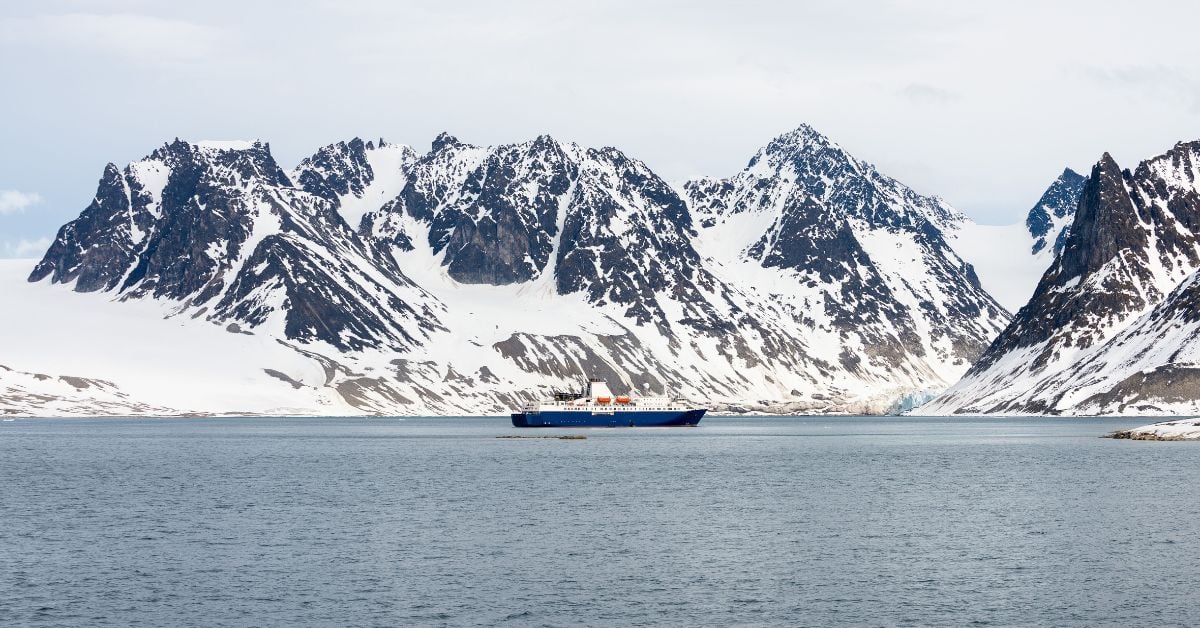
The presence of Chinese research vessels near the Alaskan coast signals a new layer of complexity in Arctic oversight. The United States views these operations as a potential security concern, and that reaction is measured, not alarmist. For those tracking maritime strategy, this is not abstract posturing; it is a concrete development in a region where access and influence are tightening. We should monitor these transits closely, because in the Arctic, presence itself is a form of leverage.
Advancing LNG Shipping: Hybrid Designs for Enhanced Efficiency and Sustainability
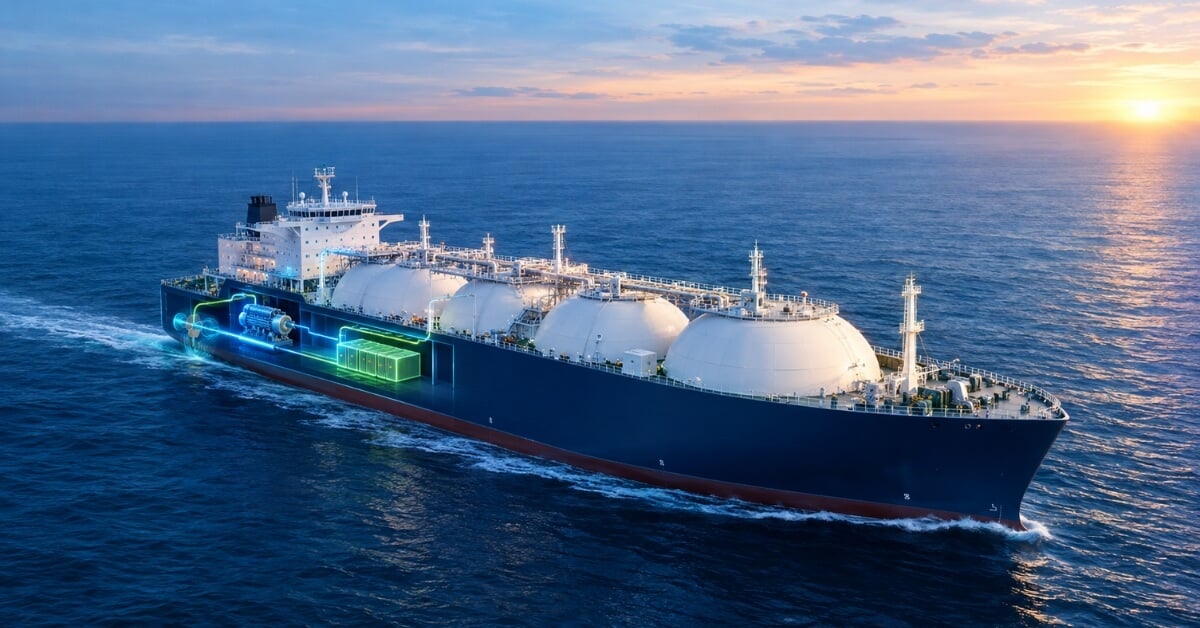
Hybrid electric propulsion is moving LNG carriers beyond incremental gains. Lloyd's Register, with HD KSOE and HD Hyundai Heavy Industries, is targeting a new generation of designs where efficiency and sustainability converge. This collaboration treats vessel architecture as an integrated system, not a sum of parts. For those tracking how maritime innovation addresses climate indicators, this is a measured, empirical step forward.
Collaborative Shipbuilding: India and Germany Advance Ocean Research Capabilities
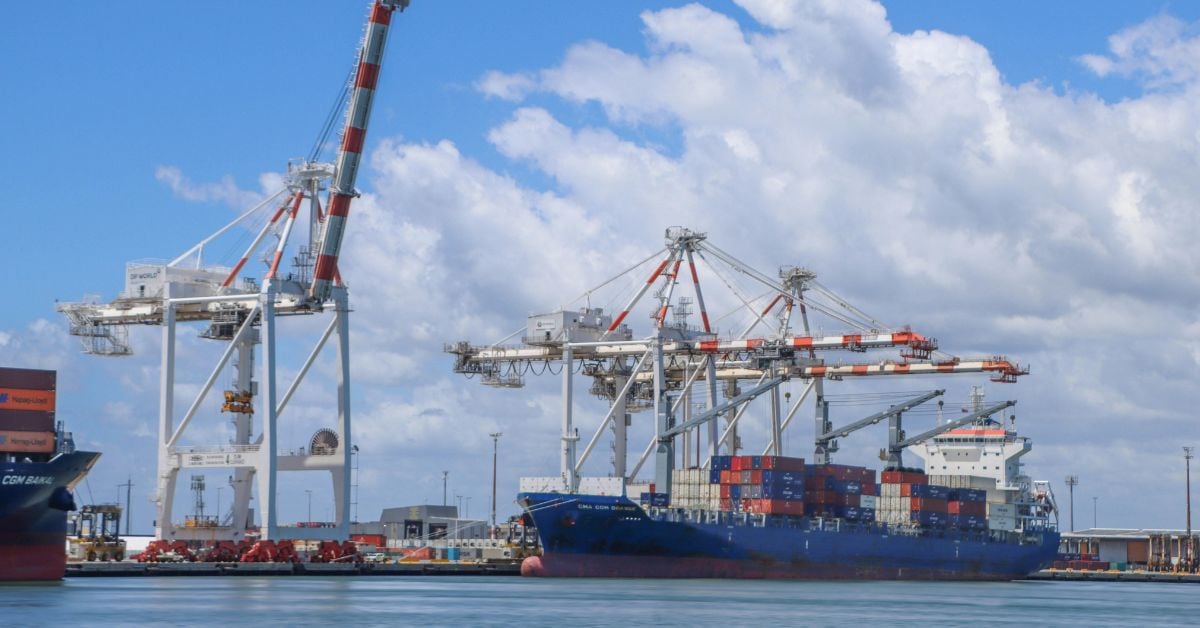
India's Buoyancy Consultants has signed a maritime pact with Germany's Neptune Ship Design GmbH to deliver specialised container, passenger, and research vessels. This collaboration pairs Indian shipbuilding capability with German engineering precision, a combination that speaks directly to the need for measurable progress in ocean research infrastructure. It is a practical step forward, not a symbolic one. For those tracking how national capabilities expand, this is worth watching.
Naval Conflict, Marine Damage: Bridging Legal Gaps for Ocean Protection
Modern naval conflicts leave more than political scars; they scar marine ecosystems across borders. Yet international law, as it stands, offers a fragmented and often inadequate response to this damage. The tension between military necessity and our collective duty to protect ocean health is not merely theoretical. It is a structural flaw, exposed by the evidentiary hurdles of proving "widespread, long-term and severe" harm. This gap demands more than acknowledgment; it requires a legal recalibration toward proactive stewardship, not just reactive regulation.
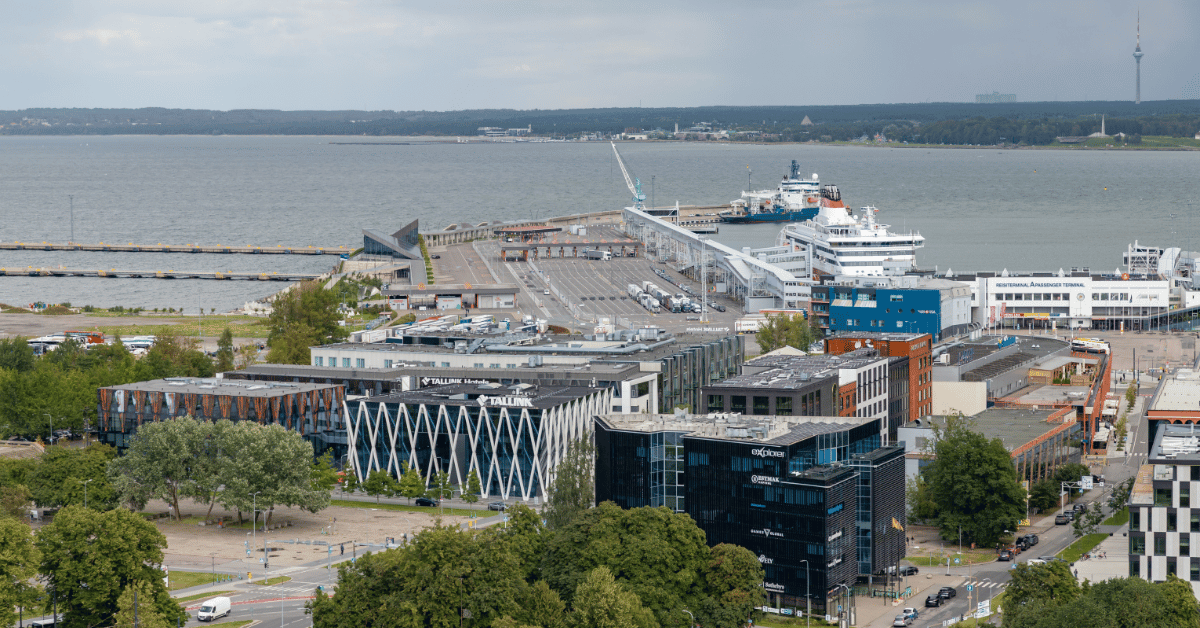
Expanding Reach: Indian Register of Shipping Connects with European Shipbuilding Partners
The Indian Register of Shipping has opened a Hamburg office, signaling a deliberate step toward deeper engagement with European shipbuilding partners. It is a move that makes sense: Europe remains a hub for engineering rigor, and proximity matters when collaboration depends on trust and technical alignment. This expansion is not about abrupt growth but measured integration into a mature maritime ecosystem.
Cultivating Temperate Coral: A Key to Ocean Research and Conservation
Astrangia poculata is not the flashiest coral, but it is proving to be one of the most practical. After years of multi-institutional collaboration, a standardized path from spawning to settlement now exists. The results are concrete: thermal treatment reliably induces spawning, and fertilization rates reached 93 percent. Feeding larvae accelerated their development, while TBP triggered settlement. This is the kind of reproducible foundation that turns observation into experiment.
Mapping Marine Connections: Understanding Biodiversity’s Role in Ocean Health
Marine species do not drift idly in the current; they are the ocean's connective tissue, moving energy and nutrients across entire basins. Marine Functional Connectivity science is making that invisible web visible, yet our knowledge remains fragmented. We can now track migrations through genetics and telemetry, but major gaps persist across depths and regions. This is not an abstract research problem. It is a governance failure.
Governing China’s Blue Carbon: Law, Policy, and Collaborative Action.
China's dual carbon strategy now rests on an unfinished legal foundation. The new Ecological Environmental Code establishes a top-level rule of law for ecological carbon sinks, yet marine blue carbon lacks dedicated regulatory depth. This paper identifies the friction: policies lag practice, market mechanisms stall, and law-policy gaps weaken existing conservation models. The proposed collaborative governance framework, built on specialized legislation, policy-driven market innovation, and multi-stakeholder oversight, offers a practical path forward.

Alternative Fuels: UK Shipping Assesses Safety for a Net Zero Transition
Safety is the quiet foundation of shipping's energy transition, and the UK Chamber of Shipping's new report ensures it is not overlooked. The assessment addresses the practical risks of alternative fuels, grounding the net zero shift in empirical, peer-reviewed scrutiny rather than optimism alone. That measured approach matters for an industry where precision is non-negotiable. For those tracking how such operational data integrates with broader ocean intelligence, our related piece on bridging data gaps through citizen science offers a useful complement to this safety-first perspective.
Charting a Course: MSc Thesis Opportunities in Hydrography and Geoinformatics
A Master's thesis in hydrography is more than an academic requirement; it is a chance to contribute directly to how we measure and protect the marine environment. The student's focus on practical applications and collaboration with research institutes aligns well with the field's need for integrated, real-time data. For those exploring similar paths, the related article "Calibrated ocean intelligence, now within reach through integrated data discovery" offers a useful perspective on where the data ecosystem is heading.

Titanic's Grand Piano Found: A Century-Old Echo in the Atlantic.
Nearly a century after the Atlantic claimed the Titanic, maritime historians have identified the surviving remains of its grand piano. This is not merely an artifact recovery; it is a rare, physical connection to a voyage that has become a benchmark for ocean risk. The find underscores how empirical evidence, like that gathered in our related coverage of citizen science, continues to refine our understanding of this vast, under-observed frontier.
Data-Driven Ocean Insights: Tracking Biodiversity with New Technologies
Machine learning, citizen science, and environmental DNA are no longer abstract tools; they are the backbone of a new era in marine observation. This research, presented at a June 2025 summer school, shows how these technologies, from computer vision to autonomous vehicles, are making biodiversity tracking more precise and more inclusive. It is a practical path toward understanding our oceans, not a theoretical one.
Coordinated Robotics Expand Oceanographic Data Collection Capabilities
Recent advances in multi-robot systems are fundamentally reshaping oceanographic data collection. Autonomous missions now offer increased spatial coverage, extended durations, and safer access to challenging environments compared to traditional ship-based methods—all while significantly reducing costs. Unique oceanic conditions—a dynamic 3D fluid environment, communication limitations, and extended mission lengths—demand specialized coordination strategies. Our analysis contextualizes terrestrial and aerial robotics advancements within these oceanographic requirements, spanning surface, deep-sea, and transitional applications.

Strengthened Maritime Ties: India, Australia Enhance Ocean Intelligence Collaboration
India and Australia have formalized a strategic partnership with the signing of a uranium supply agreement, bolstering bilateral defense cooperation and maritime security. This pact strengthens India’s nuclear energy program while reinforcing collaborative efforts in the Indo-Pacific region. Concurrently, a Memorandum of Understanding between the Indian Coast Guard and Australia's Maritime Border Command facilitates enhanced information sharing and defense supply exchange.