Türkiye
5 stories filed under Türkiye on World Data Ocean. The newest of them: “A 2,100-Year-Old Shipwreck Yields Roman Luxury Cargo in the Eastern Mediterranean”, “Global Shipbuilding Collaboration: Navy Explores International Frigate Options”, and “Shipping Giant Pauses Bookings at Russian Port Following Vessel Attack”. Fifteen meters of ceramic cargo lie scattered across the seabed off Türkiye, a Roman shipwreck that sank 2,100 years ago, now yielding thousands of luxury items. The U.S. A Global Hub for Ocean Intelligence 4 World Data Ocean is a centralized digital platform where researchers, scientists, and ocean enthusiasts converge to… The list below is every Türkiye story on World Data Ocean, newest first.
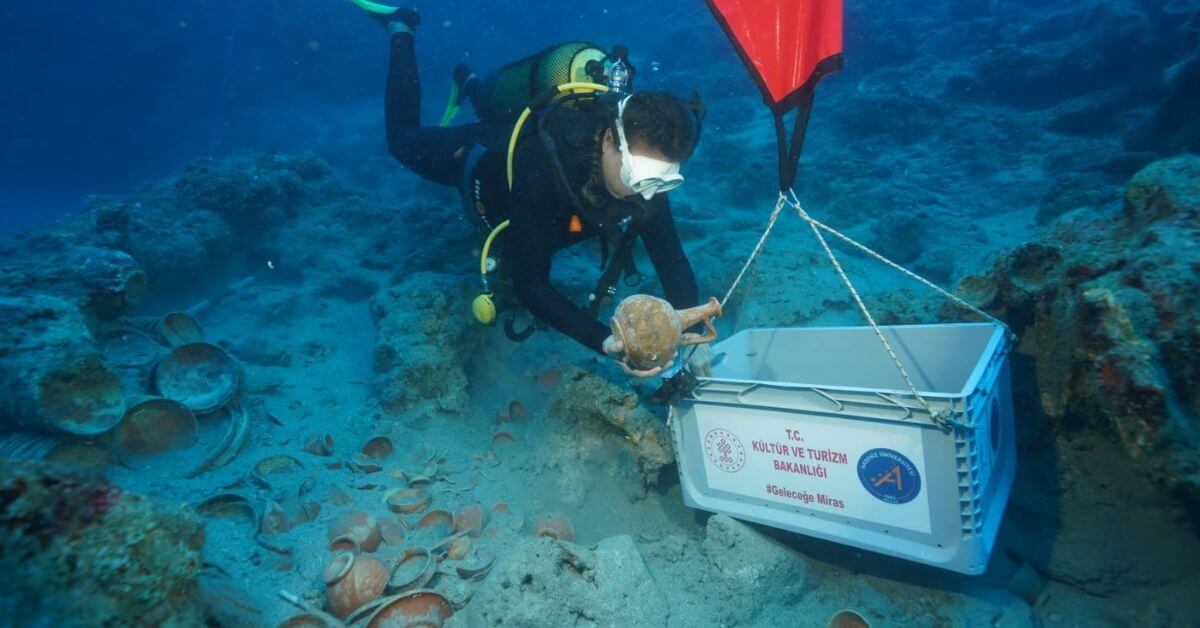
A 2,100-Year-Old Shipwreck Yields Roman Luxury Cargo in the Eastern Mediterranean
Fifteen meters of ceramic cargo lie scattered across the seabed off Türkiye, a Roman shipwreck that sank 2,100 years ago, now yielding thousands of luxury items. This is empirical evidence of ancient maritime trade routes, calibrated by time and preserved by the deep. We find it validating: every amphora recovered sharpens our integrated data ecosystem of historical climate indicators. For contemporary context on naval resilience, see our coverage of *India Builds $1.5B Maritime Shield for War-Risk Coverage*. Understanding drives protection, past and present.
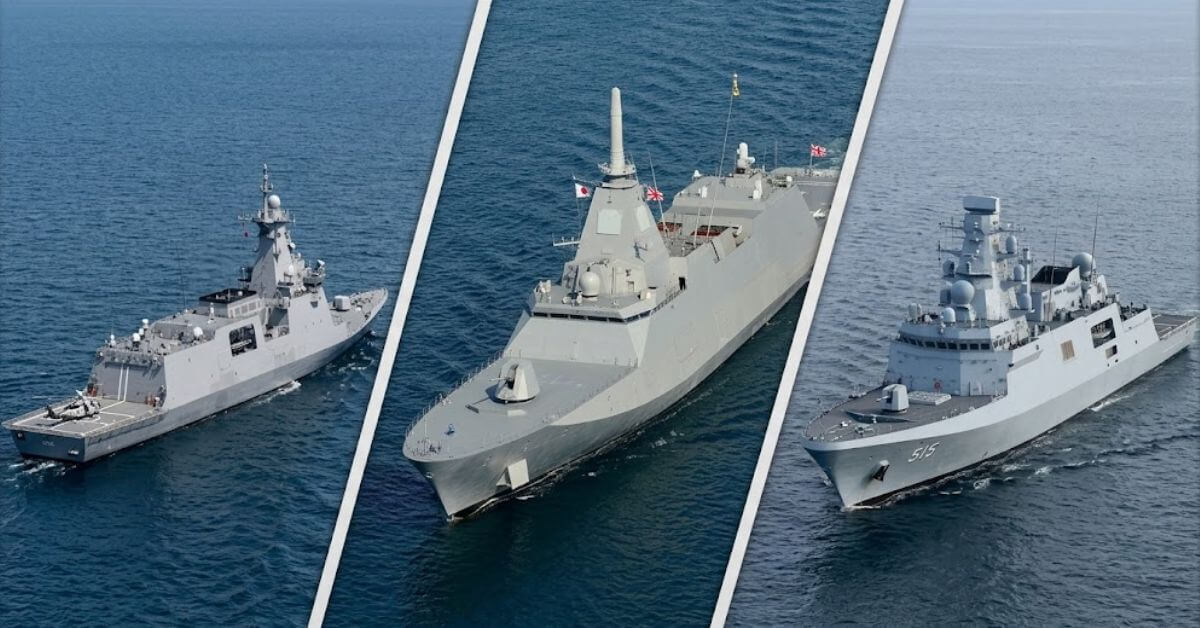
Global Shipbuilding Collaboration: Navy Explores International Frigate Options
The U.S. Navy's move to explore international frigate options signals a pragmatic shift toward speed without sacrificing domestic investment. This approach, which pairs foreign collaboration with targeted funding for U.S. shipyards and workforce expansion, reflects a measured strategy for meeting modern demands. It is a practical acknowledgment that no single nation can build everything alone, and that shared expertise strengthens overall capability. For readers tracking parallel efforts, our coverage of India's expanded naval fleet offers a useful counterpoint.
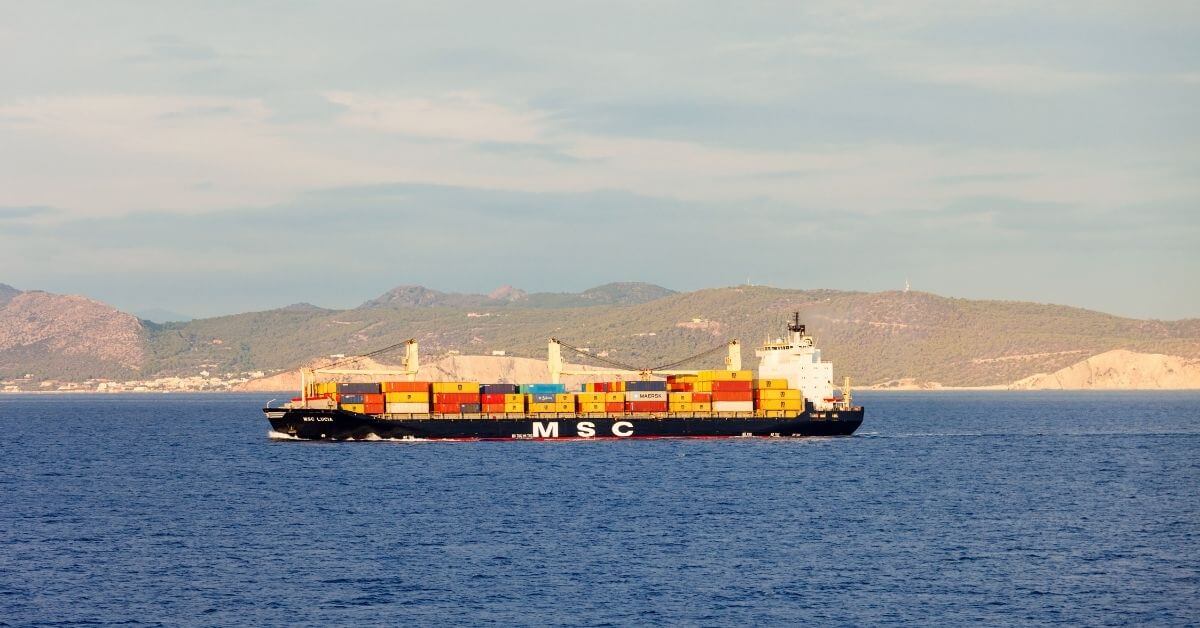
Shipping Giant Pauses Bookings at Russian Port Following Vessel Attack
The MSC Ulsan III, a Panama-flagged vessel built in 2004, now sits at the center of a commercial pause. Shipping Giant has halted bookings at Russian ports following the attack on the ship, a decisive move that prioritizes operational safety over market reach. The vessel's capacity of roughly 2,700 TEUs underscores the logistical weight behind this decision. It is a measured response to a volatile situation, reinforcing that maritime security is non-negotiable.

Black Sea Shipping Restricted Amid Rising Security Concerns.
Türkiye is tightening its grip on Black Sea shipping as attacks escalate against Turkish commercial vessels bound for Russian ports. The restriction reflects a sobering reality: no route is neutral when security fractures. Measured, deliberate action is necessary, but the cost to regional trade is mounting. This is not alarmism; it is the arithmetic of risk.

Shipping Disruptions Impact Russian Coal Exports Amidst Black Sea Conflict
A shortage of available vessels is now constraining Russian coal exports through Black Sea ports, a direct consequence of Ukrainian drone attacks disrupting shipping. The pressure on this route is not incidental; it is a measurable shift in the region's commercial viability. While Moscow adapts its broader maritime strategy, as seen in our coverage of the Northern Sea Route icebreaker levy, this immediate bottleneck underscores how conflict reshapes trade logistics.