grain shipments
grain shipments at World Data Ocean is a file of 6 stories. The newest of them: “Black Sea Tanker Fire Prompts Investigation After Romanian Drone Reports”, “Black Sea stability is a measurable climate and food security indicator”, and “Ukraine Supports India’s Initiative for Black Sea Shipping Routes”. A chemical tanker anchored off Romania's coast is now the subject of an investigation after a fire broke out aboard the Yara J, 8-10 nautical miles southeast of the Sulina Canal. Black Sea stability is a measurable climate and food security indicator. A Global Hub for Ocean Intelligence 4 World Data Ocean is a centralized digital platform where researchers, scientists, and ocean enthusiasts converge to… The list below is every grain shipments story on World Data Ocean, newest first.
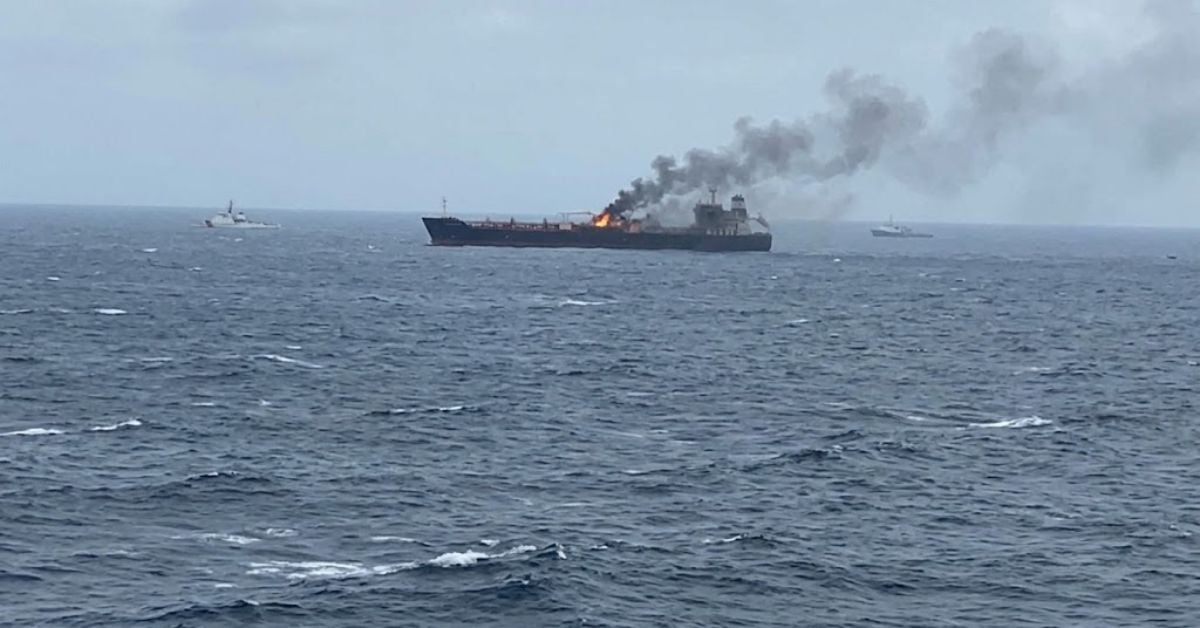
Black Sea Tanker Fire Prompts Investigation After Romanian Drone Reports
A chemical tanker anchored off Romania's coast is now the subject of an investigation after a fire broke out aboard the Yara J, 8-10 nautical miles southeast of the Sulina Canal. The Black Sea remains a theater of compounding threats, where environmental risk from aging vessels meets geopolitical instability. For readers tracking these converging maritime crises, our coverage of the *Three-drone strike sinks Maltese-flagged vessel near Bulgarian coast* documents an equally sobering intersection of commerce and conflict.
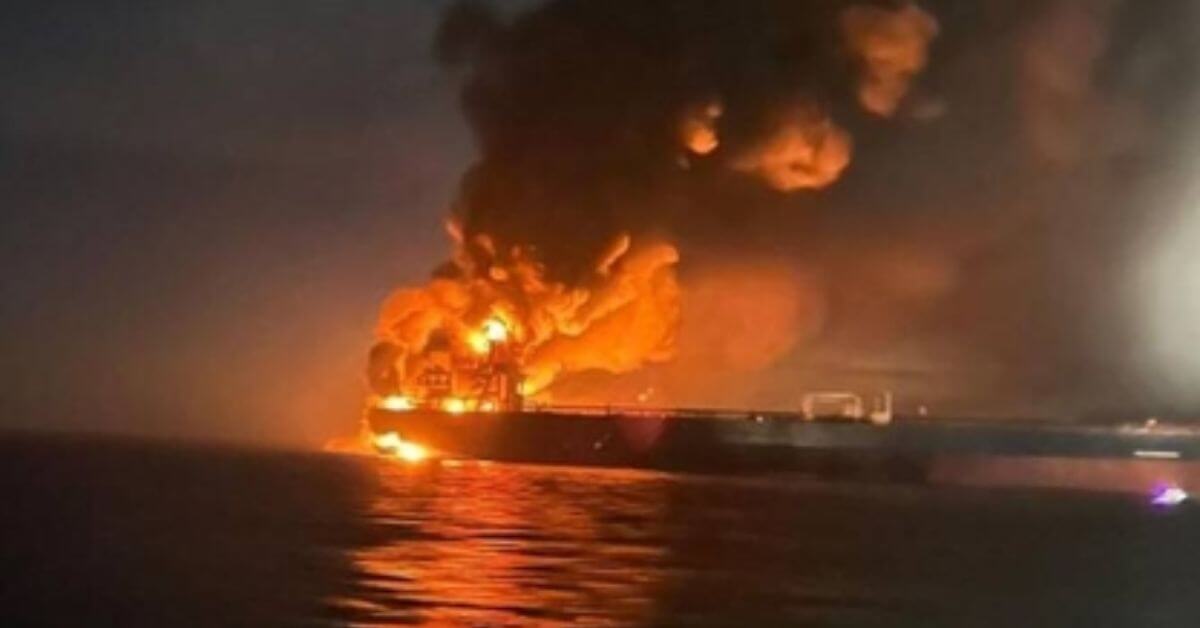
Black Sea stability is a measurable climate and food security indicator
Black Sea stability is a measurable climate and food security indicator. When maritime attacks disrupt grain shipments, the consequences ripple far beyond regional borders. Turkish Foreign Minister Hakan Fidan's warning underscores a basic truth: ocean intelligence is food intelligence. These waters are not a side conflict. They are a calibrated signal of global risk. For deeper context on mounting maritime threats, see our coverage of the recent attacks that injured two Indian seafarers.
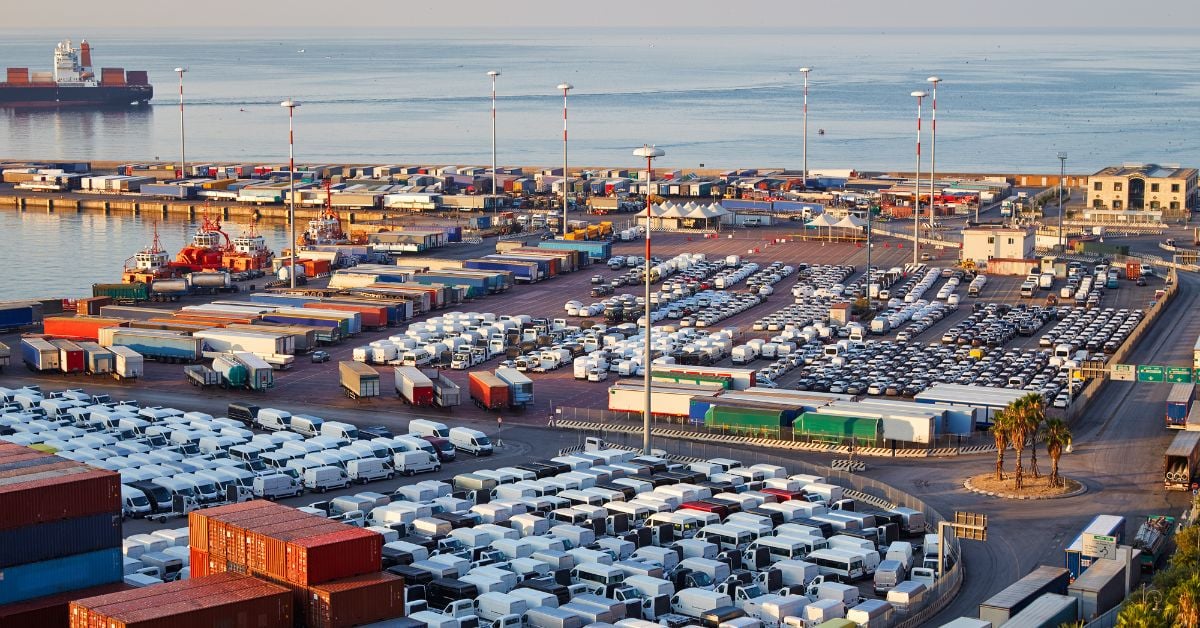
Ukraine Supports India’s Initiative for Black Sea Shipping Routes
Ukraine's consideration of India's proposal to restore safe navigation in the Black Sea signals a practical step toward maritime stability. Reopening these routes is not merely a regional matter; it supports global supply chains and the exchange of ocean intelligence. The move reflects measured diplomacy, grounded in shared interests rather than rhetoric. For readers tracking how nations recalibrate maritime strategy, our related coverage on integrated subsea cables across the Indian Ocean offers useful context on how connectivity and shipping increasingly intersect.

Black Sea Truce Proposal Aims to Stabilize Global Food Supply.
A third-party channel has carried the Black Sea truce proposal to Moscow, yet Ukraine still awaits a reply. The asymmetry is telling: one side engages, the other delays. A stable food corridor is not a favor; it is a global necessity, and every idle day carries measurable cost. For context on how maritime pressure is being applied, our related report, "Russia Calibrates Export Revenue for Northern Sea Route Icebreaker Fleet," offers a useful counterpoint. The signals are mixed, but the proposal stands.

Black Sea Disruptions: Grain Exports at Risk, Global Food Prices Rise
Wheat prices are climbing again as attacks on Black Sea ports and vessels put grain exports at risk. The disruption is not abstract; it is measurable in global markets and in the cost of food. This is a reminder that maritime security and food security are the same issue, viewed from different angles. For context on how regional instability shapes shipping and trade, our related piece on Gulf of Oman STS transfers offers a useful parallel.

Attacks Damage Vessels, Disrupt Trade in Ukraine’s Black Sea Ports
The attack in Odesa, which killed another civilian, shows how directly maritime conflict endangers lives and trade. Each strike against port infrastructure disrupts more than steel and cargo; it fractures the supply chains that sustain global markets. This violence demands measured attention, not alarm. Russia's broader maritime strategy, including its calibrated export revenue plans for the Northern Sea Route, reflects a calculated approach to economic pressure. For deeper context on that strategy, see our related piece on Russia calibrating export revenue.