commercial ships
World Data Ocean keeps commercial ships in one place: 17 stories so far. The section currently leads with “Retrofitting the Fleet: Measurable Steps Toward a Decarbonized Ocean”, “Black Sea stability is a measurable climate and food security indicator”, and “Drone strikes in Black Sea sink freighter, crew remains missing”. The fleet that must decarbonise by 2035 is already at sea, making retrofits a matter of measurable necessity rather than future planning. Black Sea stability is a measurable climate and food security indicator. A Global Hub for Ocean Intelligence 4 World Data Ocean is a centralized digital platform where researchers, scientists, and ocean enthusiasts converge to… The list below is every commercial ships story on World Data Ocean, newest first.
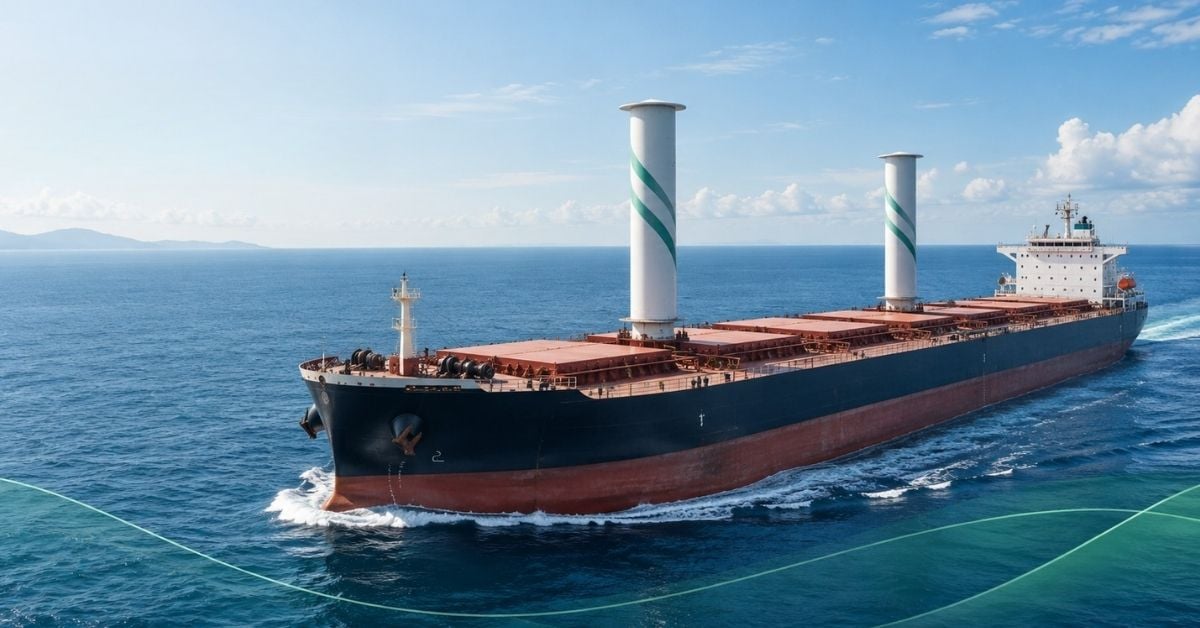
Retrofitting the Fleet: Measurable Steps Toward a Decarbonized Ocean
The fleet that must decarbonise by 2035 is already at sea, making retrofits a matter of measurable necessity rather than future planning. Retrofitting the Fleet offers empirical steps for this transition, grounded in real-world data. For deeper context on ocean acoustics, our related coverage, "Listening to the Deep: 46 Hours of Acoustic Data from an Offshore Platform," explores how industrial operations reshape marine soundscapes. Understanding drives protection, and this work provides the calibrated path forward.
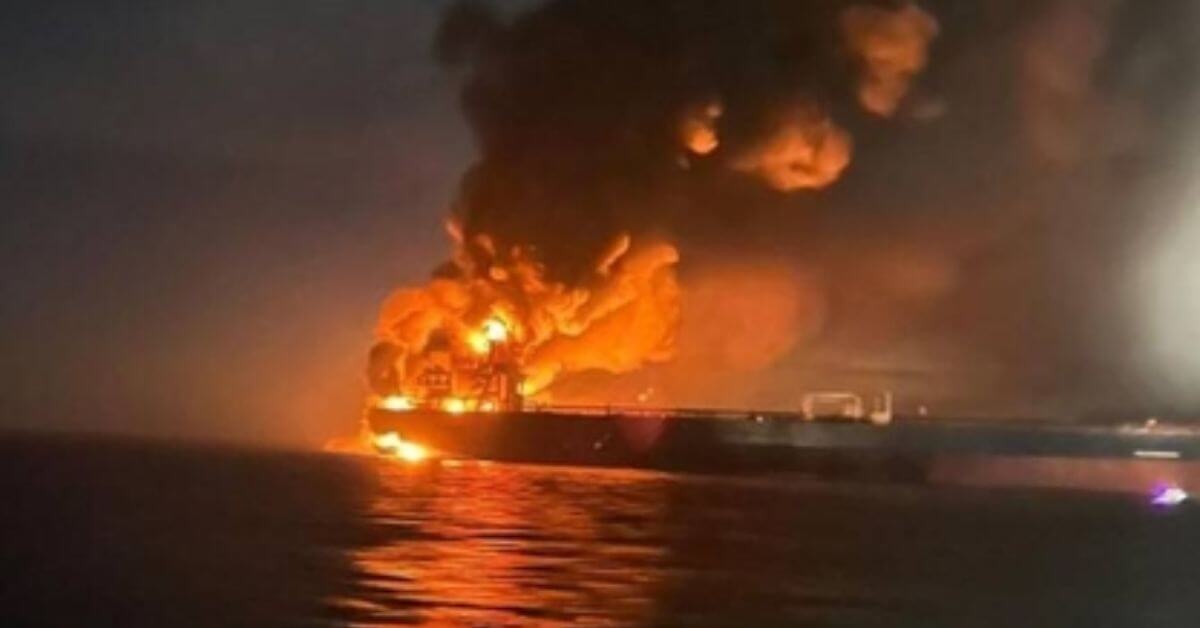
Black Sea stability is a measurable climate and food security indicator
Black Sea stability is a measurable climate and food security indicator. When maritime attacks disrupt grain shipments, the consequences ripple far beyond regional borders. Turkish Foreign Minister Hakan Fidan's warning underscores a basic truth: ocean intelligence is food intelligence. These waters are not a side conflict. They are a calibrated signal of global risk. For deeper context on mounting maritime threats, see our coverage of the recent attacks that injured two Indian seafarers.
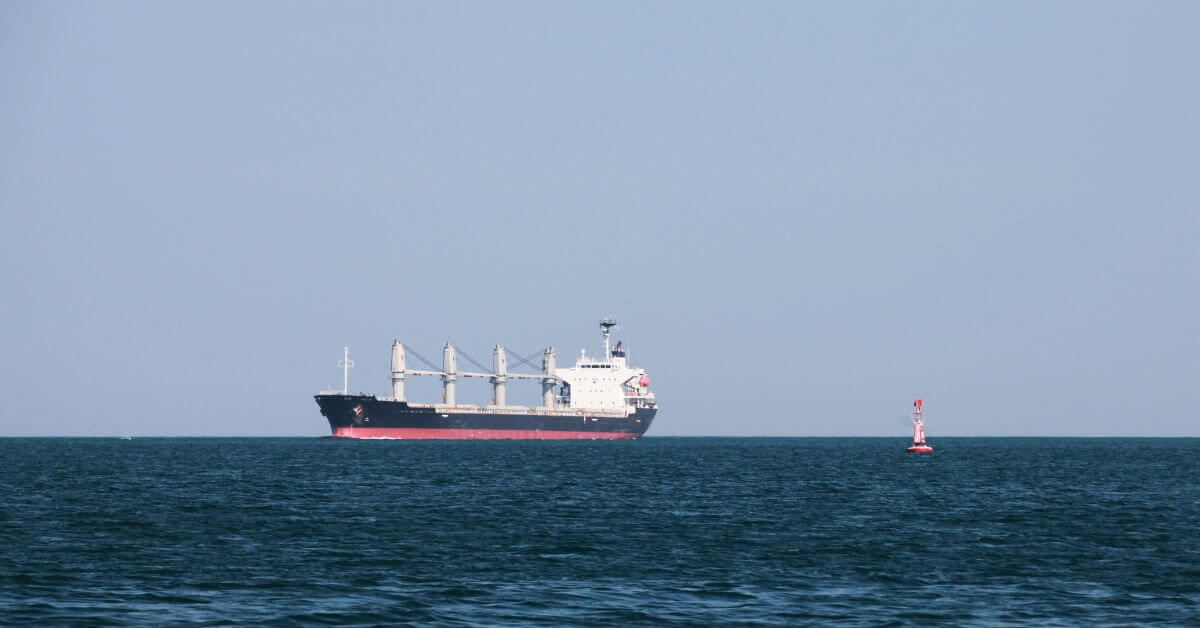
Drone strikes in Black Sea sink freighter, crew remains missing
A cargo ship has sunk in Bulgaria's exclusive economic zone after drone strikes hit two commercial vessels in the Black Sea, leaving the crew missing. This is not an isolated incident. A Liberian-flagged oil tanker carrying Indian crew members recently caught fire off Russia's coast near Sochi. The pattern is measurable and troubling. Maritime safety faces new, uncalibrated threats. For deeper context, read our article "Black Sea incident raises urgent questions on maritime safety and climate risk.
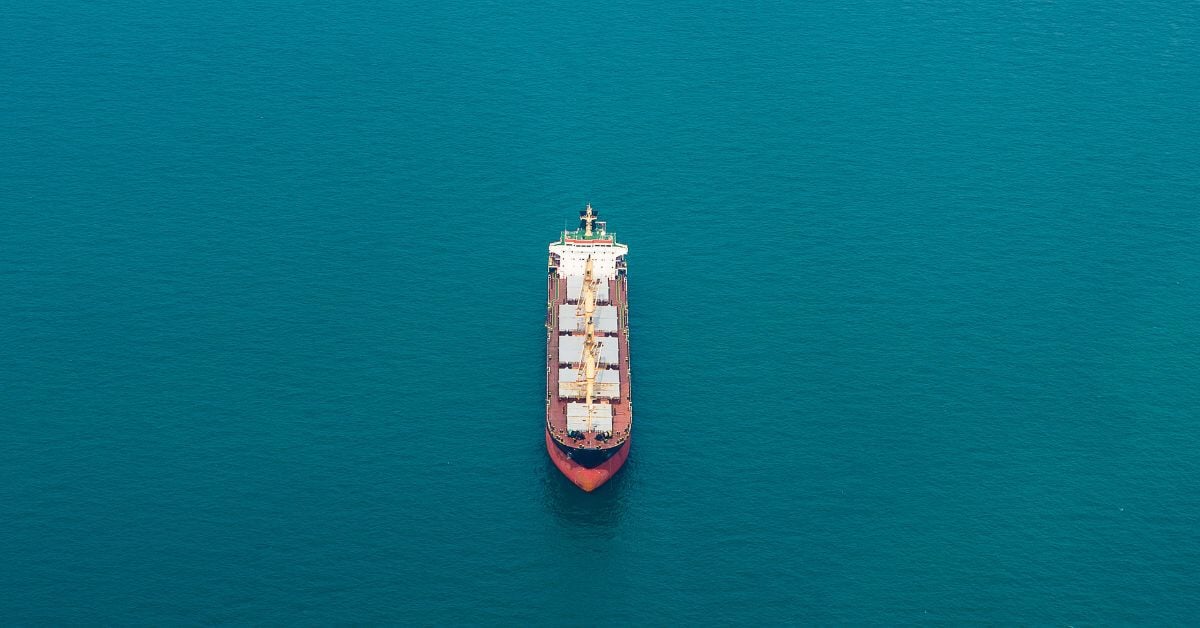
Vessel Struck by Unknown Projectile in Strait of Hormuz, Fire Reported
A vessel struck by an "unknown projectile" in the Strait of Hormuz on Monday evening has ignited a fire onboard, marking another dangerous incident in one of the world's most critical maritime chokepoints. We cannot afford to treat these attacks as isolated events. As we saw in the tragic *June Aster* ferry fire, where 77 lives were lost, the ocean demands rigorous safety protocols and transparent accountability.
Russian Maritime Activity Raises Concerns of Drone Operations in Mediterranean
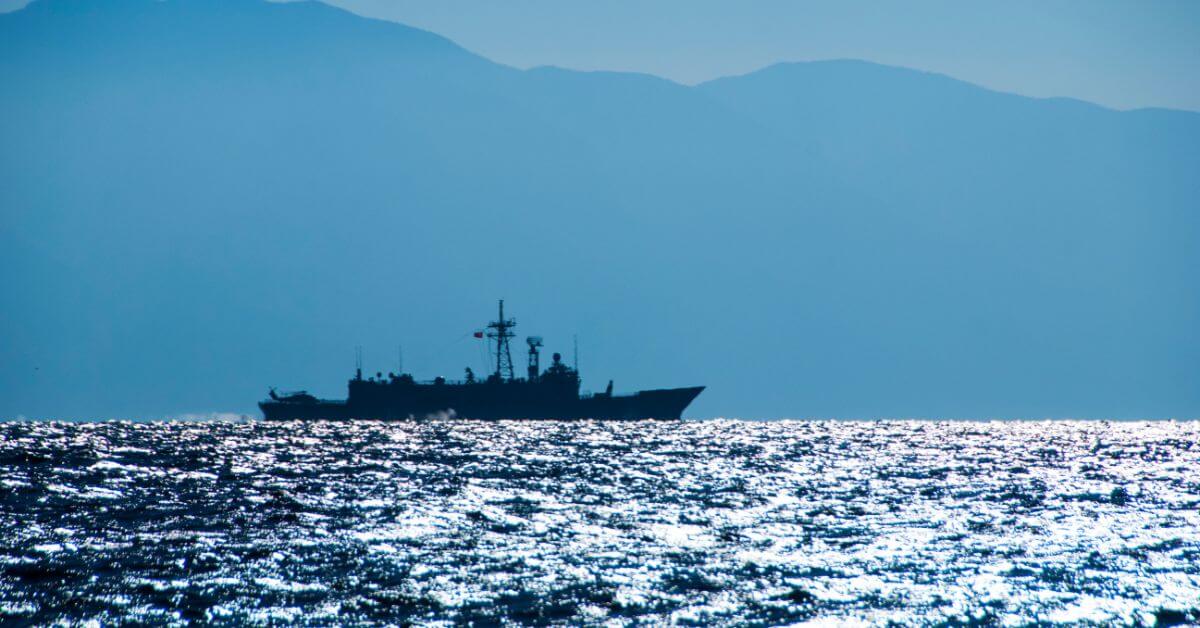
A CIA warning to European allies points to a suspected Russian plan to launch drones from commercial ships in the Mediterranean. The move signals a calibrated escalation, one that turns civilian vessels into potential platforms for covert operations. It is a reminder that maritime security now extends beyond traditional naval threats. For context on Russia's broader maritime strategy, our related coverage of the Northern Sea Route icebreaker fleet offers useful background.
Drone Strike and Fire Imperil Cargo Ship, 23 Seafarers Aboard
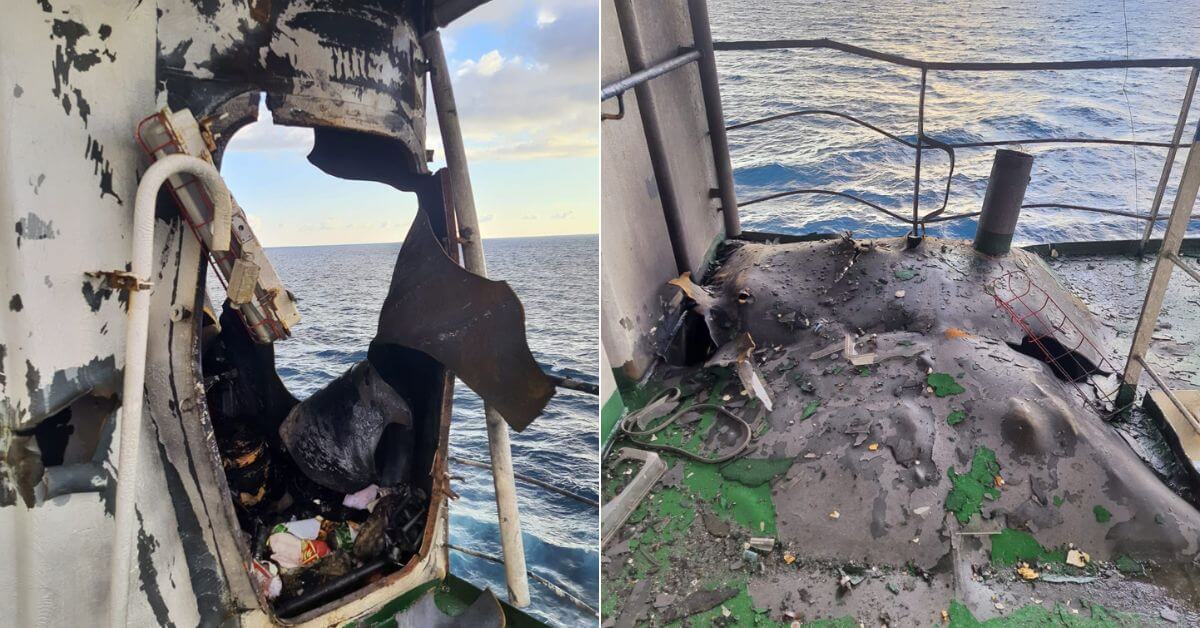
The MV BARYON, IMO 9151412, was struck by a drone and fire while en route from Novorossiysk to Karachi, imperiling 23 seafarers aboard. This incident is a sharp reminder that maritime risk is no longer confined to weather or navigation. The threat is asymmetric, and it is here. As our reporting on Gulf of Oman STS transfers and Russian drone activities suggests, the operational picture is shifting. We will be tracking this closely, because safety at sea demands we understand every new vulnerability.
Escalation in Hormuz: U.S. Targets Iranian Tankers Amid Rising Tensions
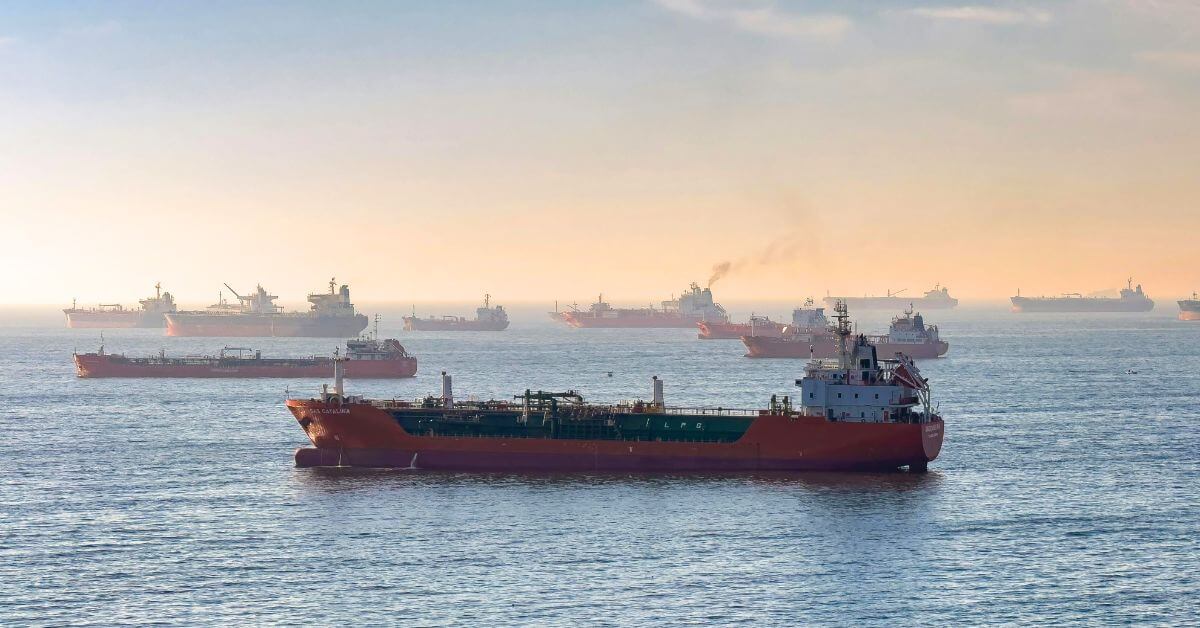
For the first time, U.S. forces have directly targeted Iranian tankers in response to attacks on commercial shipping in the Strait of Hormuz. The escalation marks a decisive shift in how Washington is policing one of the world's most critical maritime chokepoints. Measured, but unmistakable, the action signals that the rules of engagement have changed. As pressure builds across the region, the implications for oil flows and navigation are immediate.

Black Sea Grain Shipments Limited as Truce Proposal Fails.
The Black Sea Grain Shipments Limited's collapse, following the failed truce, leaves Ukraine's agricultural lifeline critically constrained. Since August, only 500,000 tonnes have moved, a mere fifth of what could ship. This is not a stalemate; it is a calibrated strangulation. The measured volume signals deliberate pressure, not logistical failure. While Russia calibrates its own maritime leverage elsewhere, as our piece on Northern Sea Route icebreaker funding shows, the immediate cost here is global food security.

Iran Imposes Shipping Fees, Restricts U.S. and Israeli Vessels Through Hormuz.
Iran's move to impose shipping fees of up to 7% of cargo value on vessels transiting the Strait of Hormuz, alongside 20% fines for violations, injects a new layer of economic pressure into an already tense maritime corridor. The measure is direct and measurable, a calibrated response that signals resolve without escalating to confrontation. For shippers and insurers, the calculus shifts immediately. This follows patterns seen in our coverage of Gulf of Oman STS transfers, where capacity constraints already test regional logistics.

U.S. Military Bolsters Blockade of Iranian Vessels Amid Rising Tensions
U.S. Central Command announced on X that its warships, reconnaissance aircraft, and service members are enforcing a naval blockade of Iranian vessels. The move tightens pressure in an already volatile maritime corridor. It is a deliberate, measurable escalation, one that signals resolve without theatrical alarm. For readers tracking how Gulf tensions intersect with energy flows, our related piece on Gulf of Oman STS transfers offers useful context. The blockade is not theater; it is a calibrated projection of force.

Securing Maritime Routes: Urgent Global Action Needed to Protect Shipping.
Attacks on commercial shipping across the Black Sea, Red Sea, Gulf of Aden, and Strait of Hormuz are no longer isolated incidents; they are a coordinated challenge to global trade. This pattern demands a unified, empirical response, not reactive patchwork. The data is clear: maritime routes are increasingly contested, and the cost of inaction is measurable. We support urgent, collaborative action to protect these vital corridors. For deeper context on the region's pressures, our coverage of Gulf of Oman STS transfers offers a relevant perspective.

Strait of Hormuz: Maritime Security and International Law Asserted.
The U.S. military has rejected claims that the Strait of Hormuz falls under unilateral control, asserting instead that it remains an international waterway bound by maritime law. That position is correct, and it matters globally. The strait is not a bargaining chip; it is a corridor where legal norms must hold. For readers tracking the stakes, our related piece on phased negotiations offers useful context. The rule of law, not escalation, should define this passage.

Strait of Hormuz Traffic Declines Amid Increased Security Measures.
Commercial traffic through the Strait of Hormuz has dropped sharply following recent missile, drone, and shipping attacks, a measurable shift in one of the world's most vital maritime corridors. The decline underscores how immediate security threats now override the steady flow of energy that typically defines this waterway. This is not an abstract disruption; it is a calibrated response to real-time risk, and one that demands integrated monitoring.

U.S. Navy Enforces Blockade, Restricting Access to Iranian Ports.
Seventeen hours after reimposing the naval blockade, U.S. Central Command confirmed the Navy is enforcing restricted access to Iranian ports. The move is precise, deliberate, and calibrated to pressure without escalation. It is a direct signal, measured in hours, not rhetoric. For those tracking Gulf dynamics, the pressure on shipping lanes is mounting. Our related piece, "Phased Negotiations Aim to Ease Restrictions on Strait of Hormuz," offers essential context on whether this corridor might reopen.

Escalating Tensions: Iran Targets Seven Commercial Vessels, Civilian Casualties Reported.
The head of U.S. Central Command confirmed that Iran struck seven commercial vessels in the past week, with civilian crew members among the dead. This is not an abstract strategic calculation; it is a direct assault on the people who keep global trade moving. The violence is a stark reminder that maritime security is not a given, but a fragile condition requiring constant defense. For broader context on how nations are responding, our related piece on India's expanded naval fleet offers a timely perspective.

Trade Focus Alters Transit Fees in Gulf Region
President Trump's plan to pivot toward direct trade and investment agreements with Gulf allies signals a calculated shift in regional economics. By prioritizing bilateral deals, the administration aims to recalibrate transit fees and commercial leverage, a move that could yield mutual gains if executed with precision. The timing is telling, given the strain on Gulf of Oman STS transfers, as detailed in our related coverage. Trade policy here is not abstract; it is measured in barrels, routes, and renegotiated terms.

Regional Tensions Rise as Iran and UAE Trade Accusations of Attacks
Iran's response to the UAE's accusation arrived within hours, a pointed rebuttal to claims that Tehran launched cruise missiles at two national tankers. The exchange sharpens a familiar volatility, and the speed of the denial suggests more than diplomatic reflex. It signals how fragile maritime trust has become. For those tracking the region's pressure points, this is not an isolated flare-up. Our related coverage on Gulf of Oman STS transfers maxing out shows the commercial stakes already running high.