marine life
46 stories filed under marine life on World Data Ocean. The newest of them: “Malaysia restricts tanker traffic and bunkering in new Strait marine protected zone”, “Identifying an Unidentified Marine Object from Citizen Observations in Tarifa”, and “Unexplained epidermal growth on California moray prompts scientific curiosity”. Malaysia has taken a measured but decisive step in its newest marine protected zone, restricting tanker traffic and bunkering while imposing speed limits on all vessels. A blurry photo from Tarifa, Spain, poses a clear question: what is that unidentified marine object? A Global Hub for Ocean Intelligence 4 World Data Ocean is a centralized digital platform where researchers, scientists, and ocean enthusiasts converge to… The list below is every marine life story on World Data Ocean, newest first.

Malaysia restricts tanker traffic and bunkering in new Strait marine protected zone
Malaysia has taken a measured but decisive step in its newest marine protected zone, restricting tanker traffic and bunkering while imposing speed limits on all vessels. Large cargo ships and oil tankers are now forbidden from entering the Strait. This is a calibrated move to protect critical marine habitat without shutting down commerce entirely. For those tracking how citizen science can inform ocean policy, our piece on identifying an unidentified marine object from citizen observations in Tarifa offers a parallel example of community-driven data collection.

Identifying an Unidentified Marine Object from Citizen Observations in Tarifa
A blurry photo from Tarifa, Spain, poses a clear question: what is that unidentified marine object? Citizen observations like these are the raw data of ocean intelligence. They remind us that discovery often starts not with calibrated instruments, but with a curious eye and a phone camera. We validated a similar community-driven approach in our recent piece on a browser game that turns seahorse species identification into a citizen science tool. Every observation matters.

Unexplained epidermal growth on California moray prompts scientific curiosity
An unexplained epidermal growth on a California moray at the Aquarium of the Pacific has sparked legitimate scientific curiosity. This single individual, observed with a distinctive "little hairdo," represents an empirical anomaly. No peer-reviewed documentation or online imagery matches this observation. Such outliers are precisely what drive ocean intelligence forward. Understanding drives protection. For those exploring similar biological mysteries, our piece on identifying a squid's unknown organ through empirical dissection offers a parallel in methodical discovery.
A browser game turns seahorse species identification into a citizen science tool
A browser game that turns seahorse species identification into citizen science is exactly the kind of accessible, purpose-driven tool ocean stewardship needs. The creator, visiting the Aquarium of the Pacific, recognized how little even an engaged observer knows about distinguishing species. That honest starting point led to a calibrated, interactive resource. It is refreshingly transparent about the challenge, many seahorses still look alike to an untrained eye. Feedback is genuinely welcomed.
Tassled scorpionfish reveal the value of integrated observation in marine camouflage
The tassled scorpionfish's ability to vanish against the reef is more than a marvel of evolution, it is a case study in the value of integrated observation. By merging behavioral data with real-time environmental metrics, researchers can decode how camouflage succeeds under shifting conditions. This kind of empirical, calibrated approach transforms a single species into a climate indicator. For another perspective on how hands-on observation builds scientific careers, see our related piece, "Bridging the gap from undergraduate experience to ocean science careers."
Acoustic restoration: attracting marine life back to damaged reefs with sound
The segment on *How to Live on Earth* introduced a concept I had not encountered: using recorded sounds from healthy reefs, what the film calls "coral jazz", to draw marine life back to damaged ecosystems. It is a compelling blend of ecology and acoustics. This kind of empirical, restorative research aligns with our coverage of ocean intelligence, including work on translating fishery experience into validated research skills.
From sunlight to abyss: a visual journey through every ocean depth zone
Understanding drives protection. This animated journey from sunlit surface to abyss makes ocean depth zones tangible for everyone, tracking how light fades, pressure intensifies, and life adapts at each layer. The stylized, AI-generated illustrations are deliberately not underwater footage or a scale-accurate simulation. For oceanographers: the most important caveat for beginners is that boundaries between zones are gradual, not abrupt. For deeper context, our related piece on accelerating climate signals shows why visualizing these layers matters now.
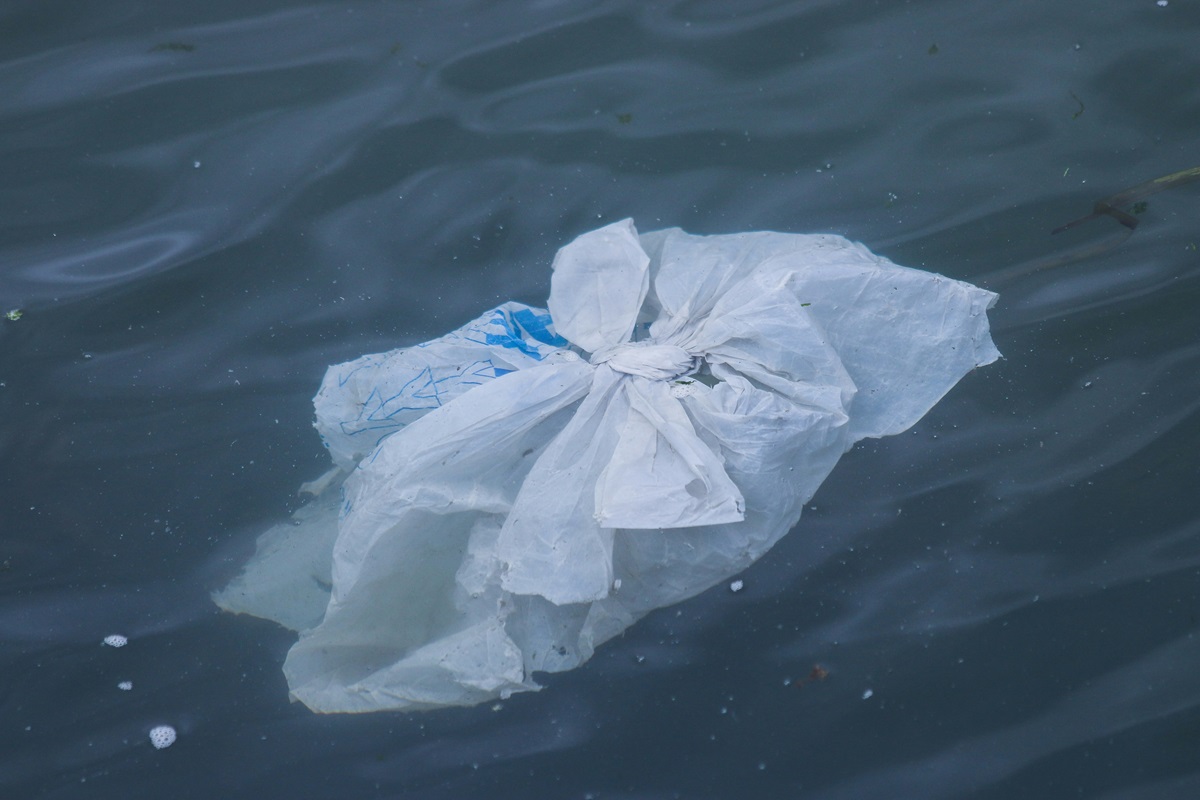
Seafloor sediment confirmed as a vast plastic pollution reservoir
Seafloor sediment has been confirmed as a vast plastic pollution reservoir, according to a world-first study by the Commonwealth Scientific and Industrial Research Organisation. This is not a surface problem, plastic is accumulating in the deep, where it becomes part of the geological record. The finding is a measurable, empirical signal of our impact. Understanding where plastic settles, from the seafloor to the Great Pacific Garbage Patch, is foundational to integrated ocean stewardship.
Life's mass across oceans, land, and deep subsurface mapped with empirical clarity
Life's mass is not evenly scattered across the planet, it is concentrated in distinct realms, from the sunlit ocean surface to the deep subsurface. Empirical mapping now offers a measurable, calibrated view of this distribution, revealing where biomass truly resides. Understanding drives protection. For deeper context on planetary-scale change, explore our related coverage on how seismic records measure a strengthening pulse beneath warming oceans.
Tracing ocean plastic to its land-based sources via empirical data
Every river is a potential pipeline. Our latest analysis, grounded in empirical data, traces ocean plastic back to its land-based origins. The evidence is clear: mismanaged waste from coastal populations is the primary driver. This is not guesswork; it is a measurable, validated flow. Understanding this pathway is the first step toward intervention. For deeper insight into where these plastics ultimately settle, see our related piece, "From surface to seafloor, a calibrated global map of microplastic drift.
Five mass extinctions recorded in Earth's geological archive
Five mass extinctions are recorded in Earth's geological archive, each a testament to the planet's capacity for profound biological upheaval. Understanding these ancient events sharpens our focus on the present. Our integrated data ecosystem now measures the pulse of a warming ocean, where seismic records track strengthening waves, a real-time climate indicator. For deeper insight, read "Seismic records measure a strengthening pulse beneath warming oceans." The past warns us; the data empowers us to act.
Citizen Science Meets Machine Learning: Inside MBARI's Fathomverse
Understanding drives protection. MBARI's Fathomverse turns ocean exploration into a shared mission, letting anyone classify marine life from rover-captured imagery. The AI doesn't replace researchers; it accelerates their work, flagging species patterns that would take humans months to catalog. Your clicks calibrate algorithms, not displace jobs, they refine models that already guide conservation. It's measurable, peer-reviewed progress, not a threat. For those questioning the ethics, this is transparent, collaborative science.

Unexpected Chiton Discovery in Puerto Rico Challenges Species Distribution Models
A chiton thought to be a snakeskin species has surfaced in Puerto Rico, yet that species was never documented in Caribbean or Atlantic waters. The discovery challenges the reliability of species distribution models that underpin much of our ocean intelligence. This is not a minor range extension, it is a signal that empirical data must catch up with predictive frameworks. Understanding drives protection, and this finding reminds us that validated, real-world observation remains the anchor of credible marine science.

Unidentified Marine Specimen Found on California Beach, Sparks Curiosity
A beachcomber's photograph from 2017 has resurfaced, and the unidentified marine specimen it captures still invites more questions than answers. Curiosity like this is the first step toward ocean intelligence. When we encounter the unfamiliar, we are reminded that the ocean's full record is still being read. For those drawn to such puzzles, our related coverage on unexpected discoveries, such as the chiton find in Puerto Rico, offers a useful frame. Every observation is a data point worth validating.

Unidentified Marine Life Observed in South Florida Waters
A community post about unidentified marine life in South Florida waters raises the kind of question that drives ocean intelligence forward. The observer's surprise at seeing these creatures "swing" in the water is a reminder that our understanding of marine ecosystems remains incomplete. Validated observation, even anecdotal, is a starting point for empirical inquiry. We encourage further reporting and documentation, as such data can contribute to a more integrated data ecosystem.
Unveiling Ocean Insights: Five Unexpected Facts from World Data Ocean
Beneath the waves, discovery often rewrites what we thought we knew. World Data Ocean's latest findings challenge assumptions about marine life, and the implications are as practical as they are profound. This is the kind of data that sharpens our understanding of ocean intelligence, offering measurable insights for researchers and policymakers alike. It is a reminder that empirical observation still leads the charge in ocean stewardship.
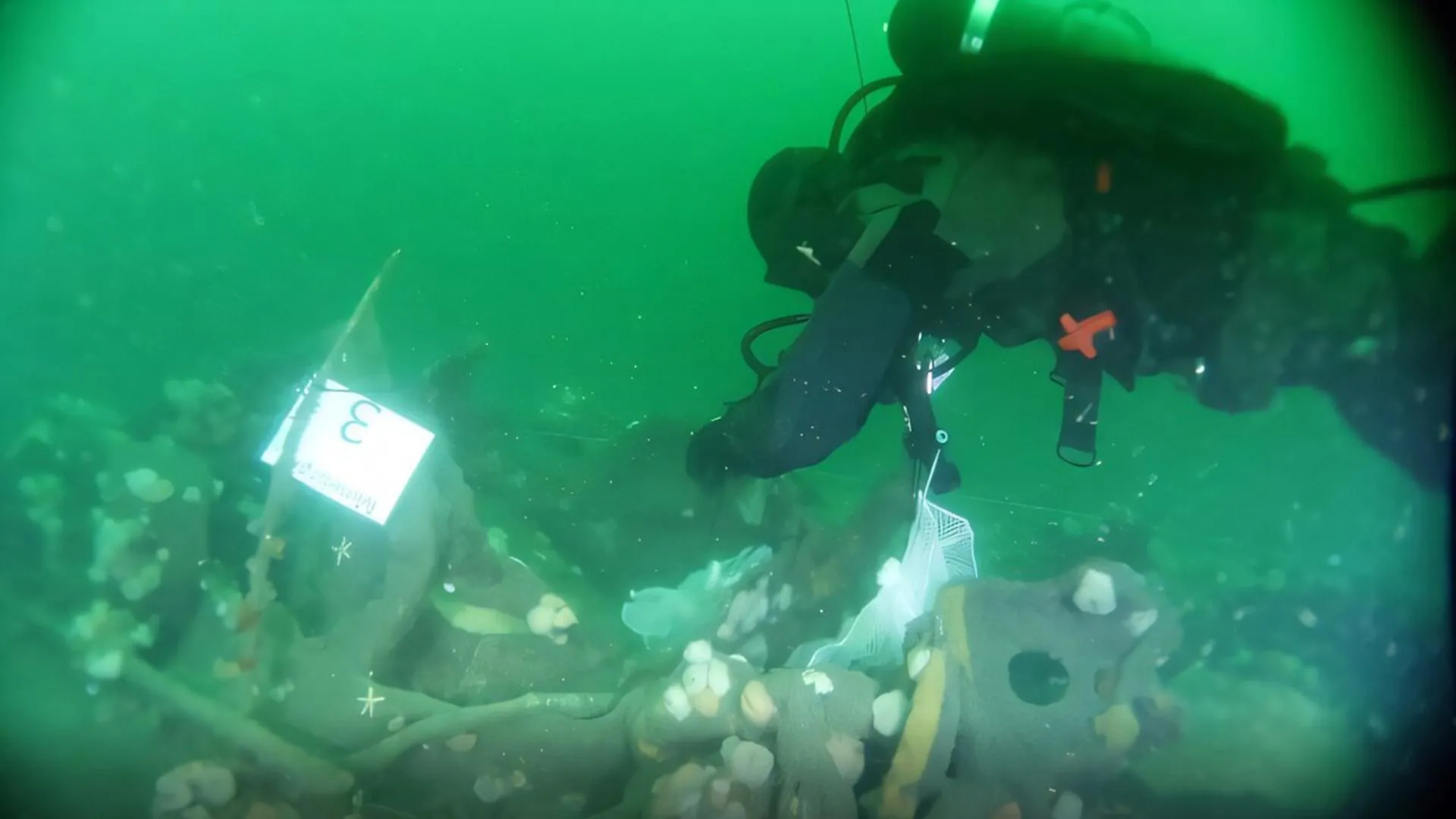
Centennial TNT Leak Highlights Risks from Historic Submarine Wrecks
A century after sinking, a World War I submarine wreck off Denmark is leaking TNT into the surrounding water, seabed, and marine life. This is not a distant historical footnote, it is a measurable, real-time warning. Thousands of similar corroding wrecks could pose growing environmental risks. Understanding drives protection. For deeper coverage of maritime challenges, see our related article on India's expanded naval fleet, which reflects the evolving pressures on our oceans.
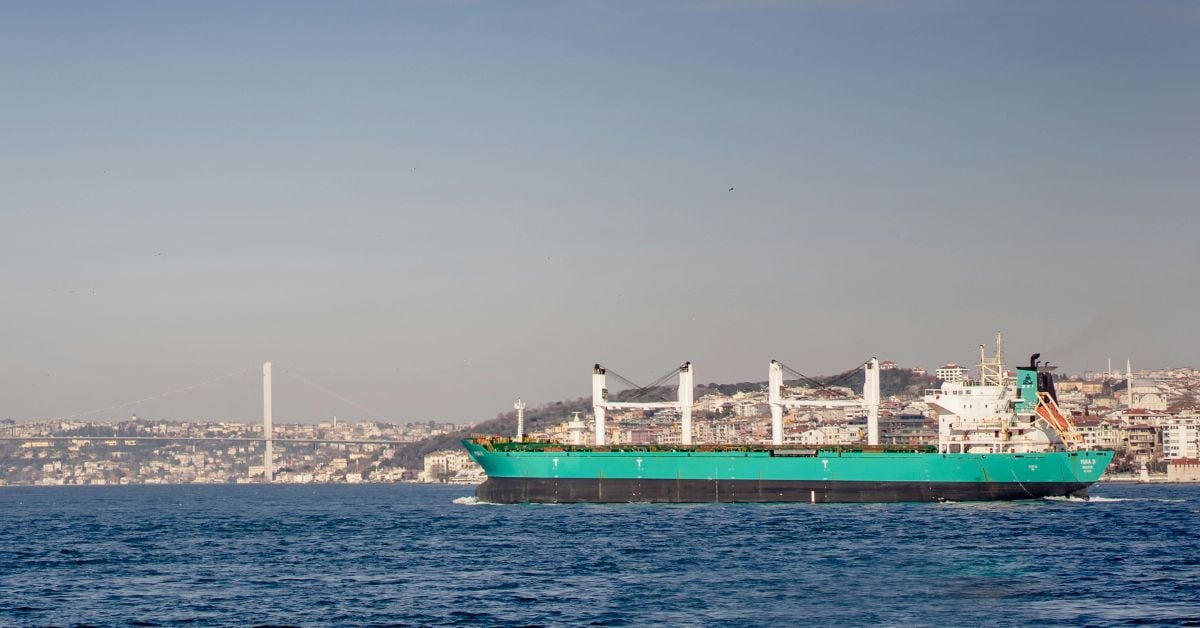
Shipping Companies Penalized for Illegal Ocean Waste Discharge
A U.S. court has found two shipping companies guilty of illegally discharging oily bilge waste into the open ocean. These are not victimless actions. Such discharges degrade marine ecosystems and undermine the calibrated, real-time monitoring systems that responsible operators rely on. Accountability is measurable, and this ruling reinforces that maritime law applies equally to all. For deeper context on how ocean security is being enforced across domains, see our coverage of the Coast Guard's recent maritime interdictions.
Coastal Discovery: Identifying a Unique Worm Species from Istria.
A single worm, pulled from the waters off Istria, has turned out to be a species new to science. The discovery, shared by a Reddit user, is a sharp reminder that our ocean intelligence is still incomplete. Identifying a unique worm this way is a win for community-driven observation, and it underscores the value of integrated data ecosystems.
Oarfish Cuisine: Unraveling the Diet of a Deep-Sea Giant
A deep-sea giant with a diet that remains stubbornly out of focus, the oarfish presents a unique challenge for your ceramic work. While squid are indeed part of their menu, pinning down a single species is rare, as their feeding is opportunistic rather than specialized. You can confidently sculpt a squid without locking onto a precise genus.

Unidentified Specimen Found in Pensacola: Seeking Ocean Intelligence Insights
A single specimen washed ashore in Pensacola has sparked curiosity, and for good reason. The unidentified find, shared by a snorkeler seeking answers, underscores how much remains unknown in our coastal zones. Observations like this are not isolated incidents; they are data points. This is where citizen observations meet scientific inquiry. For those looking to understand how such discoveries fit into broader patterns of marine distribution, our related coverage in "Unexpected Chiton Discovery in Puerto Rico Challenges Species Distribution Models" offers valuable context.

Unidentified Marine Specimen Discovered in Croatian Waters – Seeking Expert ID.
A single specimen has surfaced in Croatian waters with no clear match in existing records, and the community is asking for help. This is the kind of observation that matters, not because it is dramatic, but because it is measurable. A submitted photo and location data give us a starting point, but identification requires the right eyes. For those tracking similar patterns, the recent report of an unexpected chiton discovery in Puerto Rico challenges species distribution models. Every verified sighting sharpens the picture.

Mysterious Remains Wash Ashore in Lewis Bay: Can You Identify It?
A single bone fragment on a gusty September shoreline can raise more questions than answers. When the remains are unrecognizable, the instinct to identify them is both practical and primal. This Lewis Bay discovery, submitted by a curious beachcomber, is a reminder that ocean intelligence begins with observation. We cannot validate what we cannot first see. Identifying a specimen is the first step toward understanding its role in the ecosystem.

California Sighting: Identifying Potential Porpoises Off Dana Point Coast
A 50-mile offshore sighting near Dana Point leaves room for genuine uncertainty. The captain's call was porpoises, but the observer's hesitation is warranted; without sharper imagery, confirmation stays elusive. That caution matters. In ocean observation, validated identification begins with calibrated records, and this query models the right instinct: ask, verify, and share. For readers tracking similar marine puzzles, our related piece on the unexpected chiton discovery off Puerto Rico underscores how often species distribution models meet their exceptions.