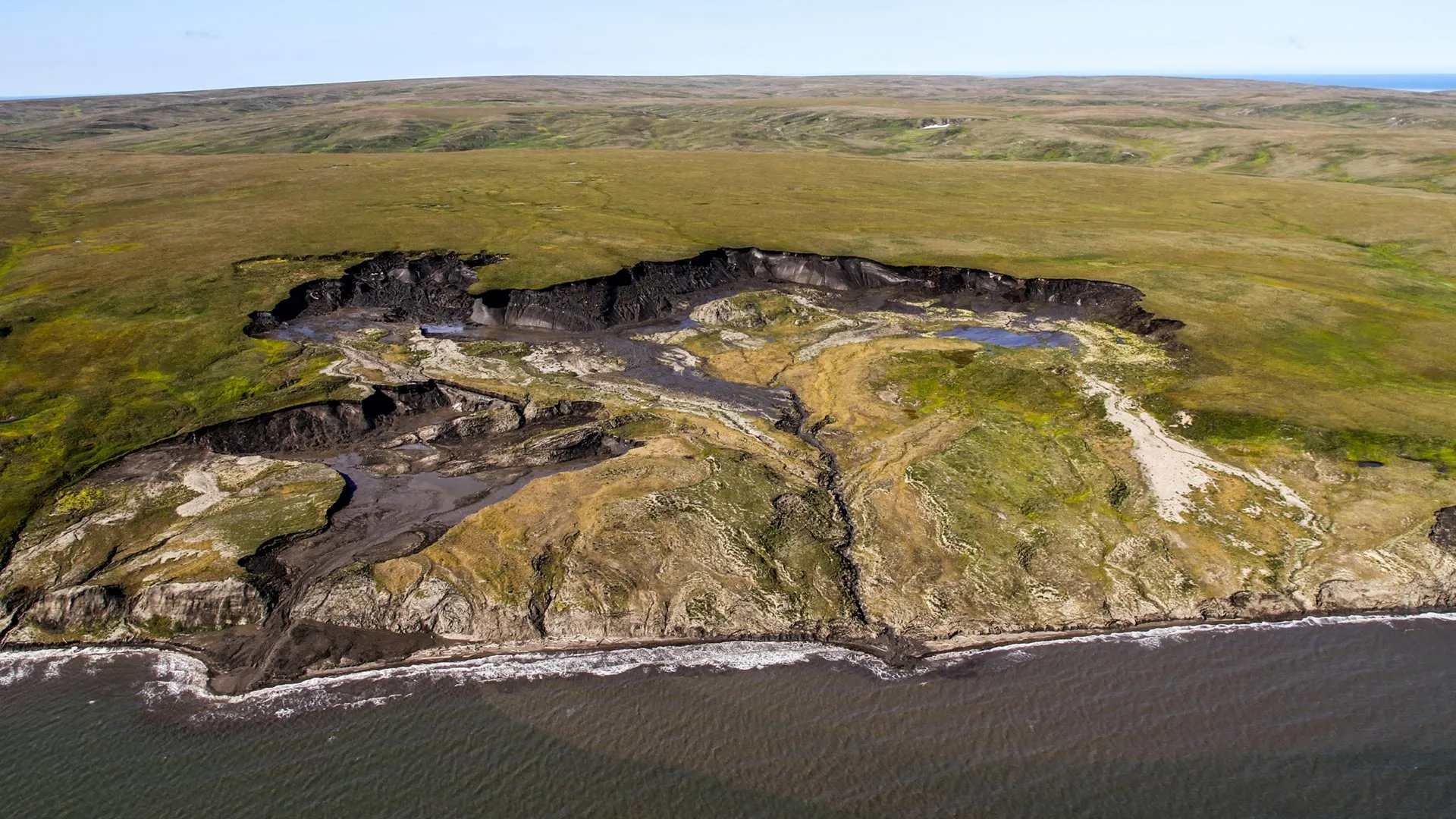
The Arctic is often described as a frontline of climate change, but the story unfolding in the sediment cores near Canada's Herschel Island is a reminder that the region is not a one-dimensional crisis narrative. The finding that most ancient carbon released from thawing permafrost becomes buried in the seafloor, with only about 10 percent converted into greenhouse gases, is a piece of calibrated reality. It does not diminish the urgency of Arctic change; it refines our understanding of it. In a field where alarm can outpace evidence, this study offers a measurable counterpoint, one that deserves the same attention as the more dramatic headlines. This is why we pair this story with Calibrated ocean intelligence, now within reach through integrated data discovery, because both speak to the necessity of precise, empirical observation in marine systems.
For our readers, this is not a signal to relax. It is a prompt to recalibrate models. The distinction between what is buried and what is emitted is the difference between a long-term carbon sink and a short-term climate forcing agent. If we overestimate the microbial conversion rate, we misallocate mitigation efforts. If we underestimate it in other regions, we are blind to a larger problem. The Herschel Island data is one point on a vast, poorly mapped seafloor, and while it offers a reassuring twist, it is not a universal get-out-of-jail card. We would tell a researcher or policymaker to treat this as a validation of integrated data ecosystems, not as a reason to deprioritize Arctic research. The related coverage on Russia Calibrates Export Revenue for Northern Sea Route Icebreaker Fleet and the Vostok Project Launches Arctic Oil Exports Amid Geopolitical Shifts highlights that human activity in the Arctic is accelerating, often with far less scientific clarity than this study provides.
The practical takeaway here is specific: burial rates must become a standard metric in carbon accounting, not an afterthought. As seafloor sediments continue to receive thawed carbon, we need longitudinal sampling to see if the 10 percent figure holds over decades, or if it shifts with warming waters and changing currents. If we can build that kind of ocean intelligence, we can move beyond fear-based narratives toward actionable climate indicators. What we would watch next is whether other coastal permafrost zones show similar burial efficiency, because if they do not, the reassuring twist at Herschel Island becomes an outlier, not a rule. The question is not whether the Arctic is changing, but whether we are measuring the right variables.