Carbon
3 stories filed under Carbon on World Data Ocean. The newest of them: “A validated data system for tracking ocean carbon and acidification”, “Measuring the Ocean's Vital Role in Carbon Capture.”, and “Arctic Carbon Release: Seafloor Sediment Limits Greenhouse Gas Impact”. A validated, peer-reviewed system now tracks ocean carbon and acidification with measurable precision. The ocean breathes, and in that breath, it pulls carbon from the sky into the deep. A Global Hub for Ocean Intelligence 4 World Data Ocean is a centralized digital platform where researchers, scientists, and ocean enthusiasts converge to… The list below is every Carbon story on World Data Ocean, newest first.
A validated data system for tracking ocean carbon and acidification
A validated, peer-reviewed system now tracks ocean carbon and acidification with measurable precision. The Ocean Carbon and Acidification Data System, published in *Scientific Data* *Nature*, delivers calibrated, real-time ocean intelligence for researchers and policymakers alike. This is the integrated data ecosystem we need. Understanding drives protection. For deeper exploration of how the atmosphere forces ocean dynamics, see our related work on data-driven global ocean modeling in *Science*.

Measuring the Ocean's Vital Role in Carbon Capture.
The ocean breathes, and in that breath, it pulls carbon from the sky into the deep. NOAA's National Centers for Environmental Information is quantifying that exchange with calibrated, peer-reviewed precision, turning a vast abstraction into measurable climate indicators. We find this work essential because it grounds our understanding of the planet in empirical reality. For those inspired to see how this data becomes accessible, our related piece, "Calibrated ocean intelligence, now within reach through integrated data discovery," offers a practical next step.
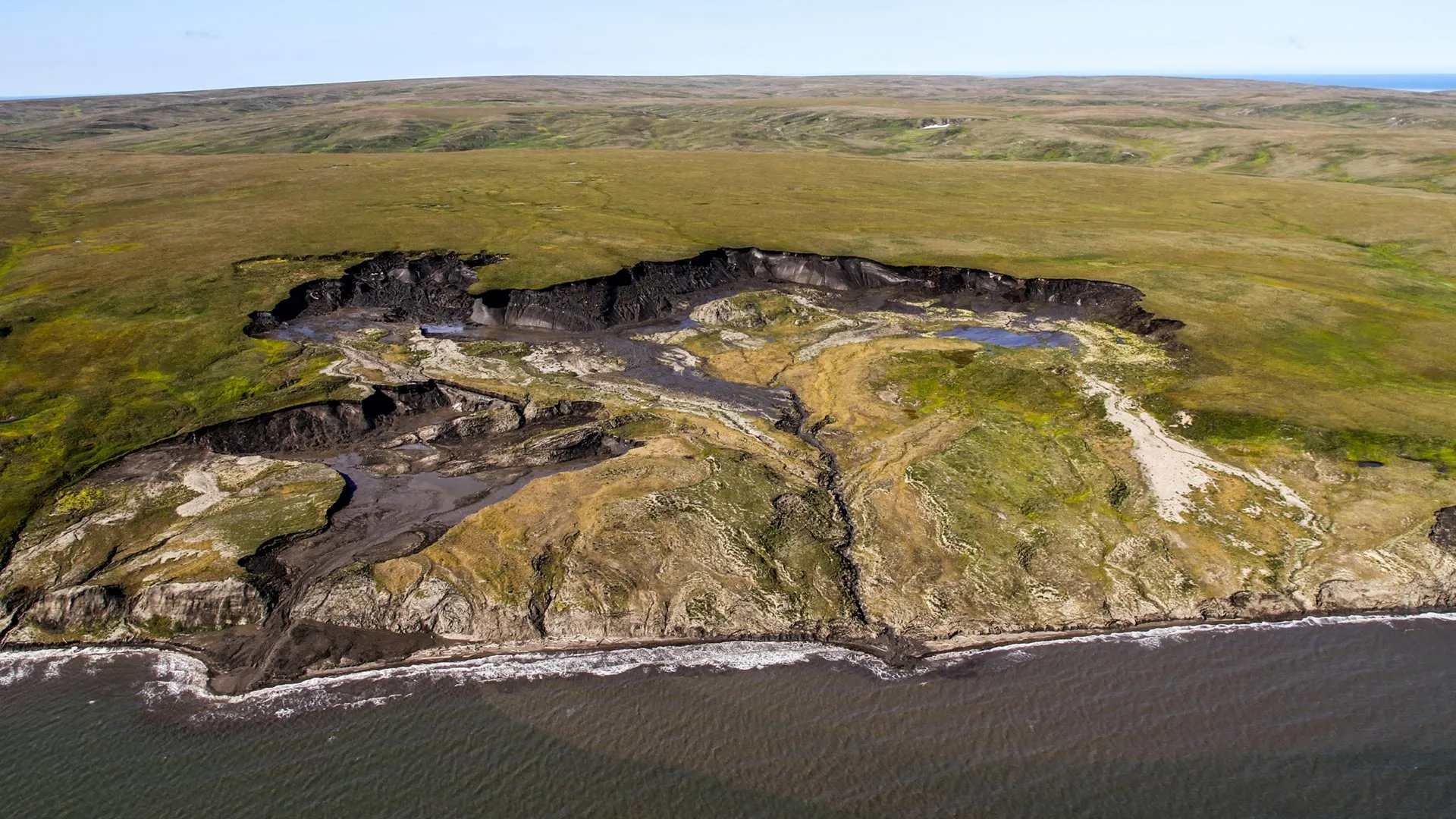
Arctic Carbon Release: Seafloor Sediment Limits Greenhouse Gas Impact
Sediment cores pulled from the seabed near Canada's Herschel Island deliver a measured counterpoint to alarm. Thawing permafrost is releasing ancient carbon into the ocean, yet the data show most of it gets buried in the seafloor, with only about 10 percent converted into greenhouse gases. That distinction matters for climate projections. We read this as a validation of integrated observation, not complacency.