microbes
microbes at World Data Ocean is a file of 7 stories. The newest of them: “Phosphorus Cycles Shaped Earth's Oxygen Swings, Study Finds”, “Ancient remedy reveals multi-pathway blueprint against antibiotic resistance”, and “A twelve-thousand-fossil record links oxygen to the rise of complex life”. Earth's atmosphere did not become oxygen-rich in a single, clean shift. A 10th-century remedy for eye infections turns out to target microbes through multiple pathways simultaneously. A Global Hub for Ocean Intelligence 4 World Data Ocean is a centralized digital platform where researchers, scientists, and ocean enthusiasts converge to… The list below is every microbes story on World Data Ocean, newest first.
Phosphorus Cycles Shaped Earth's Oxygen Swings, Study Finds
Earth's atmosphere did not become oxygen-rich in a single, clean shift. More than 2 billion years ago, oxygen levels swung repeatedly, and a new study in *Nature Communications* points to phosphorus as a central driver. By studying ancient South African rocks, UC Riverside researchers show how recycled nutrients fueled photosynthetic life, sometimes locking carbon into sediments and leaving oxygen behind. It is a calibrated reminder that planetary transitions are rarely linear.

Ancient remedy reveals multi-pathway blueprint against antibiotic resistance
A 10th-century remedy for eye infections turns out to target microbes through multiple pathways simultaneously. That's no accident; Bald's eyesalve, an Anglo-Saxon mixture, offers a proven blueprint modern medicine can validate. We find its multi-pronged attack compelling precisely because it resists the single-target failures of today's antibiotics. For more on how deep history informs living systems, see our coverage of "Magma and microbial activity may rewrite a 2-billion-year-old carbon signal." Understanding ancient solutions sharpens our stewardship of the present.
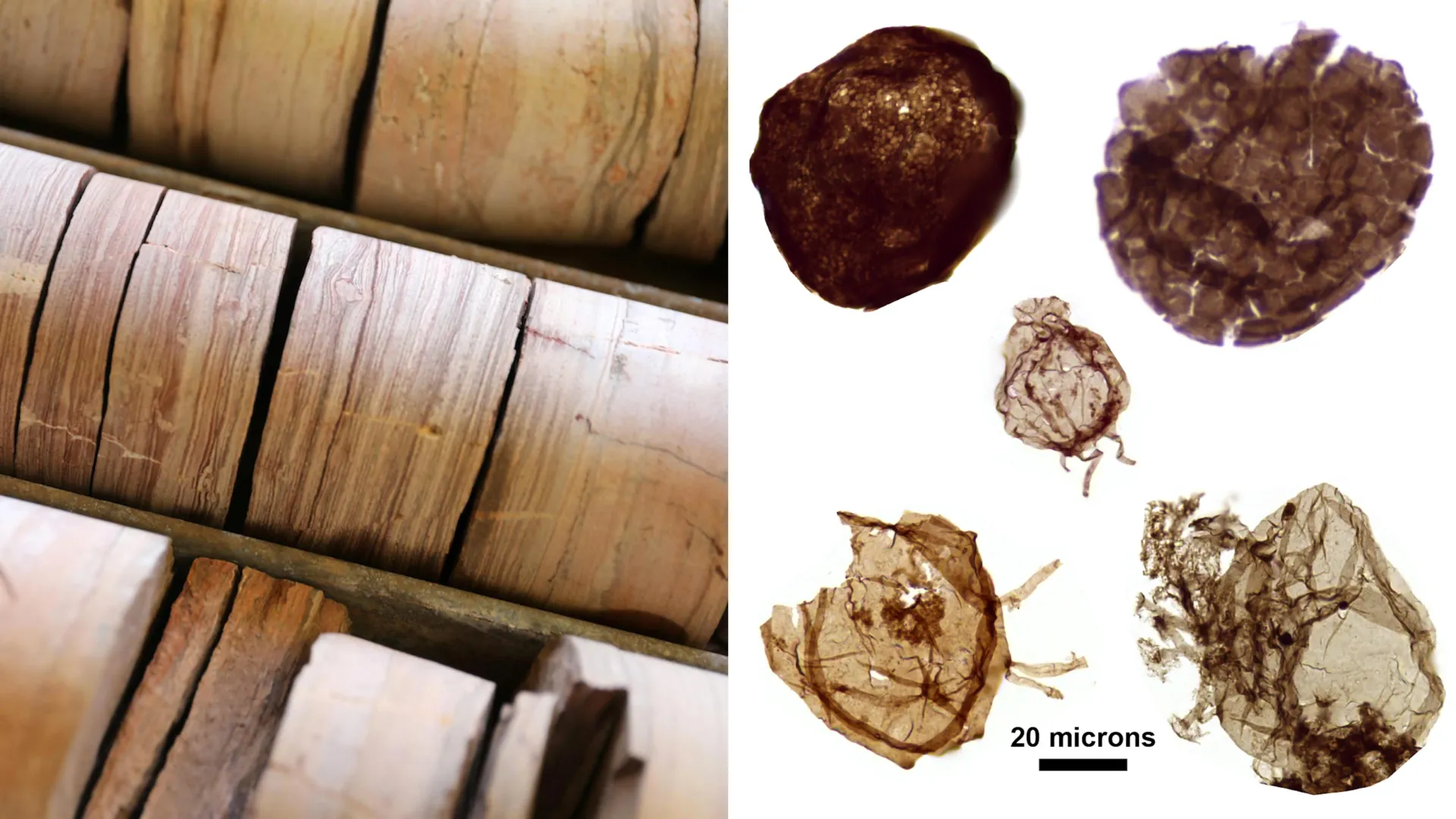
A twelve-thousand-fossil record links oxygen to the rise of complex life
Twelve thousand fossils from ancient Australian rocks now offer the most direct evidence yet that oxygen enabled complex life to emerge. These early eukaryotes flourished in coastal mudflats and open seas, but only where oxygen was present. Oxygen-free zones hosted only simpler microbes. This empirical record strengthens a long-held hypothesis with measurable, validated data. For deeper context on how environmental factors shaped early life, see our coverage of "Magma and microbial activity may rewrite a 2-billion-year-old carbon signal.
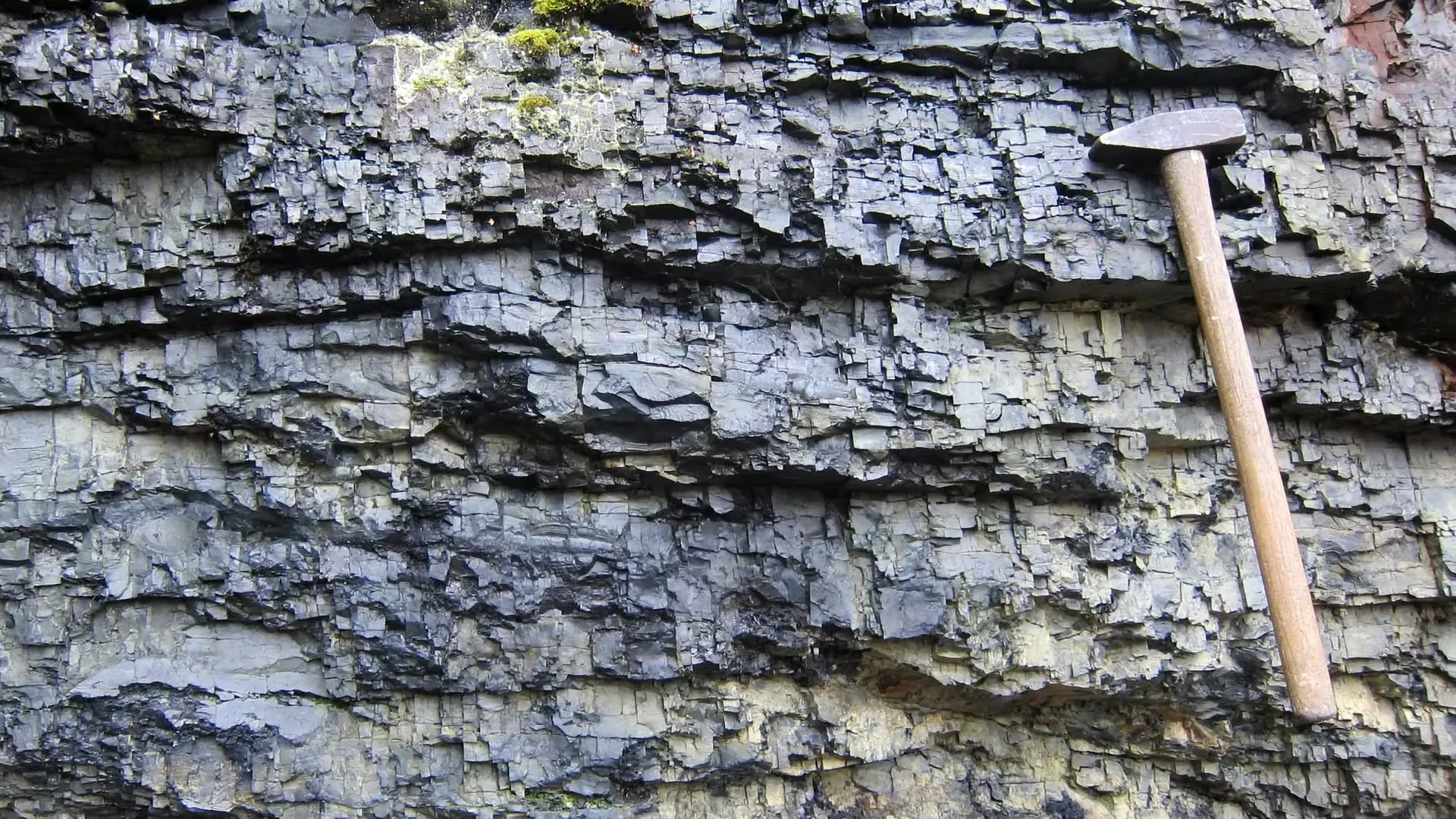
Magma and microbial activity may rewrite a 2-billion-year-old carbon signal
A 2-billion-year-old chemical signature, long read as a planetary turning point, may instead record a quieter, more local story. Scientists found that magma, hydrocarbons, and methane-eating microbes could have produced the signal, not a global shift in Earth's carbon cycle. That distinction matters. It asks us to revisit assumptions about oxygen's rise with calibrated caution. For more context on how Earth's systems respond to pressure, our piece on El Niño's unprecedented ocean warming offers a useful parallel. Understanding drives protection.

Microbiome Manipulation Reveals Coral Health and Resilience Insights.
Coral health is not a fixed state but a dynamic balance, and a new study shows that manipulating the microbiome can tip that balance toward resilience. This research offers a measurable, peer-reviewed path forward for reef conservation, moving beyond observation to intervention. We see this as a vital step in building ocean intelligence, and it pairs well with our coverage in "Magma and microbial activity may rewrite a 2-billion-year-old carbon signal." Understanding these biological levers is how we turn insight into protection.
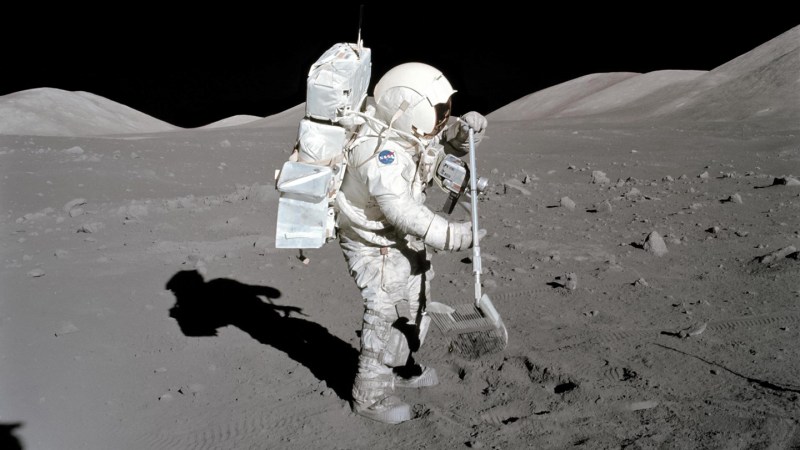
Lunar Exploration: Assessing Microbial Risks with Artemis IV
Fifty years after the last bootprint, Artemis IV returns humans to the lunar surface, and NASA is already asking what we might be bringing with us. New research identifies the hardy microbes hitching a ride on our spacecraft, turning a question of planetary protection into a matter of empirical precision. This isn't just about keeping the moon pristine; it's about understanding our own biological footprint. For those tracking how life endures in extreme conditions, our related piece on fossilized dinosaur traits offers a fascinating parallel.
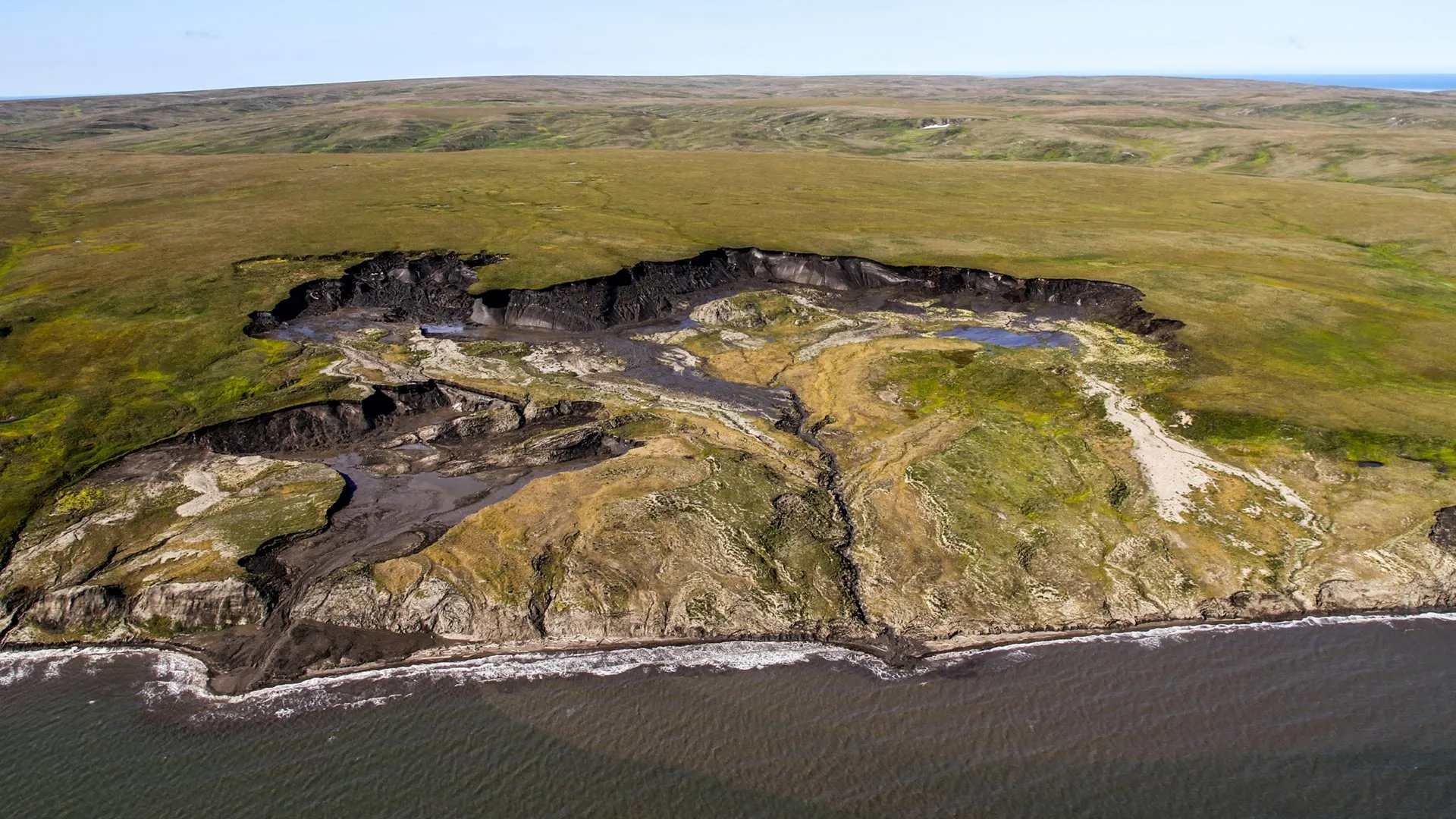
Arctic Carbon Release: Seafloor Sediment Limits Greenhouse Gas Impact
Sediment cores pulled from the seabed near Canada's Herschel Island deliver a measured counterpoint to alarm. Thawing permafrost is releasing ancient carbon into the ocean, yet the data show most of it gets buried in the seafloor, with only about 10 percent converted into greenhouse gases. That distinction matters for climate projections. We read this as a validation of integrated observation, not complacency.