south korea
World Data Ocean keeps south korea in one place: 16 stories so far. The section currently leads with “Submarine-launched cruise missiles tested in Pacific naval exercise”, “Arctic transit validated as PanStar Acro completes maiden commercial voyage”, and “Seoul Disputes Ukrainian Data on Fuel Shipments to Russia”. A submarine-launched cruise missile tested in a Pacific naval exercise Wednesday marks a calibrated check on underwater combat readiness. The PanStar Acro has completed its maiden commercial round-trip through Arctic waters, validating a new transit route for global shipping. A Global Hub for Ocean Intelligence 4 World Data Ocean is a centralized digital platform where researchers, scientists, and ocean enthusiasts converge to… The list below is every south korea story on World Data Ocean, newest first.
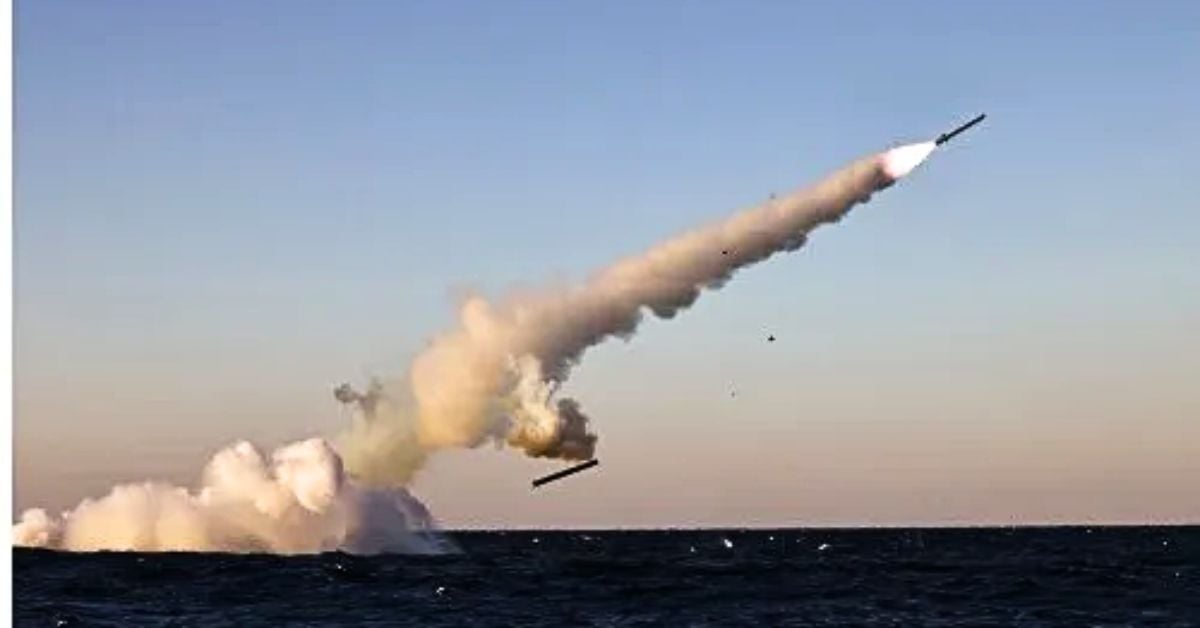
Submarine-launched cruise missiles tested in Pacific naval exercise
A submarine-launched cruise missile tested in a Pacific naval exercise Wednesday marks a calibrated check on underwater combat readiness. Validated metrics from real-time operations are essential for maintaining strategic assurance. This demonstration of integrated naval capability echoes our ongoing coverage of allied uncrewed systems in the Baltic, where the "Baltic Allies Validate Uncrewed Target Engagement" exercise similarly reinforced collaborative defense preparedness. Ocean intelligence demands empirical validation, from missile systems to uncrewed platforms, to ensure measurable, credible deterrence.
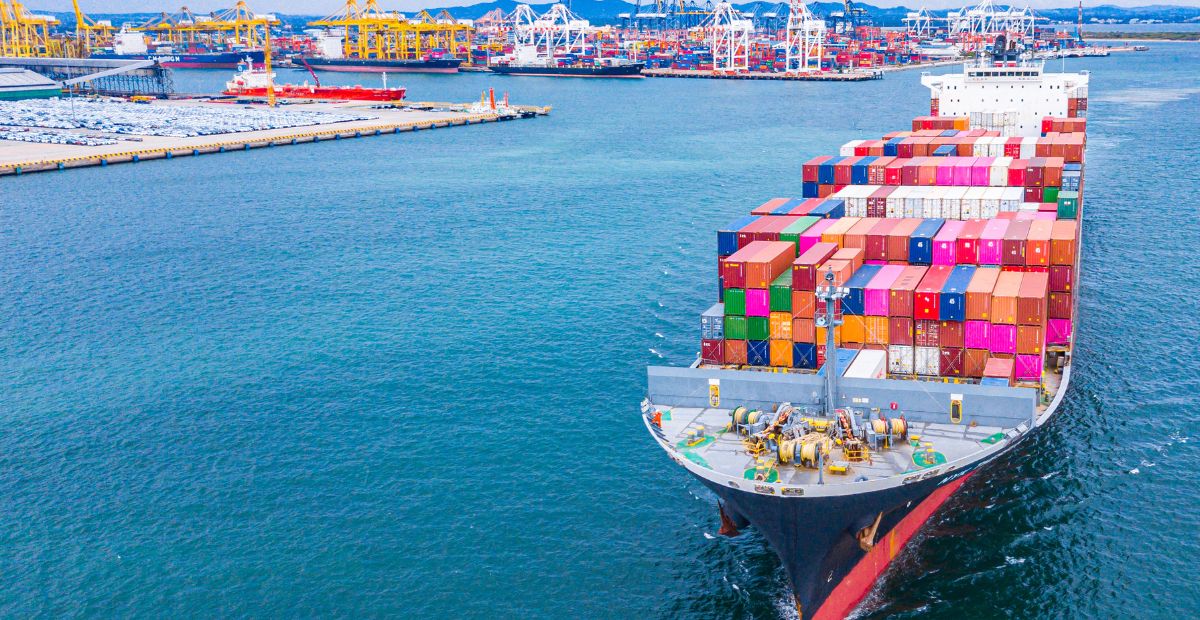
Arctic transit validated as PanStar Acro completes maiden commercial voyage
The PanStar Acro has completed its maiden commercial round-trip through Arctic waters, validating a new transit route for global shipping. This South Korean container ship's successful voyage, through Russian Arctic corridors, demonstrates measurable progress in integrated polar logistics. Understanding drives protection, and empirical data from this journey will sharpen climate indicators and ocean intelligence. For further context on maritime security, see our coverage of the Strait of Hormuz tanker strikes.
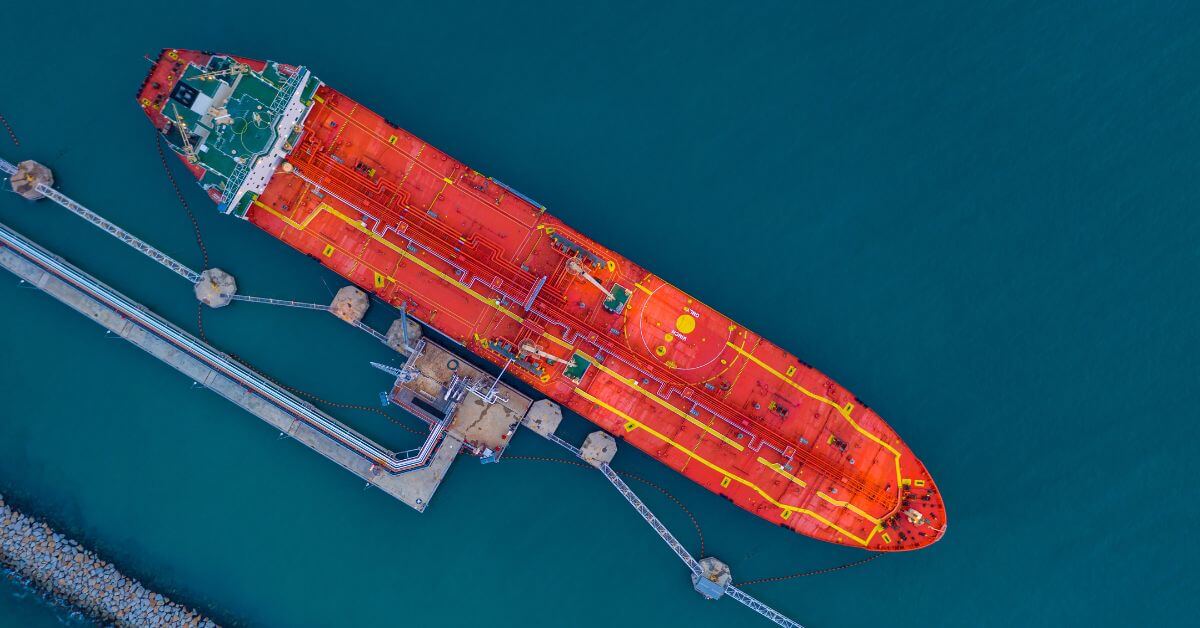
Seoul Disputes Ukrainian Data on Fuel Shipments to Russia
Seoul disputes the numbers, but Ukraine's claim stands unresolved: over 176,000 tonnes of petroleum products reportedly moved from South Korean ports to Russia across July and August. If accurate, the flow raises hard questions about how sanctioned goods continue moving through allied supply chains. The data matters, and so does the transparency gap. For broader context on maritime risk, our coverage of the Black Sea incident offers a parallel look at how quickly commercial shipping can turn volatile.
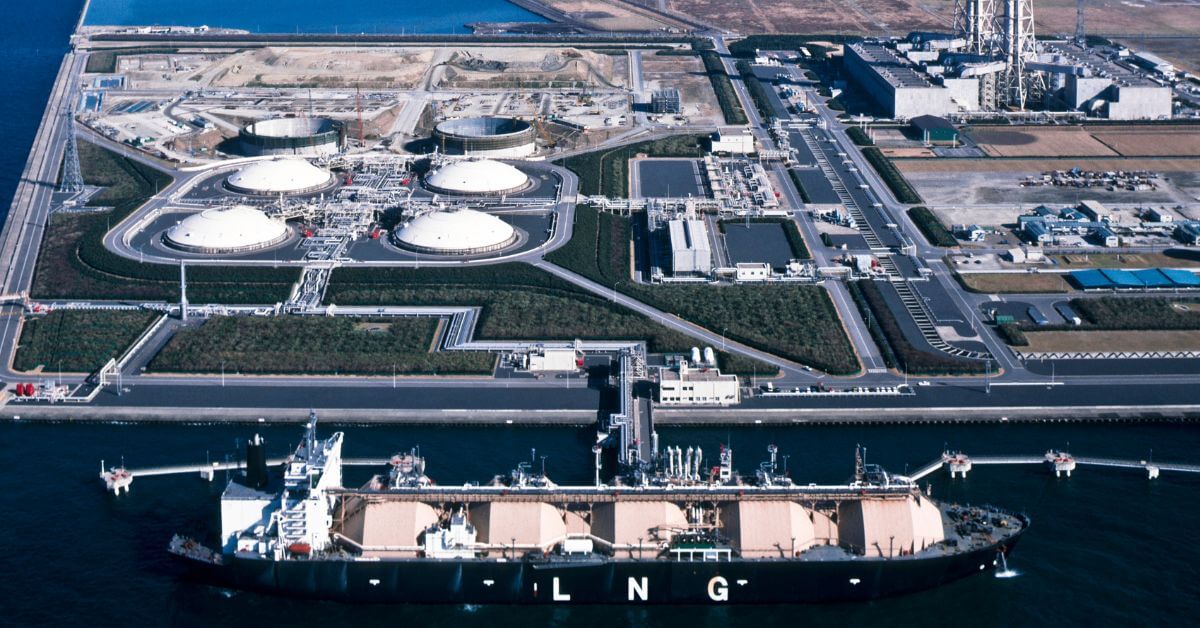
$200B Korean investment anchors new US nuclear capacity and LNG export corridor
A $200 billion Korean investment is set to anchor new nuclear capacity and an LNG export corridor in the United States, adding measurable power generation while supporting future exports to Asian markets. This is a calibrated move, longitudinal in its implications for energy security and climate indicators. It reflects integrated, forward-thinking collaboration on a global scale. For deeper context, see our coverage of phased negotiations to ease Strait of Hormuz restrictions.
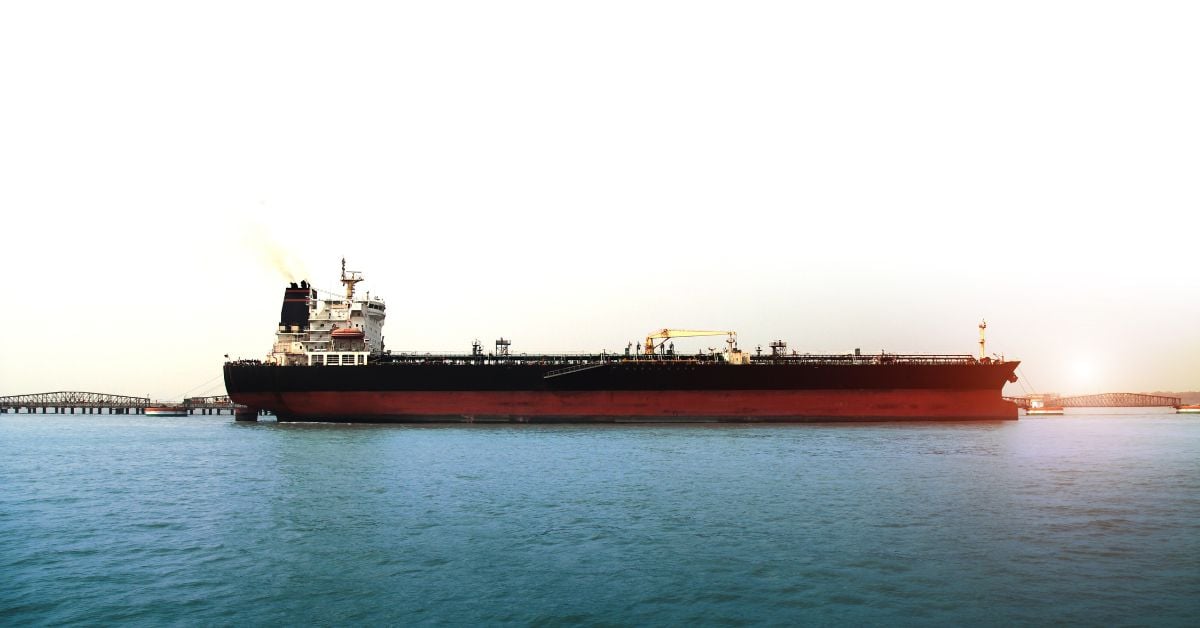
Strait of Hormuz: Conflicting Reports of Vessel Detentions Raise Tensions.
The Strait of Hormuz is once again a flashpoint, with the UKMTO flagging a separate incident involving a vessel in its waters. Conflicting reports of detentions are doing little to calm a region already bracing for disruption. These are not abstract metrics; they are real-world friction with global consequences. The situation demands precise, empirical monitoring, not alarmism.
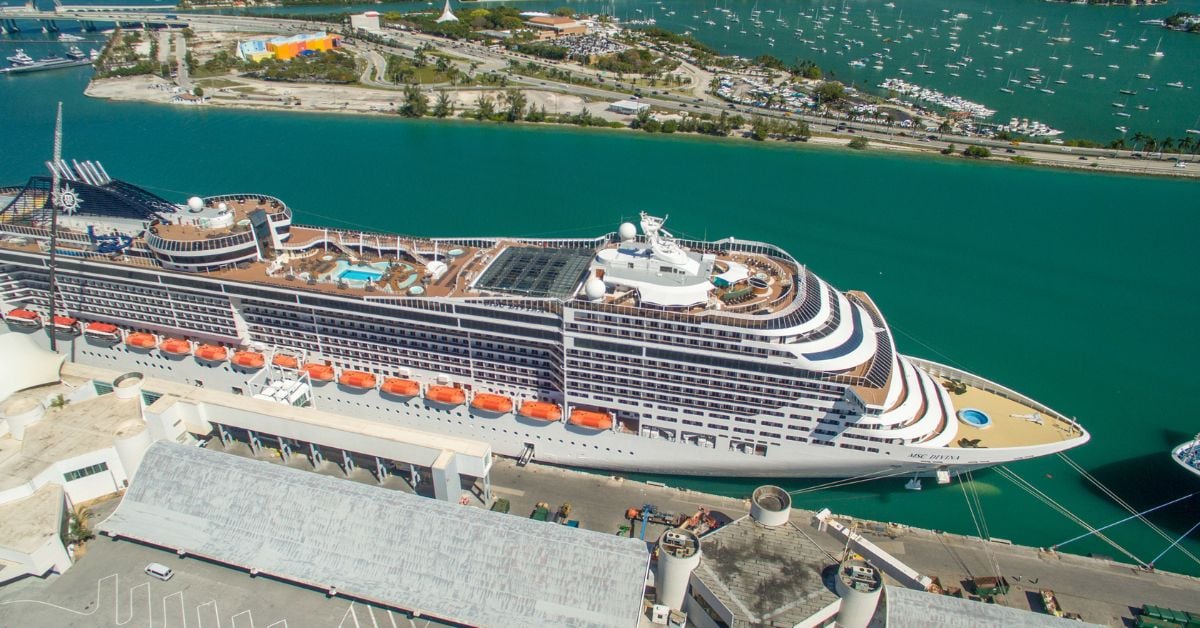
Nagoya Deploys Cruise Ship to Accommodate Asian Games Athletes
The Costa Serena has docked in Nagoya, ready to house 4,000 athletes for the Asian Games 2026, which opens Saturday. It is a pragmatic move, turning a cruise ship into temporary housing for the sheer scale of participants. The arrangement speaks to the logistical ingenuity required when hosting a global event. For those interested in how human activity intersects with marine environments, our piece on the sea star collection in Port Phillip Bay offers a grounded look at coastal ecosystems.

Wind-Assisted LNG Carrier Sets Sail for Enhanced Efficiency.
A wind-assisted LNG carrier is set to deliver under a long-term charter to Chevron by September 2026, marking a practical step toward measurable fuel efficiency. This is not a theoretical exercise, it is an integrated, real-world application of technology that reduces emissions while maintaining operational reliability. Such innovations matter. For deeper context on maritime risks, see our coverage of the drone strike impacting an LPG tanker near the Strait of Hormuz.
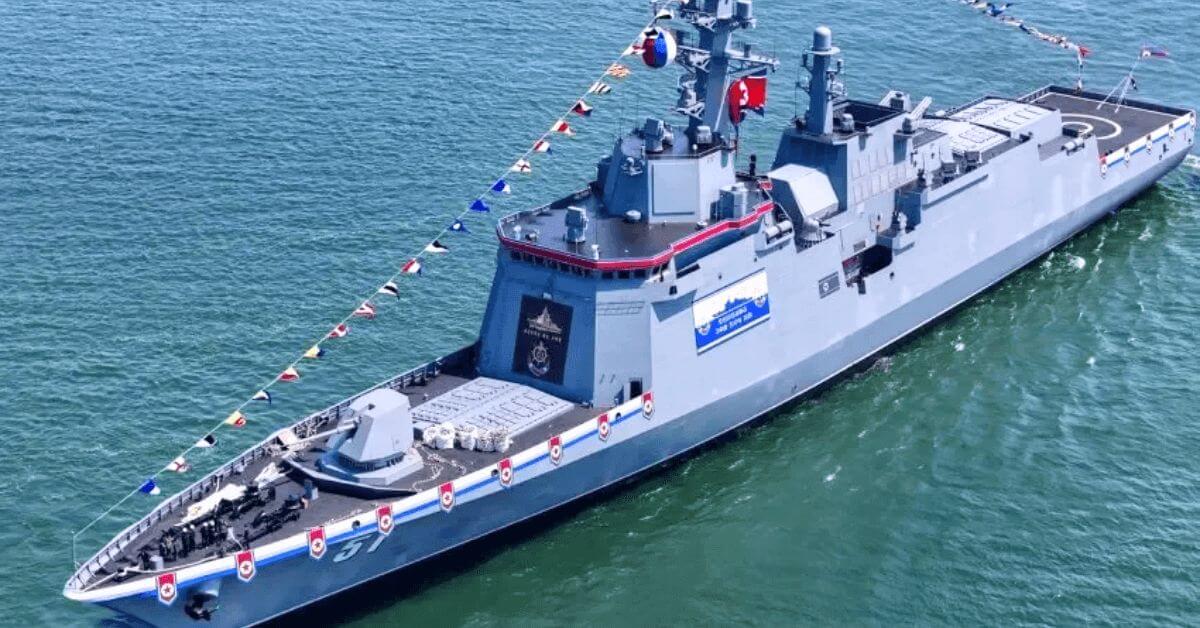
North Korea Launches Nuclear-Capable Destroyer Amidst Military Exercises
North Korea commissioned a nuclear-capable destroyer just as the United States, South Korea, and Japan prepared to launch their five-day Freedom Edge exercise. The timing is deliberate, a signal of resolve that widens an already tense maritime theater. Warships are political statements, and this one speaks clearly. For a fuller picture of regional naval competition, see our piece on India's projected fleet expansion. Understanding these moves matters; the ocean is where deterrence meets diplomacy.
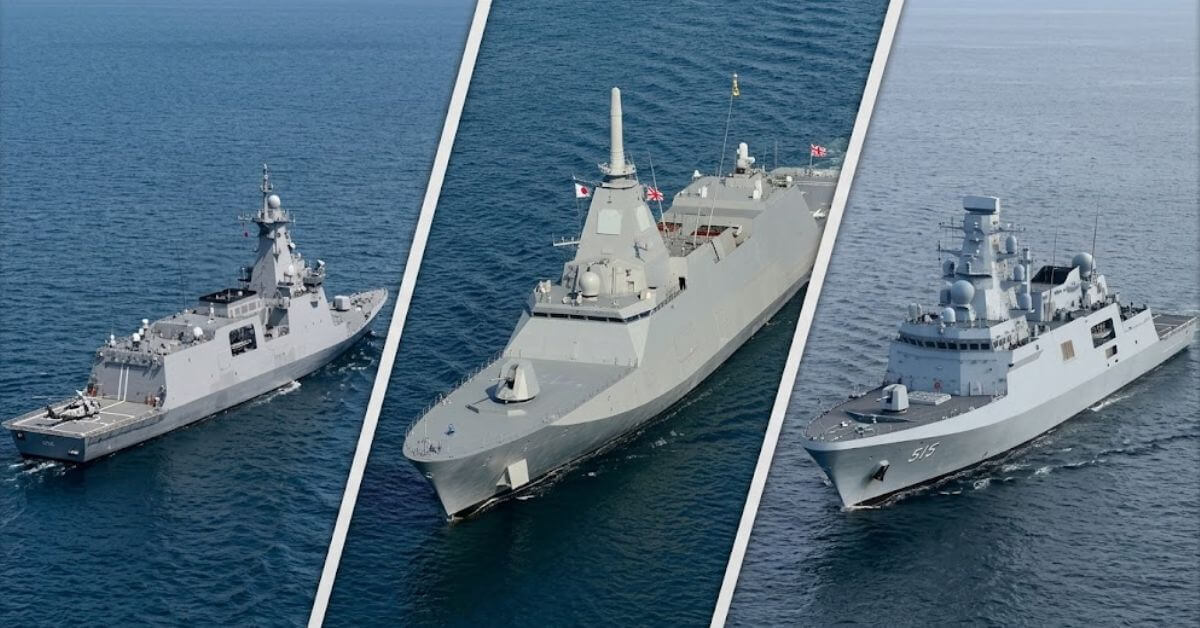
Global Shipbuilding Collaboration: Navy Explores International Frigate Options
The U.S. Navy's move to explore international frigate options signals a pragmatic shift toward speed without sacrificing domestic investment. This approach, which pairs foreign collaboration with targeted funding for U.S. shipyards and workforce expansion, reflects a measured strategy for meeting modern demands. It is a practical acknowledgment that no single nation can build everything alone, and that shared expertise strengthens overall capability. For readers tracking parallel efforts, our coverage of India's expanded naval fleet offers a useful counterpoint.
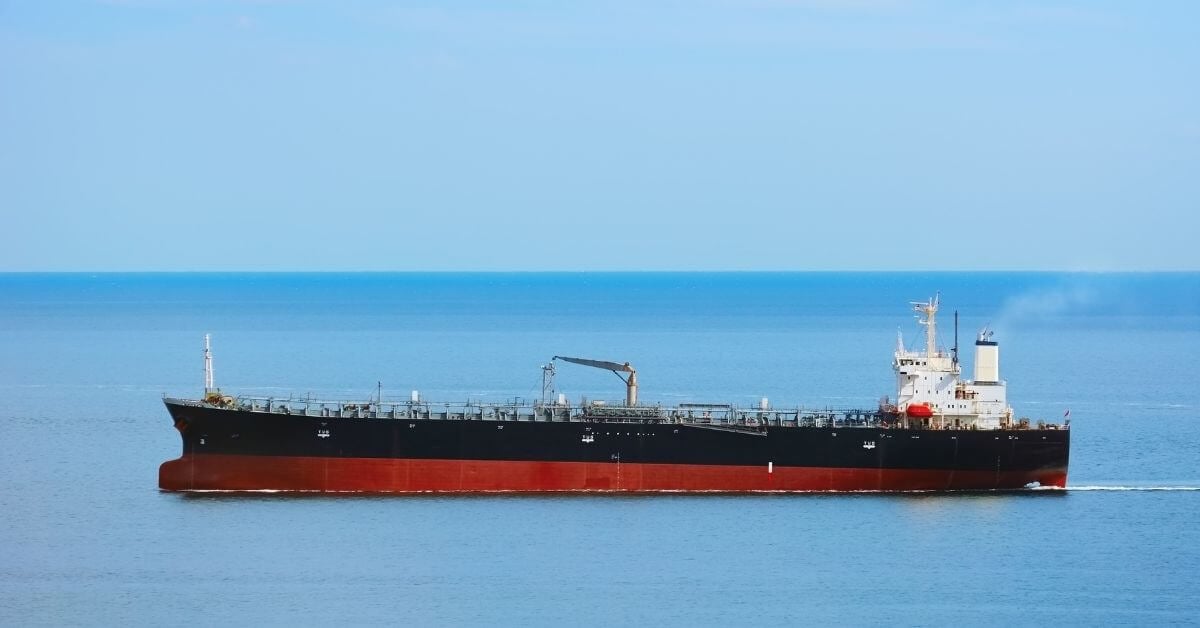
Fatal Fire Aboard Oil Tanker Highlights Maritime Safety Concerns
At 10:38 p.m. on Aug. 27, a fire broke out aboard a 7,000-ton-class Korean oil tanker approximately 7.4 kilometers north of Jawoldo in Ongjin County, underscoring the persistent risks facing maritime operations. The incident, which involved a fatal outcome, demands rigorous scrutiny of existing safety protocols. Vessel fires remain among the most preventable yet devastating emergencies at sea, and this tragedy reinforces the need for continuous, empirical improvements in crew training and vessel design.
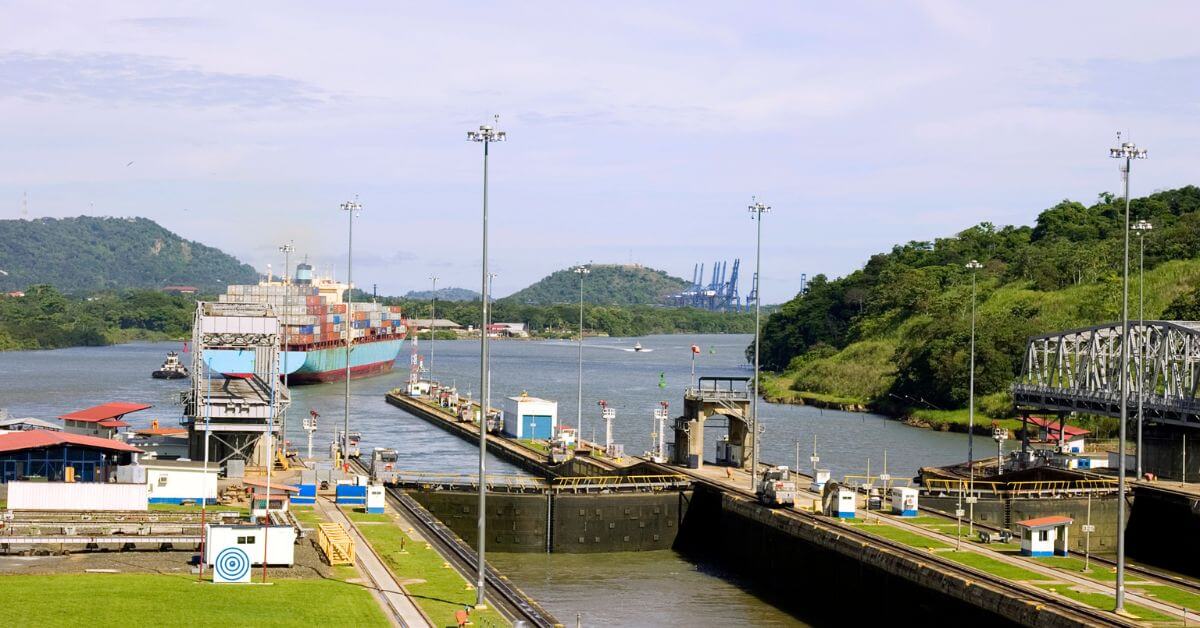
Record Canal Transit Fee Reflects Growing Demand for Ocean Routes
A $5.3 million bid for a single Panama Canal transit slot signals more than deep pockets; it reflects a strategic response to tightening global routes. SK Gas has secured passage for its LPG carrier G. Spirit on Sept. 1, paying a premium that underscores the growing value of reliable ocean corridors. This is the cost of certainty in a constrained system. As demand intensifies, such investments become necessary.

South Korea Charts Arctic Route, Balancing Commerce and Geopolitical Concerns
South Korea's first Arctic-bound ship to Europe is a calculated test, not a statement. The route's commercial viability hinges on ice-free seasons and cost efficiency, yet the geopolitical undertow is undeniable. Western backlash over Russian cooperation complicates what might otherwise be a straightforward logistics calculation. We see a nation weighing measurable gains against diplomatic friction, a balance requiring calibrated judgment. For deeper context on Moscow's Arctic ambitions, our related piece, "Russia Calibrates Export Revenue for Northern Sea Route Icebreaker Fleet," outlines the financial stakes.

Vietnam Resumes Direct Diesel Imports from India Amid Duty Reduction
Vietnam's decision to cut its most-favoured-nation import duty on diesel from 7% to zero, extended until September 30, 2026, signals a calculated move toward energy cost stability. Resuming direct imports from India reflects practical diversification, not just policy adjustment. This is the kind of measurable, real-time shift that matters for regional trade flows. For readers tracking maritime and logistics implications, our related piece on India's approved seafarer welfare hub at Mormugao Port offers useful context on the broader India, Vietnam corridor.

Shipping Costs Surge: Canal Delays and Geopolitical Tensions Impact Trade
The latest auction payment for shipping slots has surged to more than double the seven-day average, a clear signal that canal delays and geopolitical friction are tightening trade routes. This is not a blip; it is a measurable strain on global logistics, and the data confirms what shippers are already feeling. The pressure is real, and it demands attention. For a broader view of regional disruptions, our piece on Gulf of Oman STS transfers maxing out offers useful context.

Honoring Valor: New Destroyer USS William Charette Joins the Fleet
The USS William Charette, a new destroyer named for a Medal of Honor recipient, now joins the fleet, carrying a legacy of extraordinary courage into modern maritime operations. This is a vessel built not just for power, but for purpose. We see this as a fitting tribute to valor, and a clear signal of strength. For more on how the Navy is evolving its capabilities, our coverage of the Navy Accelerates Autonomous Systems Integration for Enhanced Maritime Operations offers deeper insight.

Cargo Ship Detention Highlights Ongoing Challenges to U.N. Sanctions.
The detention of a Tanzanian-flagged cargo ship by South Korea underscores the persistent friction in enforcing U.N. sanctions on North Korea. This vessel reportedly dodged restrictions more than once, a clear signal that maritime evasion remains a live challenge. Enforcement is only as strong as the weakest link in the chain. For broader context on how allied navies and ports factor into this effort, our piece on the *Kiwi Frigate Monitors Sanctions* offers a useful parallel.