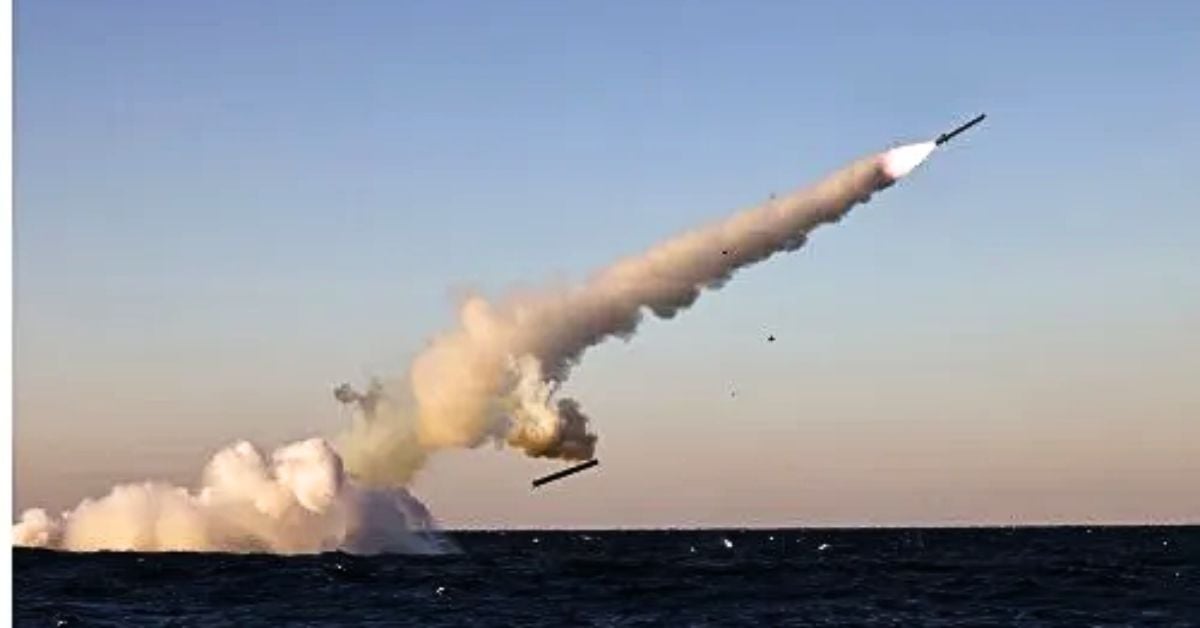
North Korea's October 14 test of two submarine-launched cruise missiles in the East Sea is a measured but unambiguous step in its naval modernisation, and one that demands calibrated monitoring, not alarm. The launches, one from a vertical launch system, another through a torpedo tube, demonstrate that Pyongyang is systematically exploring dual pathways for underwater strike capability. As we noted in our coverage of Baltic Allies Validate Uncrewed Target Engagement in Gulf of Bothnia Exercise, allied navies are also refining subsurface engagement methods, but the strategic context could not be more different. In the Baltic, the goal is interoperable defence against uncrewed threats; here, the objective is a credible, sea-based deterrent that could eventually complicate regional security calculations.
The test does not prove that North Korea possesses a fully operational submarine-based nuclear deterrent. What it does validate is a deliberate, incremental engineering process. State media described the exercise as a routine readiness inspection, and South Korean analysts, including Hong Min of the Korea Institute for National Unification, assessed the platform's operational capability as limited so far. The contrast with another recent development in South Korean waters, the Arctic transit validated as PanStar Acro completes maiden commercial voyage, is instructive. That voyage demonstrated how commercial shipping can adapt to a changing Arctic, relying on transparency and international cooperation. North Korea's missile tests operate in the opposite register: opaque, unannounced, and aimed at generating strategic ambiguity.
For our readers, whether researchers tracking regional force postures, policymakers weighing deterrence stability, or students parsing open-source imagery, the practical takeaway is this: the test signals a shift from technology demonstration toward platform integration. Hong's observation that North Korea's description of the exercise as a "readiness inspection" suggests the submarine is moving toward deployment. That does not mean a full second-strike capability is imminent. As Hong noted, a reliable submarine deterrent requires undetected patrols, reliable communications, and the ability to launch under operational conditions, all of which remain unvalidated. But the two launch methods matter. A vertical launch allows a missile to climb steeply and potentially extend its range. A torpedo-tube launch keeps the missile lower, making it harder to detect and intercept. Together, they give North Korea more tactical options to test against South Korean and allied missile defences.
Tensions on the Korean Peninsula continue to run high. A landmine explosion in the Demilitarised Zone last month injured three South Korean soldiers, and North Korea has conducted several ballistic missile tests in October alone, including an AI-assisted hypersonic missile. South Korea responded last week by testing its own hypersonic glide vehicle, a reminder that regional competition in missile technology is accelerating. Diplomatic engagement between North Korea, South Korea, and the United States remains largely stalled, and the Korean War's 1953 armistice means the two Koreas technically remain at war. One open question worth watching: whether North Korea will next conduct a patrol-based test, a submarine actually sailing, launching, and recovering under realistic operational conditions, rather than a static launch from a test platform. That would mark a far more significant threshold than the one crossed this week.