shipyard
World Data Ocean keeps shipyard in one place: 28 stories so far. The section currently leads with “Transpacific shipyard completes inaugural US Navy maintenance project”, “Fincantieri commits nearly €100 million to robotic shipyard intelligence”, and “New Pacific missile-tracking vessel set for 2030 launch under shipyard agreement”. A South Korean shipbuilder has completed its first US Navy maintenance project, marking a quiet but meaningful expansion of allied industrial capacity. Nearly €100 million is a serious bet on a single question: can a shipyard think for itself? A Global Hub for Ocean Intelligence 4 World Data Ocean is a centralized digital platform where researchers, scientists, and ocean enthusiasts converge to… The list below is every shipyard story on World Data Ocean, newest first.
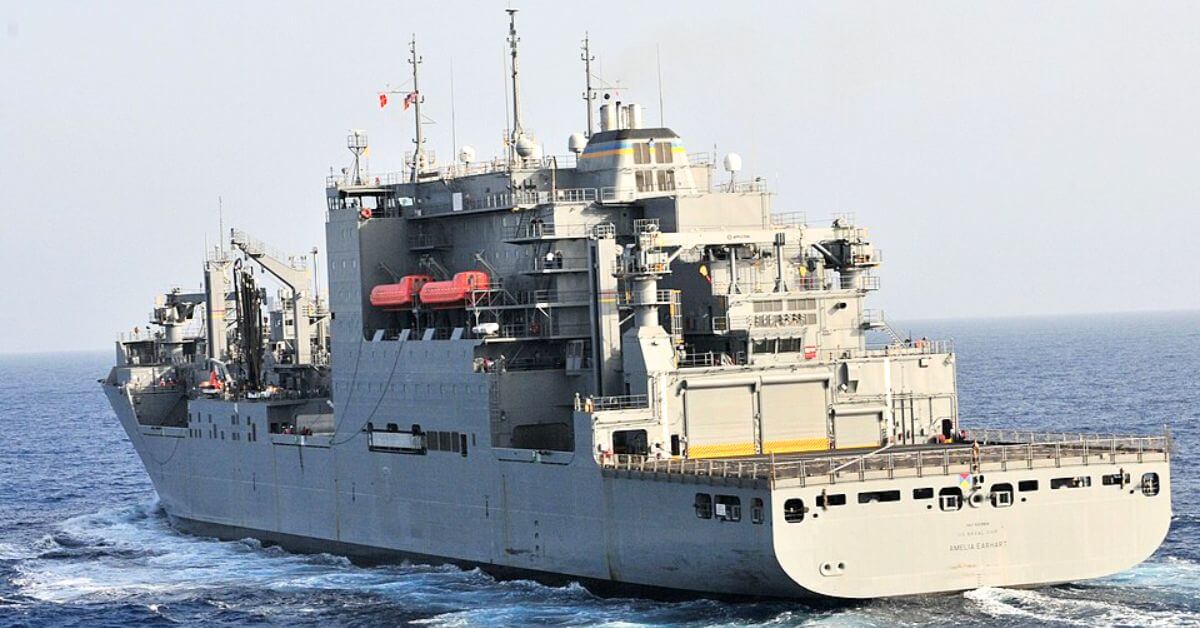
Transpacific shipyard completes inaugural US Navy maintenance project
A South Korean shipbuilder has completed its first US Navy maintenance project, marking a quiet but meaningful expansion of allied industrial capacity. HJ Shipbuilding & Construction's Transpacific yard delivered the repair on time and to specification, an outcome built on calibrated processes and validated work. Measurable results like these strengthen the integrated data ecosystem that modern naval readiness demands. For deeper coverage of shipyard innovation, see our related piece on Fincantieri's BOOST² investment in robotic intelligence.
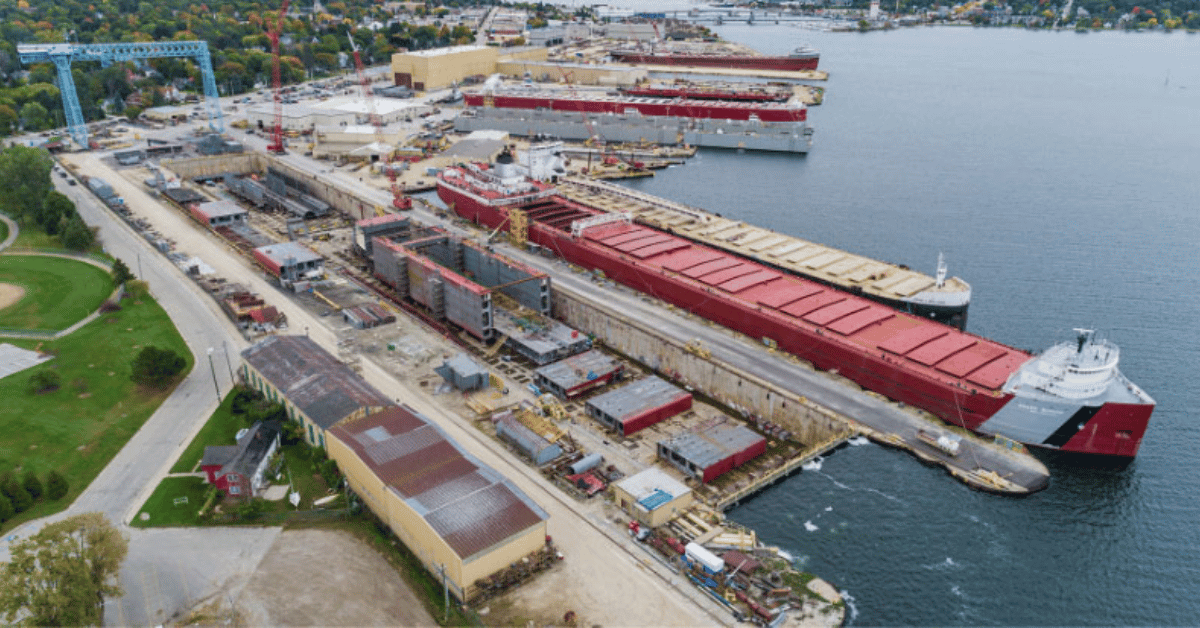
Fincantieri commits nearly €100 million to robotic shipyard intelligence
Nearly €100 million is a serious bet on a single question: can a shipyard think for itself? Fincantieri's BOOST² program plans to integrate AI, robotics, and automation across its facilities to sharpen productivity and safety. This is measurable industrial evolution, not speculative hype. The investment treats shipbuilding as an integrated data ecosystem where real-time intelligence drives every weld and hoist. For context on how digitalisation is reshaping maritime safety, read our coverage of the AI and digitalisation pact between China Merchants Energy Shipping and RINA.
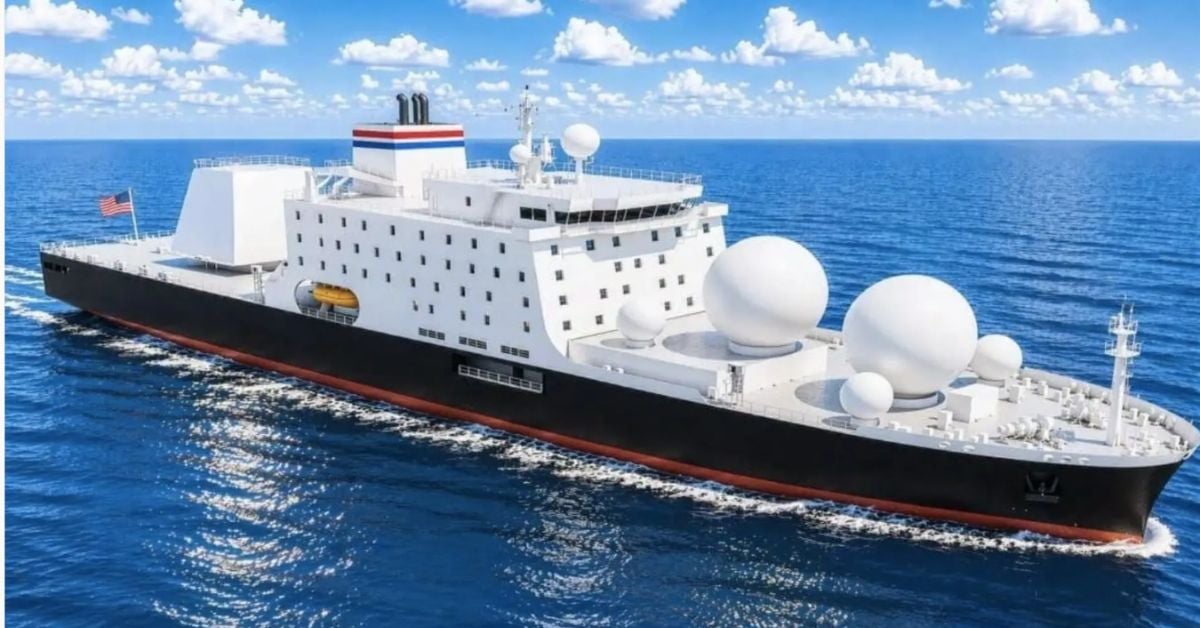
New Pacific missile-tracking vessel set for 2030 launch under shipyard agreement
A new missile-tracking vessel for the U.S. Navy is set for launch by 2030, following a shipyard agreement between Hanwha Philly Shipyard and TOTE Services. This marks a measured, strategic investment in Pacific maritime awareness. For deeper context on evolving naval capabilities, see our coverage of the Ohio-class submarine relocation, which signals a similarly deliberate shift in regional posture. Understanding drives protection, and this vessel adds a calibrated layer of ocean intelligence.

Four-legged robot scales ship hulls to perform precision welding at sea
A four-legged robot now climbs ship hulls to perform precision welding at sea, a feat Kawasaki Heavy Industries has made real. This is not a concept; it is a validated, real-time application of robotics in one of the most demanding industrial environments. The work is empirical, measurable, and it changes how we approach vessel maintenance. For context on where the maritime industry is investing, see our coverage of the new $6.6 billion Maryland shipyard.
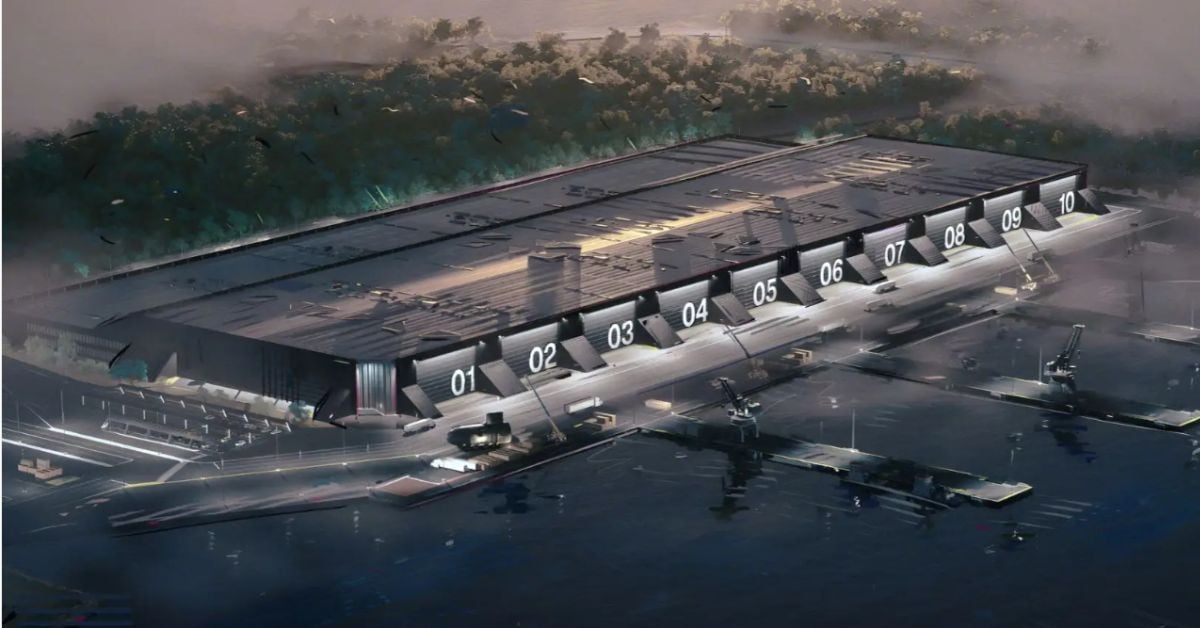
$6.6 Billion Maryland Shipyard Marks Largest U.S. Maritime Investment Since WWII
A $6.6 billion shipyard in Maryland, the largest U.S. maritime investment since World War II, signals a calibrated, long-term commitment to rebuilding national shipbuilding capacity. This is not about short-term gains; it is a measurable investment in ocean intelligence and maritime readiness. For context on shifting naval demands, read our coverage of the Navy's longest carrier deployment in decades. Understanding drives protection. From shipyard to sea, the work is integrated.

Advancing Ocean Access: New 1,700-Tonne Boat Hoist Under Construction.
A 1,700-tonne vessel demands more than a routine haul-out. Italian manufacturer ASCOM has begun building a boat hoist capable of lifting that weight, a move that signals serious investment in heavy marine infrastructure. This is the kind of practical, engineering-led progress that keeps shipyards competitive. For readers tracking broader sector momentum, Cochin Shipyard's recent design equity stake in Conoship shows similar strategic thinking. The hoist is a concrete step; the pattern around it is worth watching.
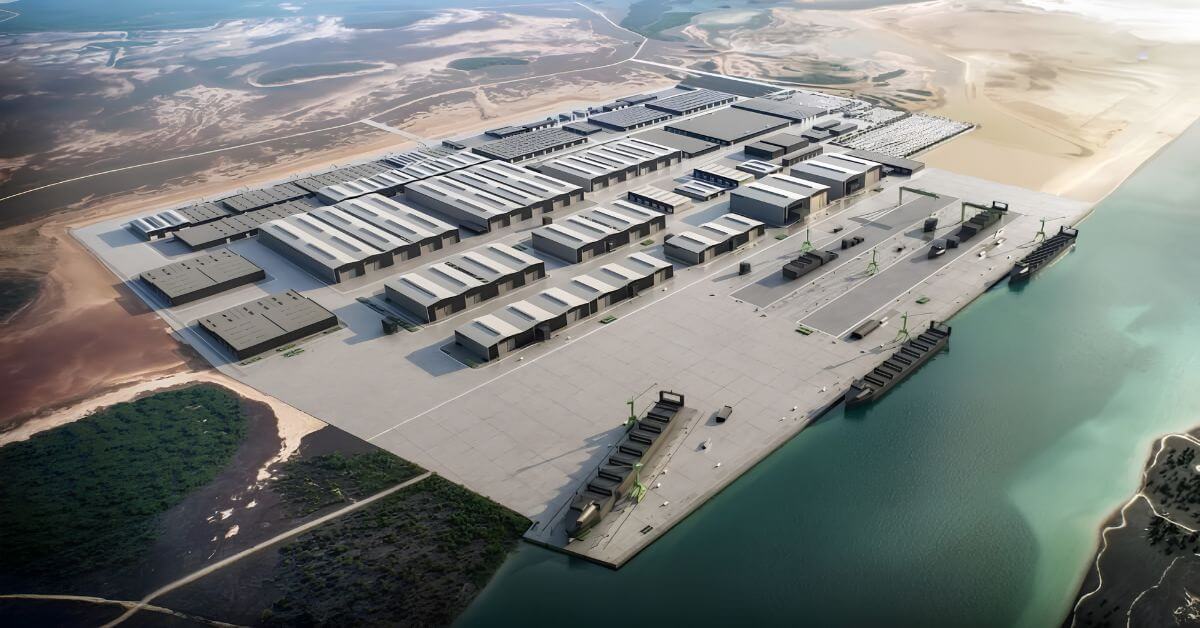
Port Alpha Shipyard to Build Navy Landing Craft, Boosting Ocean Data Access
Port Alpha Shipyard in Texas will build the Navy's next landing craft under a firm fixed-price agreement, an OTA award that anchors production on the U.S. Gulf Coast. This vessel marks the yard's first such contract, a practical step for naval mobility. Shipbuilding decisions like this carry weight beyond hulls; they shape ocean intelligence. For broader context on maritime capability, see our coverage of China's New Nuclear Carrier Signals Extended Naval Operations Capability. Measured investment in construction is how data-driven stewardship gains ground.
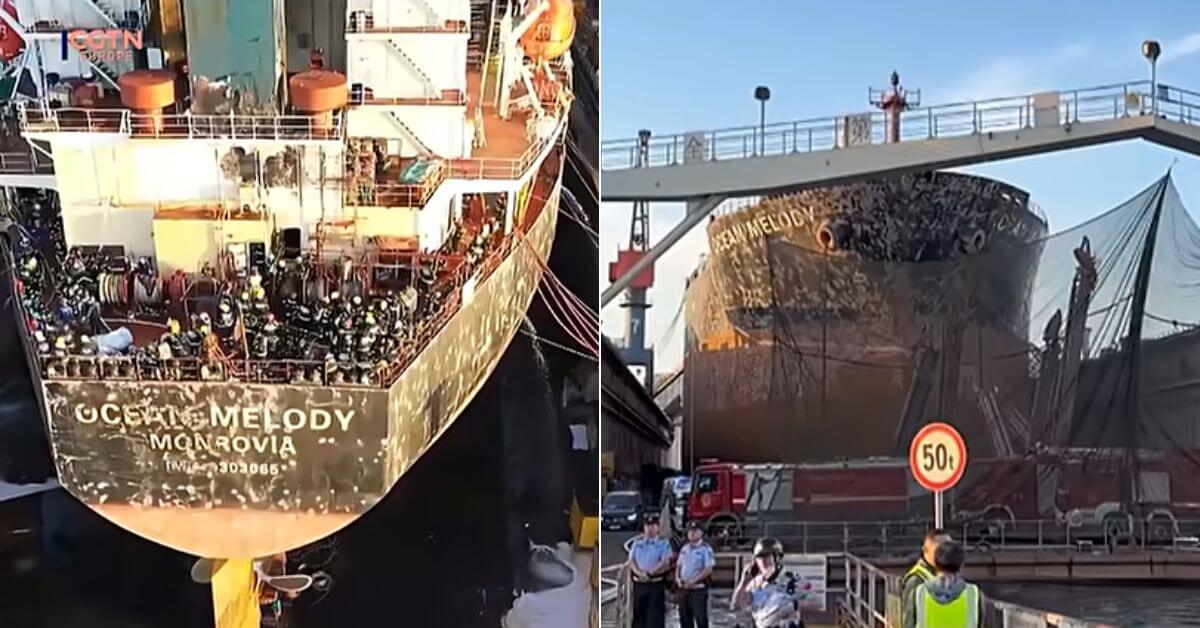
China Investigates Qingdao Shipyard Fire; Safety Protocols Under Review.
A fire at a Qingdao shipyard has triggered a formal investigation, led by the Ministry of Emergency Management with support from the Ministry of Industry and Information Technology. Safety protocols are now under review, a response that reflects the rigor such incidents demand. Fires at sea and in port remain a persistent threat, as our coverage of the Mykonos cargo ship fire reminds us. Measured scrutiny is the only credible path forward.
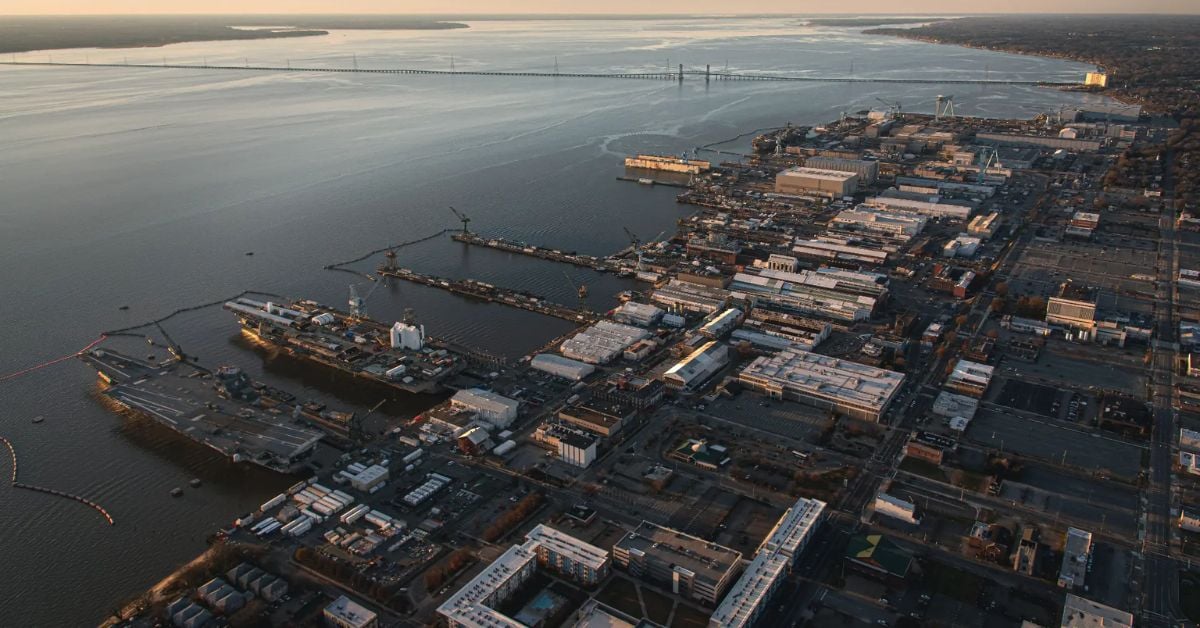
Naval Aviation's Future: HII Secures Contract for Next-Generation Carrier
A $336 million agreement with HII secures the components for CVN 82, a nuclear-powered carrier that will extend the Navy's operational reach. This is a deliberate investment in long-term maritime capability, not a headline-grabbing gesture. The ship represents the kind of sustained, measurable progress that defines modern naval force design. For readers tracking how these platforms fit into a broader picture, our coverage of "China's New Nuclear Carrier Signals Extended Naval Operations Capability" offers useful context.

Blackout-Hit Car Carrier Experiences Temperature Increase in Panamanian Waters
A crewless, blacked-out car carrier is drifting in Panamanian waters with a rising internal temperature, a scenario that demands precise, coordinated intervention. When a vessel loses all electrical power, every minute without restoration introduces new variables. This is not a time for alarm, but for calibrated response. For related analysis on maritime risk, see our coverage of the cargo ship fire near Mykonos. Understanding drives protection, especially when no crew remains aboard.

Fatal Fire Aboard Cargo Ship Ocean Melody at Qingdao Port
A fatal fire aboard the *Ocean Melody* at Qingdao Port is a stark reminder that maritime safety remains a work in progress. The 190-metre Liberian-flagged cargo vessel now sits at the centre of an investigation. Understanding such incidents demands empirical scrutiny, not alarm. For broader context on operational pressures at sea, readers may consult our coverage of the Gulf of Oman STS transfers. Validated data, not speculation, drives protection.
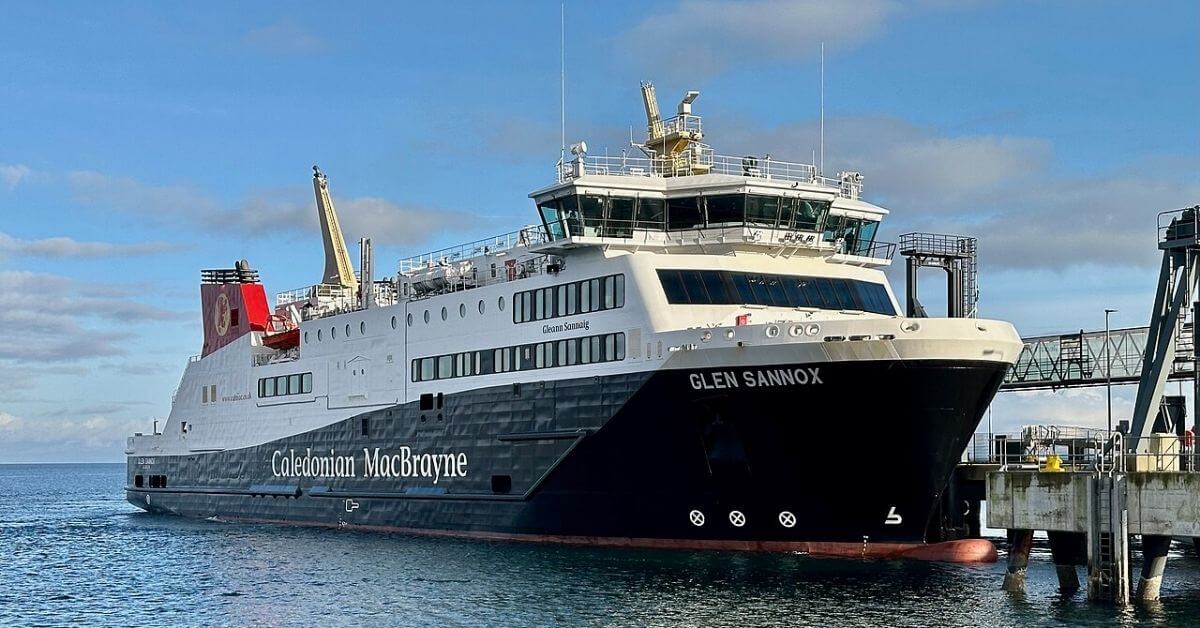
Methane Leak on Ferry Highlights LNG Safety Concerns.
A faulty valve on the LNG-powered ferry *Glen Sannox* released roughly 700kg of highly flammable methane in an uncontrolled leak. This incident underscores the non-negotiable need for rigorous safety protocols in alternative fuel systems. Measurable risk assessment must keep pace with innovation. For deeper context on LNG infrastructure and vessel design, our analysis of optimal LNG carrier capacity offers a complementary perspective. Safety and efficiency must advance together.
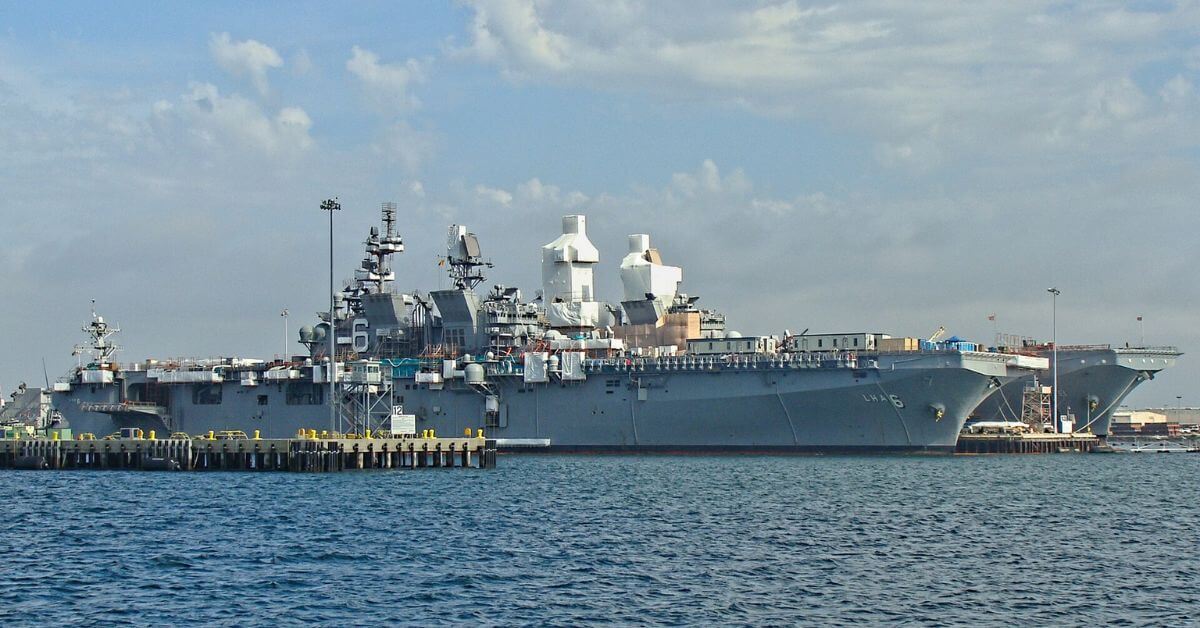
Integrating AI and Robotics to Enhance Maritime Production Capacity
Skilled labor, upgraded shipyards, and robotics are converging on the maritime sector. The company's plan to integrate physical AI into its production lines is a practical response to mounting capacity demands, not a distant ambition. This move toward automation and precision aligns with the need for measurable efficiency gains. For context on how other nations are scaling their naval ambitions, our piece on the **U.S. Navy Accelerates Submarine Production with Integrated Strategy** offers a useful comparison. The tide is turning toward smarter, faster shipbuilding.
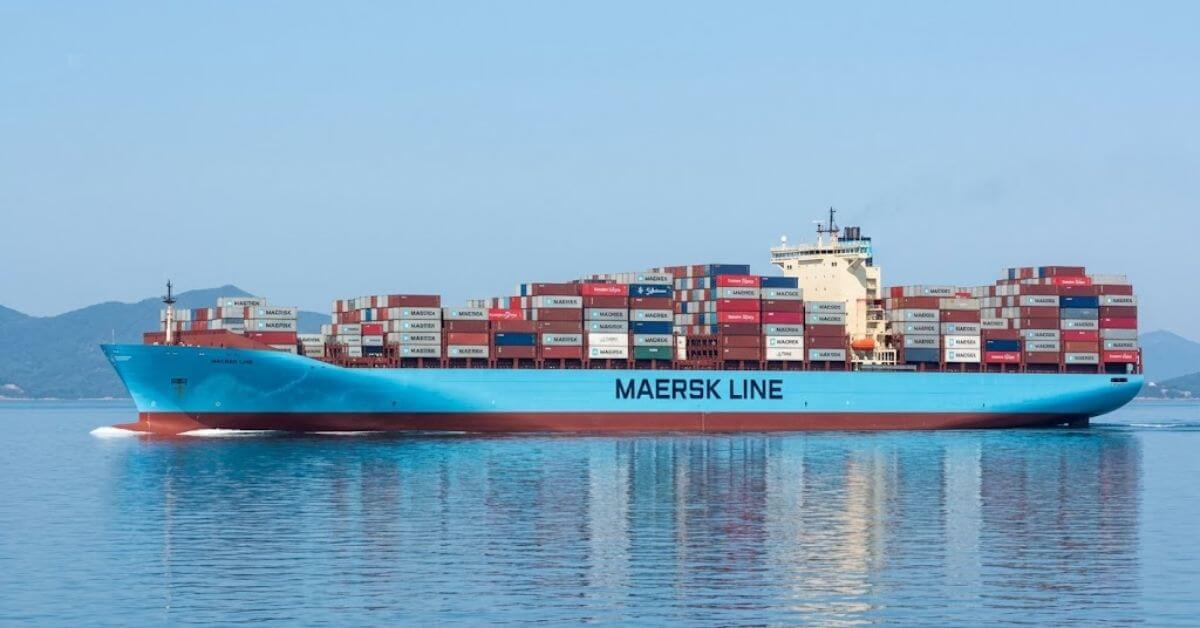
Maersk Considers Bangladesh Shipbuilding Investment, Recycling Potential Explored
AP Moller-Maersk is weighing direct investment in Bangladesh's shipbuilding sector, a move that pairs commercial pragmatism with the country's growing recycling potential. The logic is sound: established yards and expanding industrial capacity offer Maersk a foothold in a region where vessel construction and end-of-life dismantling increasingly overlap. This is not speculative ambition; it is calibrated expansion. For context on how similar partnerships are shaping regional capabilities, our piece on the collaborative shipbuilding initiative in India offers a useful counterpoint.
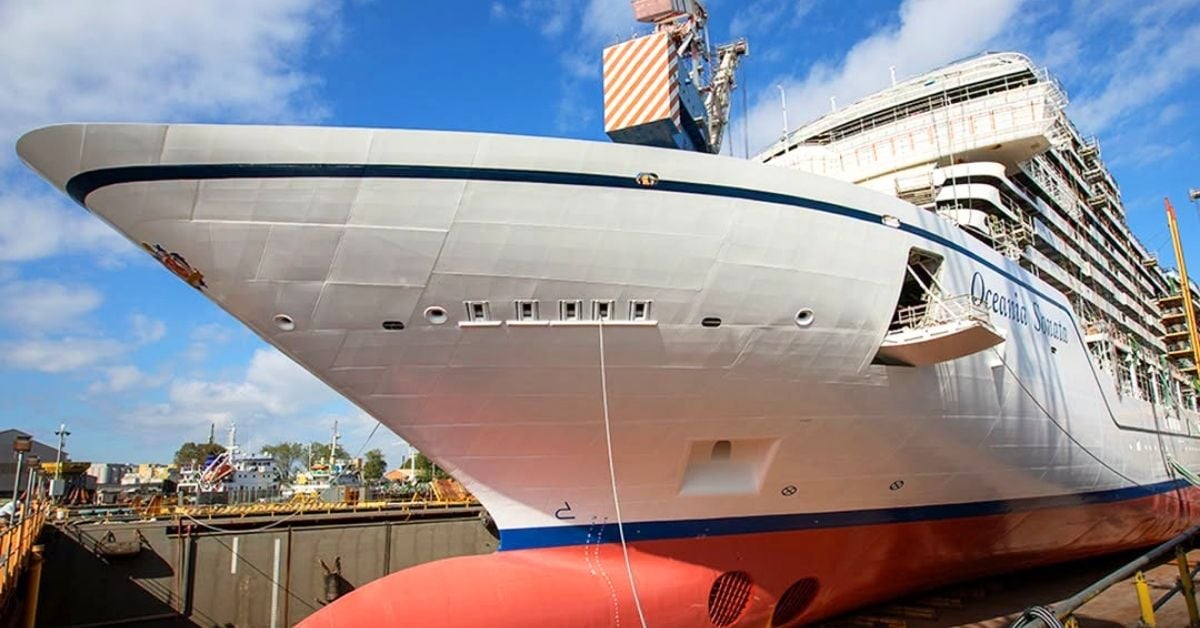
Oceania Sonata: A New Era of Luxury Cruising Takes Shape
Fincantieri and Oceania Cruises have marked a significant milestone with the launch of Oceania Sonata, a new luxury vessel now taking shape. The ship represents a measured step forward in maritime design, one that pairs refined comfort with the precision engineering the yard is known for. It is a reminder that thoughtful construction and environmental responsibility can move in tandem. For readers tracking broader maritime developments, our coverage of the recent bulk carrier grounding near Gladstone offers a contrasting look at the industry's operational challenges.

Australia Advances AUKUS Submarine Program with New Shipyard Construction
The Henderson shipyard's new construction phase marks a deliberate step in Australia's 20-year commitment to host nuclear-powered attack submarines. This is infrastructure built for the long haul, not a headline. The project's value lies in its patience and precision, turning a West Australian port into a credible maintenance hub. For readers tracking maritime logistics, our coverage of the bulk carrier freed near Gladstone reminds us that Australian waters demand both advanced capability and practical resilience. This program answers that demand with measured intent.

Cochin Shipyard Expansion Drives Ocean Data Innovation and Regional Growth
Cochin Shipyard's expansion is set to generate roughly 2,000 direct jobs, with related industries likely to multiply that impact. This is more than industrial growth; it is a concrete step toward strengthening ocean data innovation where it matters most, at the regional level. The project aligns with a broader push for integrated maritime capability, echoing efforts like the recent design equity stake in Conoship. Measured, deliberate investment like this builds the infrastructure for lasting ocean intelligence.

Shipyard Fire and Explosion in Fujian Highlights Maritime Risks.
A shipyard fire and explosion in Fujian, a critical hub for shipbuilding and repair, has thrust maritime safety back into focus. The province's position across the Taiwan Strait from democratically governed Taiwan adds geopolitical weight to an already urgent incident. This is not a distant anomaly; it is a reminder that industrial ambition must be matched by rigorous, validated safety protocols. We cannot afford to learn these lessons slowly.

Expanding Naval Capacity: Pentagon Explores International Shipbuilding Options
President Donald Trump's memorandum directing the Pentagon to explore foreign-built warships and auxiliary vessels marks a pragmatic recalibration of U.S. naval strategy. Expanding capacity through international shipbuilding is not an admission of weakness; it is an acknowledgment that timelines and industrial output matter. The move invites scrutiny, but it also opens a lane for allied integration. For deeper context on how other nations are scaling maritime assets, our coverage of China's new nuclear carrier signals extended naval operations capability offers a useful comparison.

Austal USA Delivers First U.S. Navy Floating Dry Dock in Decades
On Saturday, July 25, 2026, Austal USA launched the AFDM 15, the first U.S. Navy floating dry dock delivered in decades, moving it from its Alabama Shipyard assembly site to the water. The achievement restores a critical capability long absent from the fleet, signaling renewed industrial momentum for naval infrastructure. It also pairs with our coverage of the Navy's accelerated submarine strategy, reinforcing a broader push toward sustained maritime readiness. Precision in execution here is measurable, and the strategic timing is hard to ignore.

Hanwha Bid Signals Shift in U.S. Shipbuilding Landscape.
A $1 billion bid from South Korea's Hanwha to acquire Austal USA signals a calculated shift in U.S. shipbuilding. The move places foreign capital directly inside a domestic defense supply chain, and that matters. It is not simply a transaction; it reflects confidence in American naval demand. For context, parallel efforts like the U.S. Navy's accelerated submarine strategy show how tightly shipbuilding capacity is tied to strategic readiness. Hanwha's offer adds a new variable to that equation, one worth watching closely.

Durban’s Historic Dock Greets Oil Tanker After Decade-Long Hiatus
The 228-metre crude oil tanker *Troy* has arrived at Durban's historic Prince Edward Graving Dock, marking the port's first such berth in a decade. Transnet National Ports Authority's welcome signals a measured return to routine industrial operations, one that balances legacy infrastructure with present-day logistics. The hiatus was long, but the dock's purpose remains clear: precise, functional service. For context on regional maritime pressures, our report on the drone strike near the Strait of Hormuz offers a useful counterpoint.

Strengthening U.S. Shipbuilding: Training the Next Generation of Maritime Workers
Skilled labor is the backbone of any shipbuilding industry, and this partnership targets that need directly. By expanding the pipeline of qualified maritime workers, it strengthens both the workforce and the domestic supply chains that depend on it. It is a practical, measured response to a persistent challenge. For readers tracking the sector's broader risks, our coverage of the *Fatal Attack on Cargo Ship* offers a stark reminder of why a resilient maritime workforce matters.

Healy Icebreaker Returns to Seattle Following Engineering Casualty During Trials
The Healy's unplanned return to Seattle on July 13, towed by tugboats after an engineering casualty interrupted its trials, is a stark reminder that even the most capable vessels answer to the sea's unforgiving standards. The Coast Guard's concise statement leaves the damage unspoken, yet the disruption underscores a hard truth: reliability is the quiet backbone of polar operations. As Russia calibrates export revenue for its own icebreaker fleet, the contrast sharpens, our maritime ambitions must be matched by mechanical resilience.