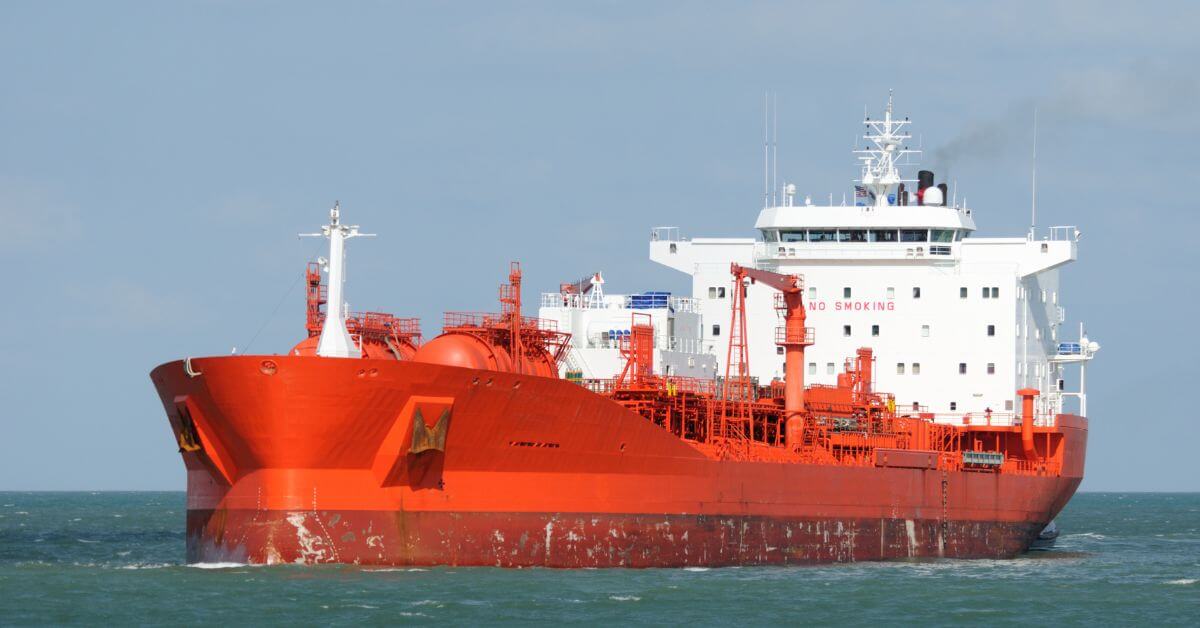
Shipping is turning to ammonia as an alternative marine fuel, driven by the need to cut emissions. That choice brings a sobering responsibility: ammonia is corrosive, toxic, and flammable at certain concentrations. The new partnership between the American Bureau of Shipping, HD Korea Shipbuilding & Offshore Engineering, and Siemens to build a validated digital twin system for predicting ammonia leaks is therefore a welcome step toward responsible innovation. The system will combine computational fluid dynamics with real-time digital twin technology, allowing engineers to simulate leak scenarios during the design stage, before steel is cut. This is not abstract research; it is a practical tool for closing the gap between ambition and safety. As we have seen with efforts like the Cruise fleet expands its role as a calibrated platform for ocean intelligence and the data-driven model showing how the atmosphere drives ocean dynamics, the marine sector is increasingly turning to integrated, empirical systems to understand complex risks before they become real-world problems. This ammonia leak project is another example of that same logic applied directly to vessel safety.
For our readers, researchers, policymakers, naval architects, and operators, the practical significance is clear. A digital twin that has been validated against empirical data transforms safety assessment from a static compliance exercise into a dynamic, iterative process. Instead of relying on historical incident data or simplified models, engineers will be able to test a wide range of variables: leak rates, ventilation configurations, sensor placement, and crew response times. The integrated data ecosystem built by this collaboration means that each scenario generates measurable, peer-reviewed findings that can be calibrated against real-world experiments. HD KSOE leads the experimental research and ammonia safety systems; Siemens supplies the simulation engine; ABS provides a digital-twin-based safety assessment method. This division of expertise mirrors what we see in ocean science: breakthroughs happen when institutions bring validated, longitudinal data together with advanced modeling tools. The result is a feedback loop where design decisions are informed by simulation, and simulation is validated by experimental data.
Our take is straightforward: this project is necessary, but it must stay focused on the hard details. The shipping industry is under immense pressure to decarbonize, and ammonia offers a credible path. But the same urgency that drives adoption of green fuels can also tempt shortcuts in safety. A digital twin system that can predict gas dispersion patterns and identify fire risks before a vessel is built is exactly the kind of empirical rigor needed to avoid repeating past mistakes. Chang Kwangpil of HD KSOE noted that AI and digital twin technology are not just new tools but a change in how research and development is done. That is the right attitude. Technology alone does not prevent accidents; validated, repeatable processes supported by independent assessment do.
The detail to watch is how the CFD models are validated against physical experiments. Digital twins are only as reliable as the data that calibrates them. The partnership has not yet disclosed the test protocols or the timeline for publishing results. For this system to genuinely improve safety, and to be adopted across the industry, its findings must be made transparent and subject to peer review. The ships that will carry ammonia as fuel are already on drawing boards. The simulation work happening now will define their safety margins for decades. That is a responsibility that demands the same rigor we apply to ocean climate indicators: measurable, validated, and shared openly.