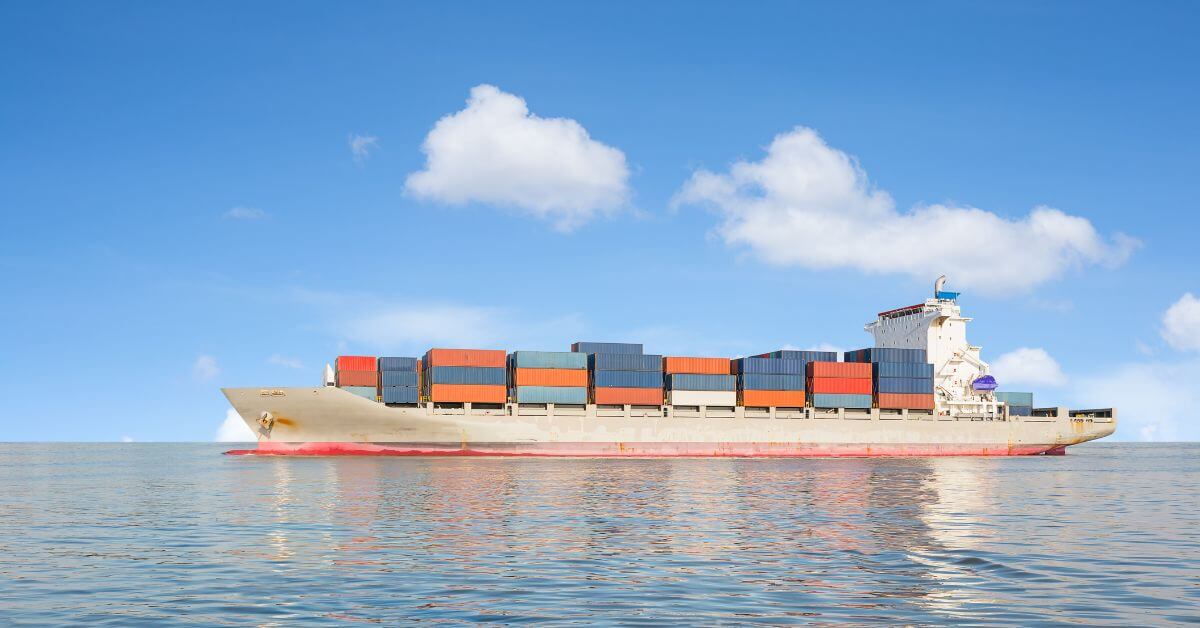
Fuel cells have long promised clean power for ships, but the hydrogen storage problem has kept them at the pier. Fraunhofer IMM's validated 25-kilowatt system that converts diesel directly into hydrogen-rich gas removes that bottleneck, and that changes the calculus for maritime decarbonization. This is not a laboratory curiosity; it is an integrated, measurable step toward cutting emissions without redesigning the global fuel supply chain.
The achievement matters most in practical terms. Ships already carry diesel. By reforming it onboard into hydrogen-rich gas and feeding that into a fuel cell, the system sidesteps the need for separate, space-consuming hydrogen tanks. For vessel operators, that means a lower barrier to adopting fuel-cell auxiliary power. For grid planners watching Australia accelerates its energy transition with measurable gains in solar and wind, the parallel is clear: incremental, validated technology often scales faster than waiting for a single silver-bullet fuel. Germany's Central Innovation Program for SMEs funded the DIMARIT project, signaling that mid-scale engineering, not moonshot funding, is driving this work. Fraunhofer IMM plans to display the system at the Hydrogen Technology World Expo in October 2026, giving the sector a concrete deadline to evaluate it.
The technical detail worth watching is the heat management. Fraunhofer researchers studied how the reformer stages interact under real-world load changes, and they are testing synthetic diesel fuels alongside conventional ones. That dual-fuel capability matters because it connects today's fleet to tomorrow's fuel standards without a costly retrofit. Compare this to the approach used in Predicting maritime ammonia leaks through a validated digital twin system, where digital models anticipate safety risks for a new fuel type. Both projects share a philosophy: validate the system under operational stress before deployment. The ammonia work addresses leak prediction; the diesel-reformer work addresses thermal stability. Both are empirical, both are peer-review ready, and both avoid hype.
The military applications, though secondary in the material, add a quiet but telling dimension. Diesel generators produce noise and heat that make positions detectable. A fuel cell running on reformed diesel cuts both signatures because it has fewer large moving parts. The researchers explicitly cited low noise, low heat, and low weight for command vehicles and field camps. That is a direct, unglamorous benefit, not a futuristic promise. It is also a reminder that environmental technology often finds its first rigorous test in defense logistics.
One open question remains: how the reformer performs across the lifetime of a vessel's engine-room duty cycle, with variable loads and marine-grade fuel quality. Fraunhofer's next phase of testing should publish those empirical failure rates. Until then, the validated 25-kW demonstration stands as the kind of calibrated, reproducible result that moves the maritime sector one step closer to an integrated energy system, no separate hydrogen tank required.