renewable energy
renewable energy at World Data Ocean is a file of 29 stories. The newest of them: “1 000 Metric Tons of Green Ammonia Delivered in First Ship-to-Ship Bunkering”, “Floating data centers anchor ocean intelligence to existing port infrastructure”, and “Belgium's First Artificial Energy Island Begins Calibrating Offshore Wind Integration”. 1,000 metric tons of green ammonia transferred in a single ship-to-ship bunkering. NYK and three partners have designed a port-based floating data center that anchors ocean intelligence directly to existing infrastructure. A Global Hub for Ocean Intelligence 4 World Data Ocean is a centralized digital platform where researchers, scientists, and ocean enthusiasts converge to… The list below is every renewable energy story on World Data Ocean, newest first.
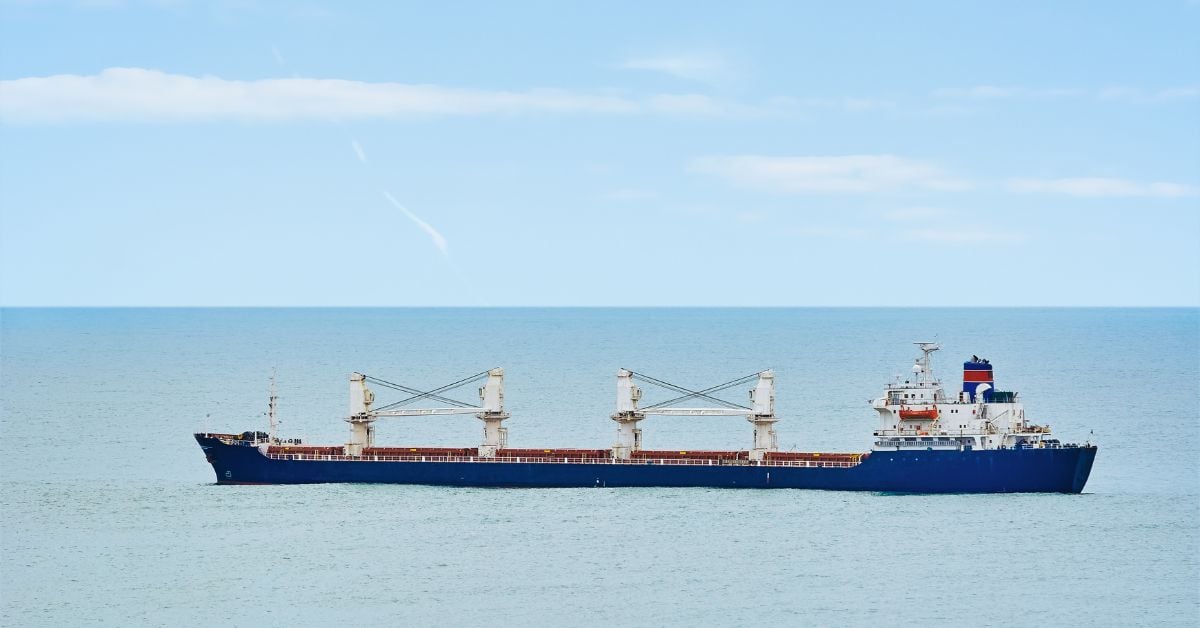
1 000 Metric Tons of Green Ammonia Delivered in First Ship-to-Ship Bunkering
1,000 metric tons of green ammonia transferred in a single ship-to-ship bunkering. That is a validated step toward decarbonizing maritime fuel. The Shenghang Yongle, the world's first liquid ammonia bunkering vessel, delivered this load to a bulk carrier with measurable precision. This is not a pilot or a promise, it is empirical progress. We see this as a calibrating moment for integrated energy ecosystems at sea. For deeper context on how port infrastructure is evolving, see our coverage of NYK's floating data center concept.
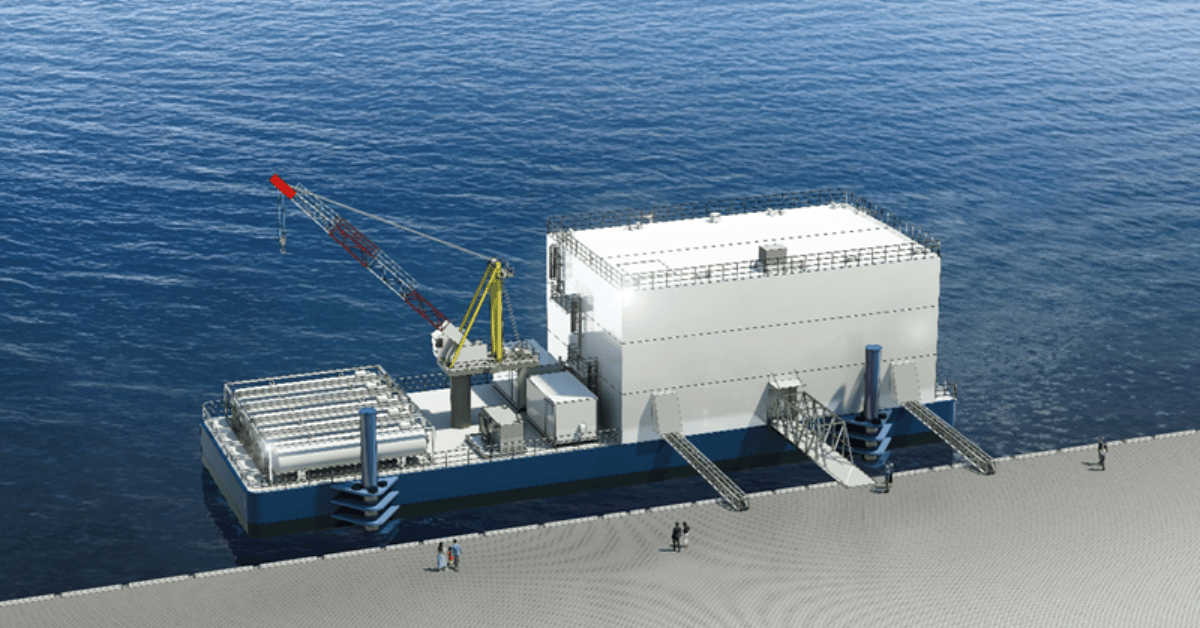
Floating data centers anchor ocean intelligence to existing port infrastructure
NYK and three partners have designed a port-based floating data center that anchors ocean intelligence directly to existing infrastructure. By integrating real-time computing capacity where ships already dock, this concept transforms coastal ports into nodes of an integrated data ecosystem. The approach is practical, measurable, and avoids the hype of unproven offshore installations. For readers tracking parallel innovation in marine energy, our coverage of Belgium's First Artificial Energy Island offers a complementary look at how infrastructure is being recalibrated for a changing climate.
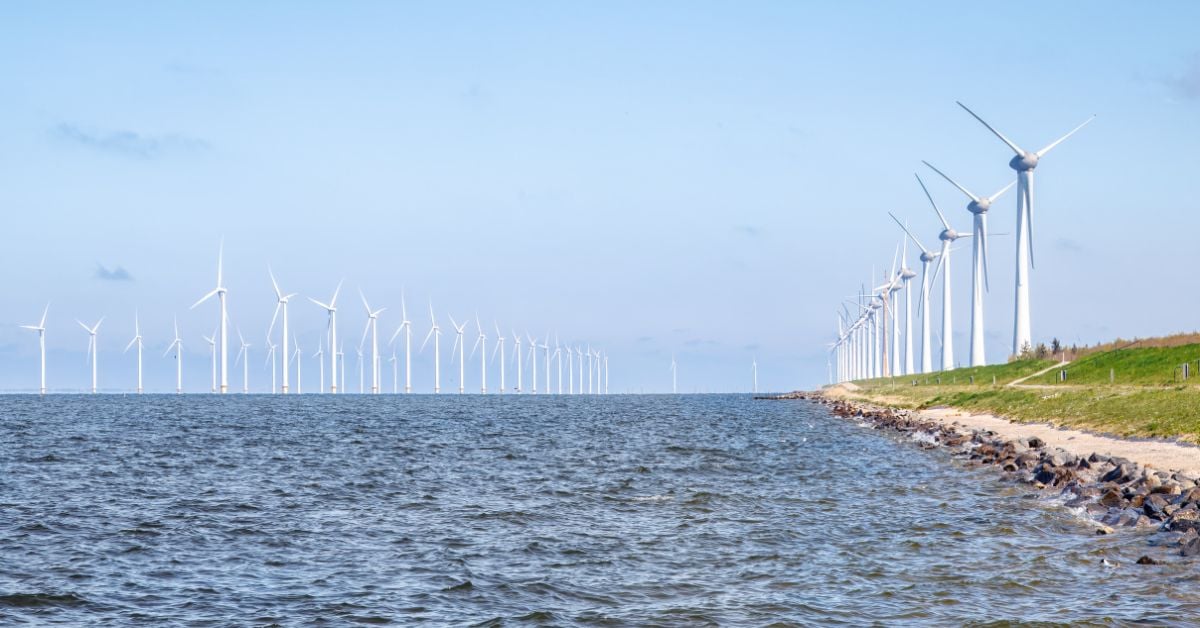
Belgium's First Artificial Energy Island Begins Calibrating Offshore Wind Integration
Belgium's first artificial energy island has begun calibrating its offshore wind integration, a measurable step toward meeting rising electricity demand with validated, real-time ocean intelligence. This integrated data ecosystem will turn climate indicators into actionable power. For deeper context on global offshore momentum, see our coverage of Ørsted consolidating ownership of the 172 MW Gunfleet Sands in UK waters. Understanding drives protection, and here, it also drives energy.
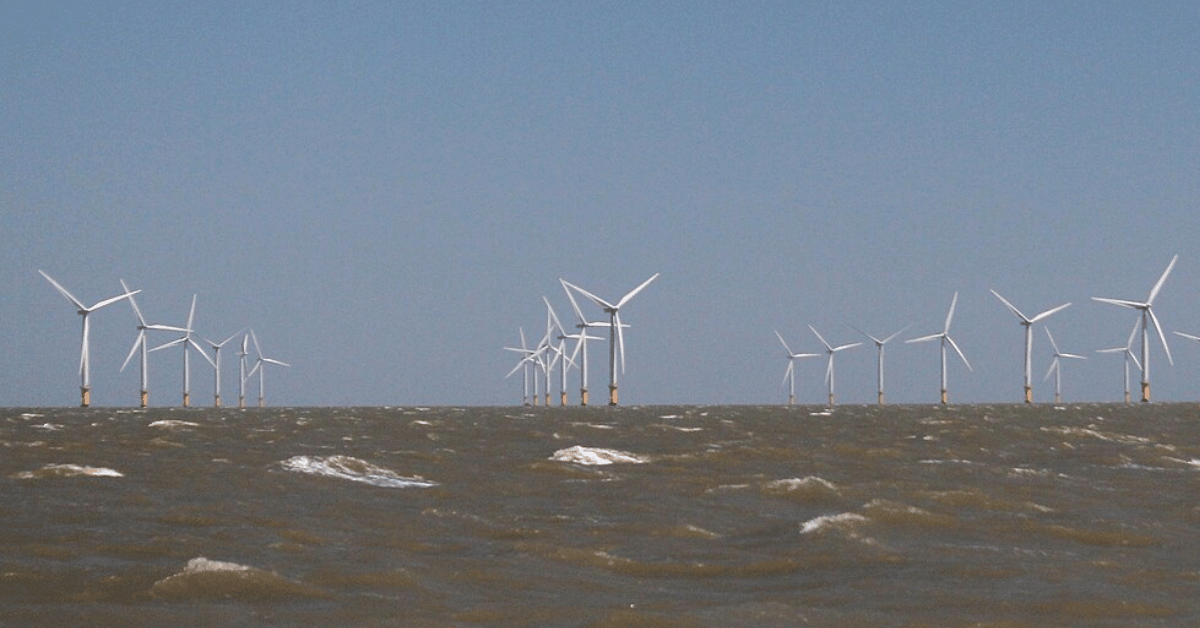
Ørsted consolidates ownership of 172 MW Gunfleet Sands in UK waters
Ørsted is consolidating its ownership of the 172 MW Gunfleet Sands 1 & 2 offshore wind farm in UK waters, acquiring full control for GBP 15 million. This strategic move reflects a measured, long-term commitment to operational efficiency and integrated energy systems. Such validated steps toward ownership stability are essential for building a reliable ocean intelligence ecosystem. For deeper context on global energy transitions, see our related coverage on how Australia accelerates its energy transition with measurable gains in solar and wind.
Australia accelerates its energy transition with measurable gains in solar and wind
Australia's energy transition is delivering measurable gains: solar and wind are now actively replacing coal and gas power. This is not a distant promise but a validated, real-time shift. Empirical data confirms the momentum is real. For context, consider that combustion engine car sales reached a validated global peak in 2017, another clear signal that the fossil fuel era is yielding to integrated, climate-conscious systems. Understanding drives protection.
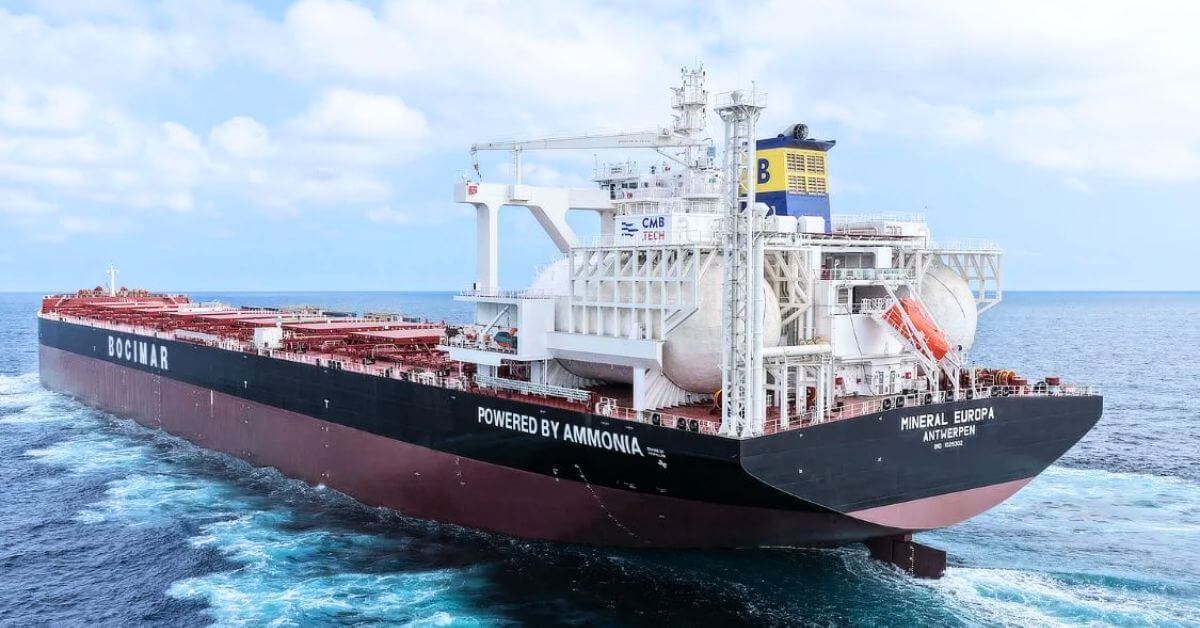
First Ammonia-Powered Bulk Carrier Validates Real-World Ocean Readiness
The *Mineral Europa*, the world's first ammonia-fueled dry bulk carrier, has completed sea trials and is heading for Australia. This is not a lab test. This is a ship, loaded with ore, crossing an ocean on a fuel that emits no CO₂. Validation at this scale matters. Measured, real-world performance is what turns ambition into a viable path forward. For more on how empirical data drives decarbonization, see our piece tracking the measured decline in solar costs.
Measured decline in solar costs tracks each doubling of global capacity
Solar panel prices have fallen by approximately 20% with each doubling of global capacity, a measured, empirical decline that tracks decades of innovation. This validated trend reveals a clear pattern: as we scale deployment, costs calibrate downward, making renewable energy more accessible. Understanding this trajectory is essential for ocean stewardship, where integrated climate indicators help measure the longevity of a booming ocean economy.
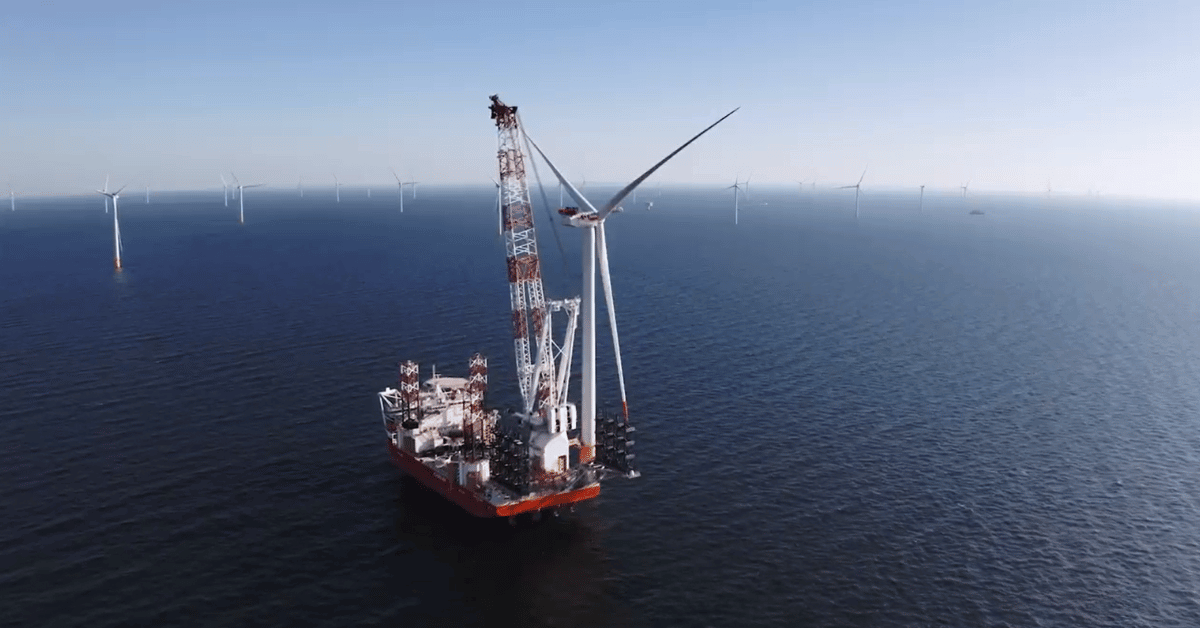
76 Turbines Stand in Baltic Sea as Poland's Offshore Wind Takes Shape
Seventy-six turbines now stand in the Baltic Sea, and Poland's offshore wind sector has crossed a threshold that took years to reach. Cadeler's completion of installation at the 1.2 GW Baltic Power farm signals measurable progress, not just in megawatts, but in the integrated data ecosystems that will monitor these waters for decades. This is empirical momentum, the kind that makes energy transition tangible. For deeper context on how subsea operations validate such builds, see our piece on the wind-powered data center calibrated at sea.
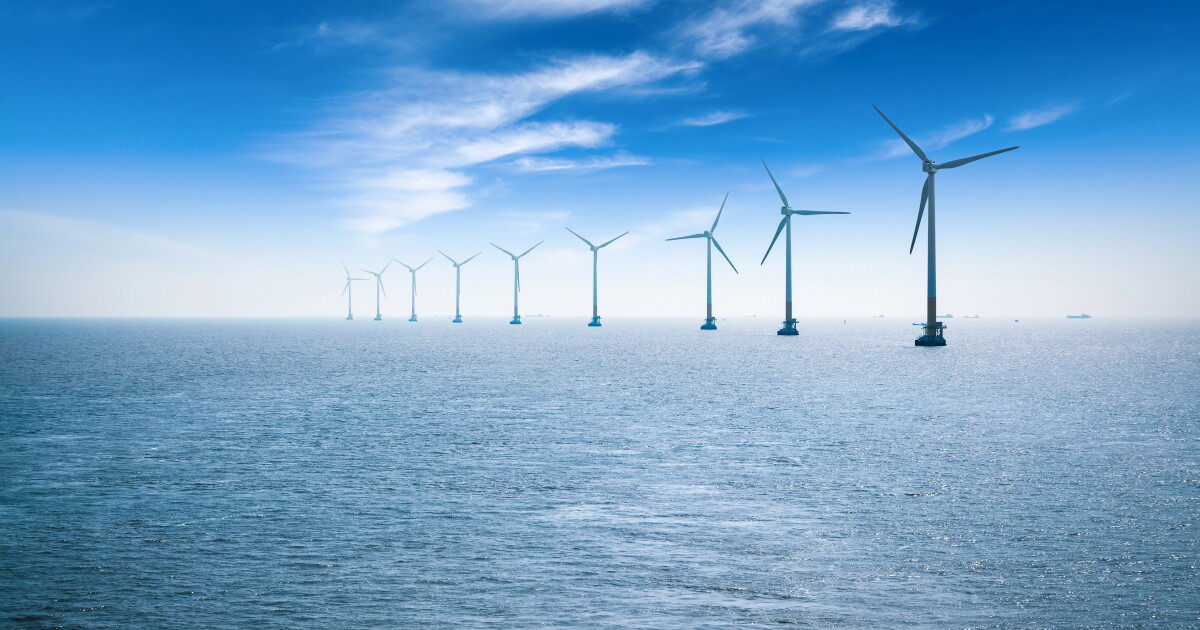
Calibrated at sea: wind-powered data center validates subsea operations
A wind-powered data center, calibrated at sea, is now validating subsea operations from the ocean floor. This is not a prototype; it is an operational, integrated data ecosystem delivering real-time, measurable results. The achievement underscores a fundamental truth: understanding drives protection. For deeper context on how shifting marine conditions challenge our assumptions, see our coverage of the shallow-water coral sighting near Naxos. From orbit to ocean floor, empirical observation remains our most calibrated instrument.
Measuring the longevity of a booming ocean economy through integrated climate indicators
The ocean economy is booming, but its longevity depends on what we can measure. UN Trade and Development now asks a critical question: how long can this growth last? The answer lies in integrated climate indicators, validated, empirical data that tracks real-time ocean health. Understanding drives protection. For deeper context, see how the cruise fleet expands its role as a calibrated platform for ocean intelligence. Growth without data is just speculation.
Empirical ocean data powers the measurable path to energy transition
The ocean's role in the energy transition is not theoretical, it is empirical. Measurable ocean data powers the path forward, validating climate indicators and calibrating our decisions. The World Economic Forum makes this clear: data is the foundation. For those tracking the science beneath the surface, our coverage of the Ocean Carbon and Acidification Data System offers a peer-reviewed look at how validated, integrated data ecosystems turn ocean intelligence into actionable climate insight. Understanding drives protection.
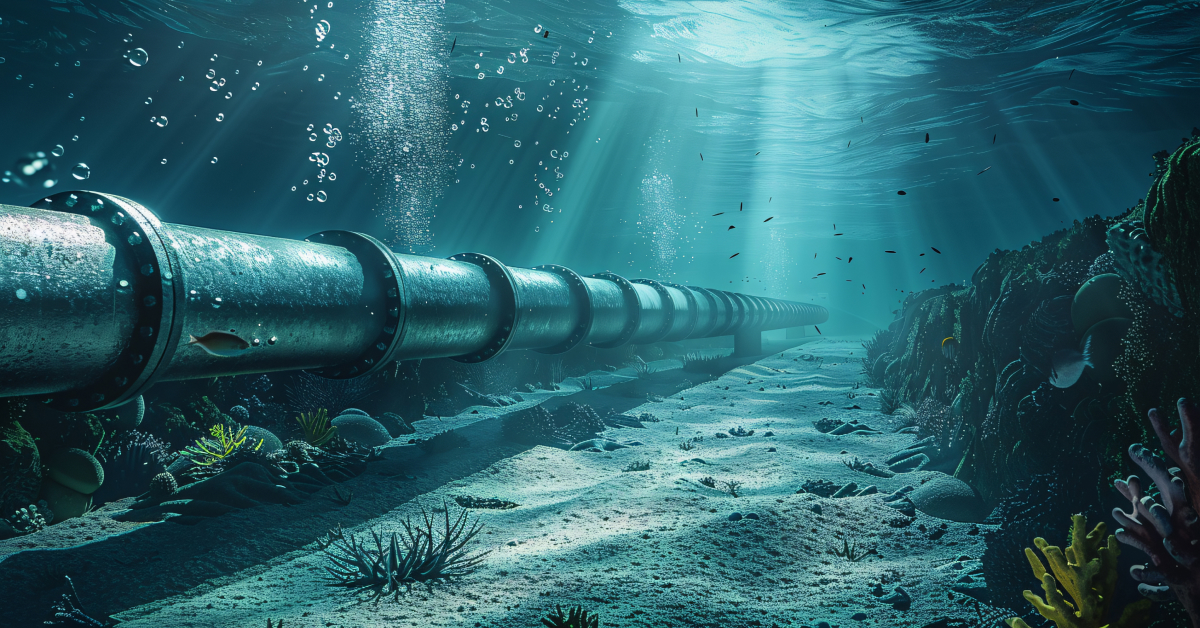
Submerging Compute: New Data from Ocean Cooling Pilots
Submerging compute hardware in the ocean is no longer theoretical. Early pilot data from ocean-cooled data centers shows validated, measurable reductions in energy use. This isn't a distant concept, it is an empirical step toward climate-resilient infrastructure. Cooling represents a staggering share of data-center energy consumption, and the ocean offers a stable, integrated thermal sink. For those tracking the broader shift, our coverage of ABB's electrification work with Ferrari Hypersail shows how innovation is redefining marine systems.
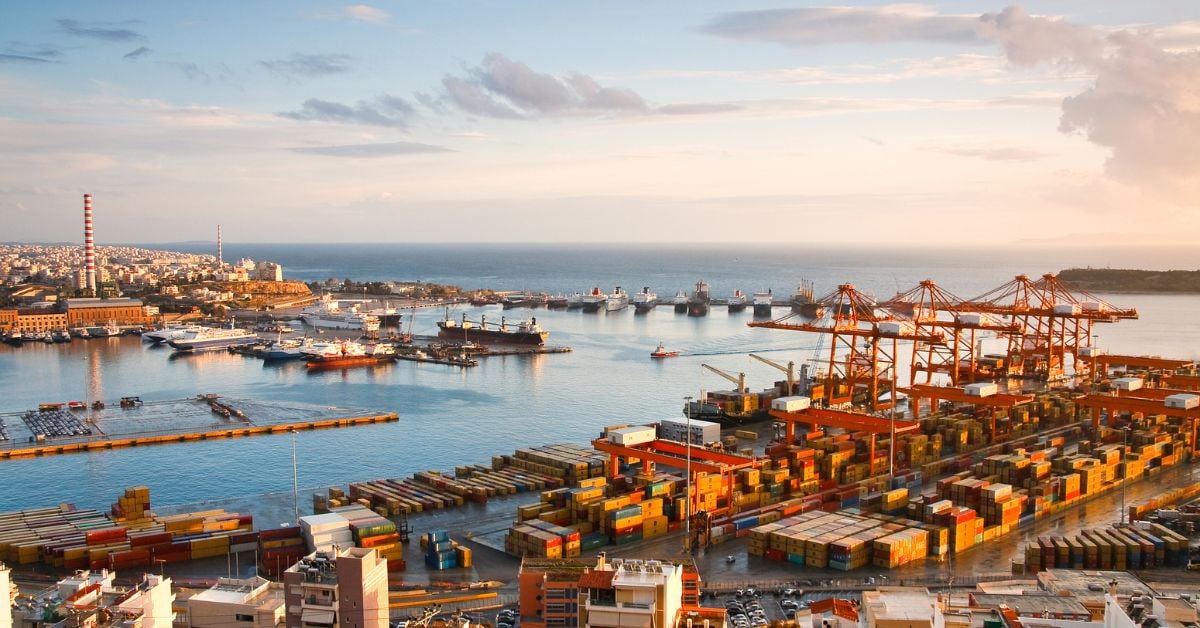
India's first e-methanol plant fuels cleaner shipping on the Asia-Europe corridor
A ₹2,300 crore investment now anchors India's first e-methanol plant, designed to supply cleaner fuel for ships on the Asia-Europe corridor. This is measurable progress, a calibrated step toward decarbonizing one of the world's busiest trade routes. Validated, real-time climate indicators demand such integrated solutions. The project reflects purpose-driven innovation, not hype. For deeper context on maritime welfare, see our coverage of the Seafarers' Welfare Centre approved for Goa's Mormugao Port. Understanding drives protection, from fuel formulation to port infrastructure.
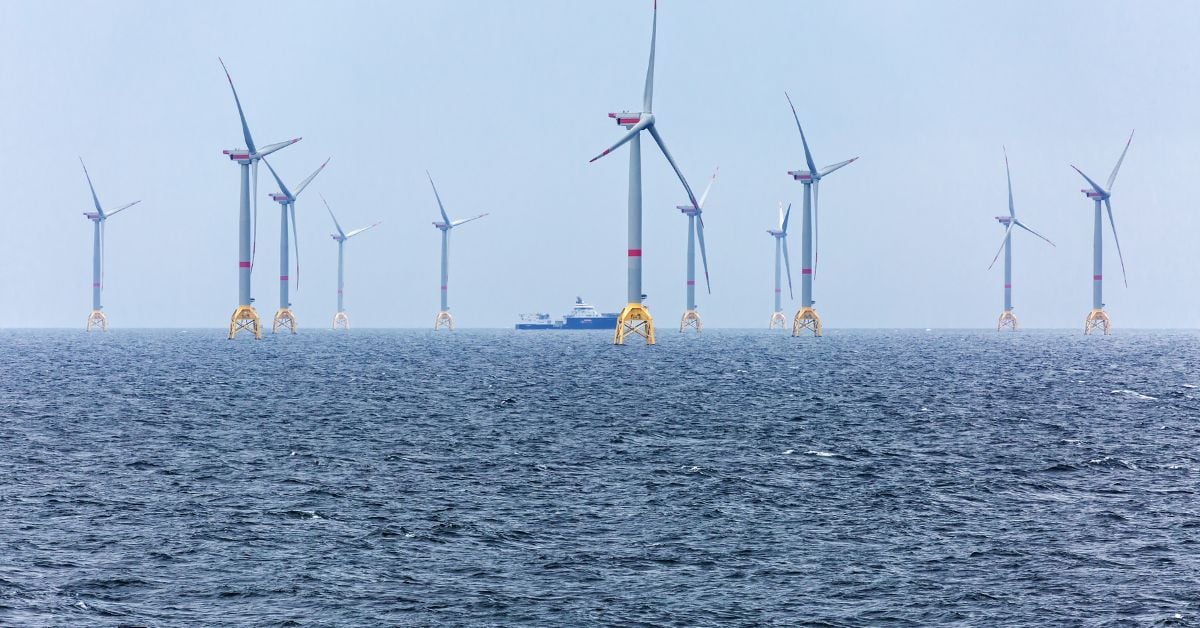
Offshore Wind Lease Reversal: Administration Offers $4 Billion Reimbursement
The Administration's offer of $4 billion in reimbursements for cancelled offshore wind leases is a striking reversal, one that prioritizes fossil fuel development over the measured progress of ocean energy. We see this as a legal and economic flashpoint, with California and New York now braced for litigation. The sum acknowledges the sunk costs, yet it does not address the broader climate indicators at stake.
Integrating Data Infrastructure with Ocean Ecosystems: A Calibrated Approach
The seafloor is not a passive highway for data; it is a living system that demands calibration. This submission recognizes that integrating infrastructure with ocean ecosystems requires more than laying cables, it requires measuring impact with empirical rigor. We support this approach because it treats the ocean as a partner, not a conduit. Related coverage, such as our piece on integrated subsea cables across the Indian Ocean, reinforces the stakes. Understanding drives protection, and this work gets that sequence right.
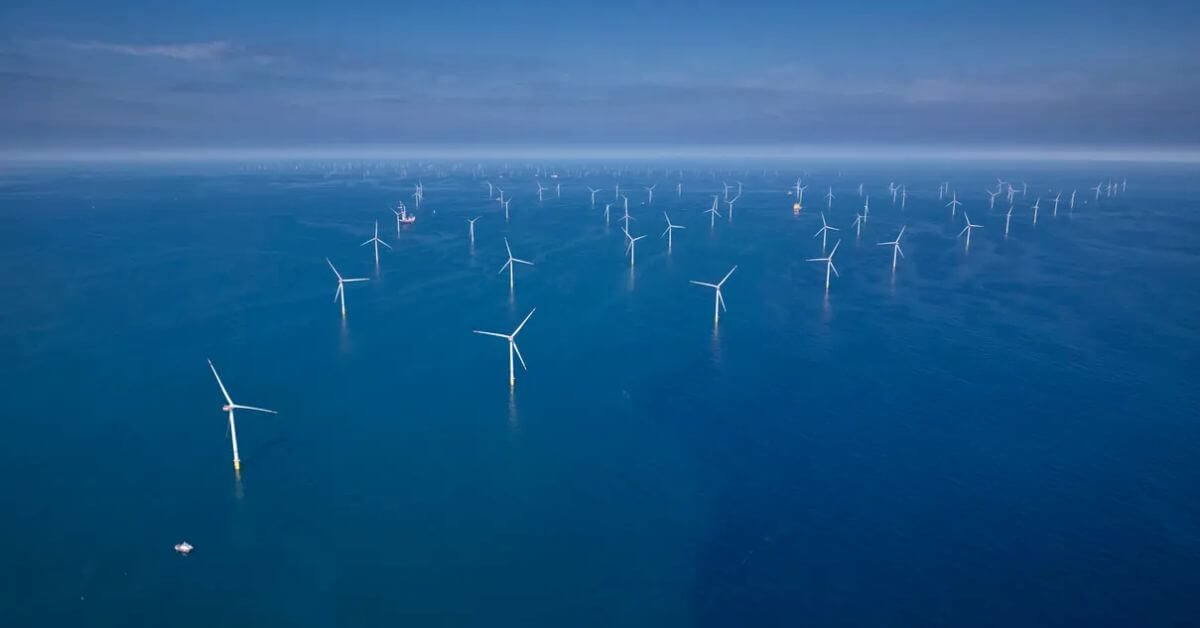
He Dreiht Wind Farm Powers German Grid, Boosting Renewable Capacity
The first turbines at the 960-megawatt He Dreiht offshore wind farm are now delivering electricity to the German grid, marking a substantial step in the country's renewable transition. This North Sea project demonstrates how measured, large-scale infrastructure can integrate clean power without theatrics. Germany's commitment to empirical progress is evident here. For broader context on how such energy shifts interact with marine policy, our related coverage, including the recent offshore lease reversal, offers a fuller picture. This is steady, data-driven advancement.
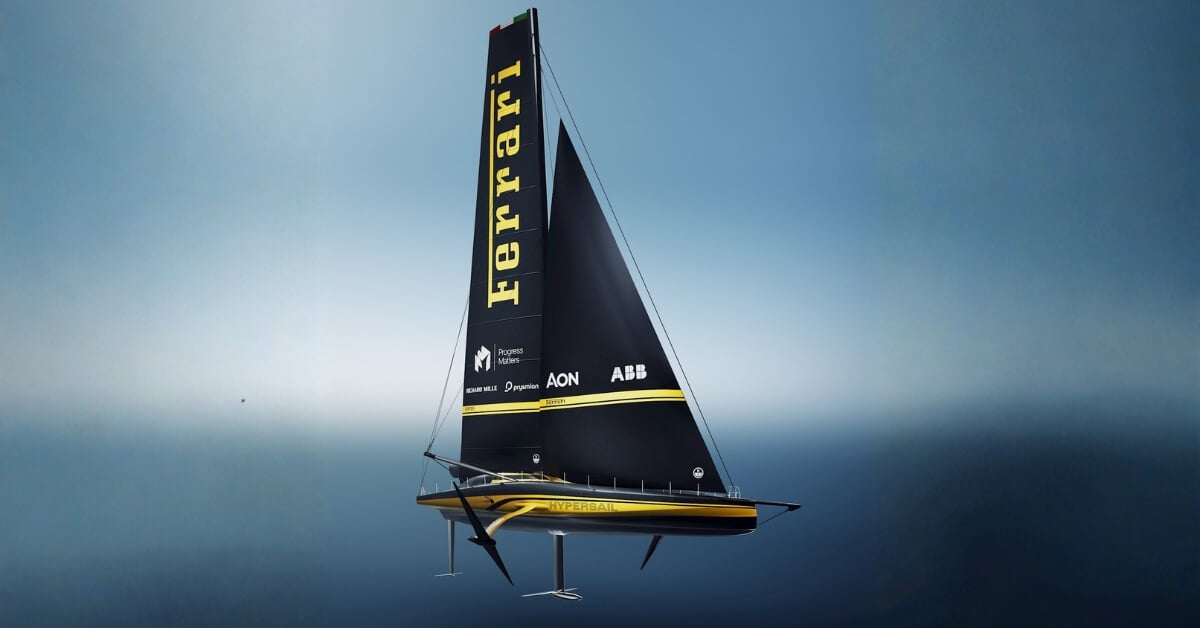
Electrification and Innovation Redefine Ocean Sailing with Hypersail Yacht
ABB's electrification expertise now powers Ferrari Hypersail's bold pursuit of offshore records, pairing validated marine technology with the drive to redefine what sailing can achieve. This partnership signals a measured step forward, where performance and sustainability share the same keel. We see it as a practical response to a pressing need: cleaner propulsion without compromise.
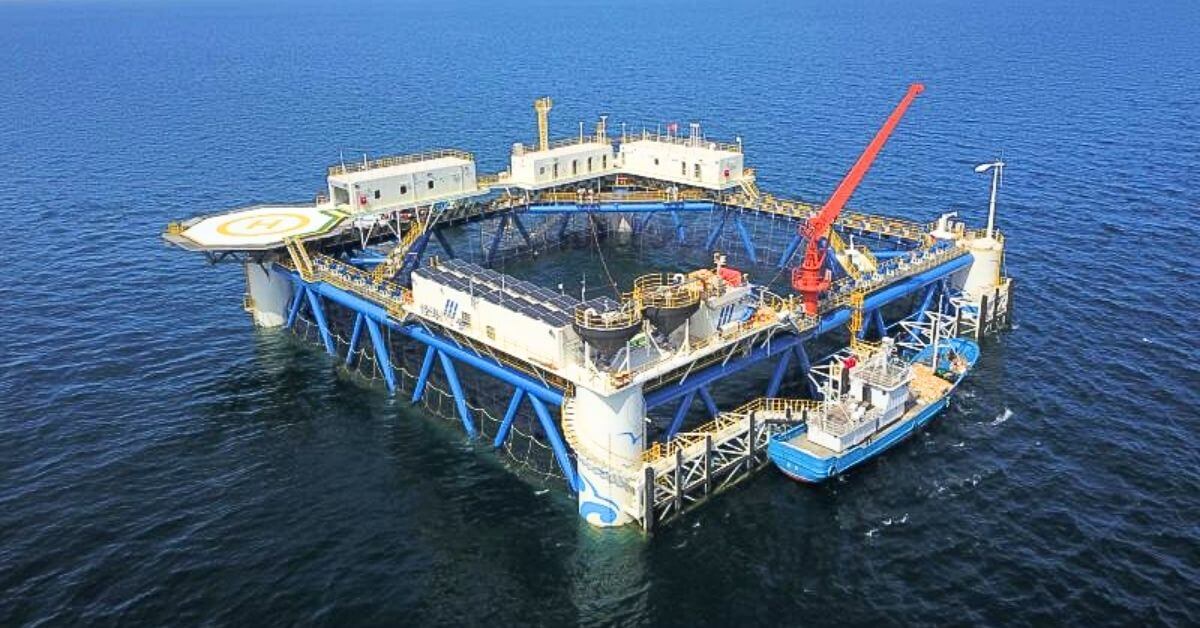
Bamboo Solar Platform Tests Sustainable Offshore Energy Solutions
A new test platform is asking whether bamboo can do what steel and plastic have always done in offshore solar. The design challenges the materials status quo by measuring performance against conventional structures. It is a practical experiment, not a spectacle. If the data holds, it could reshape how we build in marine environments. For more on infrastructure pressures elsewhere, see our coverage of Gulf of Oman STS Transfers Max Out Amid Rising Saudi Oil Exports.

Wind-Powered Data Hub Monitors Ocean Health in Real-Time, China.
In the South China Sea, the world's first wind-powered underwater data centre is now operational, marking a calibrated step toward integrating renewable energy with ocean intelligence. This is not a distant concept; it is a live, peer-reviewed example of how real-time climate indicators can be measured from the seabed. The innovation is purposeful, and its implications for global data ecosystems are significant.

Callao Port Integrates Shore Power, Advancing Sustainable Maritime Operations
Callao's South Terminal now runs on shore power, making it DP World's third facility to do so, alongside Canada's Prince Rupert and Vancouver ports. The move grounds maritime operations in measurable, real-time emission reductions. It is a practical step toward cleaner ports, one that aligns operational efficiency with climate indicators rather than promise. For readers tracking port electrification, our coverage of the Chattogram Port lease dispute offers a useful counterpoint on labor and governance tensions in global terminal management.

Taiwan Wind Farm Turbine Incident Highlights Offshore Reliability Challenges
A 14 MW turbine at Orsted's Greater Changhua 4 wind farm halted operations before catching fire, a sequence that underscores the unforgiving nature of offshore maintenance. Reliability, not just capacity, defines progress in this sector. When a machine fails in a marine environment, the response time and root-cause analysis become as critical as the initial engineering. This incident is a measured reminder that operational resilience lags behind turbine size.

Record-Breaking Green Methanol Bunkering Fuels Sustainable Shipping in Shanghai
A single bunkering operation in Shanghai has set a global record for green methanol supply, marking measurable progress in the shipping sector's shift toward lower-carbon fuels. The scale of this milestone is significant, but the real signal is repeatability: the more ports integrate green methanol into routine logistics, the faster the industry can move beyond pilot projects. For broader context on regional energy flows, our coverage of Gulf of Oman STS transfers offers a useful contrast in how different fuel systems are evolving.

Modeling a Green Shipping Corridor for Sustainable Trade Growth
A 2.2% annual traffic growth rate sounds modest until it meets a decarbonization curve that will not bend. This study models a green shipping corridor linking Shanghai, Jebel Ali, and Koper, and the results are sobering: even with 23 mitigation measures and roughly 86% alternative fuel adoption, net-zero by 2050 remains out of reach. The bunkering stage, not the voyage, is where the system lives or dies. That is the actionable insight. Corridors are not routes; they are integrated transport-energy systems.

Advancing Ocean Connectivity: Vard Delivers Groundbreaking Hybrid Cable Layer
At 1,200 kilometers of cable-laying capacity, the newly delivered hybrid-powered 'Discovery' positions Vard Tulcea at the leading edge of maritime infrastructure. Built for Japan, this vessel is a practical response to a simple fact: connectivity depends on precision. The largest hybrid-powered submarine cable layer ever constructed, it pairs engineering discipline with a clear-eyed view of operational demands. That kind of integration matters. For readers tracking parallel advances in shipyard capability, our coverage of Cochin Shipyard's recent design expansion offers useful context.