port
port at World Data Ocean is a file of 24 stories. The newest of them: “When Communication Fails: Ambiguous VHF Exchange Prevents TSS Collision”, “Shifting Cargo: Russian Terminals Adapt for Grain Export Surge”, and “Kochi Poised to Become a Global Maritime Services Hub.”. A bulk carrier and tanker collided in a Traffic Separation Scheme after an ambiguous VHF exchange, poor situational awareness, and inadequate checks before a major course alteration. The Baltic and Arctic terminals that once moved fertiliser and coal are now turning to grain, a pragmatic response to shifting export demands. A Global Hub for Ocean Intelligence 4 World Data Ocean is a centralized digital platform where researchers, scientists, and ocean enthusiasts converge to… The list below is every port story on World Data Ocean, newest first.
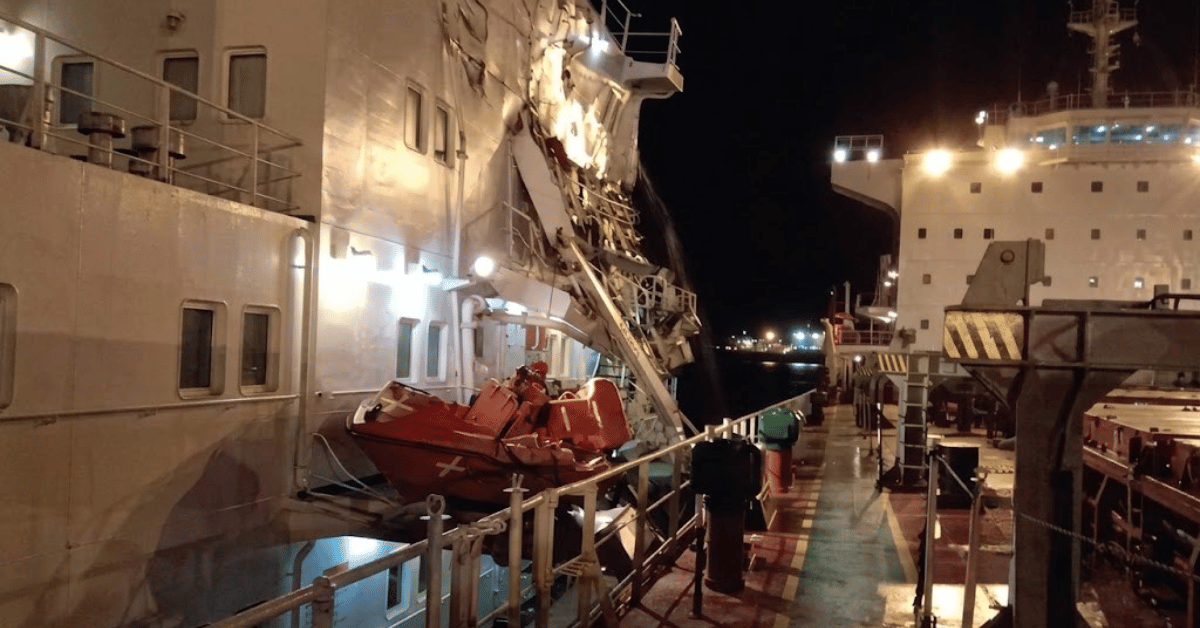
When Communication Fails: Ambiguous VHF Exchange Prevents TSS Collision
A bulk carrier and tanker collided in a Traffic Separation Scheme after an ambiguous VHF exchange, poor situational awareness, and inadequate checks before a major course alteration. When communication fails, the consequences are measurable and immediate. This incident underscores how human factors remain a leading cause of maritime accidents, a theme we explore further in our analysis of quantifying human factors in vessel loss-of-control risk models. Understanding these failures drives better protection at sea.
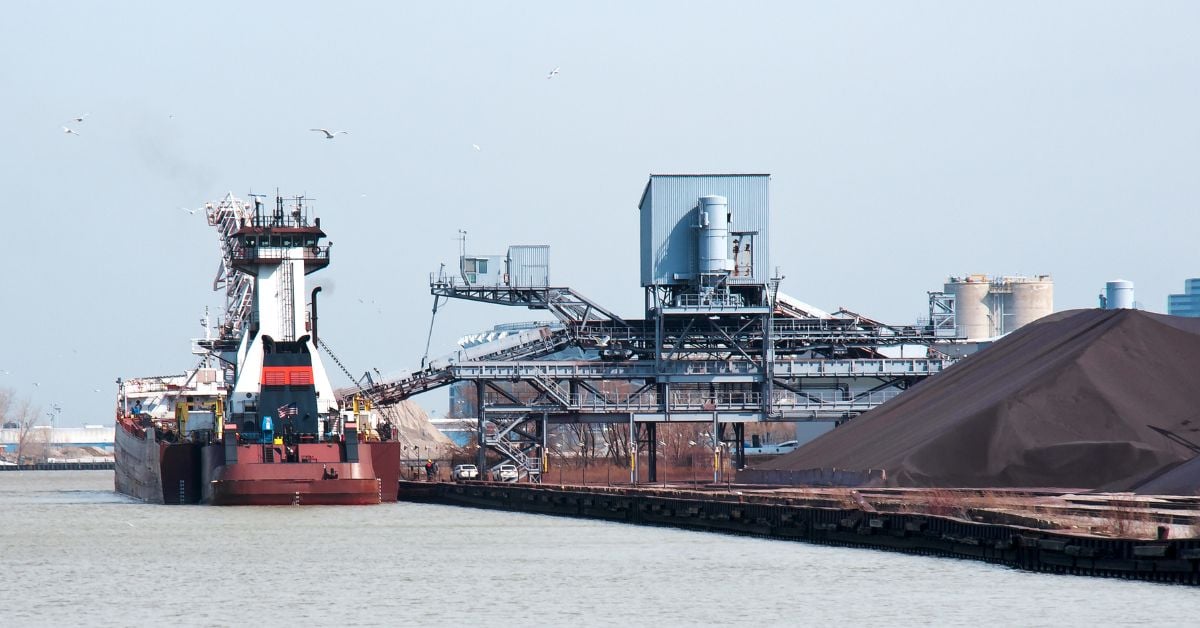
Shifting Cargo: Russian Terminals Adapt for Grain Export Surge
The Baltic and Arctic terminals that once moved fertiliser and coal are now turning to grain, a pragmatic response to shifting export demands. It is a quiet recalibration of infrastructure, and one that speaks to how quickly trade flows can redirect. Russia is adapting its logistics to stay competitive, and that flexibility is worth watching. For broader context on how export routes are evolving, our piece on Russia Calibrates Export Revenue for the Northern Sea Route Icebreaker Fleet offers a useful parallel.
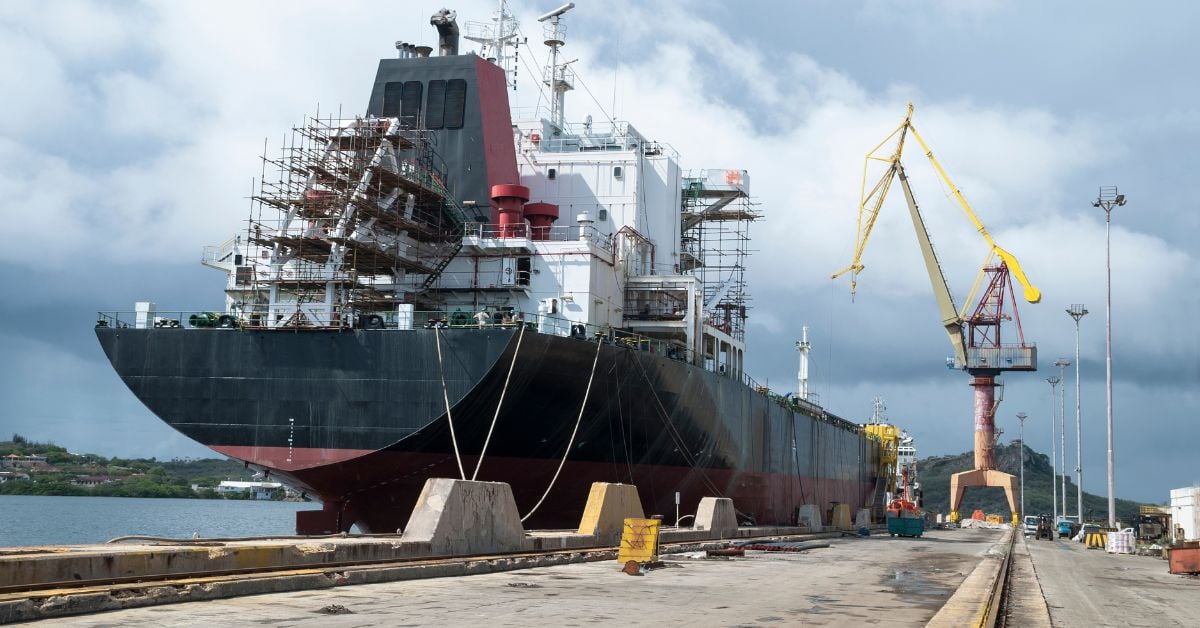
Kochi Poised to Become a Global Maritime Services Hub.
Kochi is positioning itself as a global maritime services hub, expanding its technical and operational capacity with measurable intent. This is not ambition for its own sake, it is a calibrated step toward integrated ocean intelligence. When a port city invests in real, validated capabilities, it strengthens the entire data ecosystem that connects orbit to ocean floor. For deeper context, see our coverage of Cochin Shipyard's strategic equity stake in Conoship. Understanding drives protection.

Sea Drones Strike Sochi, Demonstrating Extended Reach and Impact.
A Ukrainian sea drone strike reached Sochi, a Russian resort roughly 700 kilometers from the border, demonstrating an extended range that redefines maritime conflict. This is not alarmism; it is a measurable shift in operational reach. The attack underscores how uncrewed systems can project force far from traditional front lines. For deeper context on maritime infrastructure and strategic chokepoints, see our coverage of *Paradip Port Designated a Mega Port*. Understanding these dynamics is essential for assessing global security.
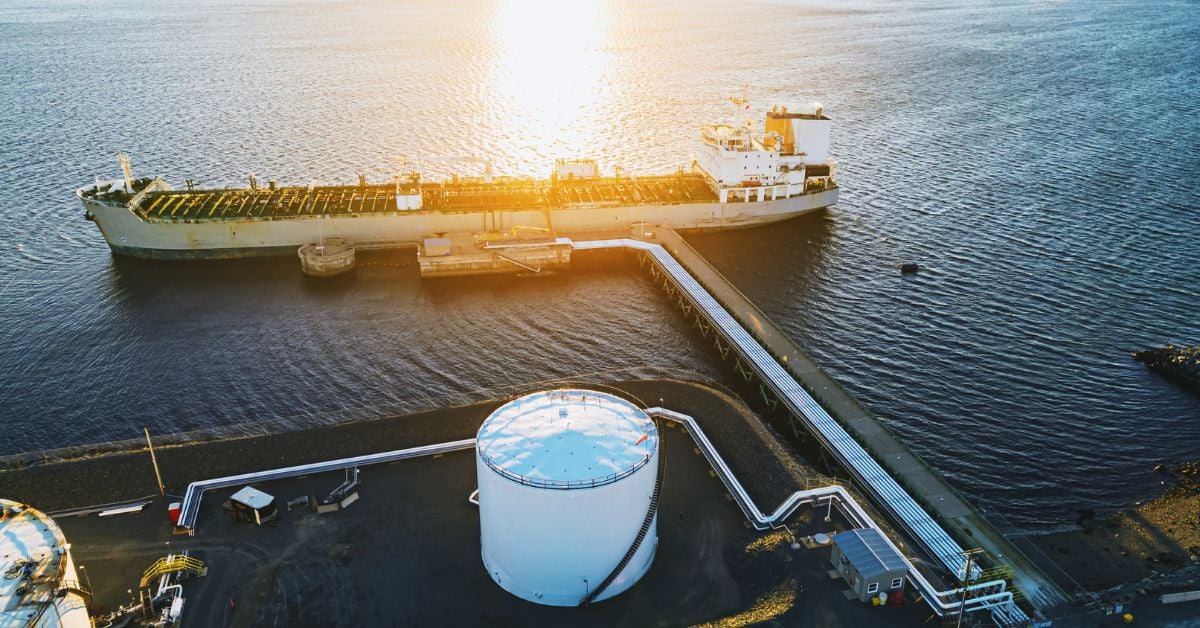
Escalating Tensions: Iran Issues Warnings to Tanker Crews in Persian Gulf
Iran's Islamic Revolutionary Guard Corps Navy has warned tanker crews near Kuwaiti and Bahraini ports to abandon their vessels. This escalation injects measurable risk into an already volatile Persian Gulf. Regional maritime stability is not a theoretical concern, it is a climate indicator of geopolitical friction. For deeper context on how such tensions intersect with energy routes, see our related coverage on "Phased Negotiations Aim to Ease Restrictions on Strait of Hormuz." Understanding these pressures is essential for calibrating both security and environmental responses.
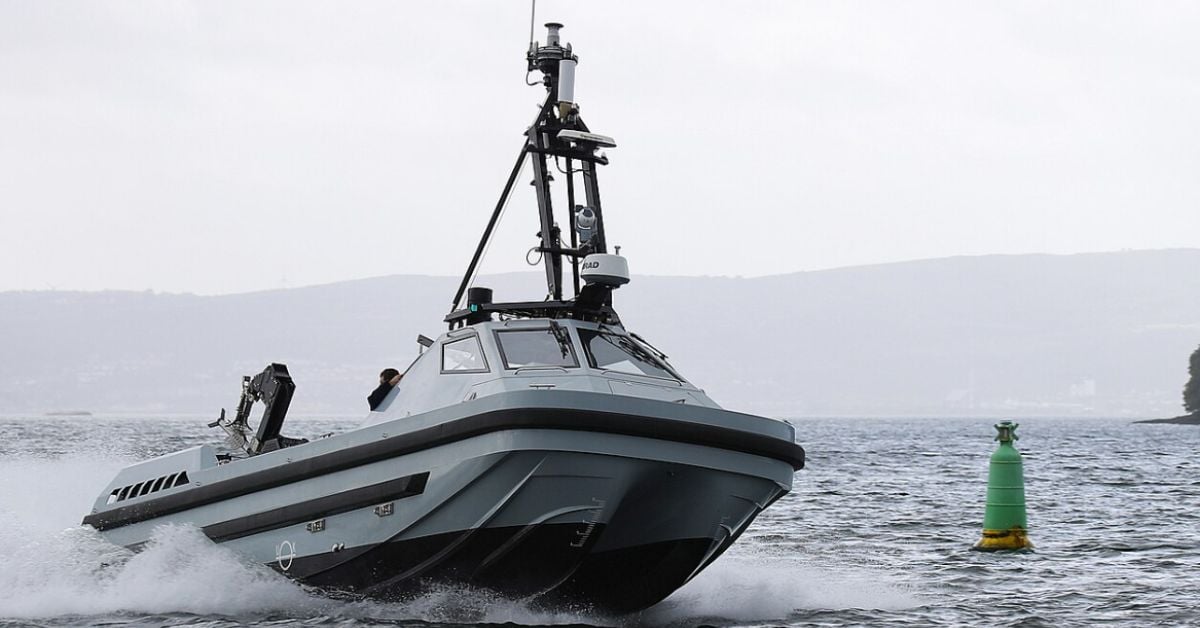
Autonomous Refueling Extends Ocean Drone Mission Capabilities.
In just seven months, a robotic system refueled a drone boat at sea, sparing it a return to port. That speed matters. Extending mission range without shore-side stops is the kind of incremental progress that turns autonomous systems from experimental tools into practical assets. It is a measured step, but a telling one. For deeper context on how the Navy is folding such capabilities into broader operations, our related coverage in "Navy Accelerates Autonomous Systems Integration for Enhanced Maritime Operations" offers useful grounding.
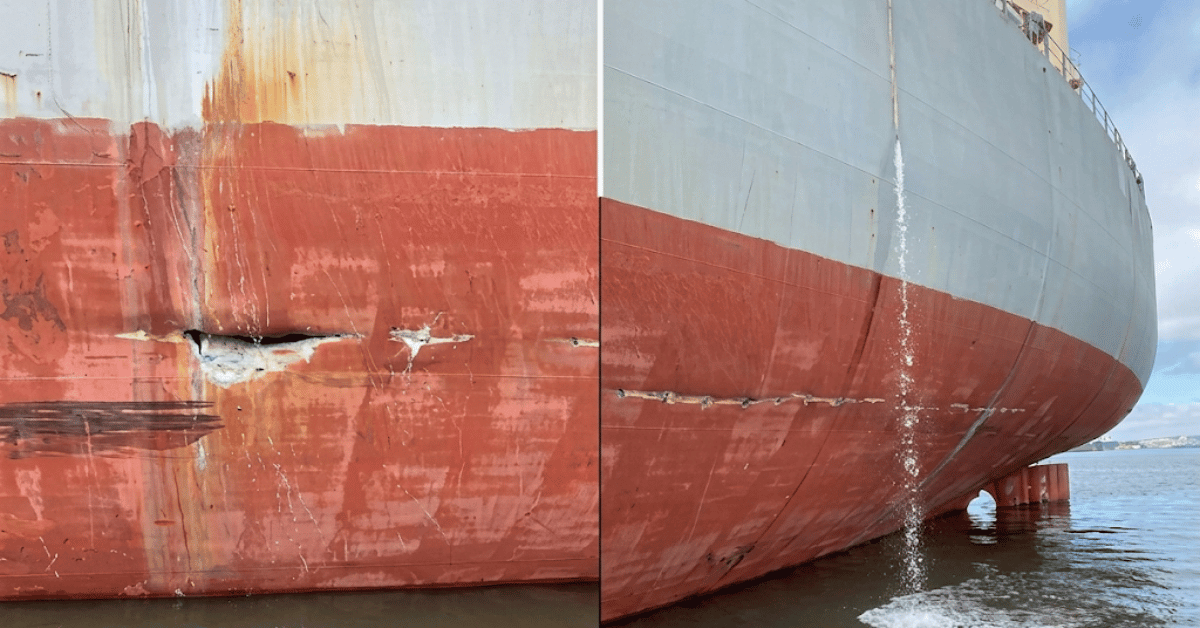
Navigation Error: Tug Misidentification Leads to Pier Collision.
A tug-name mix-up is a small error with outsized consequences. During a night-time departure, the misidentification led a tanker straight into the pier, a collision that was entirely avoidable. It is a sharp reminder that precision in communication is not a luxury but a necessity in maritime operations. This incident joins a growing list of navigation challenges we have covered, including the cargo ship fire near Mykonos, showing that vigilance remains the industry's most critical instrument.
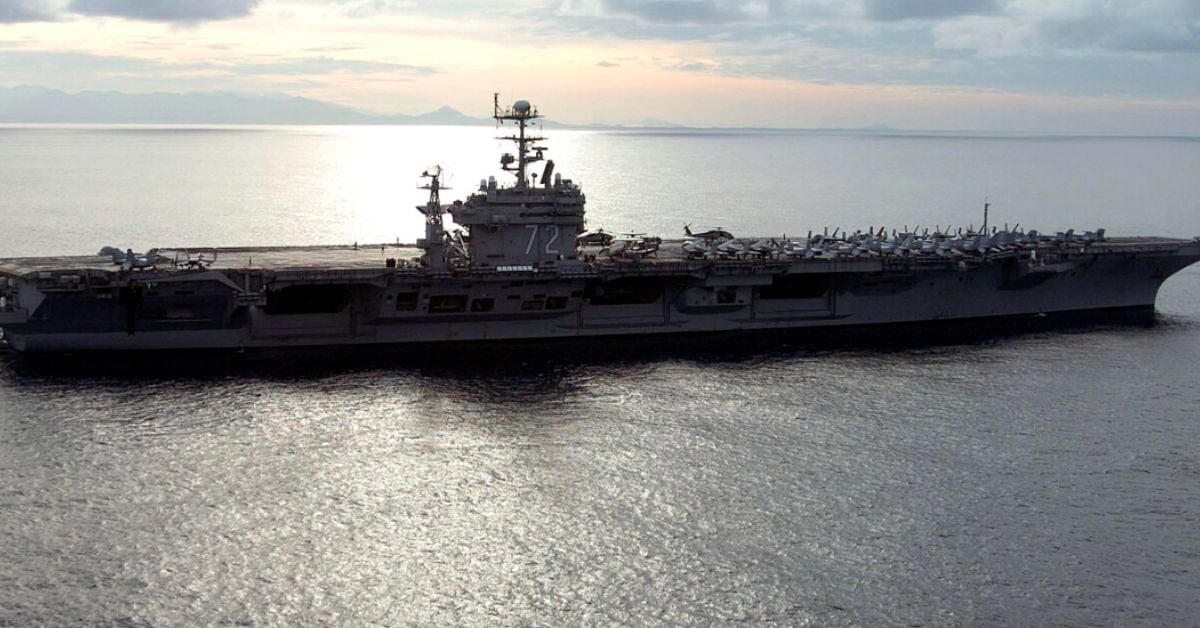
Naval Personnel Incident Under Review Following Overseas Altercation
Two sailors from the USS Abraham Lincoln are under review after an overseas altercation outside a bar, with a citizen calling police to resolve the incident. Discipline in such moments reflects directly on operational readiness, and the Navy's response will be closely watched. Incidents like this underscore why standards matter, especially as the service pushes forward on integration of new capabilities. For broader context on that push, see our coverage of the Navy's new center for autonomous systems integration.
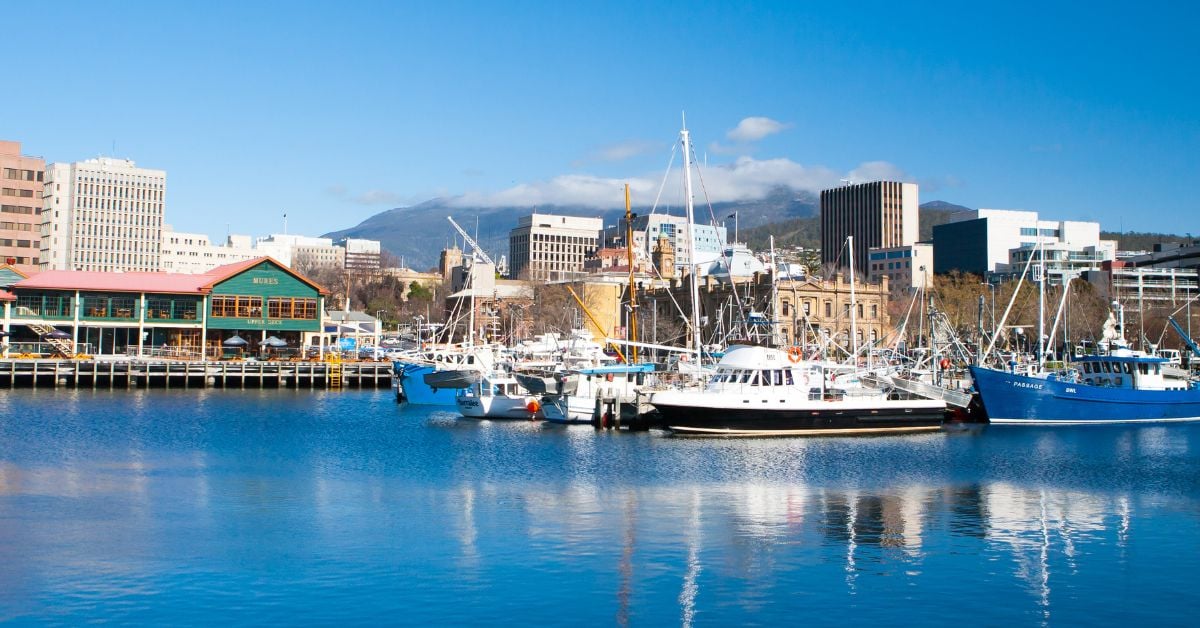
Tragic Incident at CentrePort Highlights Ocean Port Safety Concerns
The loss of a worker at CentrePort Wellington this morning is a stark reminder that port safety demands constant vigilance. Every incident warrants a rigorous examination of the systems meant to protect those who keep global trade moving. While we often focus on technological advancements, such as Cochin Shipyard's recent design expansion, the human cost of operational lapses remains the most critical metric. Our thoughts are with the worker's family, and we urge a thorough investigation to ensure this tragedy leads to measurable improvements.
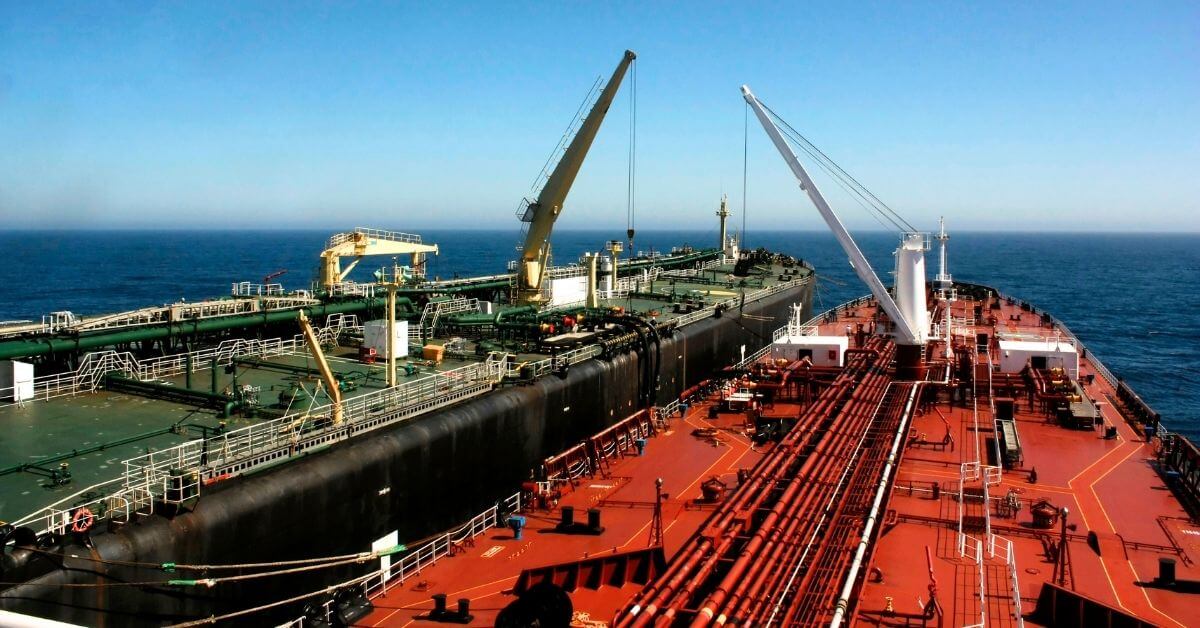
Yemen Oil Spill: Integrated Data Reveals Impact on Marine Ecosystems
The validated data emerging from the Yemen oil spill paints a precise picture of ecological disruption, one that reaches beyond the immediate slick to the coastal economies and fisheries that depend on these waters. Integrated monitoring confirms the pollution's reach, yet the focus remains on measurable recovery pathways. For those tracking regional maritime risk, our related coverage on the Gulf of Oman STS transfers offers useful context on the pressures shaping these waters. Understanding these impacts is the first step toward calibrating an effective response.
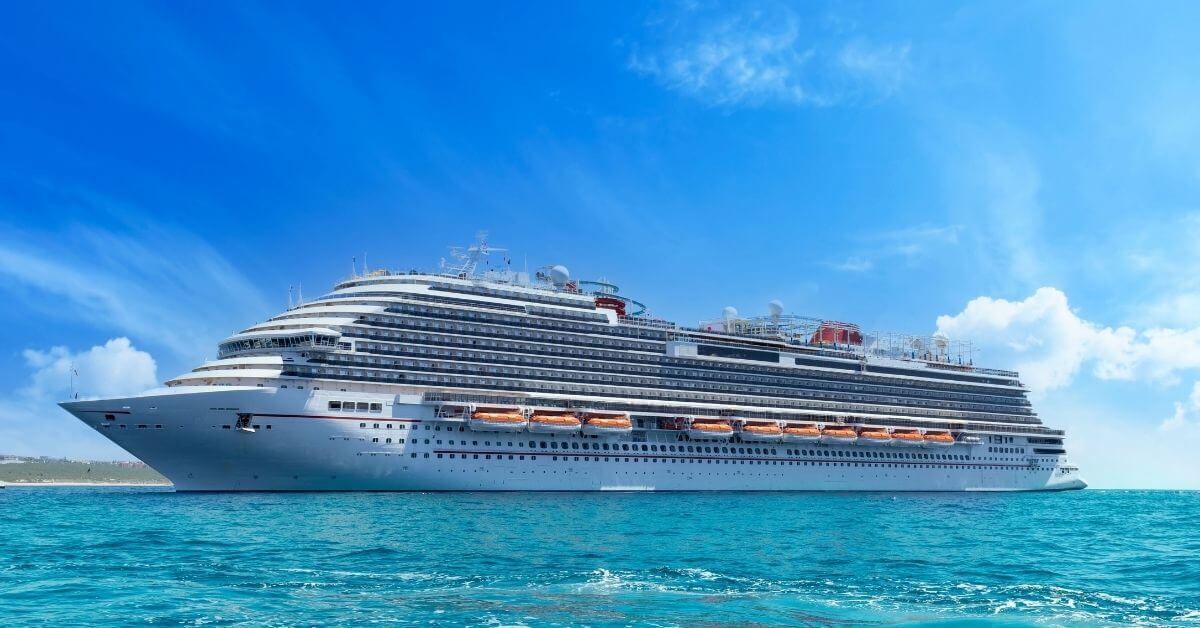
Coastal Cruise Sector Expands with New Service from Tianjin
The 105,000-ton cruise ship *VISIO* departed Tianjin International Cruise Home Port on Saturday, carrying more than 2,700 passengers and marking another step for the coastal cruise sector. This is measured expansion, not spectacle, and that is precisely the point. As Chinese ports post record activity, as we noted in our coverage of trade uncertainty, such sailings add practical momentum to the region's maritime ecosystem. Every departure validates the infrastructure and the demand. Growth here is empirical, and it is worth watching closely.
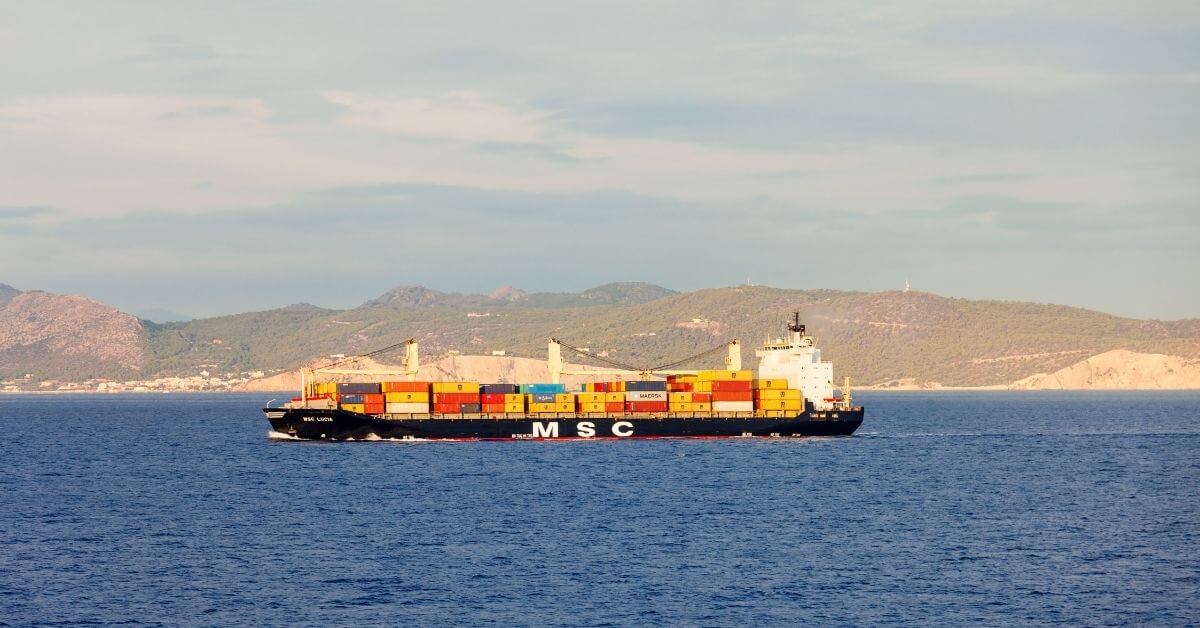
Shipping Giant Pauses Bookings at Russian Port Following Vessel Attack
The MSC Ulsan III, a Panama-flagged vessel built in 2004, now sits at the center of a commercial pause. Shipping Giant has halted bookings at Russian ports following the attack on the ship, a decisive move that prioritizes operational safety over market reach. The vessel's capacity of roughly 2,700 TEUs underscores the logistical weight behind this decision. It is a measured response to a volatile situation, reinforcing that maritime security is non-negotiable.

Attacks Target Key Ukrainian Black Sea Port Infrastructure.
Russia's latest strikes on Ukrainian Black Sea port infrastructure, including Pivdennyi and Odesa, along with fuel storage at Chornomorsk, underscore a deliberate strategy to disrupt maritime export capacity. These are not incidental hits; they are calibrated pressure on a critical economic artery. The pattern echoes broader efforts to constrain Ukraine's access to global markets, as seen in our related piece, "Russia Calibrates Export Revenue for Northern Sea Route Icebreaker Fleet." For now, the resilience of these ports remains the counterweight to Moscow's campaign.

Danube Port Strike Disrupts Cargo Flow, Impacts International Shipping.
Russia's Defence Ministry confirmed strikes on military targets at the Danube port, including a terminal unloading vessels carrying military cargo. The disruption to cargo flow sends a clear signal about how port infrastructure now sits at the front line of this conflict. For shippers and insurers, the ripple effects are immediate, and the pressure on alternate routes will only grow. For deeper context on regional maritime risks, our related coverage on drone operations in the Mediterranean offers a broader view.

Loss of Steering Preceded Container Ship Grounding in India
A loss of steering preceded the grounding of a container ship in India, with a local official noting that steering gear can occasionally jam when a vessel attempts to recover from a turn. The incident underscores how mechanical precision remains critical in confined waters, where recovery margins are slim. Reliable steering is not a given; it is a safety prerequisite. For broader context on maritime risks, our related coverage on the Gulf of Oman STS transfers offers useful perspective on regional operational pressures.
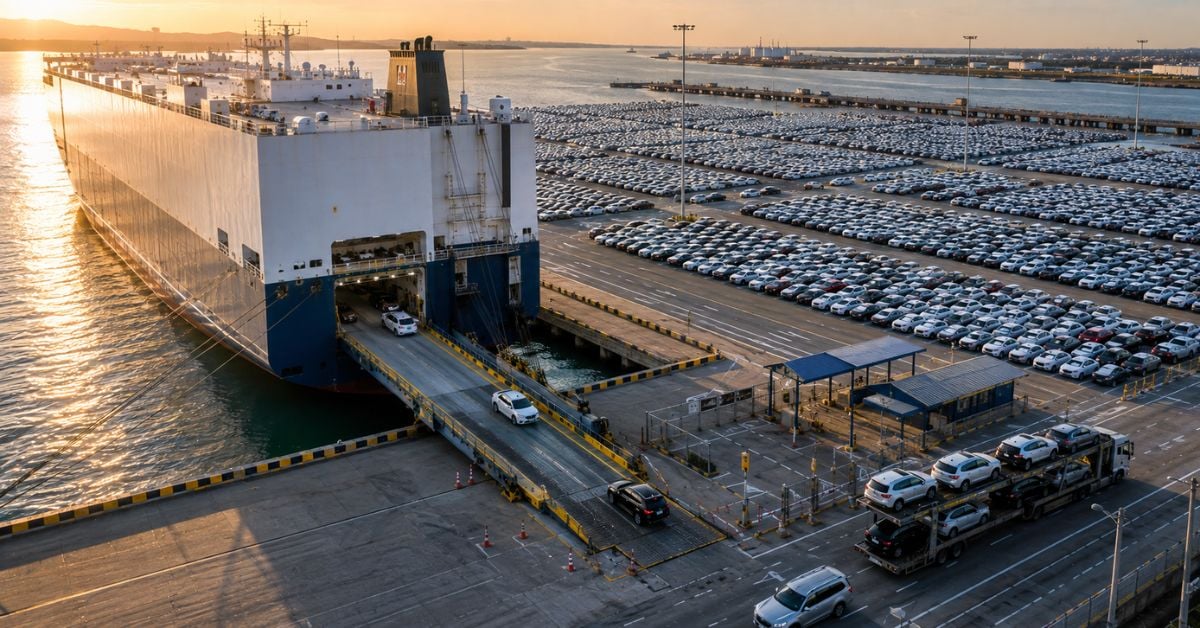
Real-Time Visibility: Optimizing Terminal Operations with Modern TOS Systems
A terminal's true competitive edge lies in its ability to see clearly. Modern Terminal Operating Systems integrate machinery, workflows, and departments into a single, calibrated view, delivering real-time visibility into both current activity and what must happen next. This isn't about flashy dashboards; it's about measurable, operational intelligence. For those exploring how data ecosystems drive efficiency, our coverage of integrated subsea cables shows a similar principle at scale. Understanding the flow of information is the first step to mastering it.

Red Sea Attack Disrupts Shipping, Impacts Yemeni Communities.
A four-troop and three-civilian death toll in Mokha marks a grim escalation, as the Red Sea attack disrupts shipping and deepens the hardship for Yemeni communities already navigating conflict. This is not a distant maritime statistic; it is a direct blow to local stability and a clear signal that the security of these waters remains fragile. The human cost is immediate, even as the broader economic ripples extend far beyond the shore.

Maritime Conflict Impacts Shipping Lanes, Raising Regional Tensions
Russia's Defence Ministry confirmed the two cargo vessels were targeted for their alleged use in Ukrainian military interests. This is a deliberate escalation that compresses the space for safe transit. When state actors weaponise commercial shipping, the calculus for insurers, flag states, and port authorities shifts overnight. We have not seen the full cost yet. For broader context, our related piece, "Russia Calibrates Export Revenue for Northern Sea Route Icebreaker Fleet," shows how Moscow is simultaneously militarising its maritime posture elsewhere. That is not coincidence.

Maritime Infrastructure Targeted: Russia Strikes Vessels in Southern Ukraine
On July 28, Russia's Defence Ministry confirmed strikes on two Ukrainian maritime vessels and port infrastructure in southern Ukraine, a move that tightens pressure on critical shipping routes. This is not abstract posturing; it is calibrated action with measurable consequences for regional trade and security. The pattern echoes broader maritime tensions, from the Northern Sea Route to drone threats in the Mediterranean. For those tracking these developments, our related coverage, including "Russia Calibrates Export Revenue for Northern Sea Route Icebreaker Fleet," offers useful context.
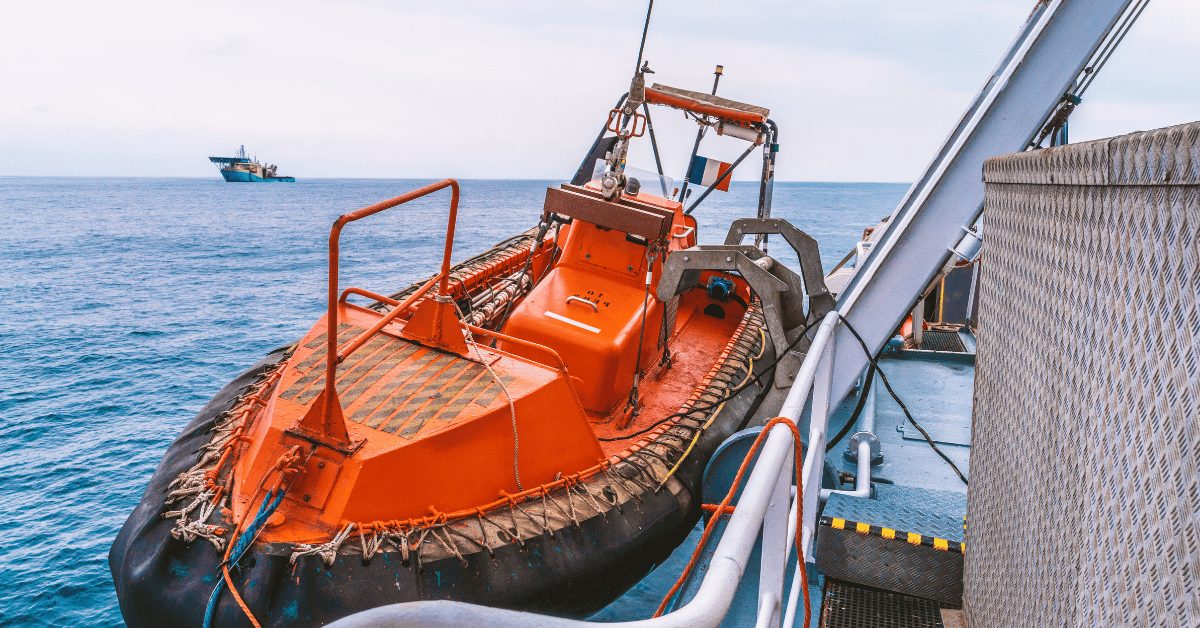
Cable Failure Leads to Irreversible Damage of Fast Rescue Craft
A Fast Rescue Craft sustained irreversible damage when its cable failed during launch, dropping it nine meters into the water. No injuries were reported, yet the vessel was written off as beyond repair. This incident underscores how a single mechanical failure can sideline critical safety equipment in an instant. For crews operating in demanding conditions, the margin for error remains slim. For broader context on maritime operational risks, our coverage of shifting cargo dynamics in Russian terminals offers a useful contrast in resilience.

Shipping Disruption: Maersk Halts Ukraine Port Service Amid Escalating Conflict
Maersk's decision to suspend its Ukraine port service at Chornomorsk marks the second major carrier to step back, following Ukraine's largest grain exporter in halting operations there. The move is a measured response to escalating conflict, not a panic. It reflects a sober calculation: when maritime corridors become contested, reliability erodes. For those tracking the Black Sea's shifting trade routes, this is a signal worth calibrating.

Ferry and Cargo Ship Collision Occurs at Souda Port, Crete.
A ferry and cargo ship collided at Souda Port, Crete, with the Elyros carrying 100 passengers, 32 cars, and 74 trucks when it struck the Iosif K., itself loaded with 84 trucks. No casualties have been reported, but the incident underscores how congested Mediterranean shipping lanes have become. Port authorities will need to examine what separated these two vessels.

Attacks Damage Vessels, Disrupt Trade in Ukraine’s Black Sea Ports
The attack in Odesa, which killed another civilian, shows how directly maritime conflict endangers lives and trade. Each strike against port infrastructure disrupts more than steel and cargo; it fractures the supply chains that sustain global markets. This violence demands measured attention, not alarm. Russia's broader maritime strategy, including its calibrated export revenue plans for the Northern Sea Route, reflects a calculated approach to economic pressure. For deeper context on that strategy, see our related piece on Russia calibrating export revenue.

Integrated Port Development Offers Climate-Resilient Trade Route Option.
Fujairah's proposed integrated port facilities offer a pragmatic answer to a congested trade corridor, sitting securely outside the Strait of Hormuz. This location transforms risk into reliability, giving shippers a route that holds up under pressure. The design prioritizes climate resilience, a necessity, not a luxury, for long-term logistics. It is a measured step forward, one that aligns with the pressures outlined in our coverage of Gulf of Oman STS transfers maxing out. Strategic positioning, backed by solid planning, speaks louder than hype.