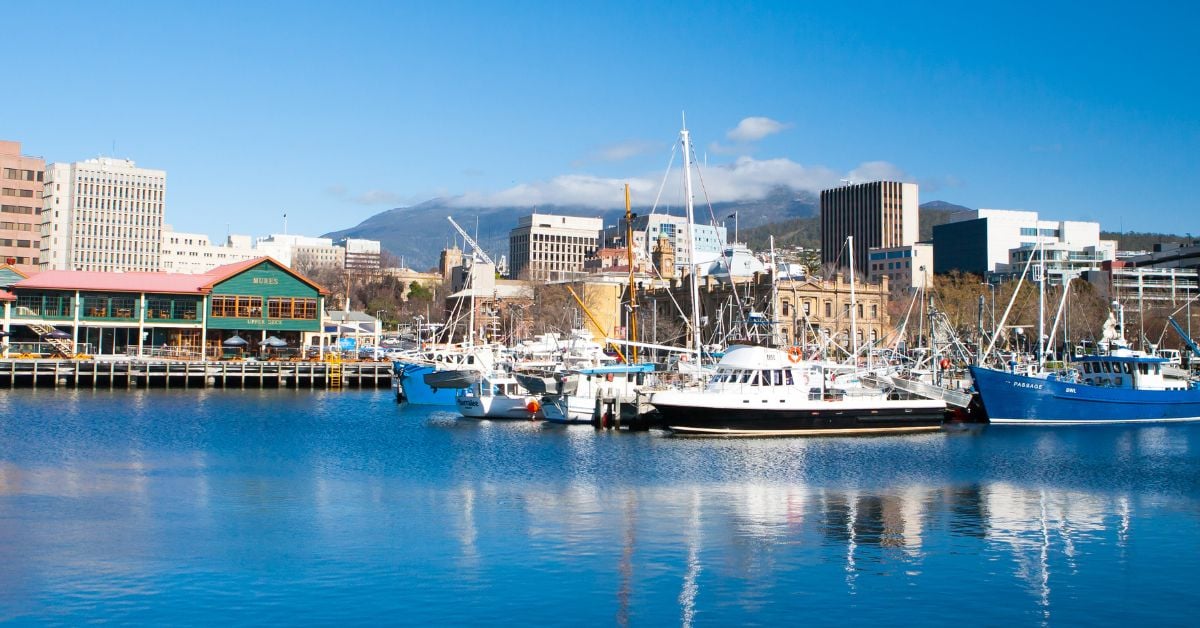
The loss of a worker at CentrePort Wellington is not a statistic, it is a rupture in the operational fabric we depend on. When a single incident halts activity at a major New Zealand port, it sends a ripple through supply chains, insurance models, and the daily calculations of every logistics manager watching from the bridge. This tragedy occurred against a backdrop of global scrutiny on marine safety, where the industry is simultaneously expanding capabilities and revisiting its own protocols. For context, China Investigates Qingdao Shipyard Fire; Safety Protocols Under Review shows that the questions raised in Wellington are not isolated; they are part of a broader, necessary recalibration across the sector.
Our take is direct: safety is not a compliance checkbox, it is a data problem we have yet to fully solve. We talk about real-time ocean intelligence and integrated data ecosystems as tools for efficiency, but they are equally instruments for prevention. The CentrePort incident should force us to ask why predictive analytics are not being deployed more aggressively to identify high-risk operational windows before they become emergency response scenarios. Meanwhile, the industry's expansion continues, as seen with Cochin Shipyard Expands Design Capabilities with Conoship Equity Stake, yet growth in capacity must be matched by a growth in hazard identification. It is not enough to build bigger or faster; we must build safer, and that starts with measuring the near misses that precede the fatal event.
For our readers, the practical implication is twofold. First, if you are a port operator or a marine insurer, this is the moment to audit your own safety culture with the same rigor you apply to cargo manifests. Second, if you are a policymaker, the call for mandatory, peer-reviewed incident reporting is no longer optional. The industry celebrates records like Port Miami Sets New Benchmark: 10 Million Cruise Passengers Reached, but that achievement rings hollow if the human cost of moving goods and people is not being driven down with equal precision. We cannot let the memory of this morning fade into a procedural footnote.
The specific detail we are watching is the investigation's scope: will it examine not just the immediate cause, but the systemic conditions, the staffing levels, the fatigue schedules, and the communication gaps that preceded the accident? That answer will determine whether this becomes a turning point or just another tragic headline. If the port sector is serious about its commitment to ocean stewardship, it must apply the same empirical rigor to protecting its own people as it does to mapping the seafloor. The question we leave with our readers is simple: what measurable safety metric will you change this quarter, based on this loss?