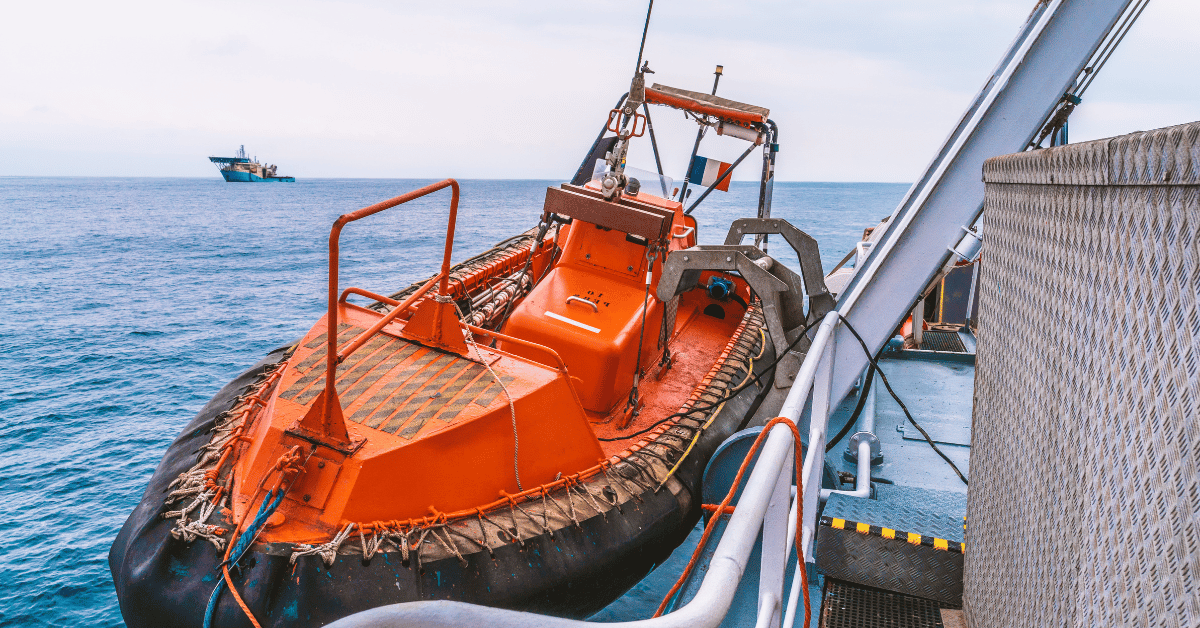
A routine launch. A stored power system. A cable that pulled when it should have held. The result: a fast rescue craft fell nine metres into the water and was damaged beyond repair. No injuries, thankfully. But the loss is total, and the question we should all be asking is not whether the crew made a mistake, but why our safety systems keep depending on single points of failure.
This incident, reported during a scheduled ferry run, sits uncomfortably alongside other recent stories we have covered. When Drone Strike Impacts LPG Tanker Near Strait of Hormuz or when Somali Navy Rescues Crew After Cargo Ship Runs Aground, we tend to focus on the dramatic external threats. But this cable failure is different. It is mundane. And that is exactly why it matters. A cable is a calibrated component, tested, inspected, and trusted. Yet here we have empirical evidence that trust alone is not a maintenance plan.
What strikes us is the irreversibility. A nine-metre drop is not a fender bender. The craft was damaged beyond repair, which means the structural integrity was compromised in a way that no inspection protocol could salvage. For operators, this is a clear signal: the stored power launching system, designed to deploy a rescue craft when seconds count, introduced its own catastrophic risk during a routine test. We would tell any marine superintendent reading this: audit your launch systems with the same rigour you apply to navigation and cargo operations. Do not wait for a near miss to discover that a single cable can write off a vessel and, potentially, a crew.
The broader lesson here is about integration. Our industry collects data from engines, weather, and traffic, but we still treat launch and recovery gear as isolated hardware. That is no longer acceptable. If we are serious about ocean intelligence and safety, we need to apply the same longitudinal, peer-reviewed scrutiny to our safety equipment that we do to climate indicators. This incident is not a story about a bad day on a ferry. It is a data point, and we should log it as such.
Practically, we would advise every operator with stored power launch systems to review their own cable tension logs, inspection intervals, and replacement criteria. Ask the manufacturer for their empirical failure data. If they cannot provide it, ask why. And if you are a port state inspector, add this to your checklist. The next failure may not be so forgiving. The concrete detail to watch is whether this incident leads to a revised maintenance bulletin or a change in the classification society rules. Until then, treat every launch as if the cable is already compromised, because somewhere, on a vessel just like yours, it already was.