Novorossiysk
World Data Ocean keeps Novorossiysk in one place: 26 stories so far. The section currently leads with “Drone damage and severe weather ground two vessels near Istanbul”, “Black Sea Tanker Fire Prompts Investigation After Romanian Drone Reports”, and “150 vessels idle in Gulf of Finland as Baltic maritime traffic bottlenecks”. Two commercial vessels have grounded near Istanbul, one after drone damage and another following severe weather. A chemical tanker anchored off Romania's coast is now the subject of an investigation after a fire broke out aboard the Yara J, 8-10 nautical miles southeast of the Sulina Canal. A Global Hub for Ocean Intelligence 4 World Data Ocean is a centralized digital platform where researchers, scientists, and ocean enthusiasts converge to… The list below is every Novorossiysk story on World Data Ocean, newest first.
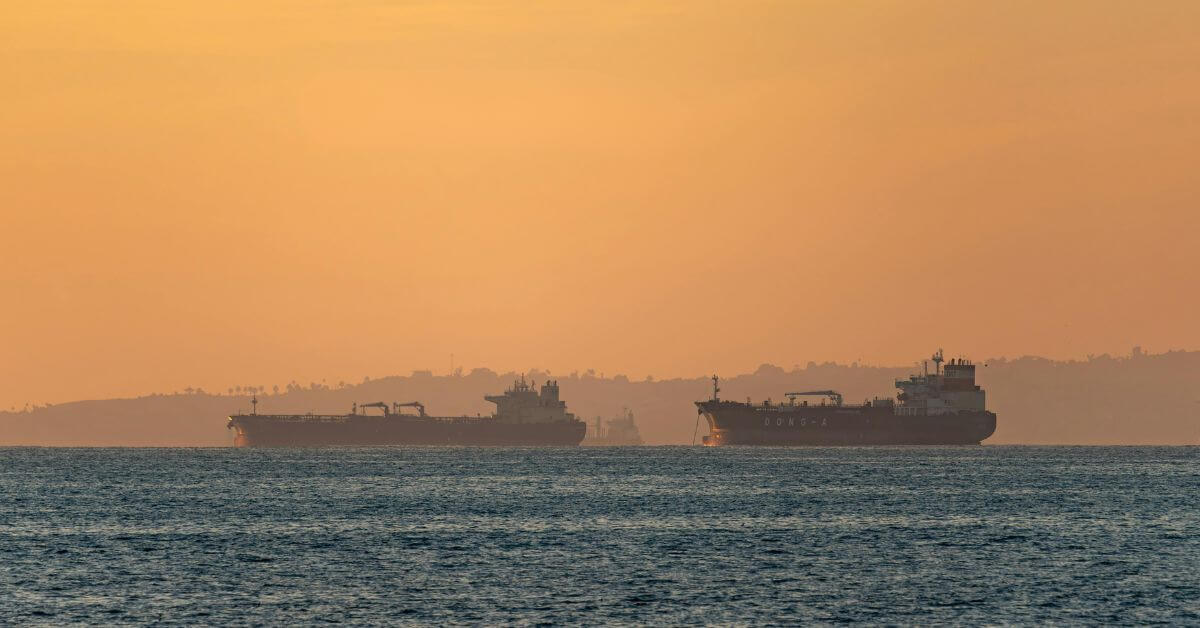
Drone damage and severe weather ground two vessels near Istanbul
Two commercial vessels have grounded near Istanbul, one after drone damage and another following severe weather. These incidents follow multiple reported drone attacks on commercial shipping in the Black Sea throughout October. The convergence of conflict-driven threats and natural hazards in a single maritime corridor is a measurable risk that demands integrated monitoring. For deeper context on regional drone escalation, see our coverage of the Black Sea tanker attacks off Romania.
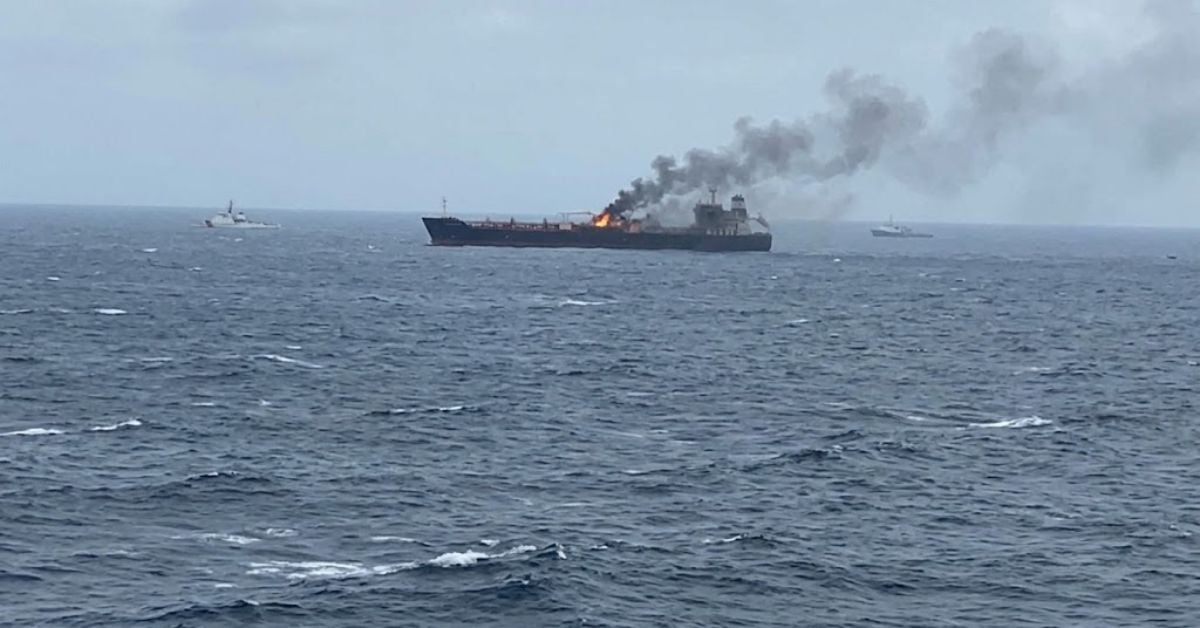
Black Sea Tanker Fire Prompts Investigation After Romanian Drone Reports
A chemical tanker anchored off Romania's coast is now the subject of an investigation after a fire broke out aboard the Yara J, 8-10 nautical miles southeast of the Sulina Canal. The Black Sea remains a theater of compounding threats, where environmental risk from aging vessels meets geopolitical instability. For readers tracking these converging maritime crises, our coverage of the *Three-drone strike sinks Maltese-flagged vessel near Bulgarian coast* documents an equally sobering intersection of commerce and conflict.
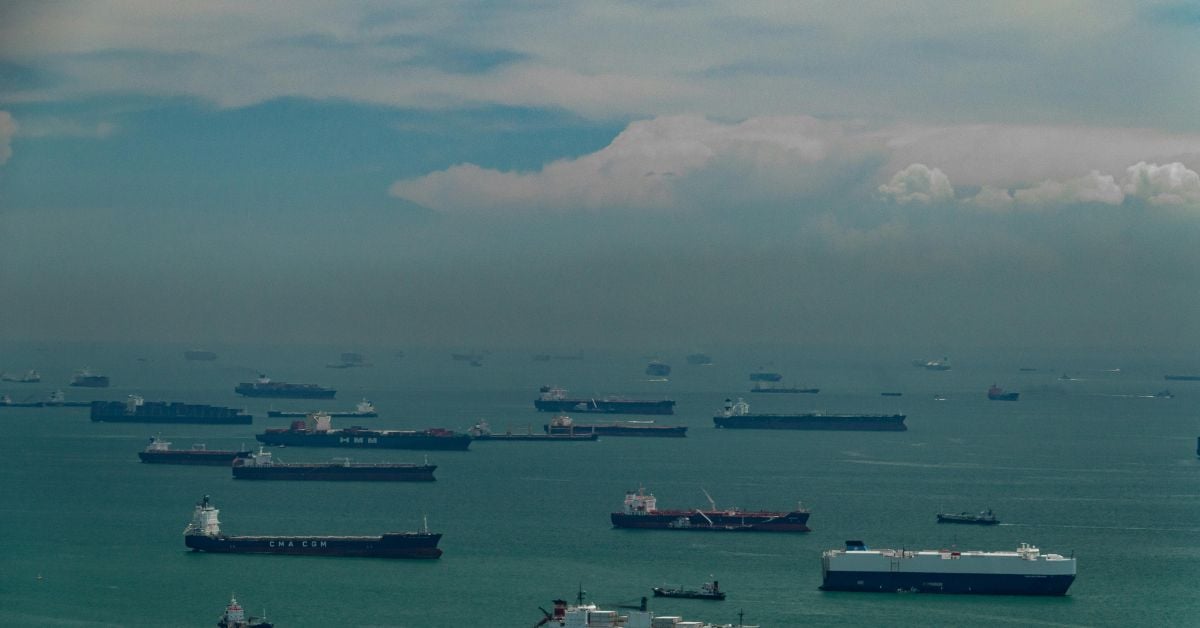
150 vessels idle in Gulf of Finland as Baltic maritime traffic bottlenecks
Nearly 150 vessels sit idle in the Gulf of Finland, a maritime bottleneck gripping Baltic traffic to Russian ports such as Ust-Luga, Primorsk, and St Petersburg. This congestion is more than a logistical snag, it is a measurable disruption in a region already under scrutiny. Such real-time bottlenecks carry empirical weight as climate and geopolitical indicators. For deeper context on maritime security, see our coverage of the captain charged over Ukrainian grain. Understanding these pressures drives protection of both trade and ocean intelligence.
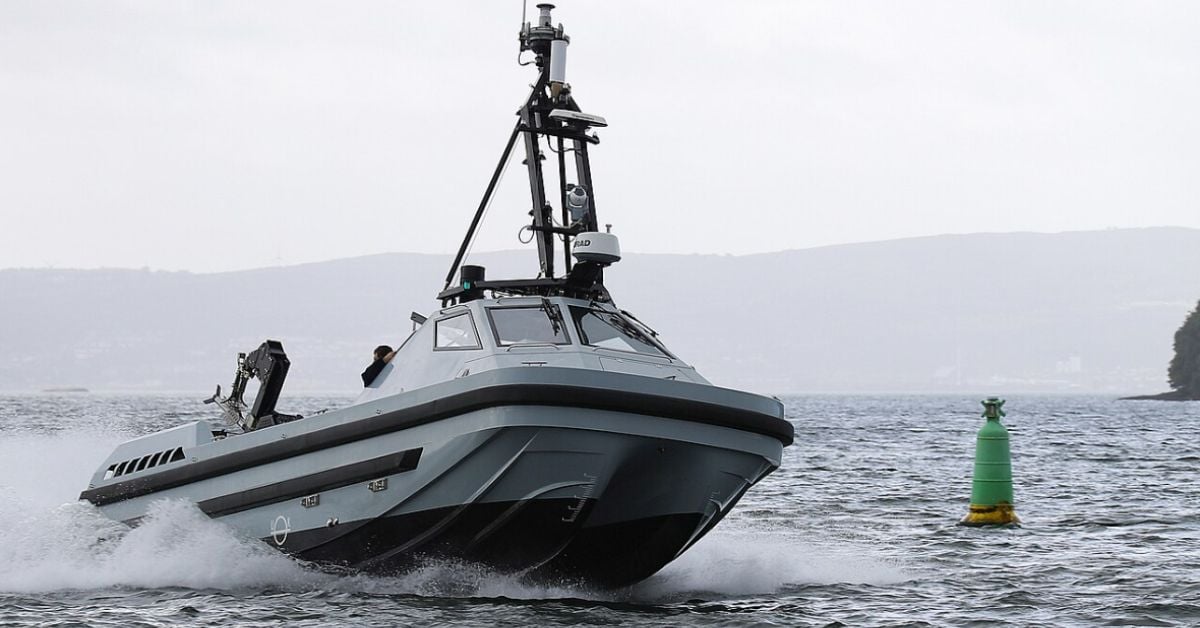
Black Sea Showdown: Naval Drones Engage in Real-Time Conflict.
A 12.7 mm machine gun, mounted on a protected remote weapon station, defines the latest chapter in Black Sea naval warfare. This is not abstract theory; it is real-time conflict where drone crews operate under direct threat. The weapon's precision offers a measurable advantage, though the tactical picture remains fluid. The engagement underscores a broader pattern of Russian maritime aggression, a thread explored in our related piece on Russian Maritime Activity Raises Concerns of Drone Operations in Mediterranean.

Sea Drones Strike Sochi, Demonstrating Extended Reach and Impact.
A Ukrainian sea drone strike reached Sochi, a Russian resort roughly 700 kilometers from the border, demonstrating an extended range that redefines maritime conflict. This is not alarmism; it is a measurable shift in operational reach. The attack underscores how uncrewed systems can project force far from traditional front lines. For deeper context on maritime infrastructure and strategic chokepoints, see our coverage of *Paradip Port Designated a Mega Port*. Understanding these dynamics is essential for assessing global security.
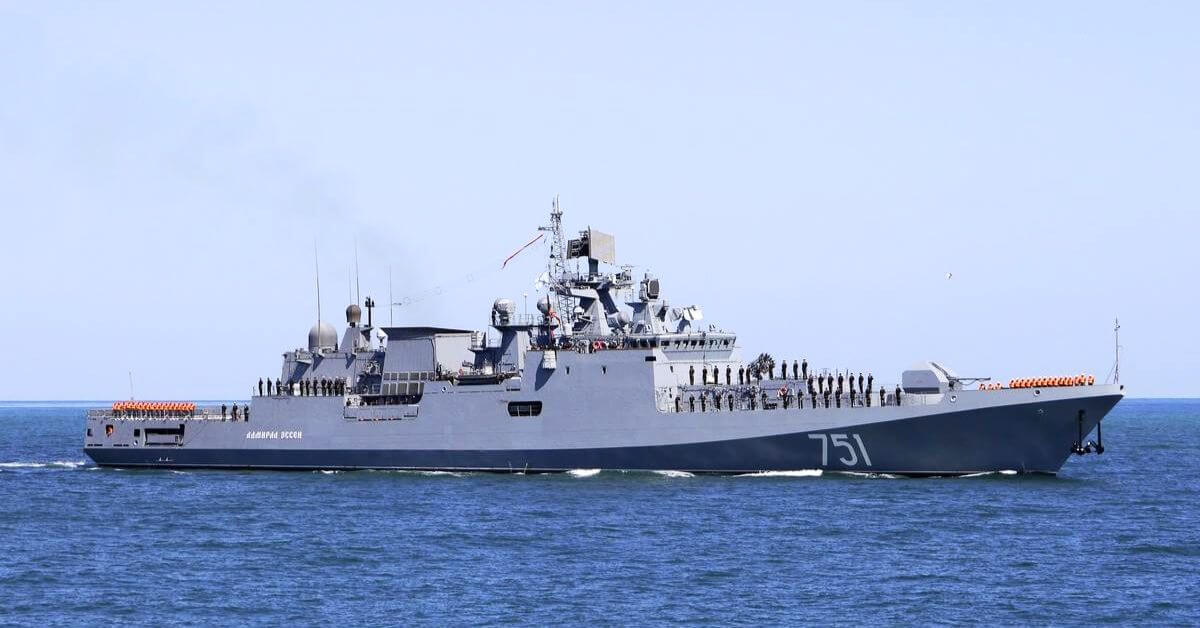
Ukraine Strikes Key Russian Warship in Black Sea Port
Ukraine's strike on a key Russian warship at Novorossiysk, Russia's largest Black Sea port, demonstrates a calibrated shift in maritime conflict. This operation targets not just a vessel but the logistical backbone sustaining naval power in the region. Measurable impacts on Russian export capacity and fleet readiness merit close observation. For deeper context on how Russia is recalibrating its maritime economic strategy, see our related coverage on the Northern Sea Route icebreaker fleet. Understanding these integrated dynamics is essential.
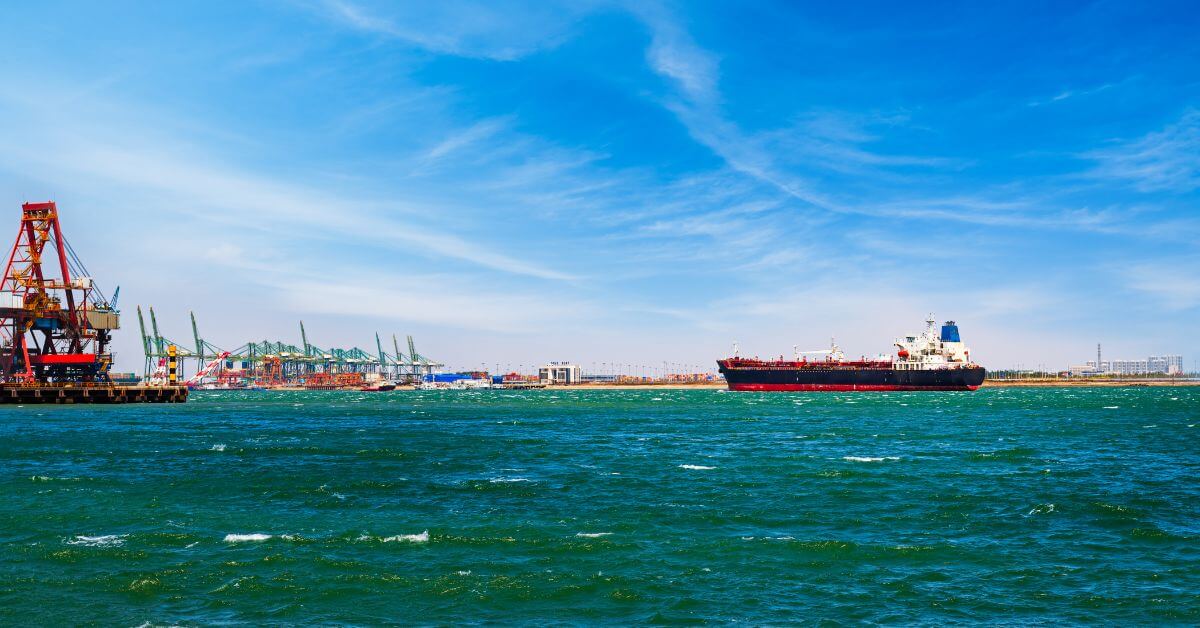
Albania Intercepts Tanker Linked to Russian Shadow Fleet Operations.
Albania has intercepted the Sierra Leone-flagged tanker HANUMAN, a vessel long tracked by Ukraine's Main Directorate of Intelligence for its role in Russian shadow fleet operations. This action underscores the measurable impact of coordinated maritime surveillance. Understanding these networks drives protection of global shipping integrity. For deeper context on how Russia is recalibrating its maritime revenue streams, see our analysis of the Northern Sea Route icebreaker fleet.
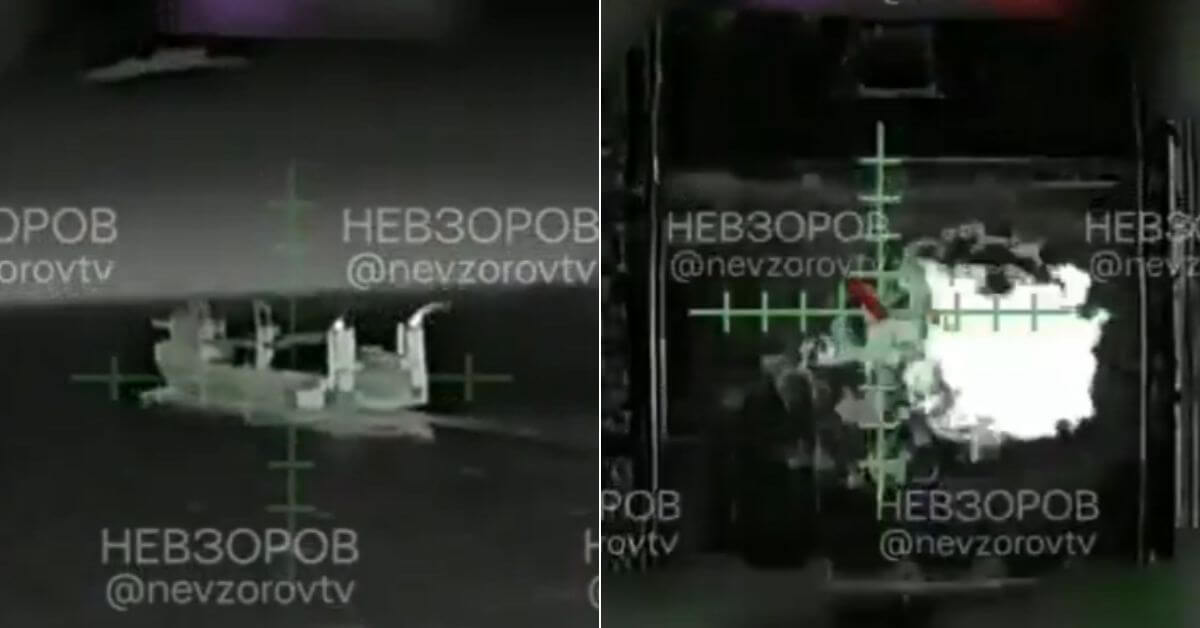
Drones Strike Cargo Ship Linked to Russia Amidst Mediterranean Tensions
A drone strike has hit the cargo ship *Lady Mariia*, formerly *Stella-Maria*, after it departed Algeria's Oran port, injecting new volatility into Mediterranean shipping routes linked to Russian interests. This is not an isolated incident; it reflects growing maritime friction amid geopolitical realignments. For deeper context on Arctic energy pressures driving such tensions, see our coverage of the *Vostok Project's* oil exports. Understanding these interconnected threats is essential for assessing ocean security in a shifting global order.
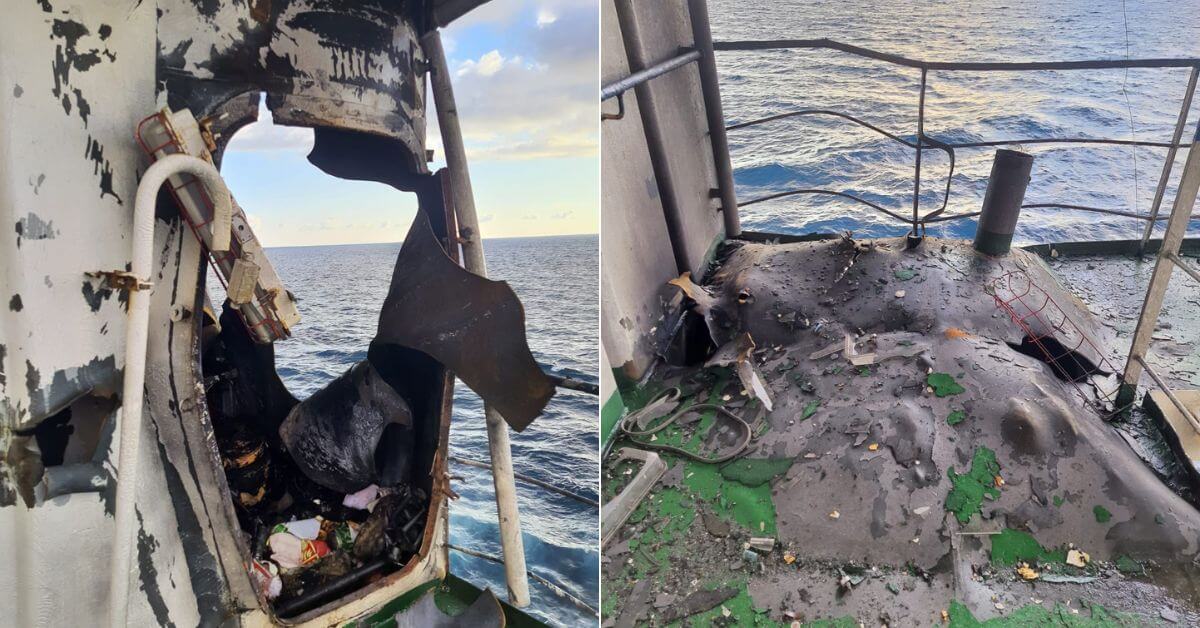
Drone Strike and Fire Imperil Cargo Ship, 23 Seafarers Aboard
The MV BARYON, IMO 9151412, was struck by a drone and fire while en route from Novorossiysk to Karachi, imperiling 23 seafarers aboard. This incident is a sharp reminder that maritime risk is no longer confined to weather or navigation. The threat is asymmetric, and it is here. As our reporting on Gulf of Oman STS transfers and Russian drone activities suggests, the operational picture is shifting. We will be tracking this closely, because safety at sea demands we understand every new vulnerability.
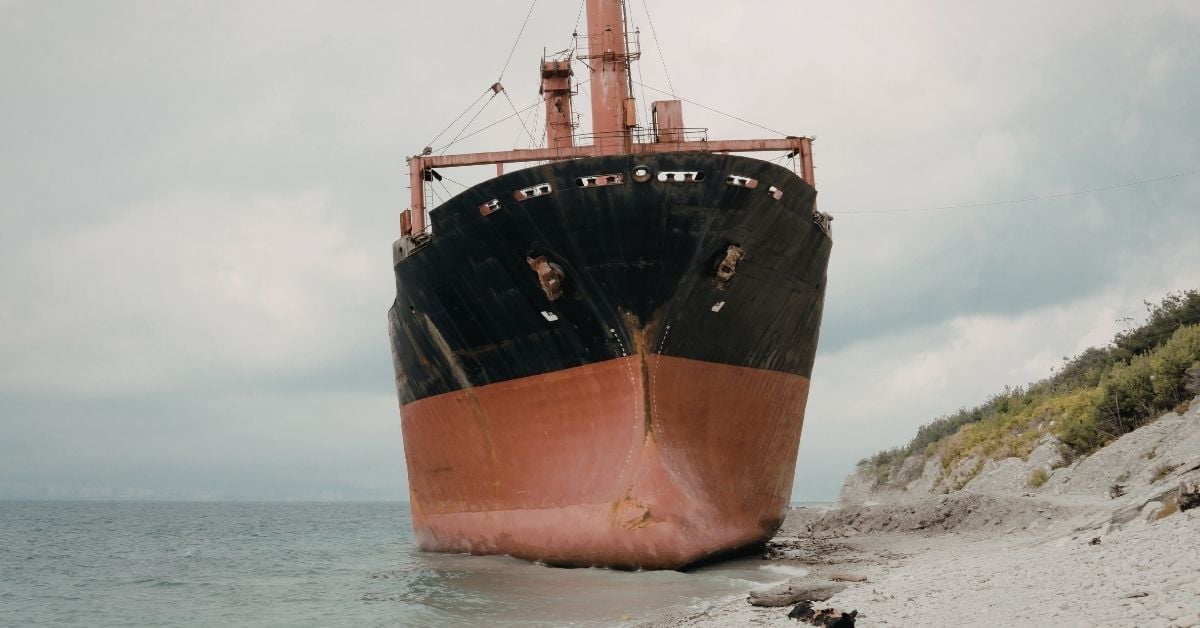
Damaged Cargo Ship, Linked to Russia, Grounds Near Istanbul
A Russian-flagged cargo ship has run aground on Alacalı Beach near Istanbul, grounding in Turkish waters. The incident adds another layer to the region's already complex maritime traffic, where every disruption carries weight. We've seen similar challenges recently, including the bulk carrier freed near Gladstone, Australia, after six days. Each grounding reminds us that navigation remains a test of precision, not just technology. Vessels push through crowded corridors daily; this one met the shore instead. The incident warrants close attention as assessments begin.
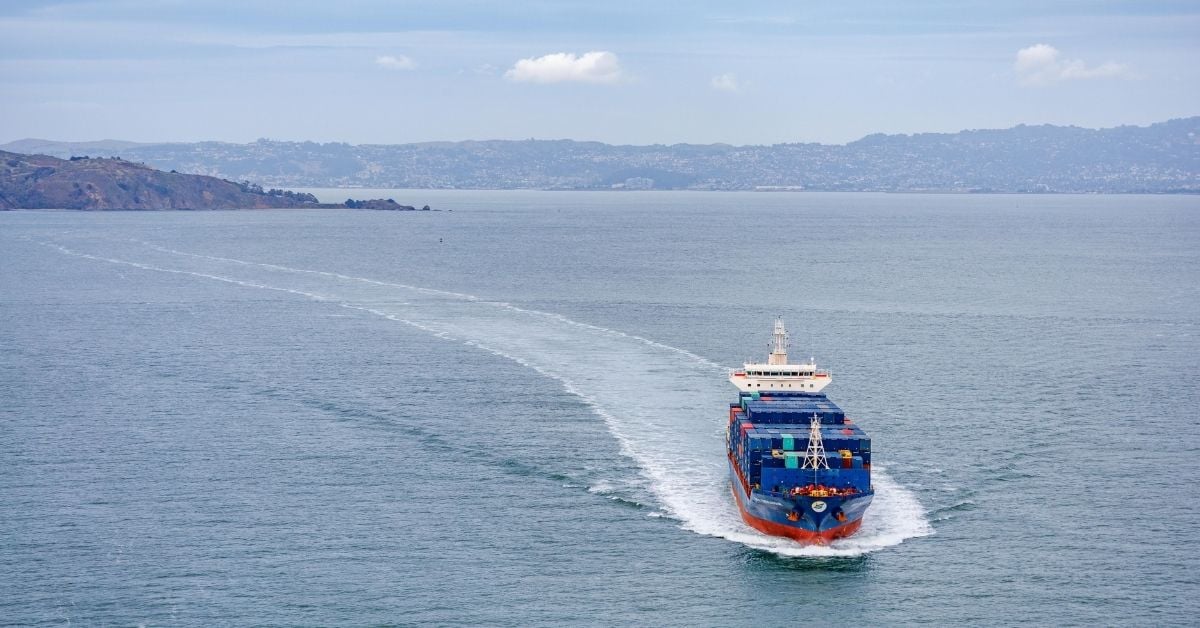
Drone Strike Suspected in Black Sea Cargo Ship Sinking
A cargo ship caught fire and sank off Romania on Thursday evening, with a drone strike the suspected cause. The incident injects a volatile new variable into Black Sea shipping lanes already strained by regional conflict. This is not a remote concern; it is a direct challenge to the safety of commercial routes and the maritime data that tracks them. As we monitor these climate and security indicators, the need for transparent, real-time reporting has never been clearer.
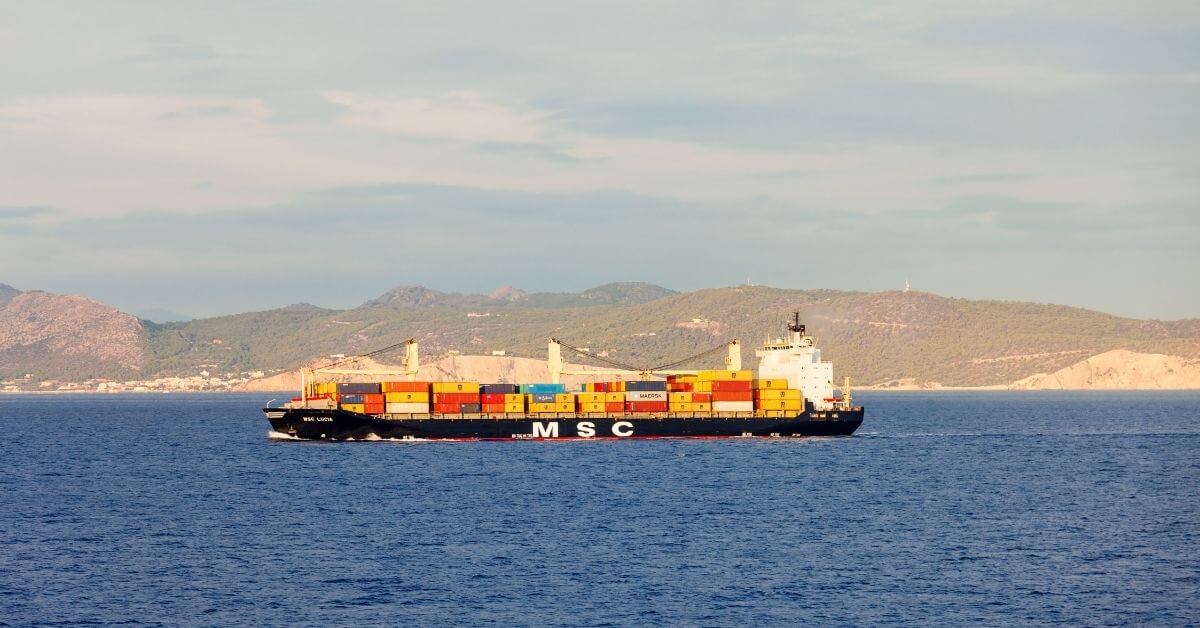
Shipping Giant Pauses Bookings at Russian Port Following Vessel Attack
The MSC Ulsan III, a Panama-flagged vessel built in 2004, now sits at the center of a commercial pause. Shipping Giant has halted bookings at Russian ports following the attack on the ship, a decisive move that prioritizes operational safety over market reach. The vessel's capacity of roughly 2,700 TEUs underscores the logistical weight behind this decision. It is a measured response to a volatile situation, reinforcing that maritime security is non-negotiable.

Cook Dies After Second Attack on Ship Responding to Black Sea Incident
The death of Ilker Lazoglu, the 47-year-old head cook aboard the San Marino-flagged cargo ship Necibe, marks a grim escalation in the Black Sea conflict. Struck while loading wheat off Tuapse, the vessel became the site of a second attack, underscoring the mounting risks to civilian mariners navigating these waters. This is not a distant statistic; it is a tangible human cost.

Black Sea Grain Shipments Limited as Truce Proposal Fails.
The Black Sea Grain Shipments Limited's collapse, following the failed truce, leaves Ukraine's agricultural lifeline critically constrained. Since August, only 500,000 tonnes have moved, a mere fifth of what could ship. This is not a stalemate; it is a calibrated strangulation. The measured volume signals deliberate pressure, not logistical failure. While Russia calibrates its own maritime leverage elsewhere, as our piece on Northern Sea Route icebreaker funding shows, the immediate cost here is global food security.

Cargo Ship Fire Disrupts Operations at Port of Midia
A fire aboard an ore-laden cargo ship at the Port of Midia on August 21, 2026, has forced a halt to operations at the Romanian harbor. The incident underscores how a single maritime emergency can ripple through supply chains, demanding rapid response and coordinated recovery. While the immediate focus is on containment and safety, the disruption highlights the fragile nature of port logistics.

Drone Strikes Target Bulk Carrier Near Novorossiysk, Sparking Fire.
A Greek-owned bulk carrier is burning near Novorossiysk after at least five drones struck the vessel as it approached to load grain. The attack, which ignited flames aboard the ship, underscores how maritime routes are becoming active fronts in this conflict. The targeting of commercial shipping is a serious escalation with global implications for food security and navigation. This incident echoes the patterns detailed in our related coverage, "Russia Calibrates Export Revenue for Northern Sea Route Icebreaker Fleet," highlighting Moscow's broader maritime strategy.

Black Sea Truce Proposal Aims to Stabilize Global Food Supply.
A third-party channel has carried the Black Sea truce proposal to Moscow, yet Ukraine still awaits a reply. The asymmetry is telling: one side engages, the other delays. A stable food corridor is not a favor; it is a global necessity, and every idle day carries measurable cost. For context on how maritime pressure is being applied, our related report, "Russia Calibrates Export Revenue for Northern Sea Route Icebreaker Fleet," offers a useful counterpoint. The signals are mixed, but the proposal stands.

Drone Strikes on Oil Tankers Cease Following US Concerns.
The United States' intervention appears to have worked. Ukrainian drone strikes on oil tankers carrying Kazakh crude have ceased, following Washington's concerns last month that these attacks were disrupting global oil markets. The pause is a pragmatic acknowledgment that maritime security and economic stability are intertwined. For those tracking the ripple effects of naval conflict, this is a meaningful development. Russia's own maritime posturing remains a separate concern, as our coverage of suspected drone operations in the Mediterranean makes clear.

Black Sea Maritime Stability: Ukraine Suspends Attacks Following U.S. Dialogue
Ukraine's decision to suspend attacks on non-Russian oil tankers and critical Black Sea infrastructure, including pipelines vital to Kazakhstan's exports, follows direct U.S. dialogue. This is a calibrated pause, not a retreat from deterrence. It signals a measurable step toward de-escalation in a region where maritime risk has compounded geopolitical tension. The move invites scrutiny of how negotiated restraint can hold alongside continued strikes. For broader context on regional energy flows, our analysis of Gulf of Oman STS transfers offers a useful parallel.

Sinking Tanker Raises Concerns Over Oil Spill and Regional Impact
The Caroline Bezengi, an 899-foot tanker, has sat grounded off Qibliyah Island in southwestern Oman for weeks, and the stillness is the problem. A hull breached this long in a shallow, sensitive zone is a slow-motion environmental liability. The risk of an oil spill is not hypothetical; it is a ticking clock. This incident underscores why regional traffic safety demands urgent attention. For broader context on these maritime pressures, our coverage of the Gulf of Oman STS Transfers piece highlights the region's intense shipping activity.

Black Sea Shipping Under Threat: Calls for Protected Maritime Passage
The attacks on the Turkish-owned RoRo cargo ship *Nadezhda* and the containership *Yasar* mark a dangerous escalation, striking vessels as they departed Novorossiysk. This is not abstract risk; it is a direct threat to the crews and the trade routes that depend on stable passage. Such actions demand a measured, empirical response from the international community. For broader context on these escalating patterns, our report, "Strikes Target Ports and Vessels in Confirmed Military Action," details the wider offensive. Protection is no longer optional.

Shipping Disruptions Impact Russian Coal Exports Amidst Black Sea Conflict
A shortage of available vessels is now constraining Russian coal exports through Black Sea ports, a direct consequence of Ukrainian drone attacks disrupting shipping. The pressure on this route is not incidental; it is a measurable shift in the region's commercial viability. While Moscow adapts its broader maritime strategy, as seen in our coverage of the Northern Sea Route icebreaker levy, this immediate bottleneck underscores how conflict reshapes trade logistics.

Black Sea Attack: RORO Ship Crew Faces Critical Injuries Amid Drone Assault
Three crew members of a Turkish-owned RORO ship are in critical condition after a drone swarm struck their vessel in the Black Sea. This attack underscores a grim reality: commercial shipping has become a target. Such assaults demand a calibrated, international response grounded in maritime law. The incident follows the strikes on ports and vessels confirmed by Russia, and we urge readers to review our coverage of those broader military actions. Protecting seafarers remains an urgent, shared responsibility.

Oil Spill Expands Near Oman, Linked to Russian-Flagged Tanker.
The Caroline Bezengi, laden with Russian crude from Novorossiysk, now trails an expanding oil slick near Oman's coast. The spill's link to a vessel at the heart of sanctioned trade routes is no coincidence; it is a measurable consequence of geopolitical pressure applied at sea. This incident underscores how quickly environmental risk follows maritime decision-making. For context on the broader pattern, our related piece, "Russia Calibrates Export Revenue for Northern Sea Route Icebreaker Fleet," examines Moscow's ongoing calculations.