logistics
32 stories filed under logistics on World Data Ocean. The newest of them: “Connecting 80 Percent of Shores Through Validated Ship-to-Shore Craft”, “Geopolitical pressures drive Maersk to raise UK and Ireland inland fuel surcharge to 20%”, and “Allied Submarine Operation Surfaces British Commandos Off Scottish Coast”. A $230 million contract from the U.S. A 20% emergency fuel surcharge on inland transport in Britain and Ireland reflects how geopolitical instability now directly reshapes supply-chain costs. A Global Hub for Ocean Intelligence 4 World Data Ocean is a centralized digital platform where researchers, scientists, and ocean enthusiasts converge to… The list below is every logistics story on World Data Ocean, newest first.
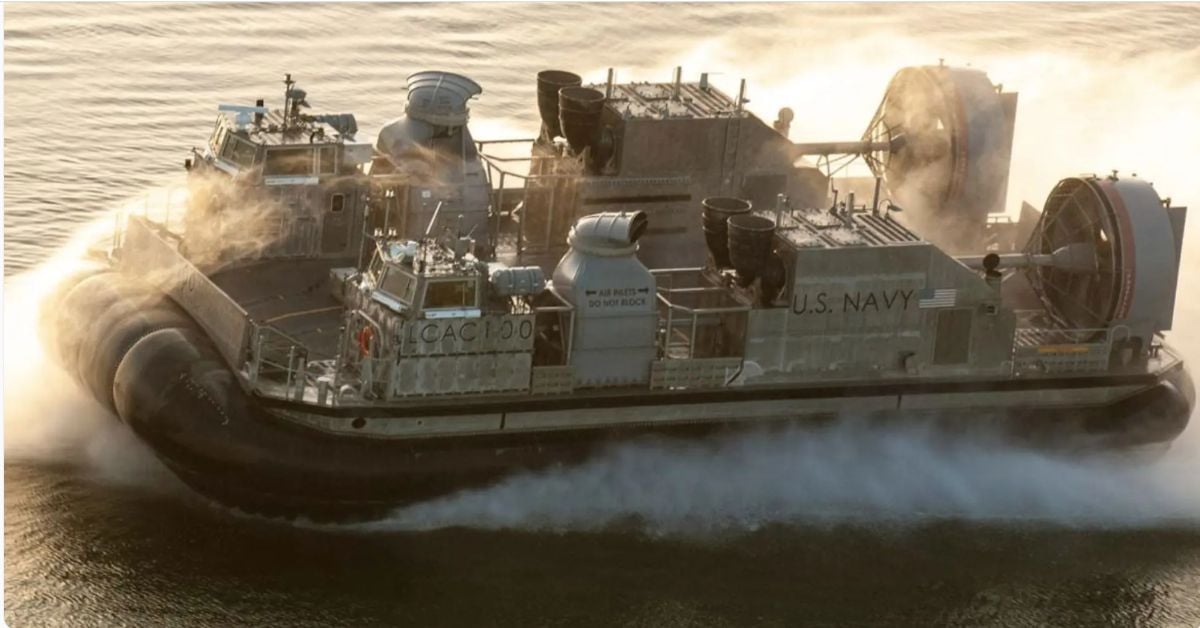
Connecting 80 Percent of Shores Through Validated Ship-to-Shore Craft
A $230 million contract from the U.S. Navy to Textron Systems Corporation will deliver two validated ship-to-shore connector craft built at the New Orleans shipyard. This investment connects 80 percent of shores through proven, integrated maritime technology. Measurable capability meets real-time operational need. For deeper context on naval readiness, see our coverage of the USS *Arleigh Burke*'s first Spanish dry dock maintenance, a parallel story of sustained forward-deployed engineering.
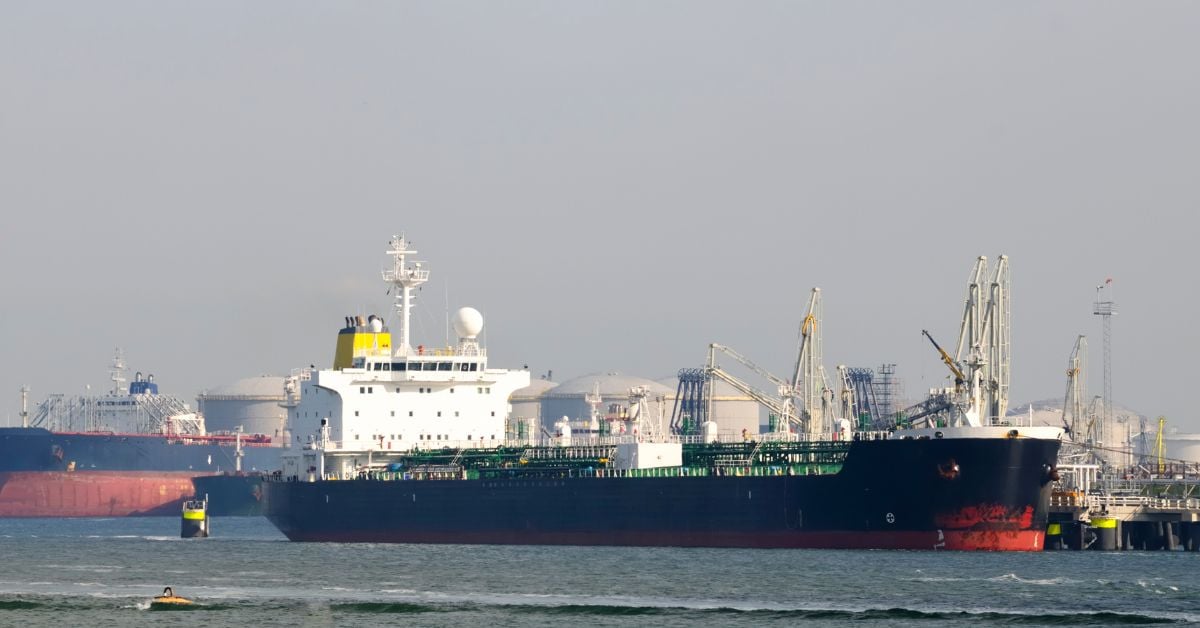
Geopolitical pressures drive Maersk to raise UK and Ireland inland fuel surcharge to 20%
A 20% emergency fuel surcharge on inland transport in Britain and Ireland reflects how geopolitical instability now directly reshapes supply-chain costs. Maersk's calibrated response underscores a measurable reality: conflict zones create ripple effects far beyond their borders. The surge is not abstract, it is a validated, real-time climate indicator of how integrated global logistics remain vulnerable. For deeper context on maritime risk, see our coverage of the rising tanker attacks near the Strait of Hormuz.
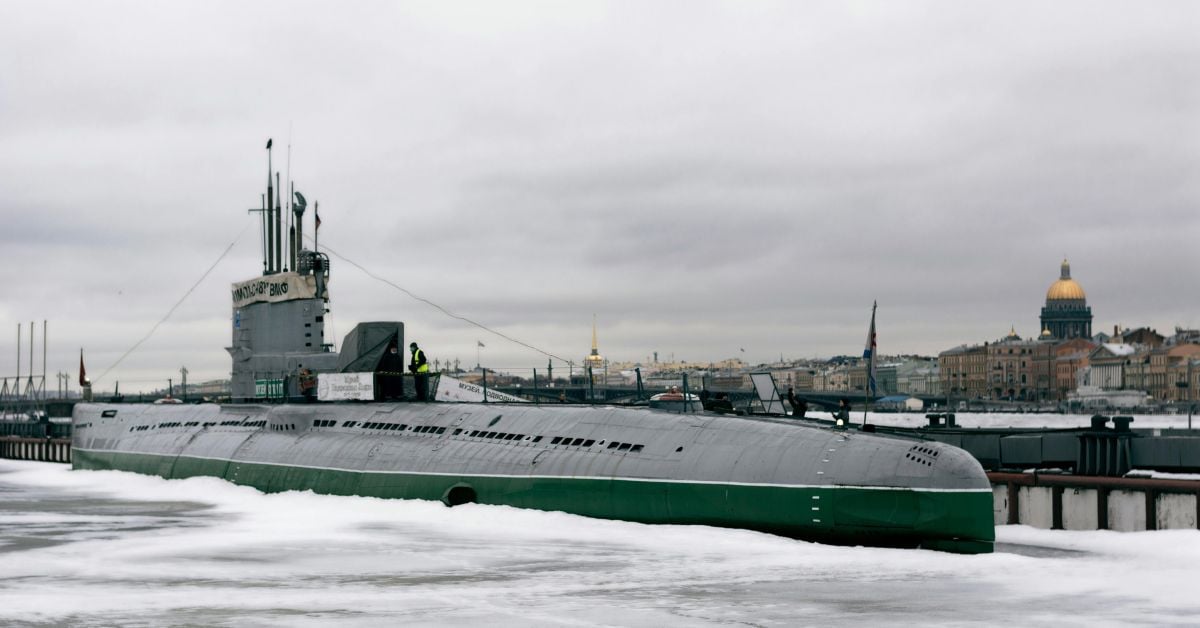
Allied Submarine Operation Surfaces British Commandos Off Scottish Coast
A German submarine surfaced off the Scottish coast with British commandos aboard, part of the largest exercise involving these elite forces in 15 years. The operation demands precision under pressure, a calibrated demonstration of allied capability in complex maritime environments. This is not spectacle; it is preparedness. For deeper context on underwater strategic assets, see our coverage of *Canada's Patrol Submarine Project Charts a Calibrated Course for Sovereign Ocean Intelligence*. Understanding drives protection.
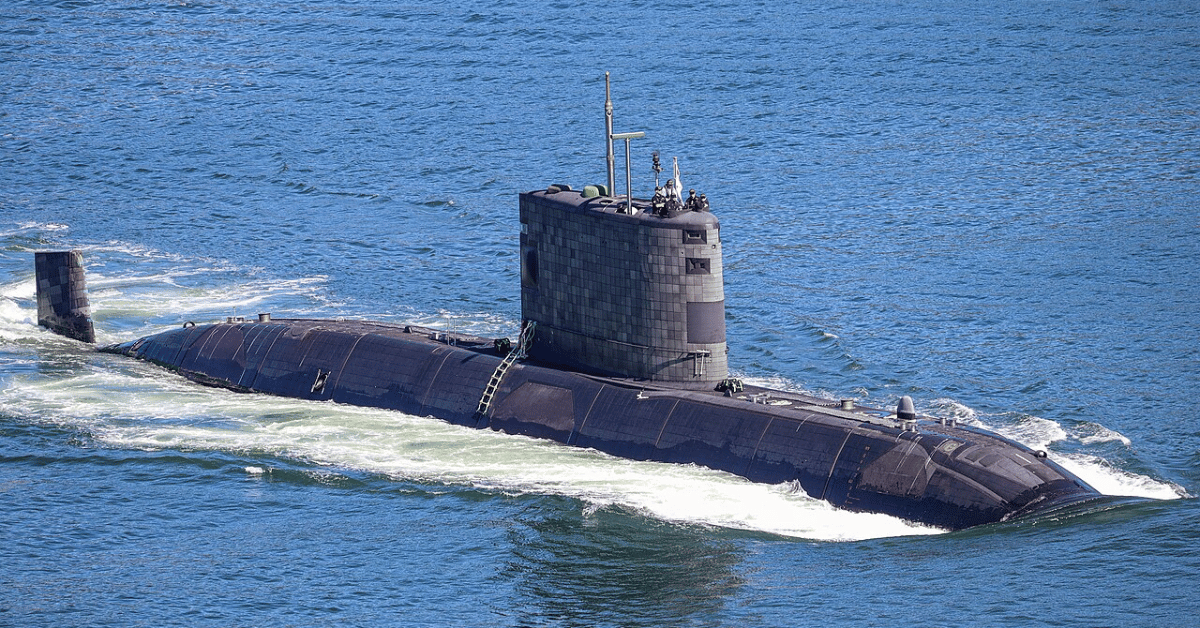
Canada's Patrol Submarine Project Charts a Calibrated Course for Sovereign Ocean Intelligence
The Canadian Patrol Submarine Project is not merely a fleet replacement; it is a calibrated investment in sovereign ocean intelligence. By planning up to 12 modern submarines to succeed the Victoria-class, Canada is prioritizing validated, long-term maritime awareness over reactive procurement. This measured approach aligns with the measured growth seen elsewhere, such as in our coverage of Kandla Port's Record Cargo Day. Understanding drives protection, and a modern submarine fleet is a precise instrument for that mission.
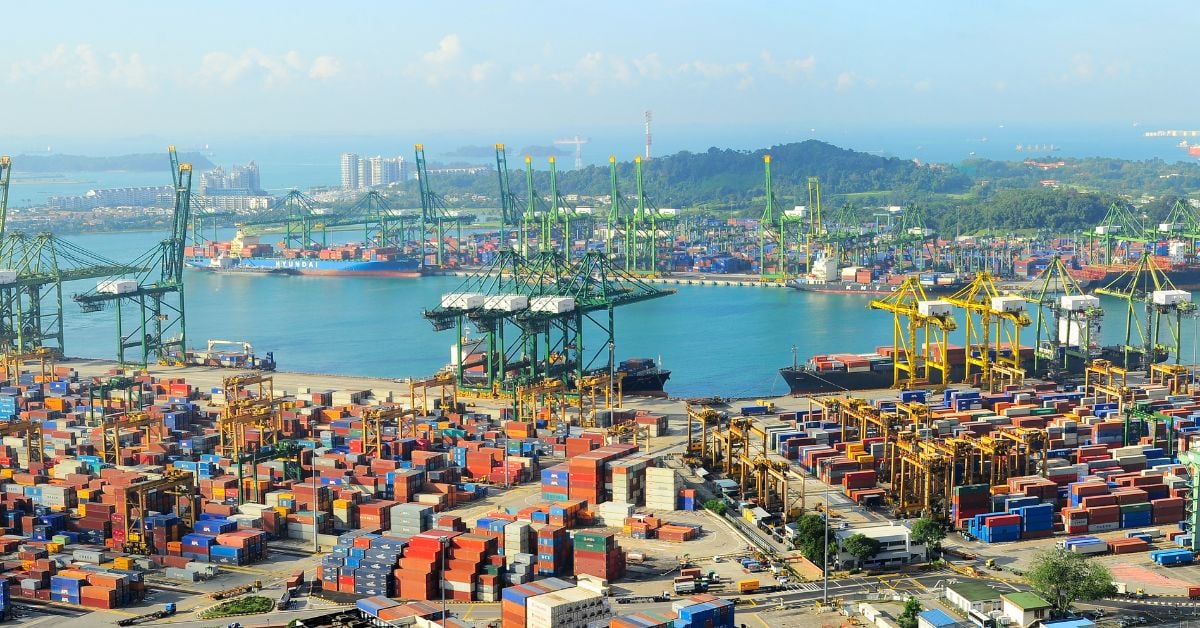
Kandla Port's Record Cargo Day Signals Measured Growth in Ocean Commerce
Kandla Port handled 9,63,951 metric tonnes of cargo in a single day, a national record that signals measured growth, not hype, in ocean commerce. This is empirical progress: real-time throughput validating India's maritime capacity. When infrastructure delivers validated results, it strengthens the entire integrated data ecosystem. For deeper context on global port developments, see our coverage of "A Measured Step Forward for West African Maritime Infrastructure." Understanding drives protection, and records like this one give us data worth tracking.
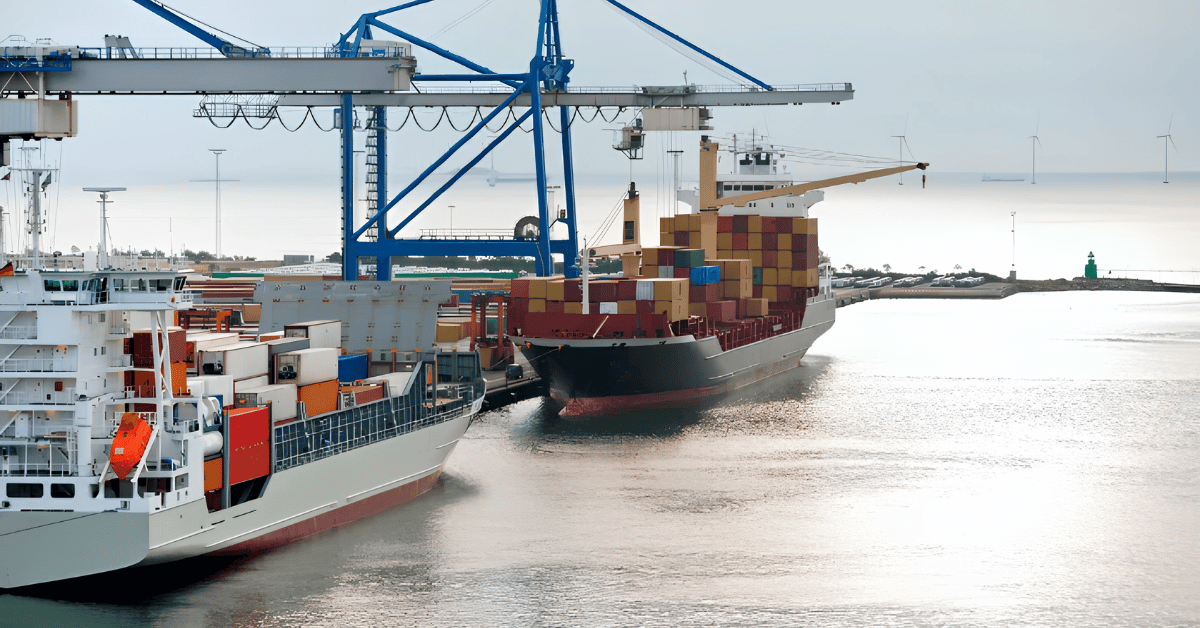
A Measured Step Forward for West African Maritime Infrastructure
A 10,000-hectare deep-sea port and special economic zone in Nigeria's Ogun State signals a measured step forward for West African maritime infrastructure. DP World, Ogun State, and Ogun Deep Sea Port have signed MoUs to explore this integrated development, one that could reshape regional trade logistics. Such projects demand empirical validation, not hype. For context on how ocean data underpins infrastructure decisions, our coverage of "Empirical ocean data powers the measurable path to energy transition" offers a parallel. Understanding drives responsible expansion.
New Seaborne Trade Data Charts Global Economic Currents
New seaborne trade statistics from UNCTAD now chart global economic currents with empirical precision, offering a measurable view of how goods move across the world's oceans. This data matters. Validated shipping flows reveal not just commerce but climate indicators, the pulse of a system under pressure. For deeper context on what this boom means for ocean resilience, see our related coverage on measuring the longevity of a booming ocean economy through integrated climate indicators. Understanding drives protection.

6,000-nautical-mile delivery signals a new chapter for ocean-going vessel
A 6,000-nautical-mile delivery is not merely a transit; it is a statement of capability. Azurine's completion of this voyage with a 909 GT catamaran from Thailand to Turkey, now entering a major transformation, validates the growing reach of efficient ocean transport. This measured achievement aligns with the urgent need for safer global shipping, readers may find our coverage of the *New Coalition Charts Measurable Course for Safer Global Shipping* a timely companion to this story.
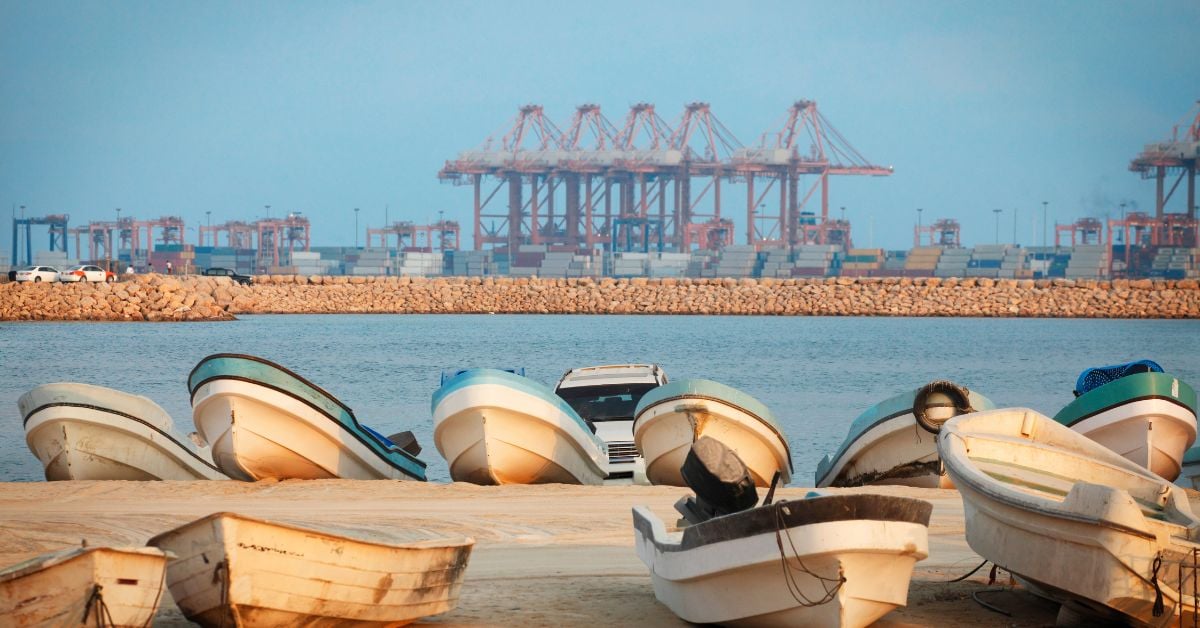
Sohar Port Facilitates Growing Indian Trade Routes to the GCC
Sohar Port has positioned itself as a critical transit point for Indian exports entering the GCC, a role that reflects the broader rebalancing of regional trade flows. The port's capacity to handle this volume signals practical, measurable gains in logistics integration. That matters as Gulf economies diversify. For readers tracking these corridors, our related piece on integrated subsea infrastructure in the Indian Ocean offers useful context on the region's digital backbone. The port's progress is steady, and it anchors a connection worth watching closely.
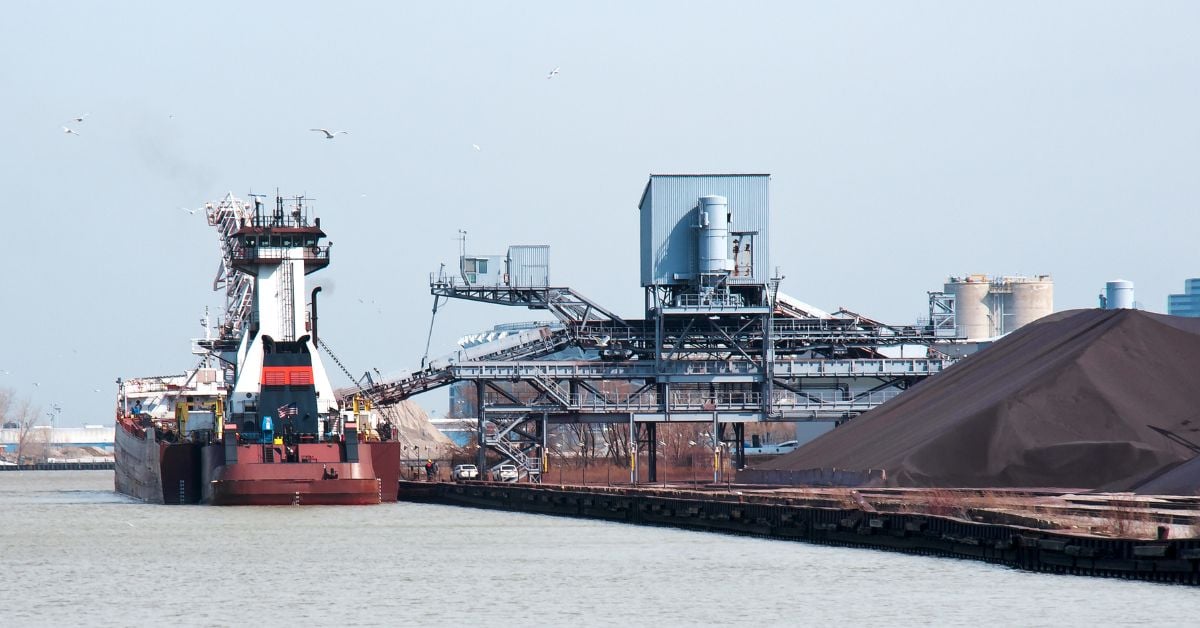
Shifting Cargo: Russian Terminals Adapt for Grain Export Surge
The Baltic and Arctic terminals that once moved fertiliser and coal are now turning to grain, a pragmatic response to shifting export demands. It is a quiet recalibration of infrastructure, and one that speaks to how quickly trade flows can redirect. Russia is adapting its logistics to stay competitive, and that flexibility is worth watching. For broader context on how export routes are evolving, our piece on Russia Calibrates Export Revenue for the Northern Sea Route Icebreaker Fleet offers a useful parallel.

Optimizing Maritime SAR Response Through Dynamic Resource Allocation
Maritime emergencies rarely wait for calm conditions, and neither does the demand for rescue resources. The 2S-DLAS model tackles this head-on by treating demand locations as moving targets, shaped by ocean currents and uncertain timing. It optimizes base placement, resource allocation, and platform routing in one integrated framework, while explicitly accounting for travel-time variability and navigational limits. The IALNS algorithm delivers computational efficiency without sacrificing solution quality. Real cases from the South China Sea validate the approach.
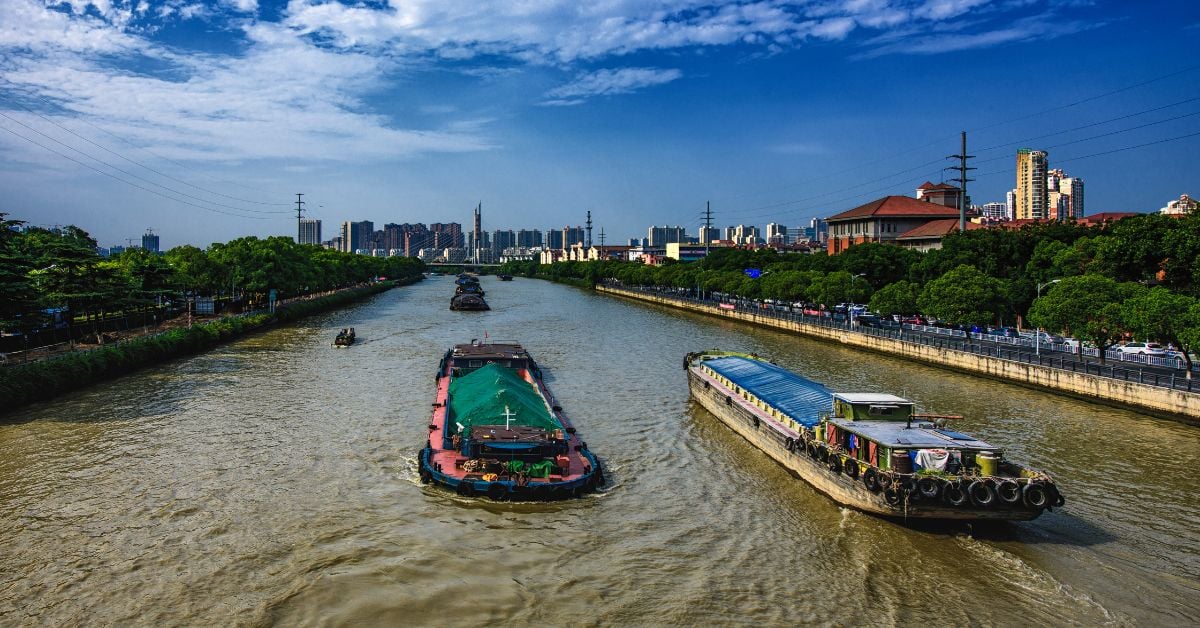
Integrated waterway connects China’s interior to Southeast Asian trade routes.
The Pinglu canal is engineered for ships up to five thousand tonnes, a scale that speaks to its ambition. It will carve a direct line from China's interior to Southeast Asian markets, trimming over 5 billion yuan in annual shipping costs. That is not a marginal efficiency; it is a structural shift in regional logistics. We see this as a deliberate move toward integrated waterway intelligence.
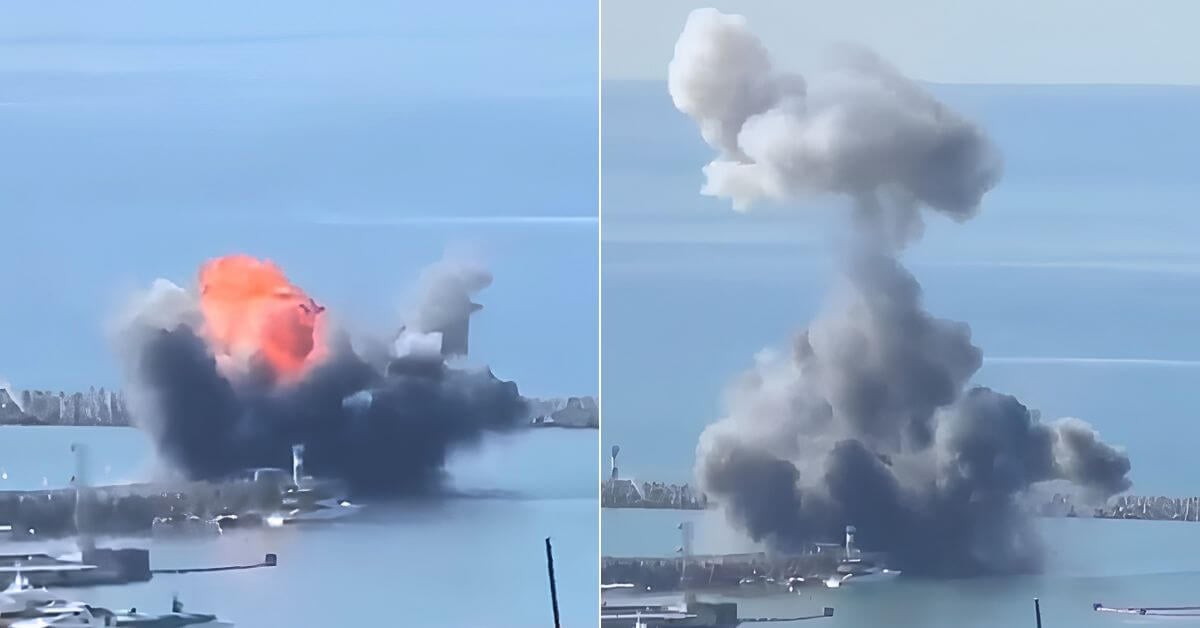
Ukrainian Drone Strike Impacts Russian Support Vessel Near Sochi
A Ukrainian drone strike has reportedly damaged the Nefrit, a multipurpose support vessel anchored near Sochi, adding another data point to the evolving risks in the Black Sea. The ship's role in oil and gas logistics makes it a meaningful target, though the full operational impact remains unconfirmed. This incident underscores how maritime infrastructure becomes collateral in broader conflict dynamics.
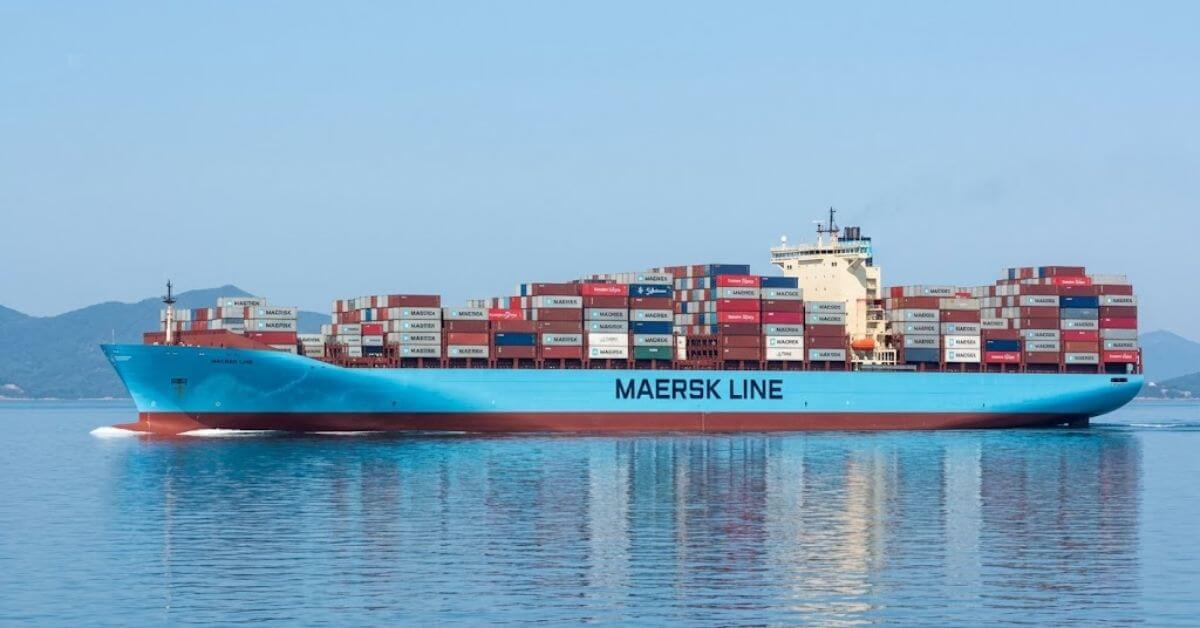
Maersk Considers Bangladesh Shipbuilding Investment, Recycling Potential Explored
AP Moller-Maersk is weighing direct investment in Bangladesh's shipbuilding sector, a move that pairs commercial pragmatism with the country's growing recycling potential. The logic is sound: established yards and expanding industrial capacity offer Maersk a foothold in a region where vessel construction and end-of-life dismantling increasingly overlap. This is not speculative ambition; it is calibrated expansion. For context on how similar partnerships are shaping regional capabilities, our piece on the collaborative shipbuilding initiative in India offers a useful counterpoint.
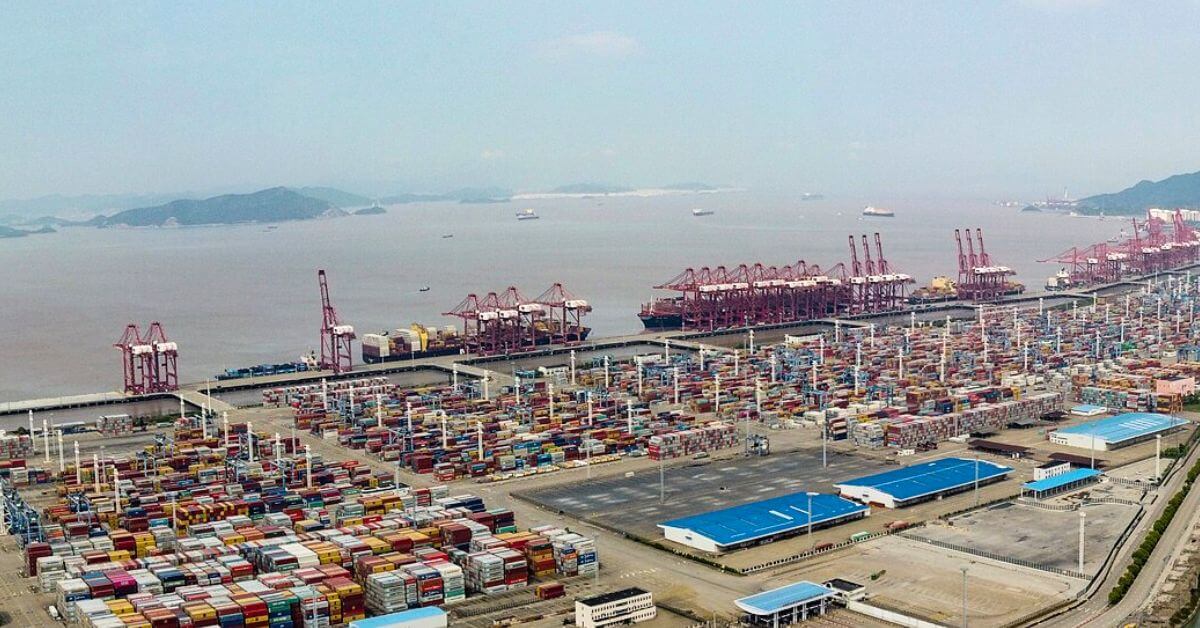
Ningbo-Zhoushan Port Surpasses Singapore, Securing Second Place Globally.
Ningbo-Zhoushan Port moved up the global ranks with 22.90 million TEU in the first half of 2026, an 8.8% year-on-year gain that places it second worldwide. This is what measured, data-driven progress looks like. Singapore's loss is not a setback but a signal of shifting trade currents. For readers tracking maritime momentum, our related piece on Paradi Port's new Mega Port status offers useful context. Growth at this scale demands calibrated investment, and China's port network is delivering it.

Integrated Port Expansion: Saudi Arabia and CMA CGM Enhance Red Sea Trade
Jeddah Islamic Port is about to get a serious upgrade. Saudi Arabia's Red Sea Gateway Terminal has signed a contract with CMA CGM, France's shipping giant, to build and operate a new terminal there. It's a direct bet on the Red Sea's growing role in global trade, and a smart one. This isn't just concrete and cranes; it's about positioning for the long haul.

Investment Dispute: CK Hutchison Seeks $1.5B from Panama Over Canal Ports
CK Hutchison's $1.5 billion claim against Panama is a stark reminder that port assets sit at the intersection of commerce and state power. The company alleges a coordinated, unlawful campaign breached an international investment treaty, a charge that carries weight far beyond balance sheets. This is not about inconvenience; it is about the rules that govern global trade. For context on how fragile such infrastructure can be, see our coverage of drought-driven transit reductions in "Reduced Canal Transits."

Northern Sea Route Opens: China Ship Arrives at Murmansk Port
The Xin Xin Hai 1 arrived at Murmansk Port on Wednesday night, carrying roughly 500 containers of automotive components. This transit along the Northern Sea Route signals a measurable shift in Arctic logistics. China's reach into these waters is no longer theoretical; it is operational. The voyage demonstrates how climate indicators and commercial strategy now intersect. For deeper context on regional maritime pressures, our piece on strikes targeting ports and vessels offers a contrasting picture of vulnerability.

Red Sea Incident: Unmanned Cargo Vessel Sustains Total Loss.
The loss of an unmanned cargo vessel to unknown projectiles in the southern Red Sea marks a stark instance of maritime vulnerability. The UKMTO's declaration of a total loss is a measurable outcome, yet the incident underscores a broader fragility in a region already defined by complex logistics. We view this not with alarm, but as a calibrated data point. It validates why integrated, real-time ocean intelligence is essential for understanding risk.

Record-Breaking Green Methanol Bunkering Fuels Sustainable Shipping in Shanghai
A single bunkering operation in Shanghai has set a global record for green methanol supply, marking measurable progress in the shipping sector's shift toward lower-carbon fuels. The scale of this milestone is significant, but the real signal is repeatability: the more ports integrate green methanol into routine logistics, the faster the industry can move beyond pilot projects. For broader context on regional energy flows, our coverage of Gulf of Oman STS transfers offers a useful contrast in how different fuel systems are evolving.

Arctic Submarine Collaboration Expands: Germany, Norway, and Canada Unite.
Four days of talks in Kiel brought Germany, Norway, and Canada alongside TKMS, Kongsberg, and Multiconsult, signaling a deliberate step toward shared submarine capability. This is not merely procurement; it is the architecture of deterrence taking shape in Arctic waters. The collaboration reflects a practical recognition that no single nation patrols these expanses alone. For readers tracking Russia's icebreaker ambitions, including its calibrated export revenue scheme, this trilateral move adds a measured counterweight. We will follow how these industrial partnerships translate into operational reality.

Navy Drone Data Transmission Raises Cybersecurity Concerns, Ministry Confirms
A routine cyber vulnerability check on navy drones took an unexpected turn when the cameras onboard transmitted a squark to a Chinese IP address, the Ministry confirmed. The detail is precise, measurable, and worth pausing on. We do not speculate on intent, but the incident underscores why calibrated, peer-reviewed security protocols are not optional. For broader context on shifting maritime data infrastructure, see our coverage of "Integrated Subsea Infrastructure Shifts to Enhance Indian Ocean Connectivity.

Disruption to Ukrainian Exports: Odesa Seaport Damaged by Russian Strike
The port of Odesa, a vital artery for Ukraine's agricultural exports, has been damaged in a Russian strike that also targeted nine other regions. This is not a side note to the conflict; it is a direct assault on global food supply lines. The disruption is measurable, and the impact will be felt far beyond Ukraine's borders. It is a calculated move to weaken a critical economic lifeline, and the consequences demand attention.

Drone Attacks Leave Bulk Carrier Adrift in Black Sea
A German-owned bulk carrier is adrift in the Black Sea after a drone attack on August 5, 2026, a stark reminder that commercial shipping remains in the crosshairs of regional conflict. The vessel, Emil, now sits vulnerable, its crew's fate uncertain. This incident underscores a troubling reality: maritime routes are no longer safe passageways but potential targets.