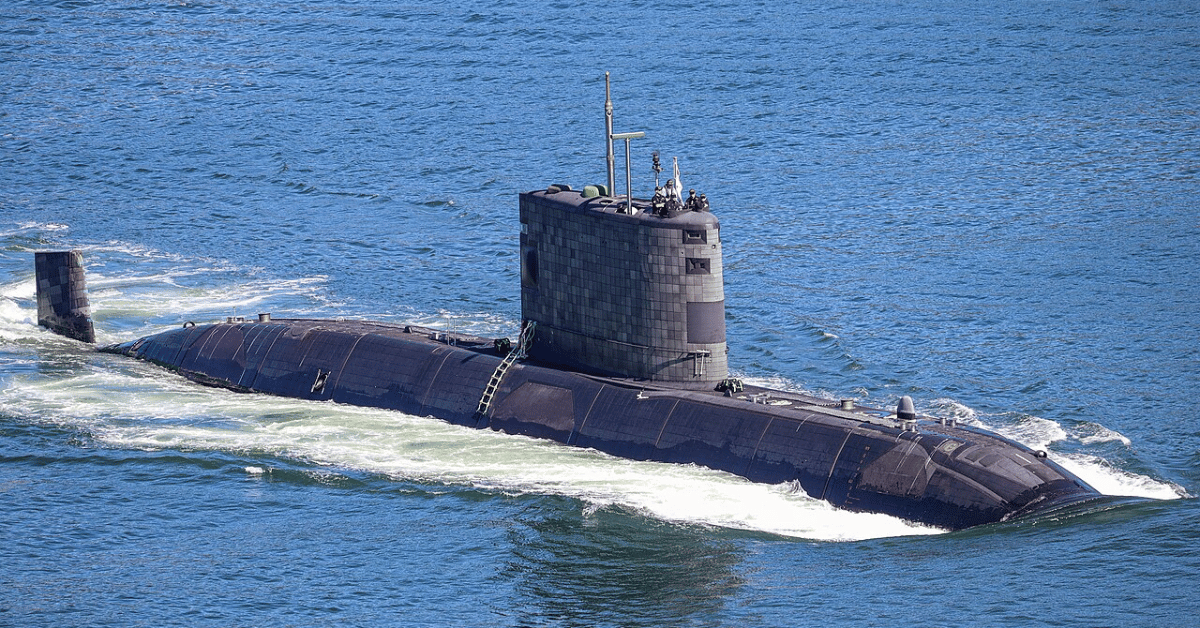
Canada's decision to pursue up to 12 modern submarines through the Canadian Patrol Submarine Project is not merely a procurement milestone. It is a deliberate investment in sovereign ocean intelligence, and the most telling part of this story is not the hull count but the parallel effort to build human capability before the steel is cut. BMT's new submarine learning initiative, launched as the Victoria-class fleet approaches retirement, signals a rare and welcome recognition that platforms are hollow without the people who understand them.
This approach stands in measured contrast to the headline-driven infrastructure expansions we have seen elsewhere. Consider the record cargo throughput at Kandla Port's Record Cargo Day Signals Measured Growth in Ocean Commerce, where operational efficiency drove a single-day national record. Or the long-term planning behind A Measured Step Forward for West African Maritime Infrastructure, where DP World and Ogun State are exploring a deep-sea port that will take years to materialise. Both stories reflect a common truth: maritime capability, whether commercial or military, depends on the systematic preparation of infrastructure and expertise. Canada's submarine project, by investing in domain-intensive learning now, is applying that same logic underwater, where the margin for error is even narrower.
What matters practically for our readers is the explicit linkage between workforce development and sovereign capability. BMT's course covers naval architecture, systems engineering, cybersecurity, logistics, and sustainment, disciplines that do not spontaneously appear when a new submarine class arrives. Emily Spurling, BMT's Regional Business Director for North America, put it plainly: "New submarines alone will not deliver capability; capability comes from people, knowledge and experience." This is not a generic HR platitude. It is a structural requirement for any nation that intends to operate, maintain, and modernise a submarine fleet over decades. The AUKUS partnership has already demonstrated that workforce readiness must be treated as a concurrent activity, not a downstream afterthought. Canada is wise to learn that lesson before its own programme accelerates.
The specific takeaway here is that the success of the Canadian Patrol Submarine Project will ultimately be measured not by the number of hulls in the water, but by the depth of the technical community that sustains them. BMT's initiative is a small but concrete step toward building that community. The open question is whether government and industry will match this early investment with sustained funding for training pipelines, industrial capacity, and cross-sector collaboration, or whether the submarine enterprise will find itself with advanced platforms and a shallow bench of expertise. That question will define Canada's undersea capability for the next generation.