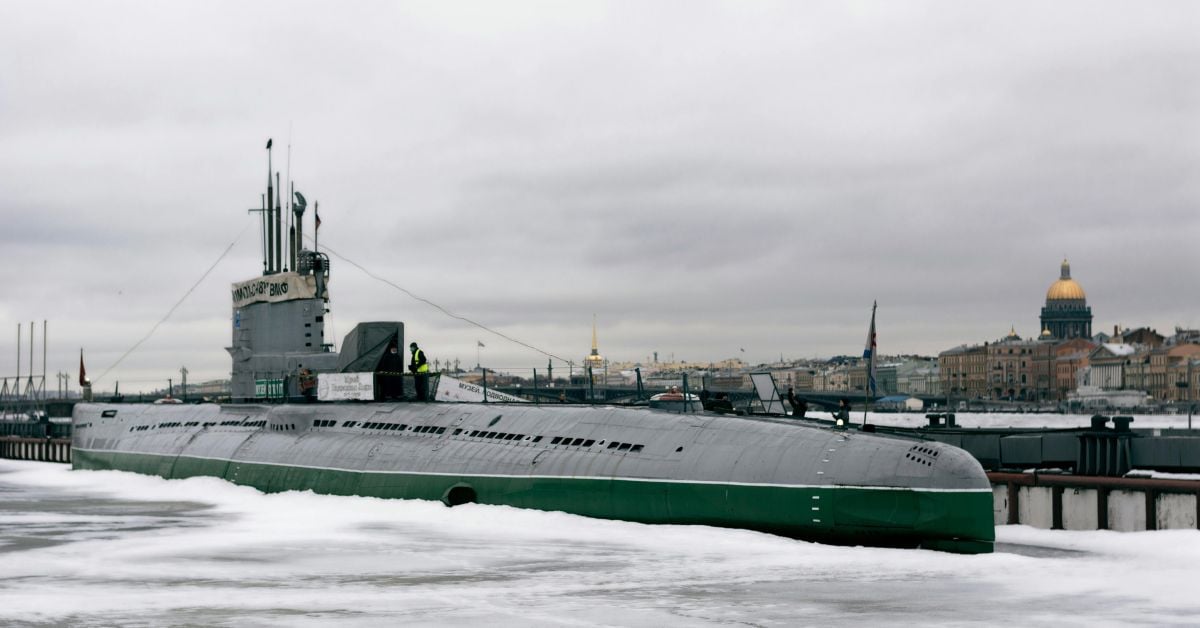
Allied forces just proved something the ocean has always known: coordination at sea is the hardest test of readiness, and it rewards those who prepare with precision. The largest commando exercise in 15 years, conducted off the Scottish coast under NATO's Exercise Strike, saw British commandos board a German Type 212A submarine, infiltrate ashore, identify a target, and call in live fire from a Portuguese frigate. This is not a headline about hardware. It is a measured demonstration of how integrated, multi-domain operations can function under the extreme conditions of the High North and North Atlantic. For our readers, researchers, policymakers, and defense analysts alike, the practical takeaway is clear: the ability to synchronize submarine-borne insertion, real-time targeting, and allied naval fire support has not been achieved at this scale in three decades. That gap in empirical readiness matters more than any single vessel or platform.
The operation's significance extends beyond the tactical. The 148 (Meiktila) Commando Forward Observation Battery, Royal Artillery, used the submarine not merely as transport but as a source of information and support while approaching the target area. This level of integrated data sharing between a German submarine and British ground spotters, culminating in a Portuguese deck gun strike, represents a calibrated model for how allied navies can generate measurable combat power without relying on overwhelming force. It mirrors the kind of collaborative ocean intelligence that Canada's Patrol Submarine Project Charts a Calibrated Course for Sovereign Ocean Intelligence aims to build, where sovereign capability enhances, rather than duplicates, allied coverage. Similarly, the logistical choreography required to move commandos, inflatable boats, and live-fire assets across the Western Isles, Galloway, and the North Sea echoes the kind of integrated infrastructure thinking seen in Kandla Port's Record Cargo Day Signals Measured Growth in Ocean Commerce, where record throughput depends on synchronized systems, not just bigger cranes.
What makes this exercise a concrete data point rather than a routine drill is the live-fire component. The Portuguese Navy's Dom Francisco de Almeida engaged a simulated target using its Oto Melara deck gun, with the German submarine providing target identification and the commandos marking the objective from a cliffside observation post. That closed loop, submarine sensors to human spotters to naval gunnery, is the kind of integrated data ecosystem that defense planners have long sought but rarely validated under real weather and real risk. The operations officer of 148 Battery stated plainly that this level of coordination with partner and allied navies had not been achieved in thirty years. That is not hyperbole; it is a measured claim backed by empirical execution. The forces involved wanted to show they are ready for future threats. They succeeded.
One question remains open. The exercise involved over 200 personnel from the U.S., Canada, Norway, the Netherlands, and Germany, with eight naval ships and 19 fighter planes. Yet the core action, submarine insertion, observation post establishment, and fire coordination, relied on a small, specialized team. As NATO shifts focus toward the High North, where weather conditions are among the riskiest on the planet, the question is whether this model of small-team, submarine-enabled precision can scale. Canada's patrol submarine project and the kind of port infrastructure highlighted in A Measured Step Forward for West African Maritime Infrastructure both suggest that the answer depends on sustained investment in interoperable systems, not just platforms. The commandos proved they can land, spot, and strike. The next test is whether the allied submarine fleet can deliver them consistently, from the North Atlantic to any coastline that demands it.