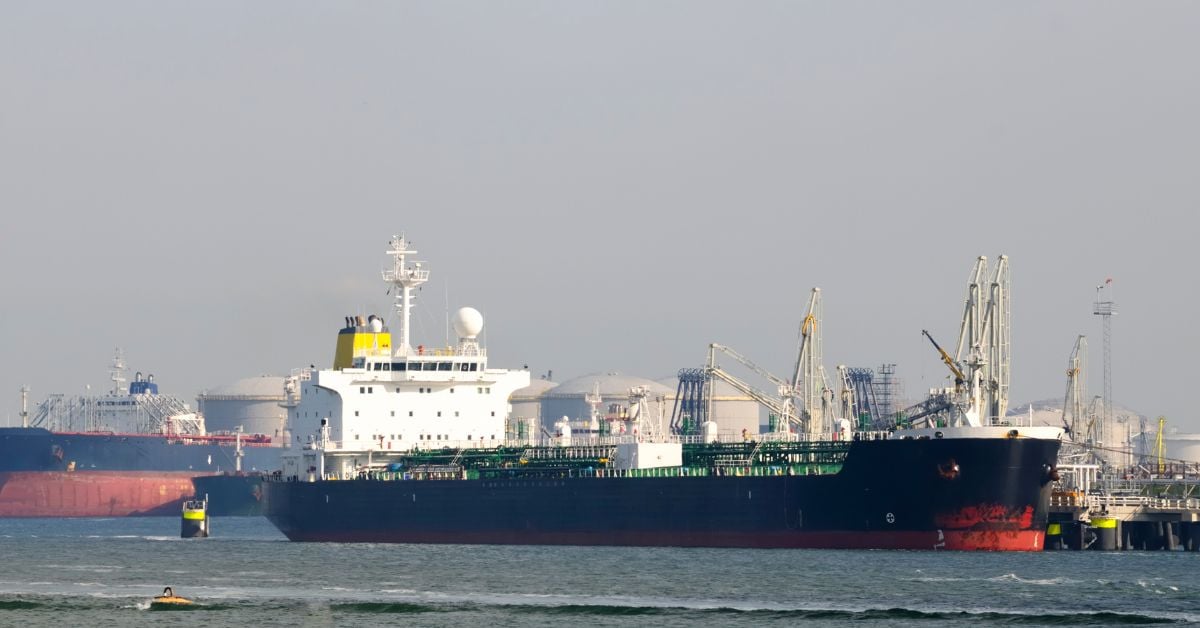
The decision by A.P. Moller Maersk to raise its emergency inland fuel surcharge in the UK and Ireland to 20% is a blunt acknowledgment that geopolitical disruption now dictates the price of moving goods, and we should treat it as the new baseline rather than a temporary spike. This is not a corporate hedge or a negotiating tactic; it is the arithmetic of logistics when the Strait of Hormuz tensions rise as Iran signals new maritime restrictions and weekly tanker strikes near the Strait of Hormuz reach their highest count in years. One-fifth of the world's oil and gas transits that chokepoint, and with ships stuck or rerouted, the fuel cost embedded in every truck and rail movement across Britain and Ireland has become structurally higher, not cyclically higher.
For importers, exporters, and the logistics managers who serve them, the practical meaning is immediate and measurable. The surcharge jumps from 10.6%, the rate Maersk set for October 1, to 20% effective October 12, 2026. That is nearly a doubling of the fuel component on inland legs within eleven days, a timeline that leaves little room for contract renegotiation or modal shifting. Maersk states the charge will be reviewed regularly and revised if fuel prices fluctuate, but that clause offers cold comfort to a shipper budgeting for Q4. The same pressure is visible across Europe, with inland surcharges at 14% in Denmark and 20% in Estonia, confirming this is a regional repricing, not a UK-specific anomaly. The Ukraine-Russia conflict compounds the Gulf crisis, tightening energy supply on two fronts simultaneously, so the input costs are not likely to ease quickly.
Our view is that this surcharge is a signal of fragility in the integrated data ecosystem that global trade depends on, and the response from shippers must be equally systematic. The companies that fare best will not be those that simply absorb the cost or pass it on blindly, but those that recalibrate routing, consolidate shipments, and revalidate the fuel assumptions baked into their landed-cost models. The Maersk advisory is a data point, and like all data points, it should be measured against alternatives: rail versus truck, port of entry, and inventory timing. Waiting for a return to the 10.6% rate is a passive strategy; treating 20% as a working hypothesis for the next two quarters is an active one.
The specific detail to watch is the speed of the next review. Maersk revised the UK rate from 10.6% to 20% in a matter of weeks, which tells us the company is monitoring fuel prices on a near-real-time basis and will adjust again without hesitation. Shippers should track bunker prices and the Allied submarine operation surfacing British commandos off the Scottish coast as a reminder that military posture in the Atlantic and the Gulf is intertwined with commercial freight costs. The question is not whether the surcharge drops back to 10.6%, but whether the next adjustment is upward, and how many logistics budgets are built to withstand that second move.