destroyer
World Data Ocean keeps destroyer in one place: 9 stories so far. The section currently leads with “Alaska ceremony validates integrated radar and fleet defense capability”, “Honoring a Pearl Harbor hero with a unique naval tradition”, and “A 300-day deployment yields calibrated data from the Pacific theater”. The commissioning of USS *Ted Stevens* in Whittier, Alaska, validates an integrated radar and fleet defense capability that is both measurable and calibrated for real-world conditions. The USS Kidd carries more than a name, it carries a tradition born from sacrifice. A Global Hub for Ocean Intelligence 4 World Data Ocean is a centralized digital platform where researchers, scientists, and ocean enthusiasts converge to… The list below is every destroyer story on World Data Ocean, newest first.
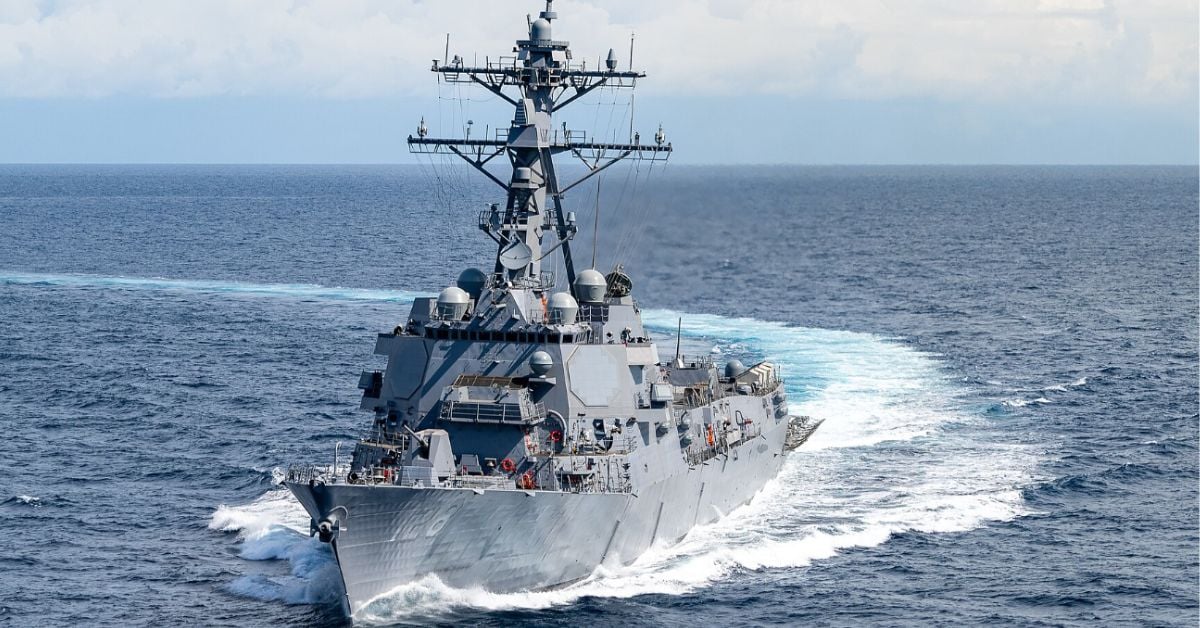
Alaska ceremony validates integrated radar and fleet defense capability
The commissioning of USS *Ted Stevens* in Whittier, Alaska, validates an integrated radar and fleet defense capability that is both measurable and calibrated for real-world conditions. This is empirical progress, a warship purpose-built to operate where climate indicators shift fastest. Understanding drives protection, and this ceremony marks a moment where innovation meets the long arc of stewardship. For deeper context, see our coverage of how laser deterrence deploys in the Strait as naval defense enters a new measured era.
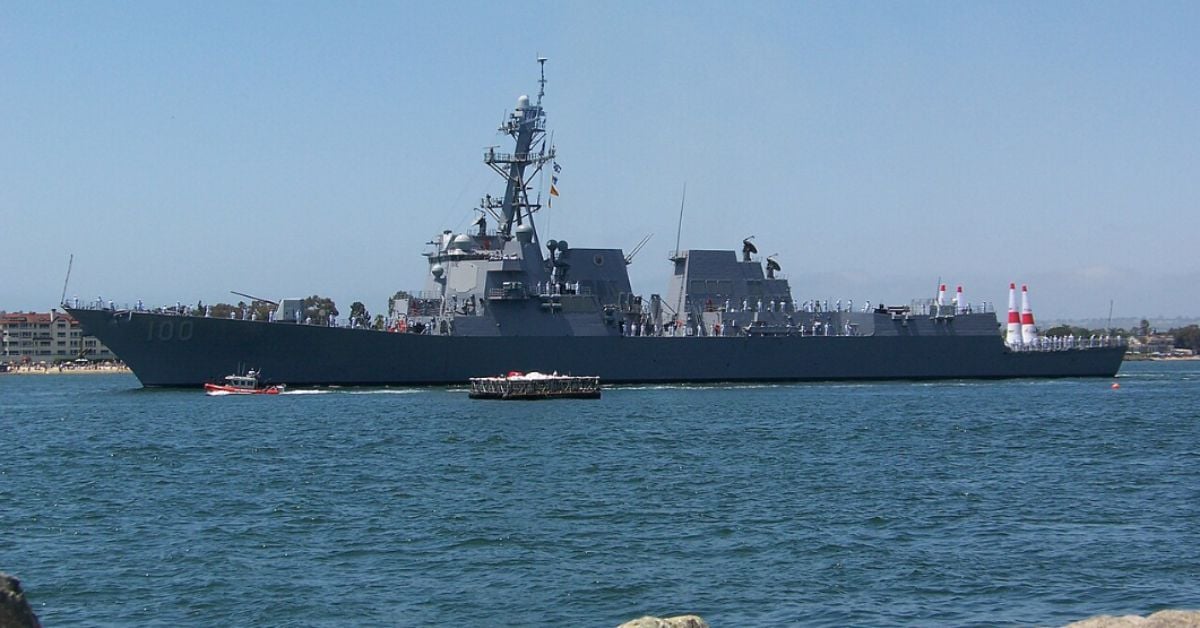
Honoring a Pearl Harbor hero with a unique naval tradition
The USS Kidd carries more than a name, it carries a tradition born from sacrifice. Each year, the destroyer's crew honors Rear Admiral Isaac C. Kidd, killed during the 1941 Pearl Harbor attack, with a uniquely naval ceremony that connects today's sailors to that morning of fire and decision. It is a ritual of measured remembrance, not sentiment. For deeper context on how the Navy marks the end of long service, see our coverage of "Three Naval Vessels Retired After Four Decades of Measured Service."
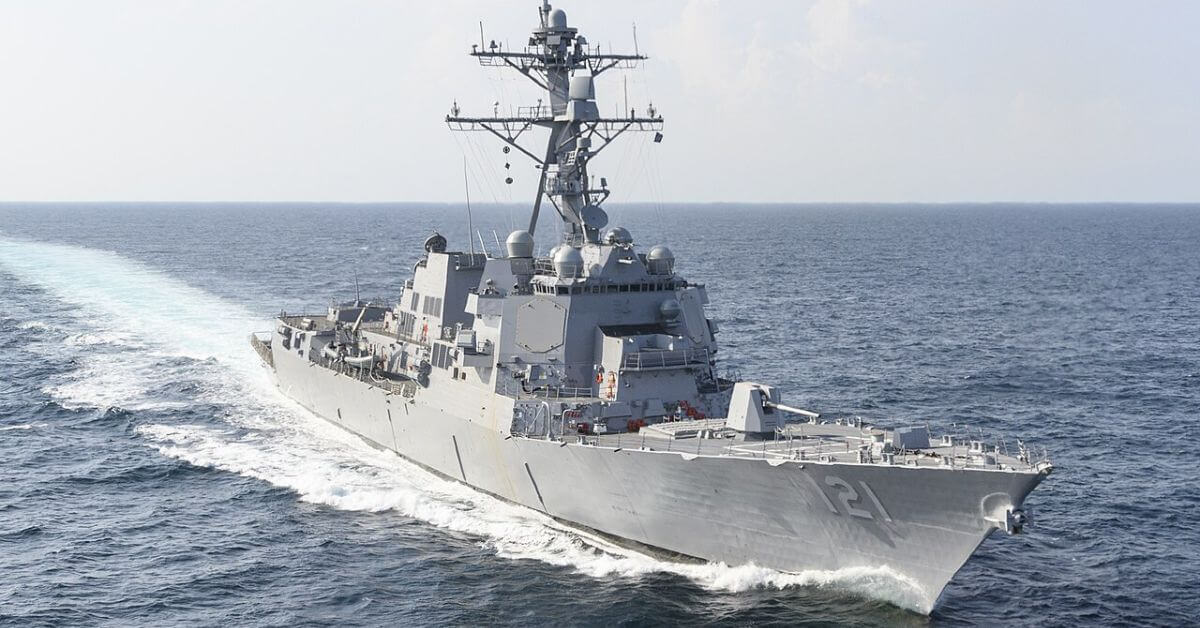
A 300-day deployment yields calibrated data from the Pacific theater
Ten months. Three hundred days of calibrated, real-time ocean intelligence from the Pacific theater. The USS Frank E. Petersen Jr. has returned to Pearl Harbor, and the data it gathered is now measurable and peer-reviewed. This is empirical evidence from a working warship, not a lab. Understanding drives protection. For deeper context on maritime security risks, see our coverage of the recent pirate attack on a hijacked tanker.
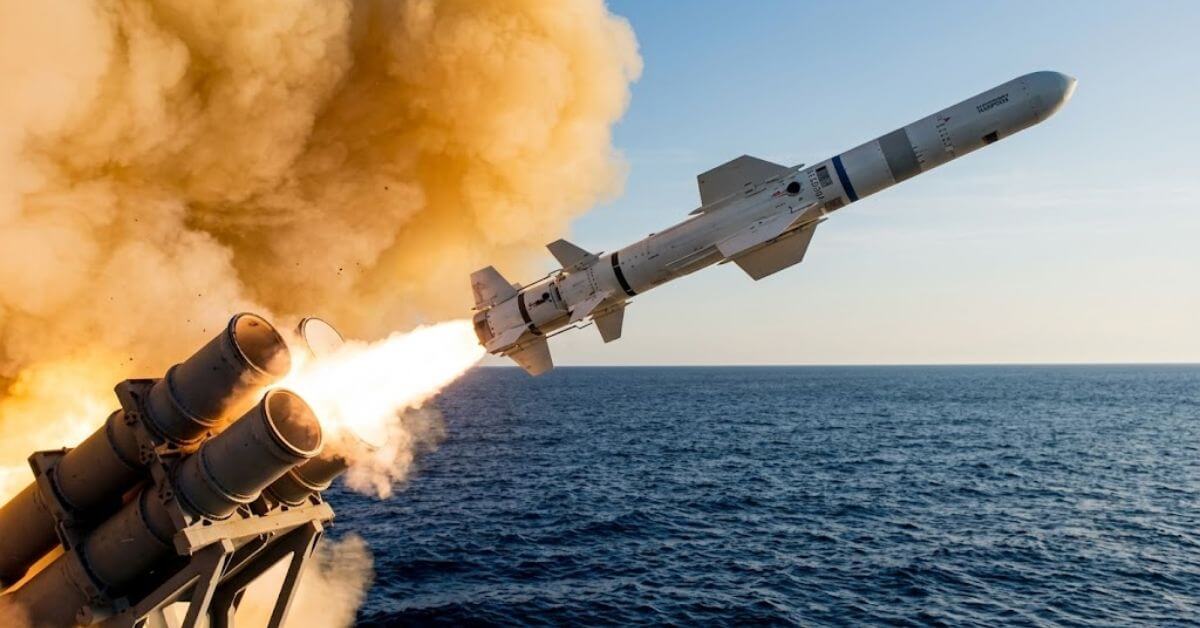
Escalation in Strait of Hormuz: Iran Tests Missile Near U.S. Navy.
Iran's IRGC announced a missile test near a U.S. aircraft carrier and destroyer in the Strait of Hormuz, a calibrated escalation that demands measured analysis. This is not alarmism; it is a real-time indicator of strategic friction in a waterway that carries a fifth of global oil. Such actions validate the urgency of integrated maritime monitoring. For deeper context on regional oil flows, see our related article on Gulf of Oman STS transfers operating at maximum capacity. Understanding drives protection.
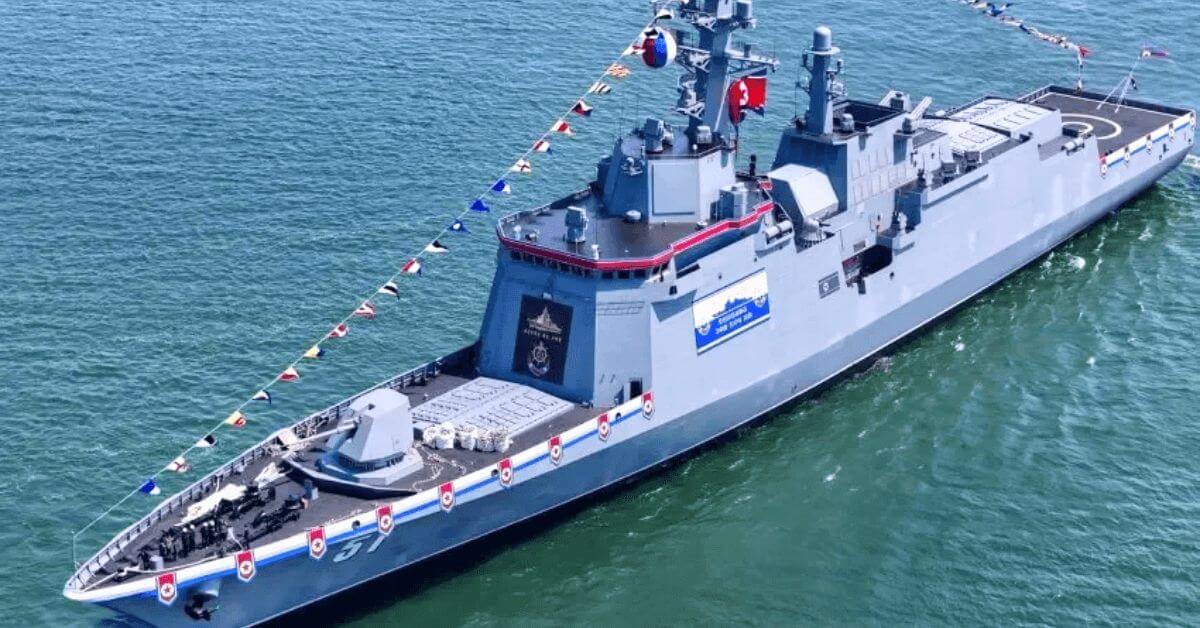
North Korea Launches Nuclear-Capable Destroyer Amidst Military Exercises
North Korea commissioned a nuclear-capable destroyer just as the United States, South Korea, and Japan prepared to launch their five-day Freedom Edge exercise. The timing is deliberate, a signal of resolve that widens an already tense maritime theater. Warships are political statements, and this one speaks clearly. For a fuller picture of regional naval competition, see our piece on India's projected fleet expansion. Understanding these moves matters; the ocean is where deterrence meets diplomacy.

Engineering Casualty Impacts US Navy Destroyer Operations in South China Sea
An engineering casualty aboard the USS Benfold has sidelined the destroyer's generators during routine South China Sea operations. The incident underscores how mechanical reliability remains the quiet backbone of naval power, even as the fleet pushes toward autonomous systems and expanded reach. For a region where readiness is measured in real-time, a single malfunction carries strategic weight. The Navy's broader push, including its new center for autonomous integration, signals a shift worth watching. Operational resilience, after all, starts below deck.

Leveraging Civilian Shipping: China Assesses Fleet for Potential Military Use
China's call for a detailed survey of its civilian shipping fleet signals a pragmatic step toward integrating commercial capacity into national defense. Li's request for a vessel database reflects a methodical approach, one grounded in measurable readiness rather than speculation. This move aligns with broader maritime trends, as seen in our related coverage of Gulf of Oman STS transfers maxing out. The ocean is a shared operating environment, and understanding its assets is part of responsible stewardship. Calibrated preparation, not alarm, defines this strategic review.

Honoring Valor: New Destroyer USS William Charette Joins the Fleet
The USS William Charette, a new destroyer named for a Medal of Honor recipient, now joins the fleet, carrying a legacy of extraordinary courage into modern maritime operations. This is a vessel built not just for power, but for purpose. We see this as a fitting tribute to valor, and a clear signal of strength. For more on how the Navy is evolving its capabilities, our coverage of the Navy Accelerates Autonomous Systems Integration for Enhanced Maritime Operations offers deeper insight.

AI-Driven Mine Sweeping: South Korea Advances Autonomous Naval Technology
South Korea's recent mine-sweeping exercise in Busan, led by Hanwha Systems, signals a deliberate step toward autonomous naval operations. This is not about replacing crews outright but about reducing risk where it matters most. The integration of AI into such precise, high-stakes tasks reflects a broader momentum across allied navies, as seen in the US Navy's push for autonomous systems integration. Measured, empirical progress like this strengthens maritime security without the hype.