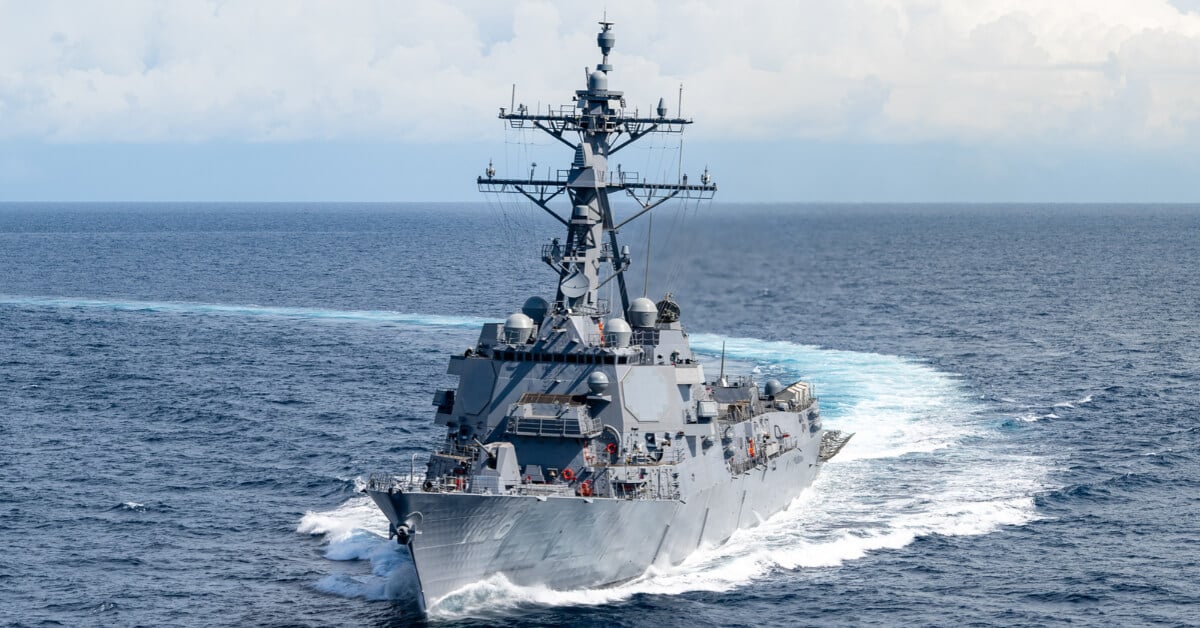
The return of USS Ted Stevens to Norfolk, escorting the decommissioned ex-Enterprise, is more than a ceremonial homecoming, it is a calibrated, empirical demonstration of how the U.S. Navy is integrating its latest combat systems with the legacy of nuclear propulsion. This voyage physically linked two generations of naval power: the world's first nuclear-powered carrier, now a towed relic, and a Flight III destroyer built around the AN/SPY-6(V)1 Air and Missile Defense Radar. For our readers, whether researchers tracking fleet modernization or policymakers assessing maritime readiness, the escort is a measurable signal that the Navy is operationalizing its next-gen sensor and combat architecture under real-world transit conditions. It also highlights how shipbuilding and commissioning timelines, from Ingalls Shipyard in Mississippi to Alaska and back through the Panama Canal, directly affect fleet availability. This operational rhythm parallels developments we have covered, such as the commissioning of a new Sentinel-class cutter honoring a WWII coxswain, Coastal Sentinel Honors WWII Coxswain with Newest Sentinel-Class Cutter, and the shifting carrier presence in the Middle East, Carrier Presence Shifts as Middle East Naval Posture Reduces to Two Vessels. Each of these stories reinforces a pattern: the Navy and Coast Guard are deliberately pairing new platforms with historical namesakes while managing distributed force posture.
What matters practically is what the USS Ted Stevens brings to the Atlantic Fleet. Its SPY-6 radar and Aegis Baseline 10 system represent a validated leap in detection range and discrimination against advanced ballistic, cruise, and hypersonic missile threats. The ship's upgraded electrical and cooling capacity is not a marketing bullet point, it is the integrated engineering that allows that radar to run continuously at higher power without overheating, a constraint that has limited earlier destroyers. The Navy's decision to route this destroyer through full ship shock trials off Florida before commissioning in Alaska, then immediately assign it an escort mission for the ex-Enterprise, suggests confidence in the platform's readiness. Commanding officer Captain Mary Katey Hays noted the crew lived up to the motto "Lead with Courage" through those trials and the transit. That is not rhetoric; it is a measurable standard for how the Navy validates new hulls before declaring them operationally ready.
The escort itself carries strategic weight. The ex-Enterprise was the first nuclear-powered aircraft carrier, a vessel that defined U.S. naval supremacy for decades. Towing it to Mobile for dismantling while a new destroyer keeps watch is a direct, unromantic acknowledgment of technological succession. The Navy called it a link, and they are correct: the same nuclear engineering that enabled Enterprise to steam for years without refueling is now foundational to the carrier fleet, while the destroyer that escorted it represents the latest evolution in integrated air and missile defense. Readers should watch how quickly USS Ted Stevens achieves full operational status with the Atlantic Surface Fleet, and whether its sensor data begins feeding into the broader integrated data ecosystem that the Navy is building for maritime domain awareness. That integration, from orbit to ocean floor, from a destroyer's radar to a carrier strike group's network, is the real story. The escort voyage is over; the empirical work of proving the Flight III class in fleet operations is just beginning.