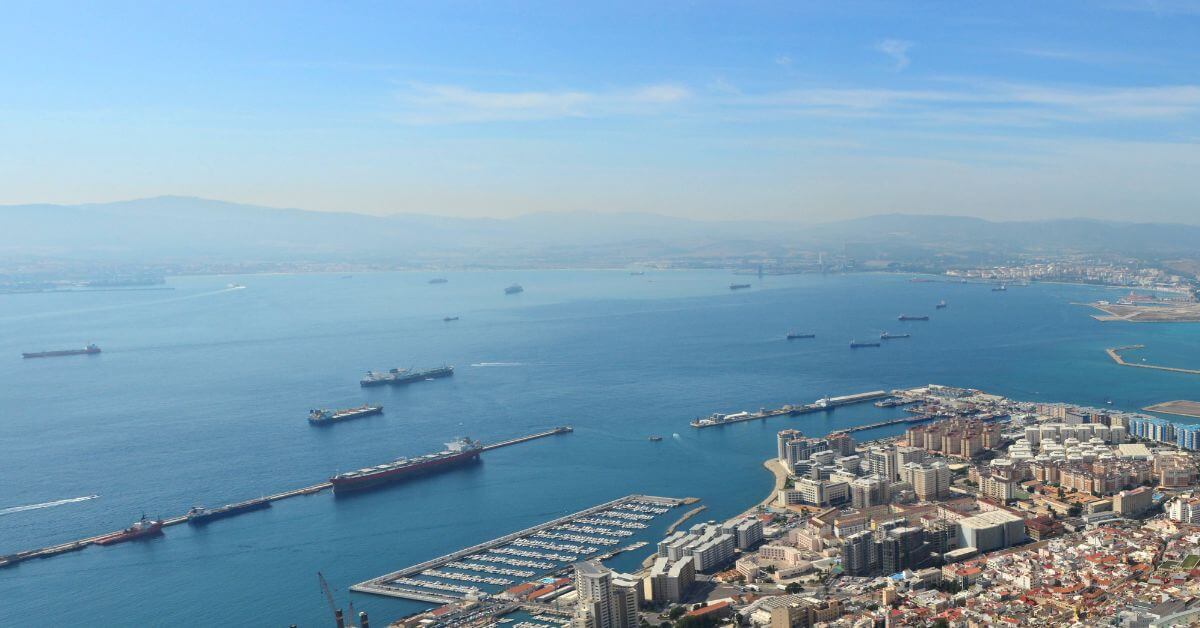
Organised crime has always adapted faster than port security, and the heist at Algeciras is a textbook reminder that physical infiltration remains as potent a threat as cyber intrusion. When three suspects used stolen jet skis and fake port-worker disguises to board a container ship and extract 50 kilograms of cocaine, valued at €1.5 million, they exploited a vulnerability that no digital firewall can patch: human trust in a uniform. This is not a one-off. Authorities seized another 50 kg of cocaine at the same port just months earlier, in February 2025, from a container that had arrived from Guayaquil, Ecuador. The pattern is clear, and the industry must treat it as a systemic risk, not a series of isolated incidents. Our coverage of the Integrated Response Saves 25 Seafarers After Container Ship Distress showed how coordinated maritime operations can save lives; the same level of integrated vigilance is now required to protect cargo integrity.
The method used here is instructive. The two boarding suspects wore clothing indistinguishable from legitimate port workers, while a third accomplice waited on a jet ski that had been stolen hours earlier in La Línea de la Concepción. The Civil Guard's Risk Analysis Unit (ULAR) only caught them because an officer noticed the jet ski moving suspiciously during cargo operations. That single observation triggered a search that uncovered two backpacks hidden aboard the vessel, each containing 50 packages of cocaine. The takeaway for port operators and shipping lines is uncomfortable but unavoidable: standard credential checks and perimeter patrols are no longer enough. Criminal networks are studying operational rhythms, supply chains for stolen equipment, and the precise moments when human oversight lapses. The same port that handled this shipment also saw the earlier Ecuador-linked seizure, suggesting that Algeciras is being treated as a reliable transit node.
What makes this case particularly relevant to the maritime sector is the contrast it draws with other emerging threats. While authorities were tracking a jet ski in Algeciras, intelligence agencies were warning European governments about a suspected Russian plan to launch drones from commercial ships in the Mediterranean, a threat we examined in Russian Maritime Activity Raises Concerns of Drone Operations in Mediterranean. The two scenarios share a common structural weakness: the difficulty of verifying intent behind legitimate vessel access. A port worker disguise is a low-tech version of a drone concealed inside a shipping container. Both exploit the same gap between what a ship's paperwork declares and what actually happens on board. Meanwhile, regulatory pressure on shipping companies continues to mount, COSCO recently faced a $16.7 million fine in the U.S. after a 223-day payment delay on a relatively modest award, as reported in A 223-day payment delay triggers a $16.7 million regulatory fine for COSCO. The message is that financial and operational risks are converging with security risks.
The specific detail to watch is the stolen jet ski. It was taken only hours before the operation, which means the network has access to real-time logistics for getaway assets. That speed of coordination, combined with the use of cloned uniforms, points to a level of preparation that exceeds opportunistic theft. If port authorities do not begin cross-referencing stolen-vehicle reports with vessel boarding logs in real time, the next heist will not be caught by a suspicious movement, it will succeed. The ocean intelligence community has the data; the challenge is integrating it into operational responses before the drugs leave the dock.