ballistic missiles
World Data Ocean keeps ballistic missiles in one place: 26 stories so far. The section currently leads with “Italy Advances Naval Capabilities with $4.2 Billion DDX Destroyer Contract”, “Eighty Nations Urge Reopening of Vital Strait of Hormuz Shipping Lane”, and “Shipping Incident Near Hormuz Raises Regional Tensions, Claims One Life.”. Italy's naval modernization advances with a $4.2 billion contract for the DDX destroyer, awarded to Orizzonte Sistemi Navali by OCCAR. Eighty nations, led by Bahrain's foreign minister, have formally urged the United Nations to reopen the Strait of Hormuz, a waterway that carries nearly a fifth of global oil supply. A Global Hub for Ocean Intelligence 4 World Data Ocean is a centralized digital platform where researchers, scientists, and ocean enthusiasts converge to… The list below is every ballistic missiles story on World Data Ocean, newest first.
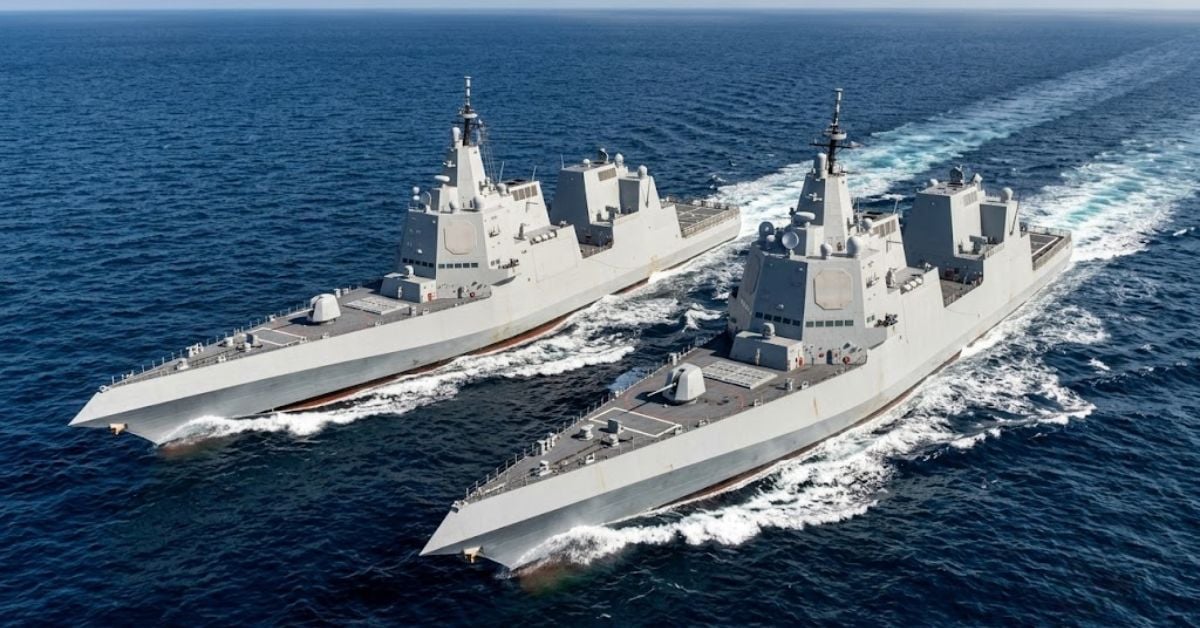
Italy Advances Naval Capabilities with $4.2 Billion DDX Destroyer Contract
Italy's naval modernization advances with a $4.2 billion contract for the DDX destroyer, awarded to Orizzonte Sistemi Navali by OCCAR. This investment signals a clear, measurable commitment to maritime capability, built on validated engineering and long-term strategic planning. The DDX program aligns with broader efforts across European fleets to strengthen integrated naval power, from the Mediterranean to the North Sea. For context on sustainable platforms, see our piece on Viking Astrea's hydrogen propulsion.

Eighty Nations Urge Reopening of Vital Strait of Hormuz Shipping Lane
Eighty nations, led by Bahrain's foreign minister, have formally urged the United Nations to reopen the Strait of Hormuz, a waterway that carries nearly a fifth of global oil supply. The collective call is a measured but firm push for maritime stability, grounded in shared economic and security interests. Diplomacy, not disruption, is the clearest path forward here. For those tracking the region's momentum, our related piece on phased negotiations between Washington and Tehran offers useful context on what reopening might actually require.
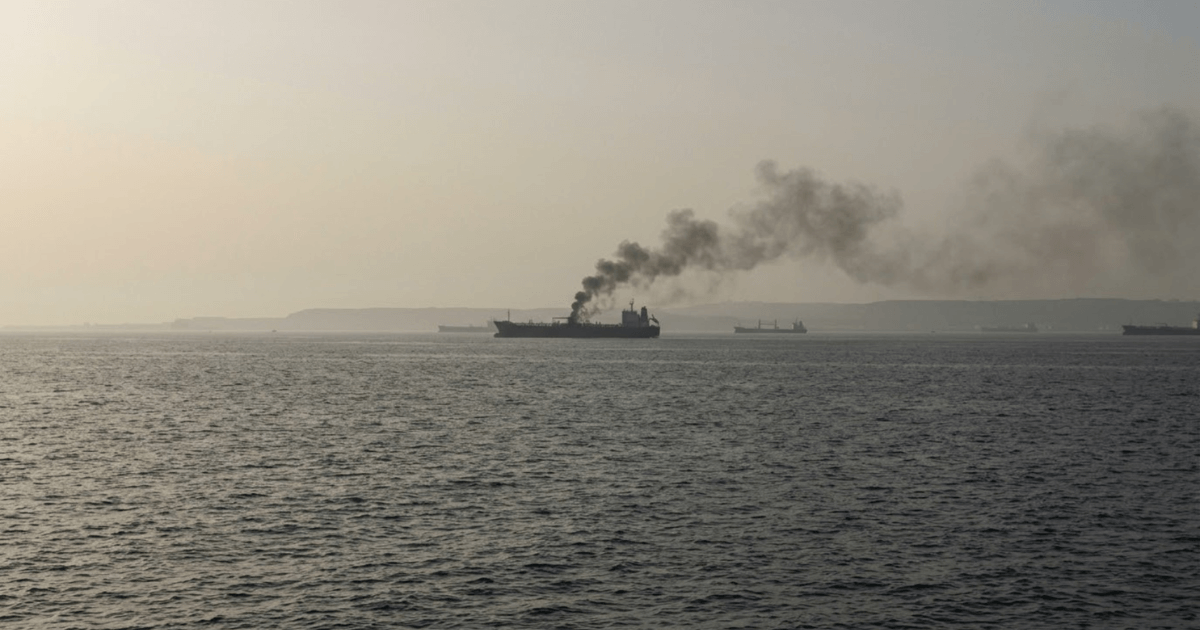
Shipping Incident Near Hormuz Raises Regional Tensions, Claims One Life.
A commercial vessel was struck off Qeshm Island in the Strait of Hormuz, killing one crew member. Iran now prepares to brief regional powers on shipping control. This incident raises tensions along a waterway already strained by capacity, our related coverage on Gulf of Oman STS Transfers Max Out Amid Rising Saudi Oil Exports underscores the logistical pressure. Measurable maritime data matters here: safety and security are empirical conditions, not abstractions. Understanding drives protection.
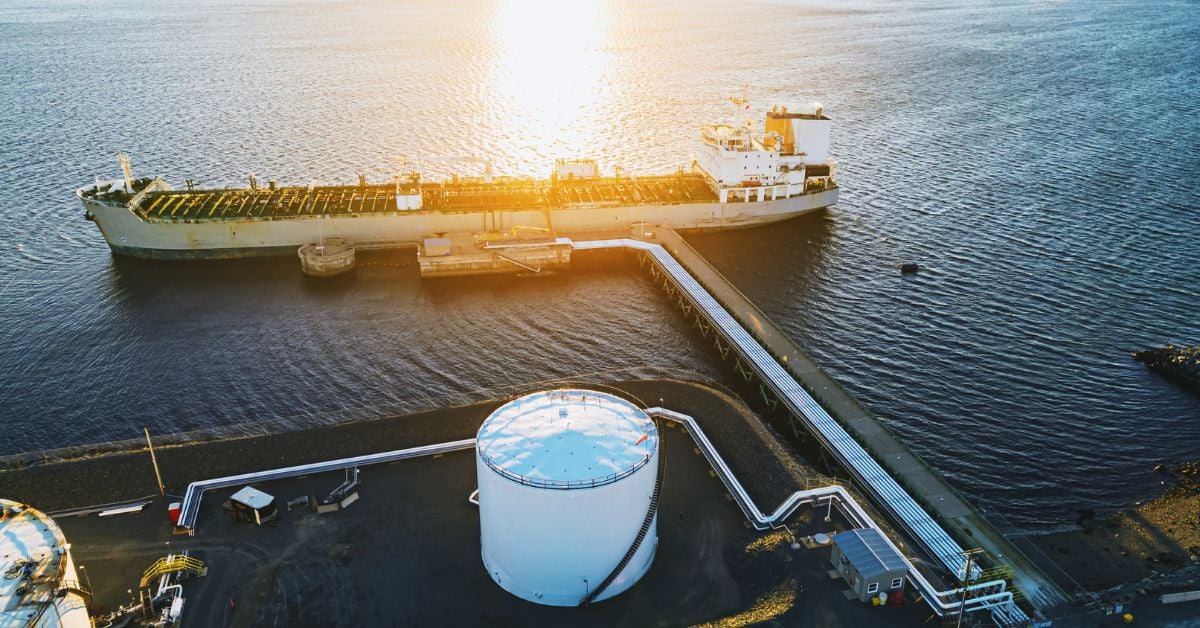
Escalating Tensions: Iran Issues Warnings to Tanker Crews in Persian Gulf
Iran's Islamic Revolutionary Guard Corps Navy has warned tanker crews near Kuwaiti and Bahraini ports to abandon their vessels. This escalation injects measurable risk into an already volatile Persian Gulf. Regional maritime stability is not a theoretical concern, it is a climate indicator of geopolitical friction. For deeper context on how such tensions intersect with energy routes, see our related coverage on "Phased Negotiations Aim to Ease Restrictions on Strait of Hormuz." Understanding these pressures is essential for calibrating both security and environmental responses.
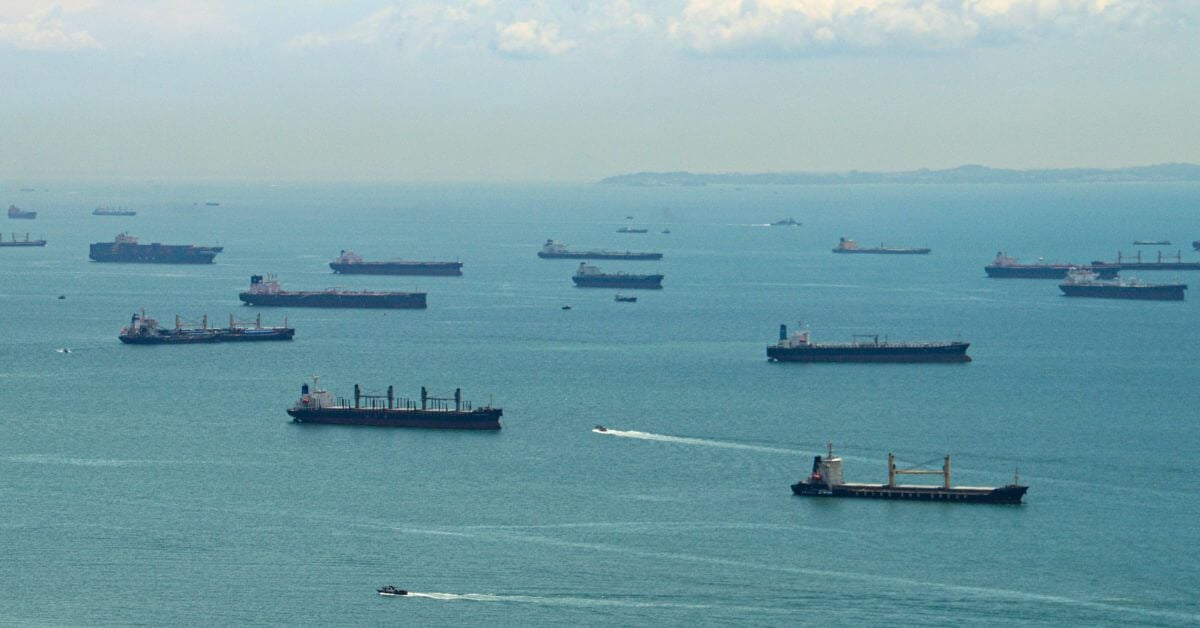
Escalation in Strait of Hormuz: Maritime Traffic Disrupted by Reported Attacks
Reports of multiple merchant vessels struck in the northern Gulf and Gulf of Oman signal a dangerous escalation in the Strait of Hormuz. Maritime traffic is now disrupted, and the immediate consequences for global energy flows are measurable. This is not a moment for alarmist speculation, but for empirical observation. For deeper analysis on regional capacity pressures, readers may consult our related report on Gulf of Oman STS transfers maxing out amid rising Saudi oil exports.
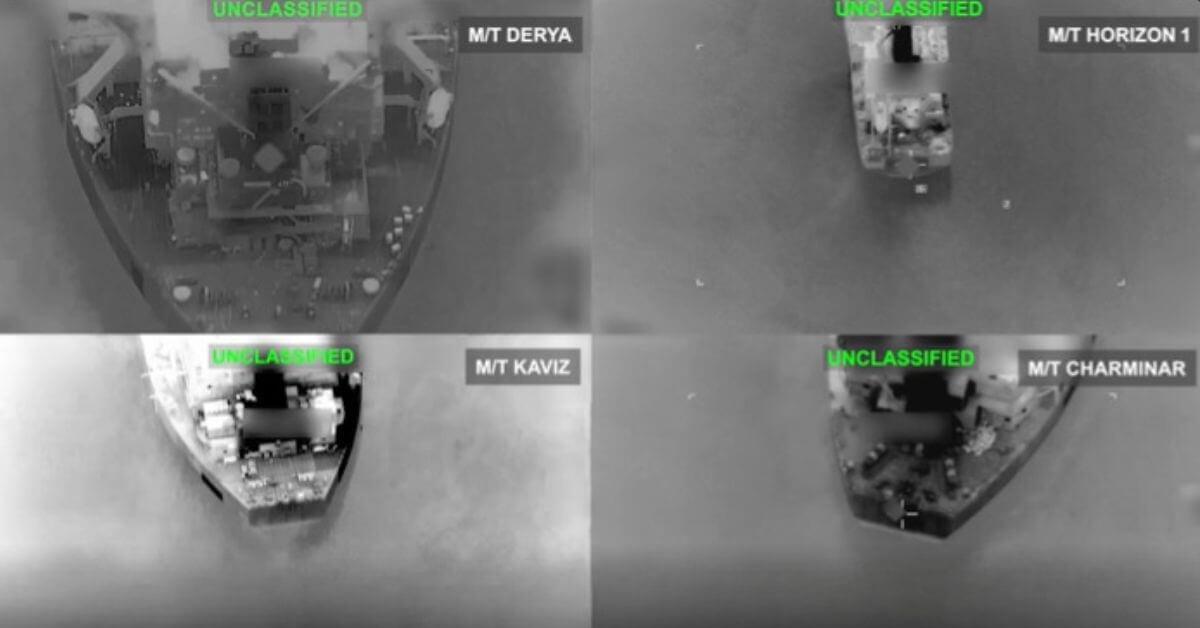
Escalation in Persian Gulf: U.S. Responds to Iranian Maritime Actions
Before the strikes, U.S. forces instructed crews to leave the tankers, a measured step that prioritizes human safety over escalation. CENTCOM confirmed the vessels were left inoperable, signaling a calibrated response to Iranian maritime actions. The Persian Gulf remains a flashpoint where empirical monitoring and integrated intelligence are essential. For deeper context on global naval strategy, our article on India's projected fleet expansion examines how nations are preparing for these contested waters. Understanding drives protection.
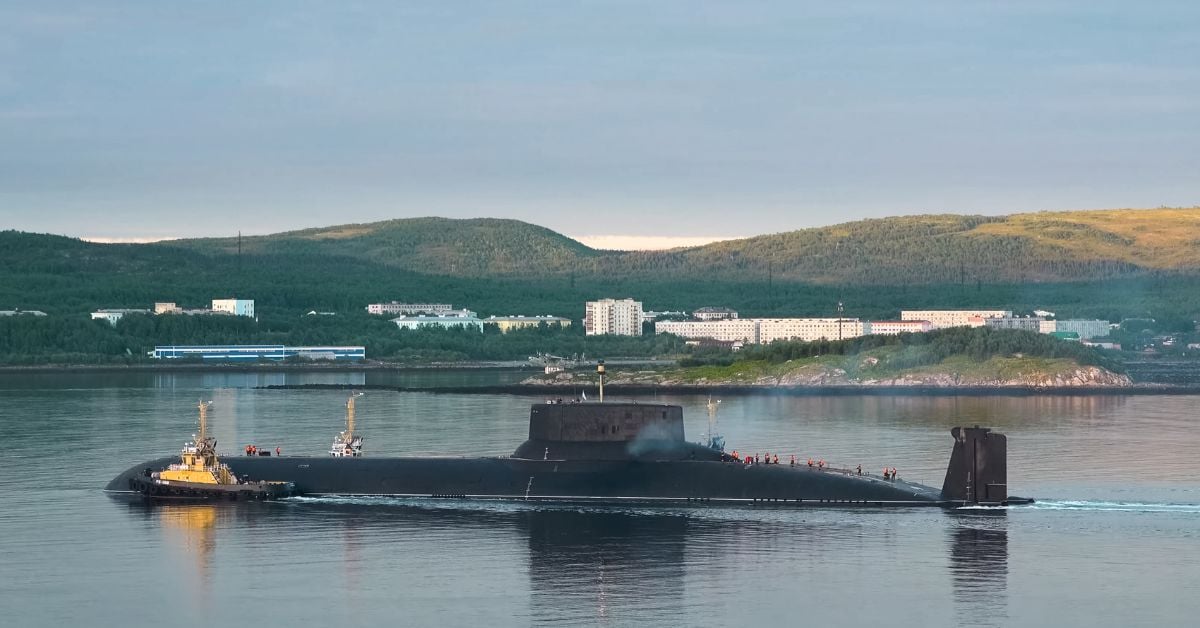
Rising Russian Submarine Activity Demands Enhanced NATO Ocean Intelligence.
A former NATO Commander has flagged the expansion of Russian submarine capabilities as a direct challenge to Atlantic security. This is not a distant concern, it is a measurable shift in naval defence infrastructure demanding calibrated response. Enhanced ocean intelligence, integrating real-time data from seabed to surface, becomes essential. For context, our coverage of the Vostok Project's Arctic oil exports shows how Russia's maritime ambitions extend beyond military posture, linking economic and strategic pressures in the same integrated data ecosystem.
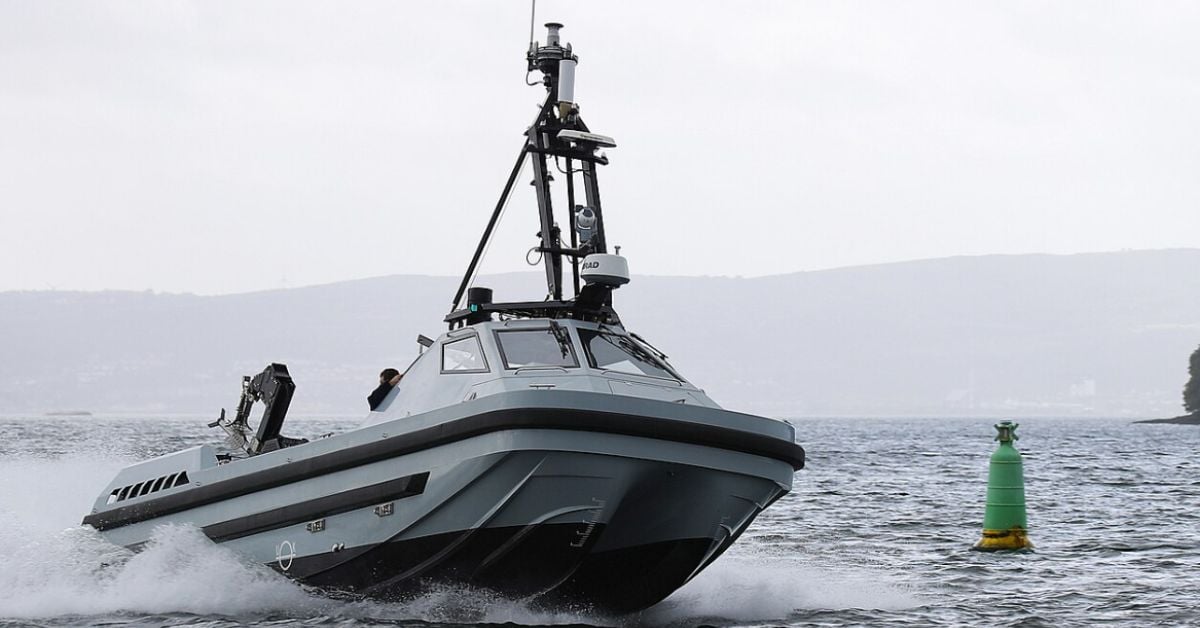
Disputed Incident: Iran Claims Attack on U.S. Unmanned Vessel in Hormuz.
Iran's claim that it attacked an unmanned U.S. vessel in the Strait of Hormuz marks another calculated escalation in a waterway already strained by maximum-capacity oil transfers. The move, framed as a response to a vessel entering a restricted area, underscores how quickly regional tensions can tip into direct confrontation. For a region where phased negotiations and multilateral pressure are already in play, this incident adds a volatile new variable.
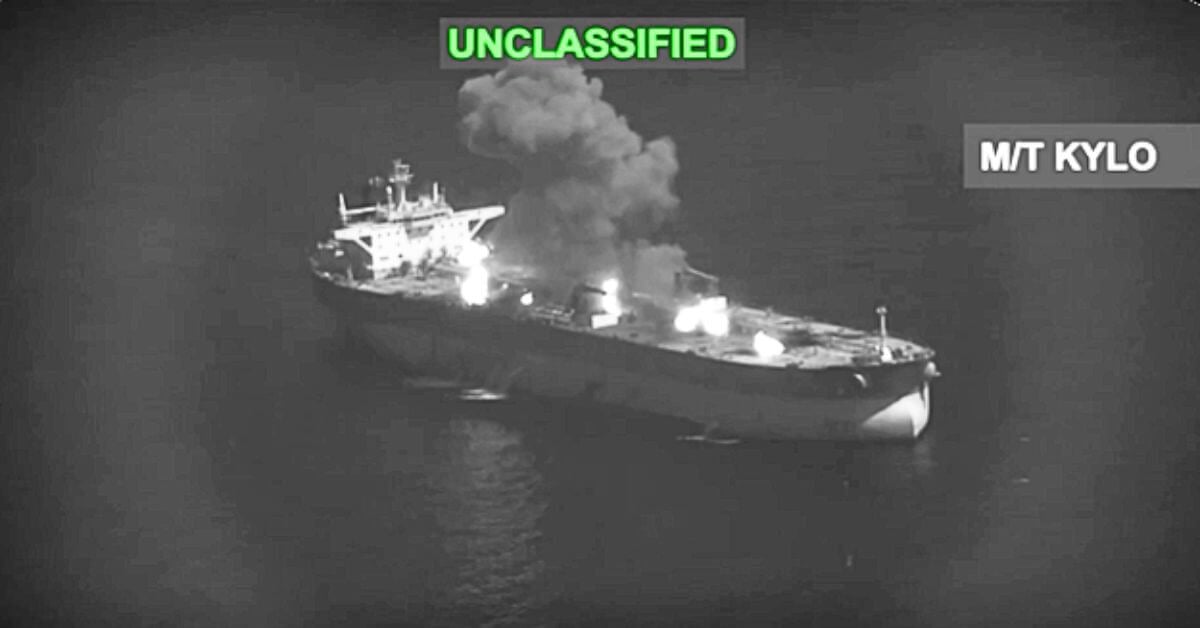
Escalation in the Persian Gulf: U.S. Responds to Iranian Attacks
A U.S. aircraft carrier and a guided-missile destroyer navigated through a series of Iranian attacks in the Persian Gulf without a single American casualty, according to CENTCOM. The outcome reflects precision under pressure, though the episode underscores how fragile maritime security remains in a region where energy flows and geopolitical stakes converge. This incident sits alongside broader tensions, such as those detailed in "Phased Negotiations Aim to Ease Restrictions on Strait of Hormuz," where diplomatic pathways remain tentative yet essential.
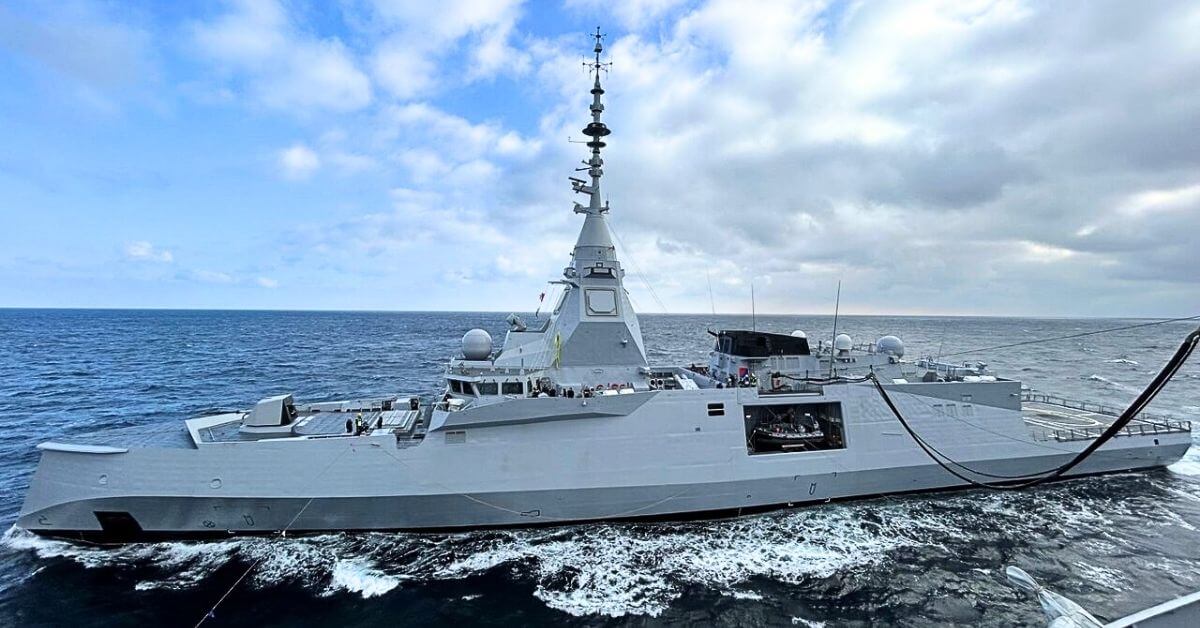
Sweden Bolsters Naval Capabilities with Acquisition of Four Advanced Frigates
Sweden's decision to acquire four advanced frigates marks a measured step toward a stronger naval presence, with the first delivery slated for 2030. These vessels will become the largest in the Swedish fleet, a practical response to shifting maritime realities. The investment signals patience and precision, not panic. For readers tracking parallel developments in naval strategy, our coverage of Russia's Northern Sea Route icebreaker plans offers useful context. Sweden is building capacity deliberately, and that intent is worth watching.
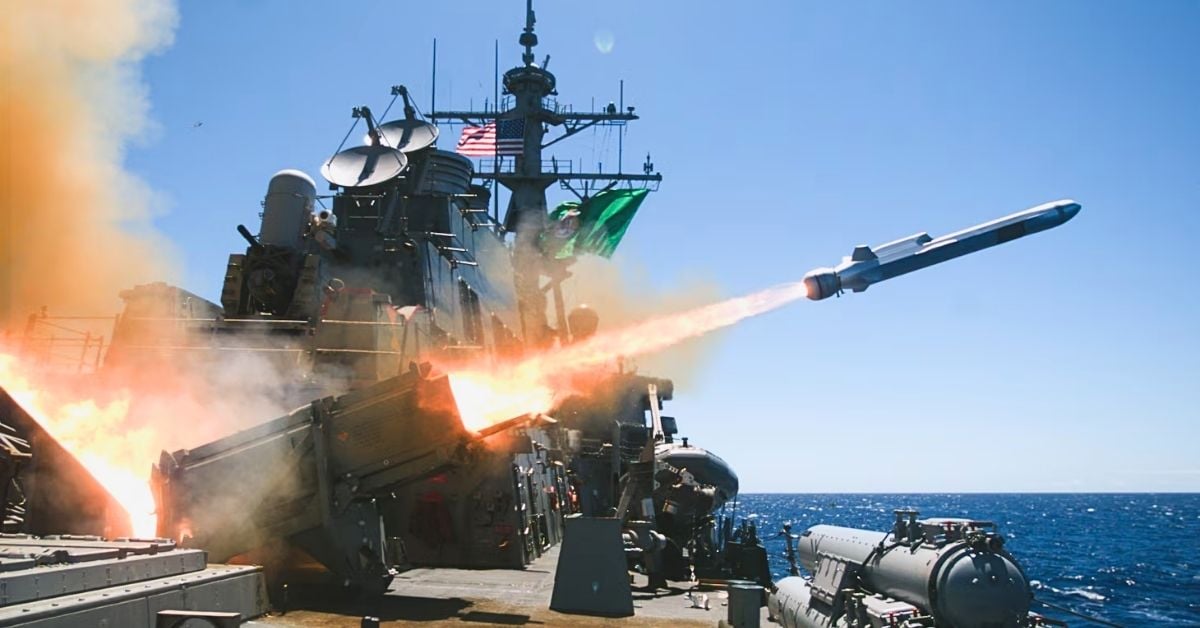
Escalation in Strait of Hormuz: U.S. Strikes Iranian Launchers
The strike on Iranian launchers marks a deliberate escalation, and General Hossein Mohebi's characterization of it as a "fatal mistake" cuts to the core of this high-stakes standoff. We view this not as a miscalculation but as a calculated flex in an economic war where the Strait of Hormuz remains the ultimate bargaining chip. The pressure is compounding, and as our piece on phased negotiations suggests, the window for de-escalation is narrowing. This is a volatile pivot point demanding calibrated responses, not rhetorical fireworks.
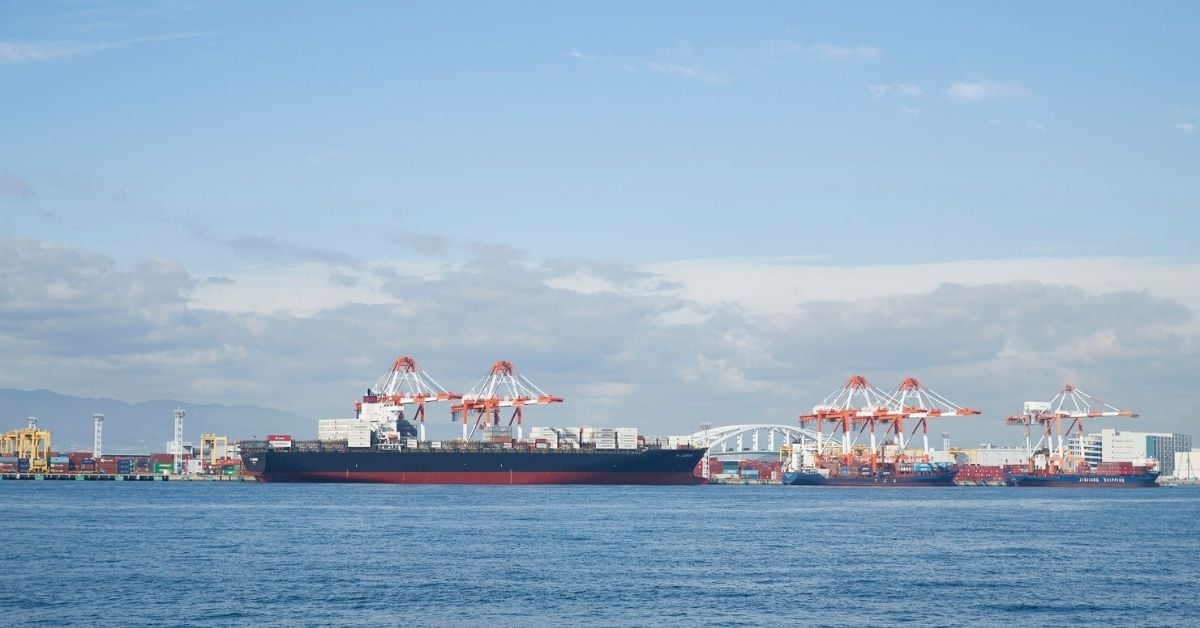
Targeted Strikes Disrupt Ukrainian Grain and Energy Infrastructure.
Russia's latest assault on Ukrainian ports, grain silos, and energy hubs is a deliberate escalation against both civilian resilience and global food security. These coordinated strikes are not collateral damage; they are the target. We should read this as a calculated attempt to degrade infrastructure that sustains both Ukraine's economy and its people's daily lives. The pattern is measurable, and the intent is clear.

Integrated Radar Demonstrates Enhanced Maritime Defense Capabilities in Pacific Dragon
The AN/SPY-6 radar has proven its mettle, completing operational tests alongside allied warships during the Pacific Dragon 2026 exercise. This isn't just another system check; it's a calibrated step forward in integrated maritime defense. The data validates that coordinated, real-time ocean intelligence is within reach. We see this as a practical demonstration of how allied forces can operate as a single, cohesive unit.

UAE Suspends Trade with Iran Following Missile Incident Dispute
The UAE's decision to suspend trade with Iran lands with the weight of a diplomatic ultimatum, though its foundation appears shaky. Esmaeil Baghaei, Iran's foreign ministry spokesperson, dismissed the accusation as baseless, a rebuttal that sharpens rather than resolves the tension. This dispute unfolds against a fragile backdrop of maritime pressure, where the Strait of Hormuz remains a flashpoint. Readers tracking the broader reopening efforts may find context in our related coverage, "Phased Negotiations Aim to Ease Restrictions on Strait of Hormuz.

Heightened Tensions: Iran and US Navigate Strait of Hormuz Instability
A vessel was struck as it departed the Strait of Hormuz on Tuesday, while the UAE reported two ballistic missiles launched from Iran. The incident underscores a fragile moment in a waterway that carries a third of global oil trade. Tension is not new here, but the precision of these actions raises the stakes. For readers tracking the region's shifting dynamics, our coverage of phased negotiations to ease restrictions on the strait offers essential context.

Red Sea Tensions Rise: Houthis Report Strike on Saudi Vessel
The latest Houthi claim of a strike on a Saudi vessel lands with familiar weight, arriving just days after a missile attack killed six crew members aboard the cargo ship *Tihamah* in the Bab al-Mandeb Strait. Each incident tightens the knot on maritime security, and the pattern is measurable. These are not isolated provocations; they are pressure points on a route that sustains global trade.

Hypersonic Advances: China's Missile Capabilities and Taiwan Strait Implications
Beijing's latest test of the YJ-20 hypersonic anti-ship missile from a Type 052D destroyer's vertical launch system signals a calibrated step in maritime strike capability. The platform's integration into a surface combatant extends reach into the Taiwan Strait's contested waters, where measured escalation carries weight. This is not alarmism; it is empirical observation of force modernization. For broader context on regional logistics and connectivity shifts, our piece on record port activity reflects the economic currents running parallel to these military developments.

Red Sea Attack Disrupts Shipping, Impacts Yemeni Communities.
A four-troop and three-civilian death toll in Mokha marks a grim escalation, as the Red Sea attack disrupts shipping and deepens the hardship for Yemeni communities already navigating conflict. This is not a distant maritime statistic; it is a direct blow to local stability and a clear signal that the security of these waters remains fragile. The human cost is immediate, even as the broader economic ripples extend far beyond the shore.

Red Sea Attacks Disrupt Oil Flow, Raising Regional Tensions.
Two more Saudi oil tankers came under attack in the Red Sea, pushing the total since the blockade began to nine. That is not a rounding error; it is a direct strain on a vital shipping lane. Each incident raises the cost of moving crude and tightens an already stretched market. The pattern is clear: regional tensions are now a measurable factor in global oil flow.

US Actions Target Iran's Maritime Revenue Flow Through Strait of Hormuz
The United States and Saudi Arabia have launched joint strikes on Iran-backed groups in Iraq, while Washington's broader pressure campaign targets Tehran's maritime revenue through the Strait of Hormuz. These moves are precise, deliberate, and calibrated to disrupt financial flows without escalating into wider conflict. Pressure this measured can work, but only if it remains consistent. For context on how regional oil movements are already straining, our related piece on Gulf of Oman STS transfers offers useful grounding.

Oman Proposes Transit Fees for Strait of Hormuz, Awaits Response.
Oman's proposal to levy transit fees on Strait of Hormuz traffic introduces a pragmatic, if contentious, lever into one of the world's most vital shipping lanes. The move underscores how maritime chokepoints are becoming instruments of economic statecraft. Iran's simultaneous denial of talks with Washington, paired with its conditional pledge to hold fire, keeps the region's temperature measured but uncertain. Measured dialogue, not alarm, is the path forward.

Red Sea Attack: Ballistic Missiles Intercepted Near Saudi Oil Ports
In Yanbu, two ballistic missiles aimed at Saudi oil installations were intercepted by a U.S.-made Patriot system, a defensive success that underscores the fragile calculus of energy transit in the region. Precision like this matters, yet it also signals how routine such threats have become. For readers tracking the strain on maritime routes, our related coverage on Gulf of Oman STS transfers offers useful context on how these pressures ripple outward. Protection, after all, is only half the equation.

Measured Response: U.S. Calibrates Asset Use for Strait of Hormuz Ship Damages
Sanctions have frozen billions in Iranian assets, with estimates ranging from $24 billion to $100 billion, yet the precise figure remains deliberately imprecise. That ambiguity matters now, as Washington calibrates its use of these holdings to address ship damages near the Strait of Hormuz. The move is measured, not reactionary, and that restraint reflects sound strategy. For readers tracking regional maritime pressure, our related coverage on Gulf of Oman STS transfers maxing out offers useful context.

Red Sea Shipping Disrupted: Houthis Report Missile Strike on Oil Tankers
The Houthis report a missile strike on oil tankers in the Red Sea, adding another layer of disruption to a waterway already strained by conflict. Targeting commercial shipping during the Gaza war, these actions extend beyond drones and hijackings into a broader pattern of risk. The threat is measurable, but so is the response. For context on how tanker traffic is adapting elsewhere, our coverage of Gulf of Oman STS Transfers Max Out Amid Rising Saudi Oil Exports offers a useful counterpoint.