attack
attack at World Data Ocean is a file of 28 stories. The newest of them: “Injured crew evacuated after fire erupts aboard tanker in Strait of Hormuz”, “Attack in the Strait of Hormuz Injures 11 Indian Crew on Panama-Flagged Tanker”, and “Delayed reports confirm five IRGC vessel incidents in the Strait of Hormuz”. A fire and an attack on a tanker in the Strait of Hormuz injured 12 of its 19 crew members, prompting an evacuation confirmed by Oman's Ministry of Defence. A Global Hub for Ocean Intelligence 4 World Data Ocean is a centralized digital platform where researchers, scientists, and ocean enthusiasts converge to… The list below is every attack story on World Data Ocean, newest first.
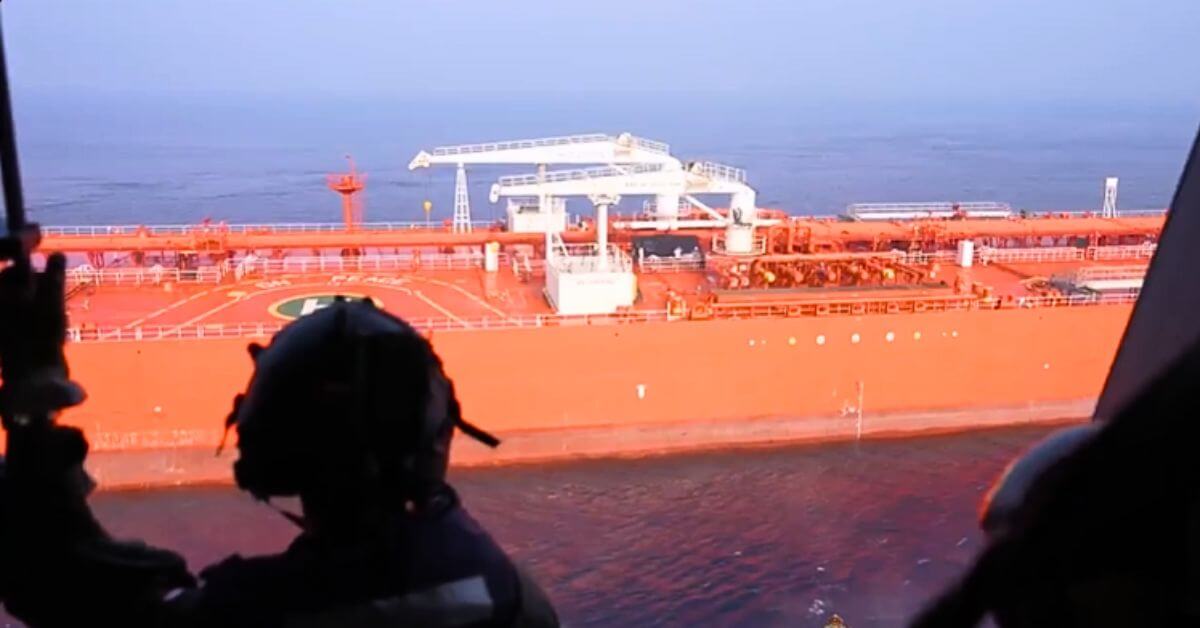
Injured crew evacuated after fire erupts aboard tanker in Strait of Hormuz
A fire and an attack on a tanker in the Strait of Hormuz injured 12 of its 19 crew members, prompting an evacuation confirmed by Oman's Ministry of Defence. This is not an isolated incident. The same volatile waters that demand calibrated maritime security now test the resilience of global trade routes. For deeper context on regional diplomatic efforts, see our coverage of "India Proposes Measured Maritime Truce to Protect Black Sea Shipping."
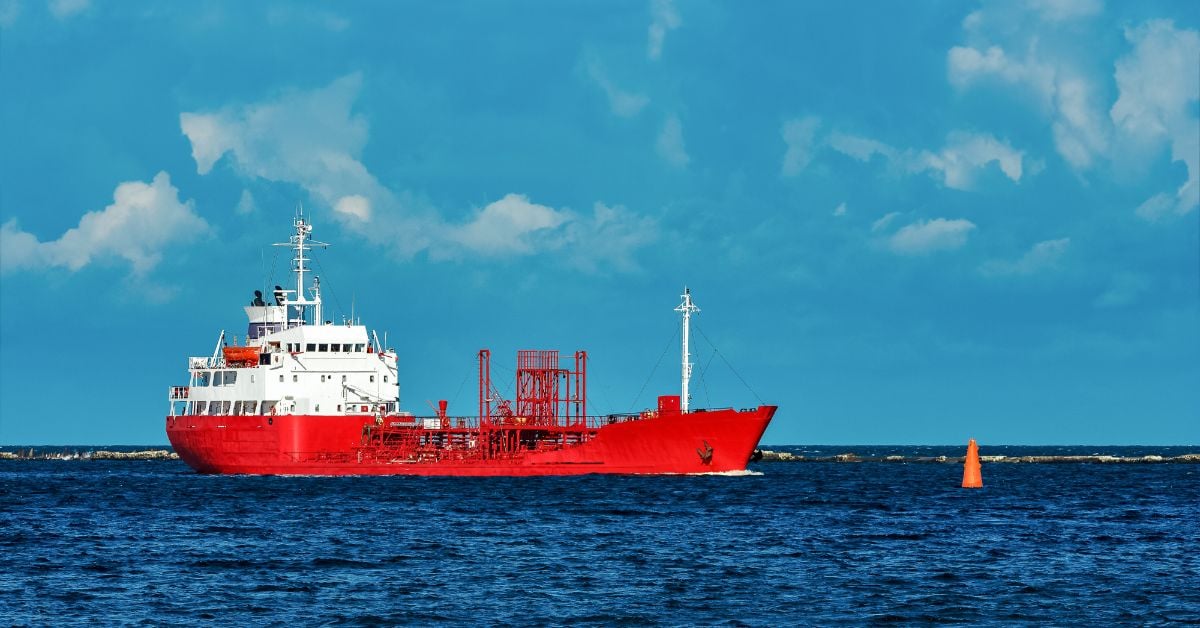
Attack in the Strait of Hormuz Injures 11 Indian Crew on Panama-Flagged Tanker
Eleven Indian crew members were injured in an attack on the Panama-flagged tanker MT On Peace in the Strait of Hormuz. This is not an isolated incident. Our reporting on delayed UKMTO reports confirms five separate IRGC vessel incidents in the same waterway on a single day. Measurable data on these attacks is essential for maritime safety. Understanding these patterns drives protection for the crews who keep global trade moving.
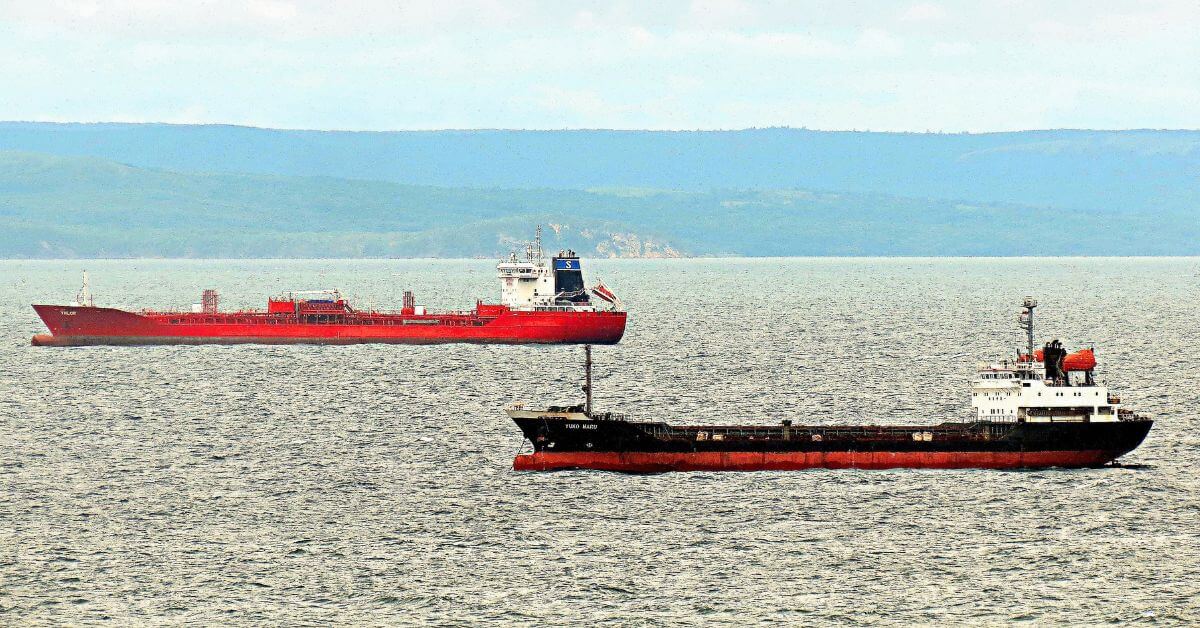
Delayed reports confirm five IRGC vessel incidents in the Strait of Hormuz
Five separate incidents involving IRGC vessels in the Strait of Hormuz were only confirmed after delayed reports reached the UKMTO on October 5, three of them dating back to October 3-4. This lag in reporting raises questions about transparency in one of the world's most critical maritime chokepoints. For broader context on regional maritime shifts, see our coverage of the calibrated movement of 2 million barrels of crude beyond the Strait. Understanding these patterns is essential.
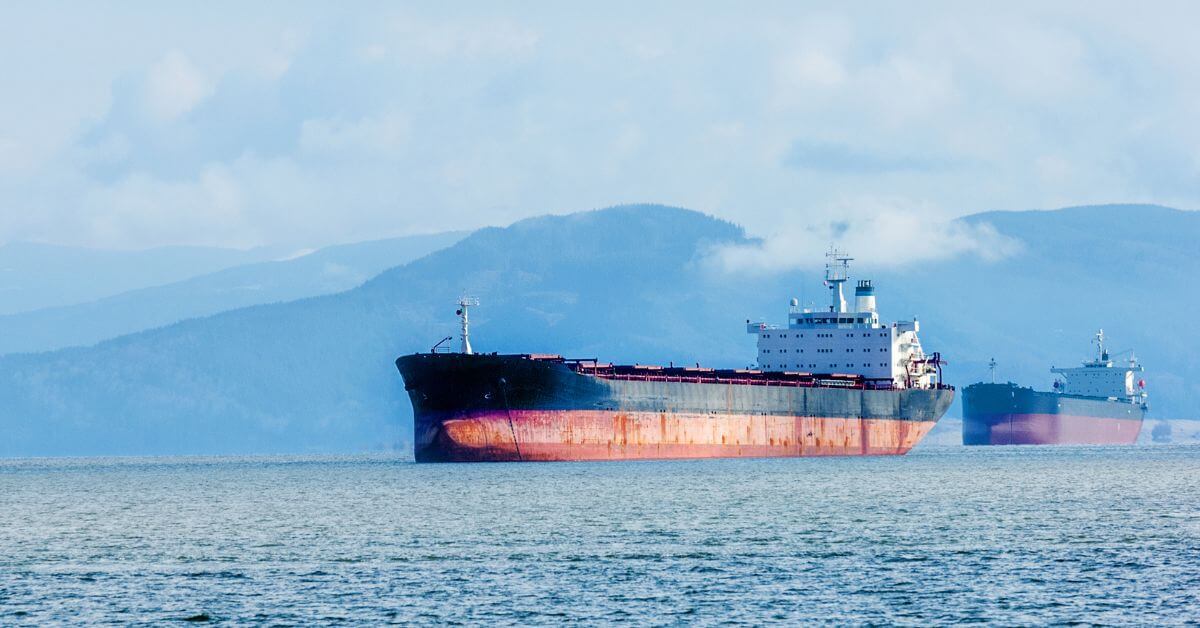
Projectiles Strike Two Tankers Near Strait of Hormuz, UKMTO Reports
Projectiles striking two tankers near the Strait of Hormuz, as reported by UKMTO, underscore the persistent volatility in this critical maritime corridor. Such direct threats to commercial vessels demand rigorous, real-time monitoring and collaborative security frameworks. The incident follows a similar disruption at Yanbu Port, where an unidentified projectile ignited a fire, highlighting a troubling pattern. Understanding these empirical threats is the first step toward developing calibrated responses that protect global shipping and ocean intelligence.
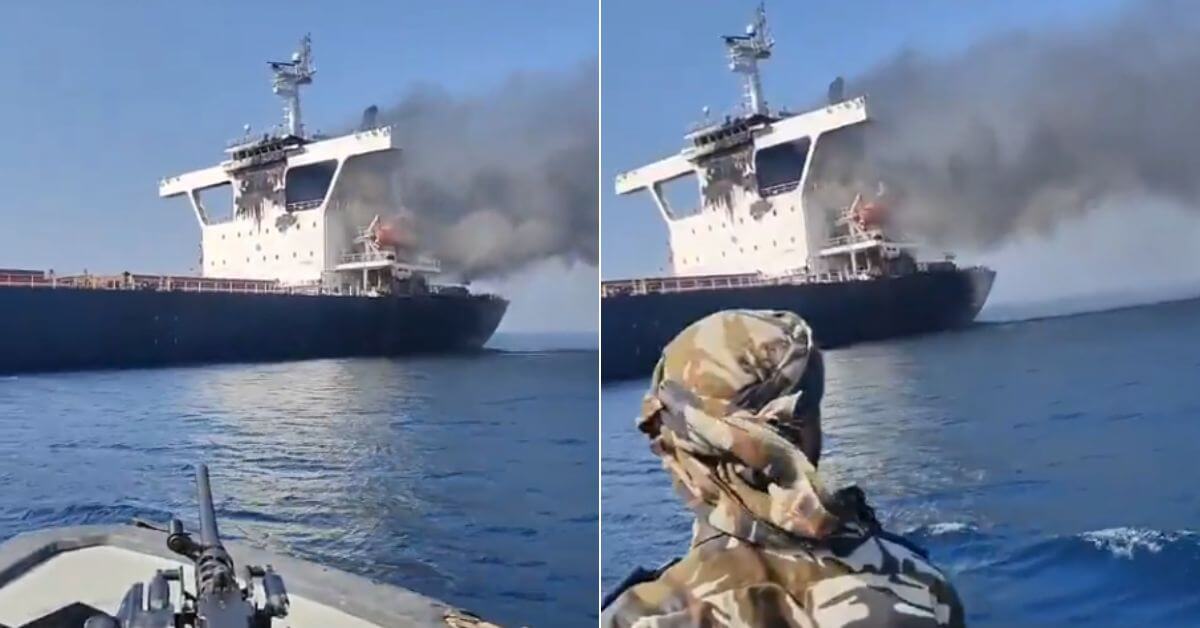
Fatal Attack on Bulk Carrier Near Oman Highlights Maritime Security Risks
The fatal attack on the MV Cape Dao off Oman, which killed an Indian seafarer, is a stark reminder that maritime security remains a pressing global concern. This incident underscores the persistent dangers facing those who move our goods across volatile waters. While our recent coverage of the Gladstone grounding highlighted navigational challenges, this is a violent reminder that crew safety requires constant vigilance.
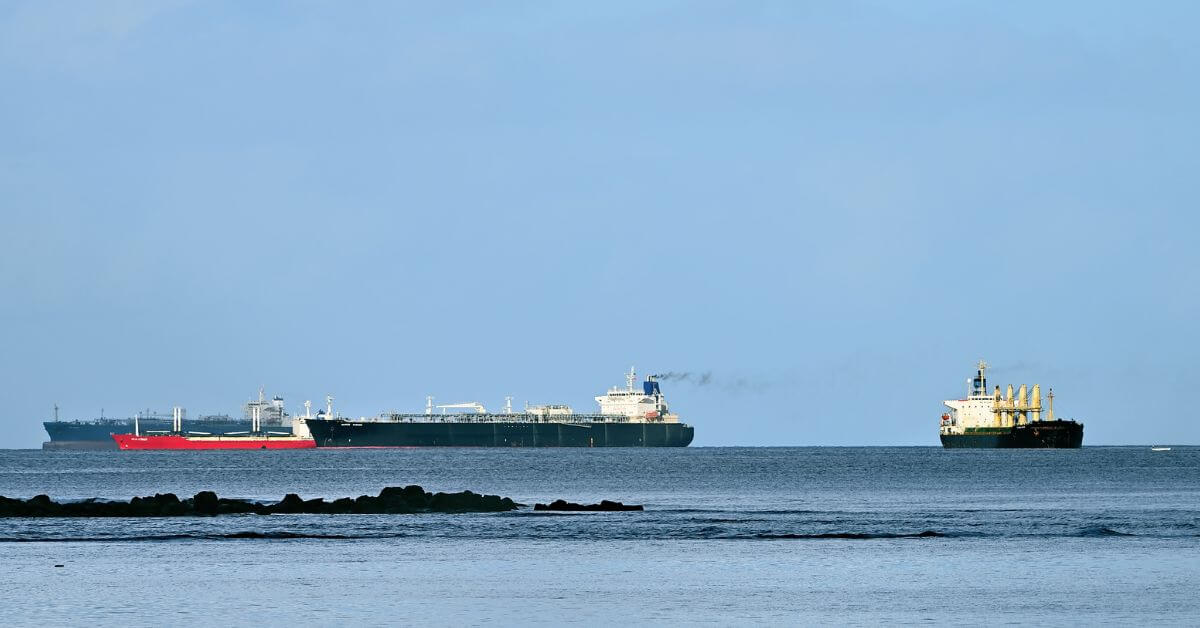
Strait of Hormuz Incidents Prompt Inquiry Into Tanker Impacts
Two tankers were struck by an unknown projectile or debris in the Strait of Hormuz on Monday, reigniting questions about the vulnerability of commercial shipping in one of the world's most vital waterways. The incident demands empirical scrutiny, not speculation, as we assess the measurable risks to vessels and crews. This is precisely why our coverage, including the recent report on Gulf of Oman STS transfers maxing out, must remain grounded in validated, real-time data.
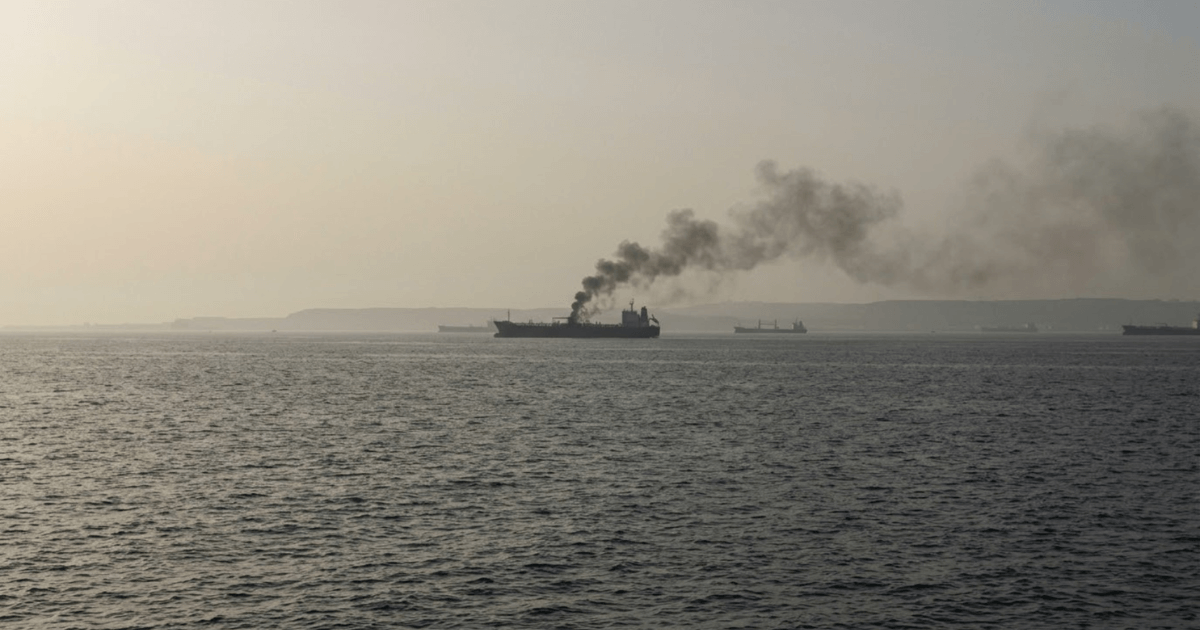
Shipping Incident Near Hormuz Raises Regional Tensions, Claims One Life.
A commercial vessel was struck off Qeshm Island in the Strait of Hormuz, killing one crew member. Iran now prepares to brief regional powers on shipping control. This incident raises tensions along a waterway already strained by capacity, our related coverage on Gulf of Oman STS Transfers Max Out Amid Rising Saudi Oil Exports underscores the logistical pressure. Measurable maritime data matters here: safety and security are empirical conditions, not abstractions. Understanding drives protection.

Shipping Caution Advised: Incident Near Strait of Hormuz Impacts Transit
The UKMTO's warning on September 10 is a measured but necessary response to an incident near the Strait of Hormuz. Vessels in that corridor now face heightened risk, and the call for cautious transit and reporting of suspicious activity reflects a reality we cannot ignore. This is not alarmism, it is empirical caution. For deeper context on the pressures shaping this waterway, our article "Phased Negotiations Aim to Ease Restrictions on Strait of Hormuz" examines the diplomatic efforts underway. Understanding drives protection.

Black Sea Attack Damages Tugboat, Claims Lives of Two Seafarers
A Black Sea attack has damaged the tugboat *Tedy* and claimed the lives of two seafarers, Ukraine's Ministry of Recovery, Infrastructure and Transport confirmed. This is a grim reminder that maritime conflict exacts a human toll beyond geopolitical headlines. Each casualty is a preventable failure of ocean stewardship. For broader context on Russia's maritime strategy, see our coverage of the Vostok Project's Arctic oil exports. Understanding these interconnected dynamics demands empirical, not emotional, analysis.
Incident Aboard Tanker Near Dubai Results in Fatality, One Missing.
A single death and a missing crew member now mark an incident aboard a tanker at anchor near Dubai. Peninsula confirmed the fatality but has not disclosed its cause. Maritime safety demands transparency, and the silence here is notable. For broader context on recent vessel emergencies, readers may turn to our coverage of the cargo ship fire near Mykonos. Each incident underscores the persistent risks at sea and the need for rigorous, empirical investigation.
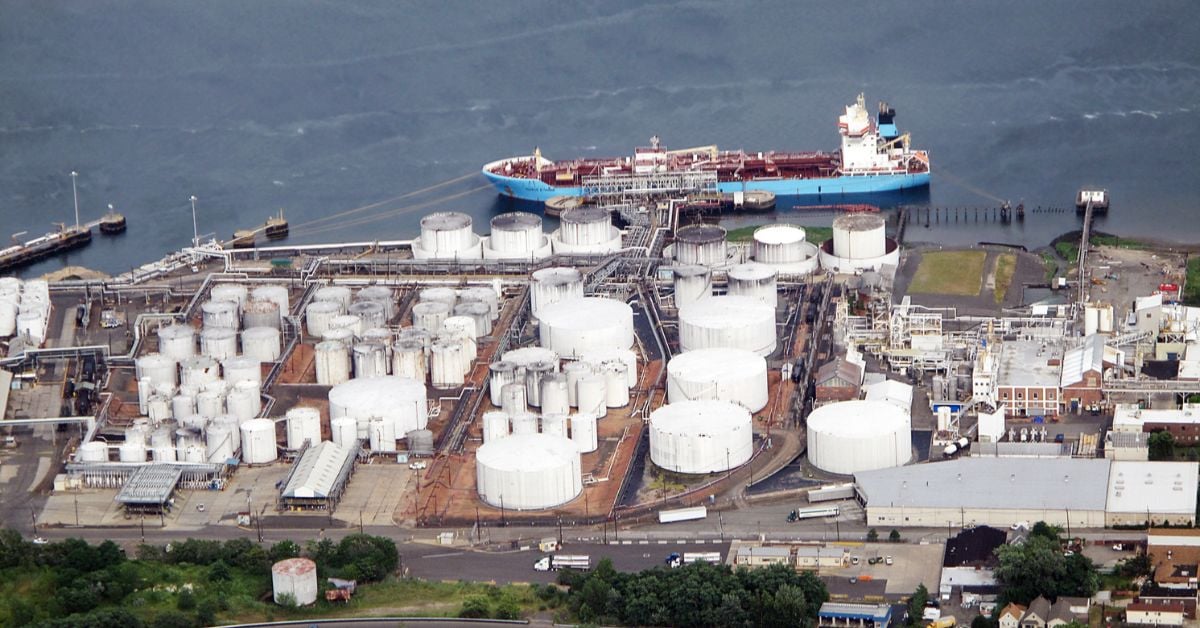
Attacks Disrupt Saudi Oil Operations; Regional Instability Intensifies.
Houthi attacks struck southern Saudi Arabia, including an Aramco oil refinery, disrupting operations and intensifying regional instability. These strikes underscore the fragility of energy infrastructure in contested zones. Measurable impacts on global oil flows demand calibrated monitoring. For deeper context on shifting maritime pressures, see our related coverage of Gulf of Oman STS transfers maxing out amid rising Saudi exports. Understanding these disruptions is essential, protection begins with empirical awareness.
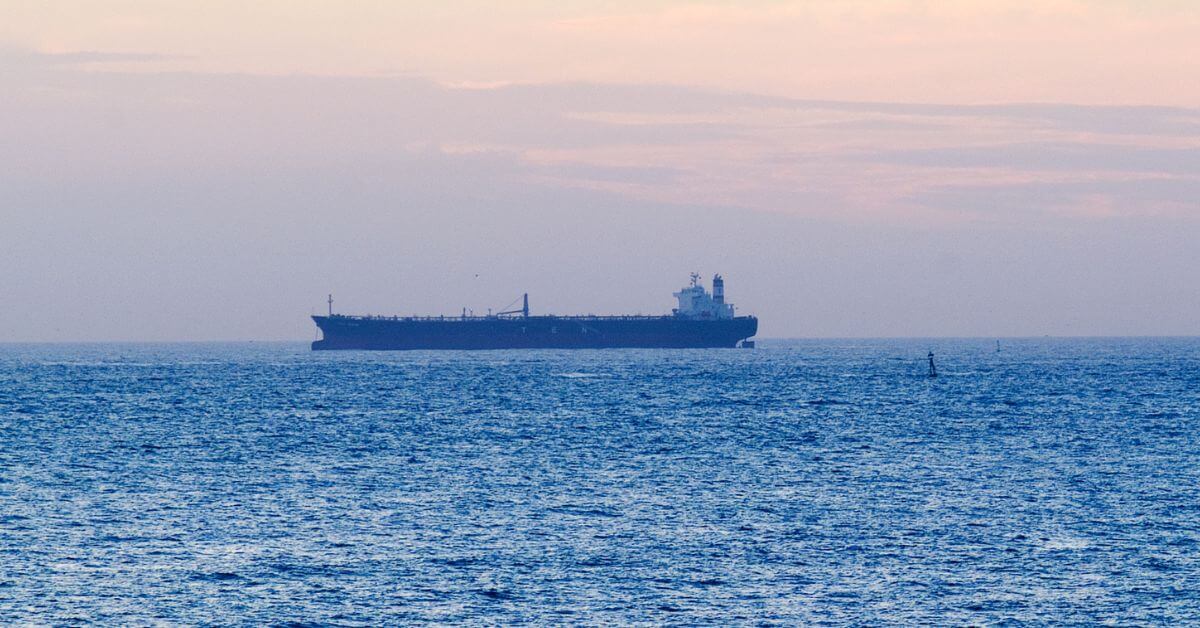
Strait of Hormuz Attack: Incident Highlights Regional Maritime Risks
Two Filipino crew members were killed in the attack on a Bahri vessel near the Strait of Hormuz. This is not an isolated incident; it is a measurable data point in a region where maritime risks are escalating. The human cost is validated by empirical reports from Saudi Arabia's shipping company. Understanding these threats drives protection of global trade routes. For deeper context, our article "Gulf of Oman STS Transfers Max Out Amid Rising Saudi Oil Exports" examines related capacity pressures.
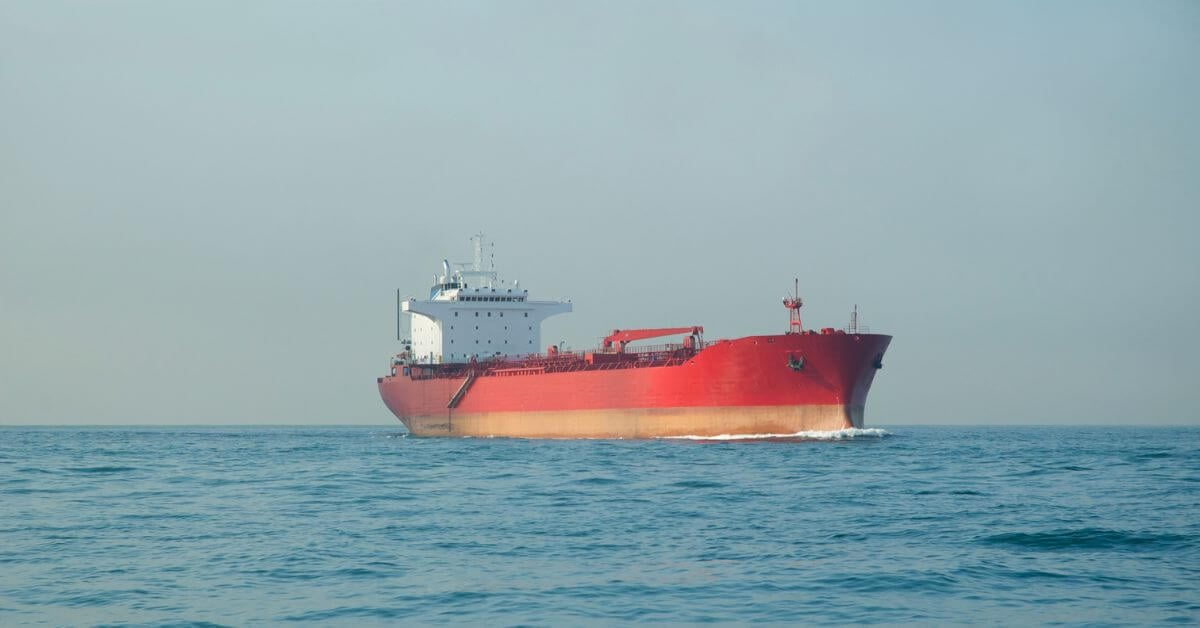
Strait of Hormuz Attack Claims Lives of Two Filipino Seafarers
Three projectiles struck a tanker leaving the Strait of Hormuz on Aug. 31, claiming the lives of two Filipino seafarers, according to the UK Maritime Trade Operations. The attack underscores a volatile corridor where commercial risk and geopolitical friction converge. Every incident here carries measurable human cost, not just tonnage delays. For context on how regional dynamics shape these waters, our coverage of phased negotiations to ease Strait restrictions offers a deeper look at what is at stake diplomatically.

Maritime Interdiction Nets 5.9 Tonnes of Hashish, Ten Apprehended
Spanish authorities have arrested 10 suspected traffickers and seized 5,926 kilograms of hashish in an operation that also netted two high-speed narco boats. The interdiction underscores the persistent challenge of maritime drug routes, where speed and volume test coastal surveillance. Effective enforcement depends on such coordinated strikes, yet the scale here signals deeper logistical networks at play. For broader context on maritime security pressures, our coverage of Russian Maritime Activity Raises Concerns of Drone Operations in Mediterranean offers a useful parallel.

Fatal Attack on Bulk Carrier Highlights Strait of Hormuz Risks
The Strait of Hormuz claimed another life on August 17, when an attack on the Liberian-flagged bulk carrier Minoan Dignity killed a seafarer transiting the waterway. This is not an abstract statistic; it is a tangible cost of escalating risk in a passage that underpins global energy flows. The loss underscores how precarious maritime security has become.

Danube Port Strike Disrupts Cargo Flow, Impacts International Shipping.
Russia's Defence Ministry confirmed strikes on military targets at the Danube port, including a terminal unloading vessels carrying military cargo. The disruption to cargo flow sends a clear signal about how port infrastructure now sits at the front line of this conflict. For shippers and insurers, the ripple effects are immediate, and the pressure on alternate routes will only grow. For deeper context on regional maritime risks, our related coverage on drone operations in the Mediterranean offers a broader view.

Attack on Cargo Ship Near Yemen Claims 6 Lives, Injures 10
A second strike on the cargo ship Tihamah near Yemen has killed six people and injured ten, with four crew members dying in the initial attack and two rescuers killed in a subsequent hit. These are not abstract numbers; they are lives lost in a volatile corridor. The incident underscores how fragile maritime security remains in the region, a reality that demands rigorous, data-driven monitoring.

Red Sea Attack Highlights Risks to Maritime Trade and Seafarer Safety
The latest attack in the Red Sea and Gulf of Aden is a pointed reminder that maritime trade routes remain dangerously exposed. As Mr. Arsenio Dominguez noted, the location is particularly troubling, and we agree. These waters are not abstract lines on a chart; they are arteries for global commerce, and each incident endangers lives and supply chains. This follows the Gulf of Oman STS transfers maxing out, a clear signal of mounting pressure. The pattern is measurable, and it demands calibrated, not reactive, responses.

Fatal Strike on Wheat Carrier Highlights Black Sea Shipping Risks
The attack on the Guinea-Bissau-flagged bulker carrying Ukrainian wheat marks a fatal escalation, killing one crew member and underscoring the mounting dangers in Black Sea shipping lanes. This is not a distant geopolitical abstraction; it is a direct threat to maritime safety and global food security. The loss of life demands accountability, and the risks to commercial vessels are now impossible to ignore. For deeper context on Russia's broader maritime tactics, see our related piece on Russian drone operations in the Mediterranean.

Uncrewed Vessel Incident Leads to Ship Sinking Near Yemen
A ship sank off the Yemeni coast after an unknown uncrewed surface vessel targeted it, the United Kingdom Maritime Trade Operations confirmed. The incident underscores a troubling escalation in maritime threats that now extend beyond crewed attacks. Our coverage of Gulf of Oman STS transfers maxing out amid rising Saudi exports shows how regional instability and shifting trade patterns are forcing vessels into riskier operational territory. This sinking is a stark reminder that ocean intelligence must now account for autonomous threats.

Strait of Hormuz Attack: Search Underway for Missing Engineer
The Strait of Hormuz is narrow, strategic, and now the site of a search for a missing engineer. The third engineer of the Liberian-flagged bulk carrier Minoan Pioneer has gone missing following an attack on the vessel. The human cost is immediate, even as the geopolitical currents shift around this waterway. While negotiations aim to ease restrictions, the reality of risk remains.

Oman Incident: Explosion Near Tanker Highlights Regional Maritime Risks
An explosion was heard near an oil products tanker approximately 20 nautical miles northeast of Khasab, Oman, at 4:37 am on Monday, underscoring the persistent volatility shadowing regional shipping lanes. The incident, while brief, is a measured reminder that maritime transit here remains exposed to sudden, destabilizing events. Such moments demand calibrated observation, not alarm. For context on how these waters are already straining under pressure, our related piece on Gulf of Oman STS transfers maxing out offers useful perspective.

Attack on Unmanned Vessel Highlights Escalating Risks in Black Sea
The attack on an unmanned vessel in the Black Sea, which left the wheelhouse smoking, underscores a stark reality: no asset is off-limits in this escalating conflict. That the ship was empty and crewless only sharpens the question of what target comes next. This incident does not exist in isolation. Our related coverage, including "Strikes Target Ports and Vessels in Confirmed Military Action," shows a deliberate pattern of targeting maritime infrastructure.

Red Sea Incident: Vessel Fire Follows Houthi Blockade Announcement
A fire aboard a vessel in the Red Sea has followed the Houthi rebels' announcement of a naval blockade on Saudi Arabia, escalating a volatile maritime corridor. The move signals a deliberate tightening of pressure on shipping lanes that carry global trade. We read this as a calculated escalation, not a casual threat. For context on how these disruptions ripple outward, our related piece, "Eighty Nations Urge Reopening of Vital Strait of Hormuz Shipping Lane," details the diplomatic stakes.