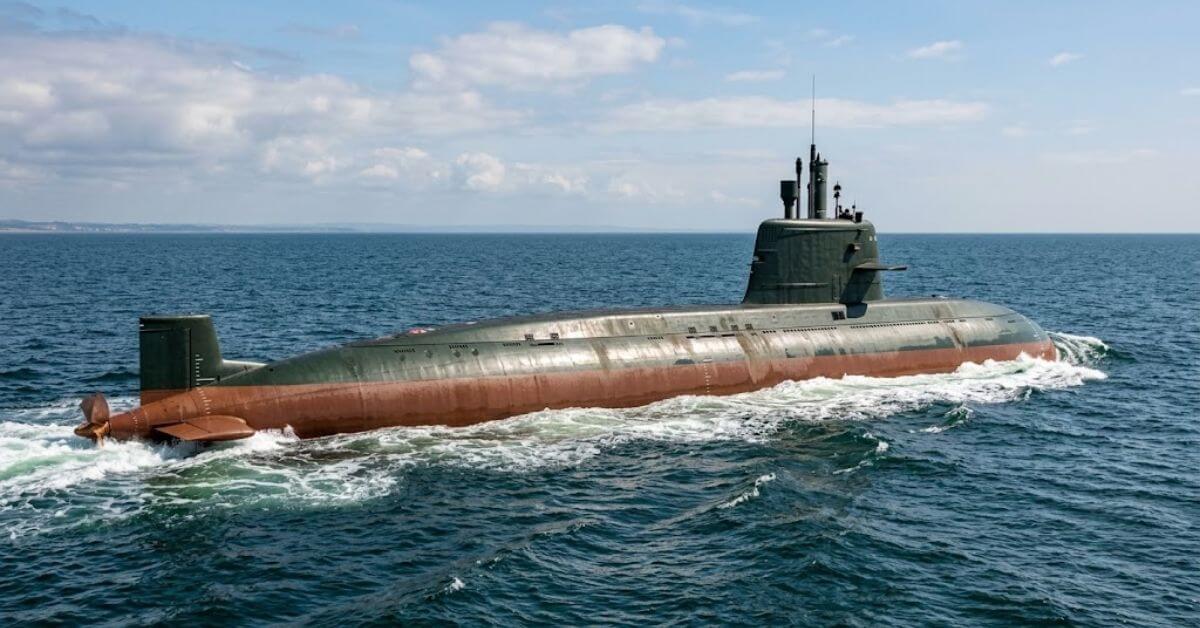
On September 27, PNS/M *Hangor* validated a long-range strike capability in the Arabian Sea, hitting a designated target with precision. This demonstration of naval power projection occurs against a backdrop of regional tensions and critical energy logistics. Just weeks ago, Negotiations Clear Strait of Hormuz for LNG Delivery to Pakistan secured a vital fuel shipment, underscoring how directly maritime security affects energy supply chains. Meanwhile, a parallel display of supersonic missile capability during a Taiwanian Exercise Validates Supersonic Missile Capability Against Naval Target shows that precision strike validation is a global trend, not an isolated event. These are not abstract tests; they are calibrated demonstrations of what nations can do when measured operational requirements meet technological readiness.
For our readers, whether you model maritime risk, track naval procurement, or advise on regional stability, this event carries empirical weight. The *Hangor* test is not about one submarine or one missile. It is about validating an integrated kill chain: detection, targeting, launch, and impact over a long-range distance in a contested environment. That is a measurable capability. When Pakistan's ISPR states that the target was hit, it signals that the system has moved beyond concept into a repeatable, peer-reviewed operational reality. The timing also matters. Coming after the Strait of Hormuz negotiation and amid ongoing naval standoffs, recall the Naval Standoff: Tensions Rise as Pakistan Accuses India Near EEZ, this test adds a layer of confirmed capability to a region where deterrence and escalation risks are already in play.
The key takeaway is this: validated long-range maritime strike capability changes the risk calculus for any naval force operating in the Arabian Sea. It compresses decision timelines for fleet commanders and raises the cost of miscalculation near exclusive economic zones. For those tracking climate indicators or ocean intelligence, the connection may seem indirect, but the principle is the same, what gets measured, validated, and integrated into real-time operations becomes a factor in every subsequent calculation. Whether it is an LNG tanker's transit or a naval patrol's route, the presence of a confirmed strike capability is a data point no analyst should ignore.
What we will be watching next is whether Pakistan releases any telemetry or independent verification of the missile's flight profile. A validated capability is one thing; a transparent, peer-reviewed record of its performance is what transforms a military test into a strategic signal. Without that, the ocean remains a source of intelligence we have to interpret, not just observe.