submarine
World Data Ocean keeps submarine in one place: 25 stories so far. The section currently leads with “Below the surface: crafting a scientifically credible deep-sea drama”, “Counter-Drone Electronic Warfare Now Protects Guided-Missile Submarine USS Ohio”, and “France Validates M51.3 Ballistic Missile in Submarine Test Launch”. A three-person crew living weeks at depth in a submersible is absolutely possible, but the vessel matters enormously. The USS Ohio now carries counter-drone electronic warfare capabilities, marking a measured evolution in undersea force protection. A Global Hub for Ocean Intelligence 4 World Data Ocean is a centralized digital platform where researchers, scientists, and ocean enthusiasts converge to… The list below is every submarine story on World Data Ocean, newest first.
Below the surface: crafting a scientifically credible deep-sea drama
A three-person crew living weeks at depth in a submersible is absolutely possible, but the vessel matters enormously. You are describing a research submarine, not a deep-diving submersible, those are built for hours, not days. Research submarines like the *Alvin*-class or *DSV Limiting Factor* can support crews for extended missions at depths around 4,500 to 6,000 meters. With three people, every role is covered: one pilot, one science lead, one engineer.
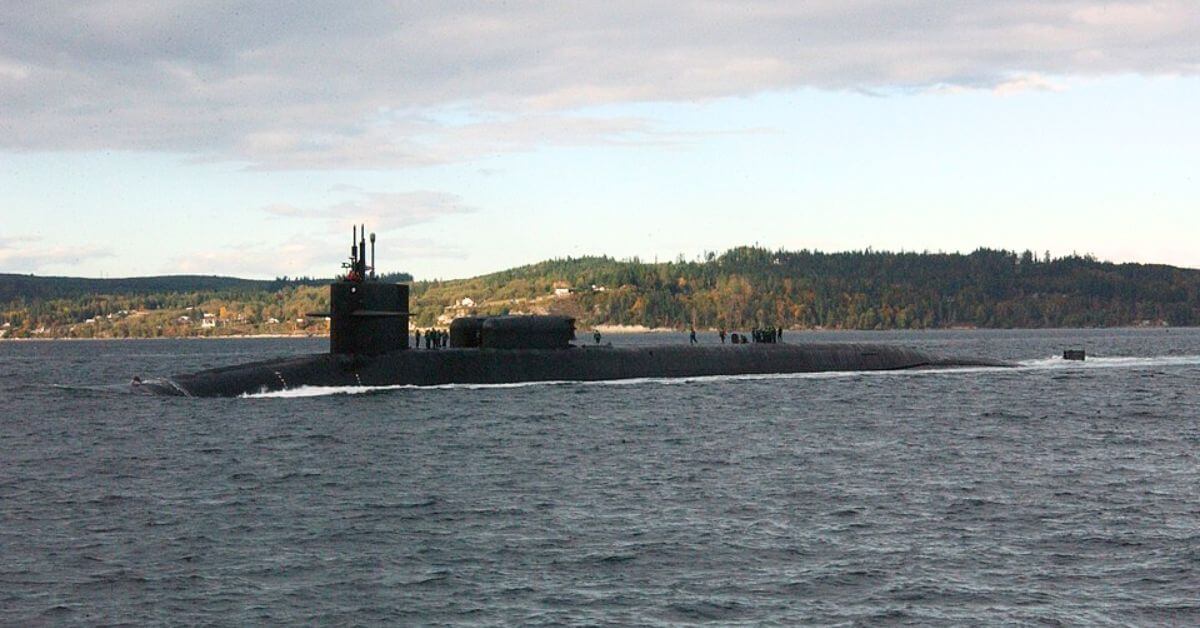
Counter-Drone Electronic Warfare Now Protects Guided-Missile Submarine USS Ohio
The USS Ohio now carries counter-drone electronic warfare capabilities, marking a measured evolution in undersea force protection. A guided-missile submarine's value has always depended on stealth and precision; adding layered defense against uncrewed threats reflects a realistic assessment of modern battlespace risks. The Navy continues integrating validated, real-time systems across its fleet, from forward-deployed destroyers to strategic assets. Readers tracking allied uncrewed target engagement in the Gulf of Bothnia will recognize the pattern: maritime defense is adapting, empirically, to what drones have changed.
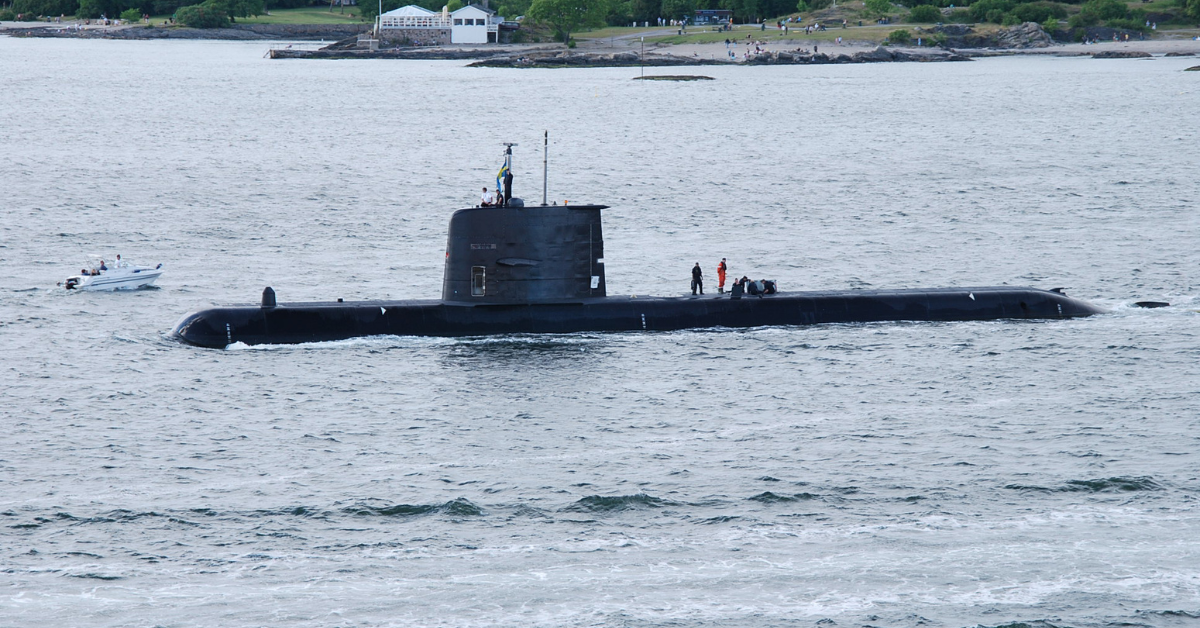
France Validates M51.3 Ballistic Missile in Submarine Test Launch
France's successful test launch of the M51.3 ballistic missile from a submarine off Brittany is a calibrated demonstration of strategic deterrence, weeks after President Macron pledged to counter Russia's hybrid attacks. This validated, peer-reviewed capability underscores the measurable role of naval power in global security. For context on maritime vulnerabilities, see our coverage of the Black Sea incident raising urgent questions on safety and climate risk.
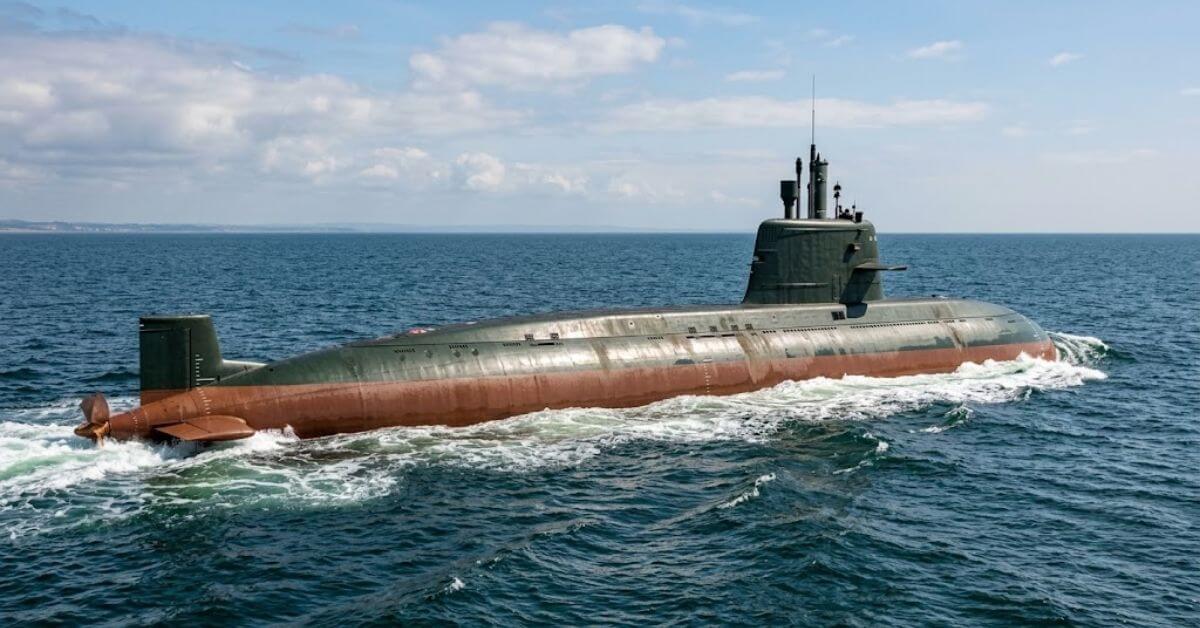
Validated long-range strike capability demonstrated in Arabian Sea test
Pakistan has validated a long-range strike capability in the Arabian Sea, with PNS/M *Hangor* hitting a designated target on September 27. This demonstration of calibrated, measurable naval power underscores the importance of integrated defense systems in a region defined by strategic chokepoints. For broader context on maritime security in these waters, our report on negotiations clearing the Strait of Hormuz for LNG delivery to Pakistan offers parallel insight. Understanding drives protection, both on the surface and beneath it.
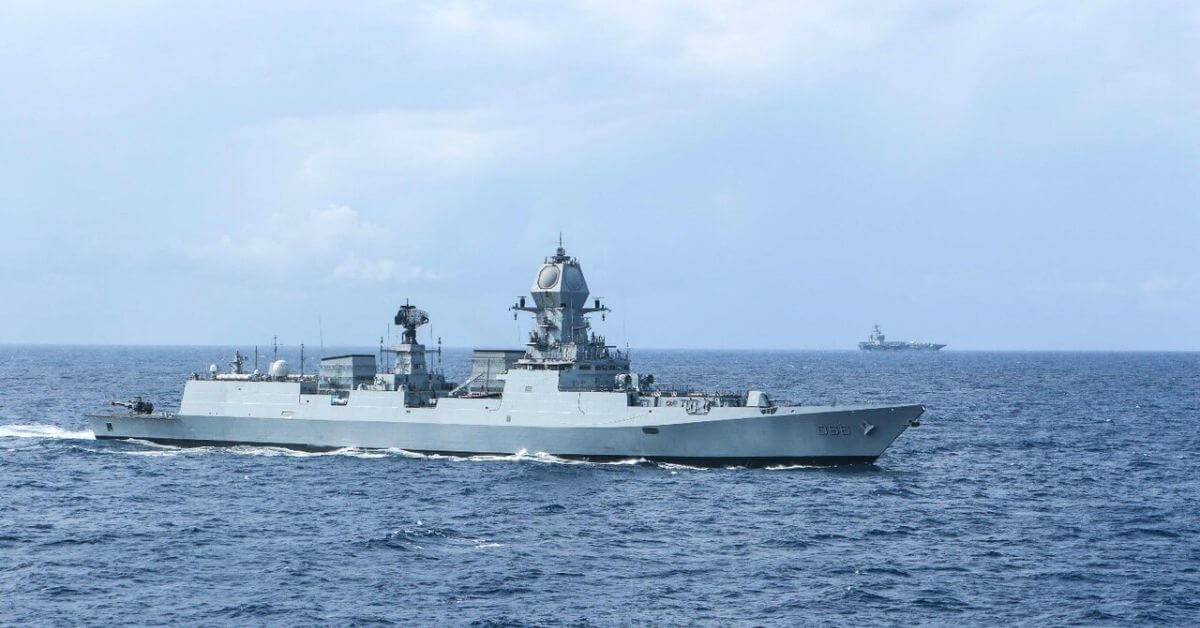
India Projects Expanded Naval Fleet to Navigate Evolving Maritime Landscape
The Indian Navy is planning for around 230 ships by 2040-2045, a clear signal of how seriously it views the region's shifting power dynamics. This is not about expansion for its own sake; it is calibrated preparation for a more contested maritime environment. Strategic foresight like this matters, especially as related coverage on domestic amphibious innovation highlights where that future capability is heading. Measured, deliberate, and backed by long-term thinking, this is the kind of planning that turns maritime ambition into real operational readiness.
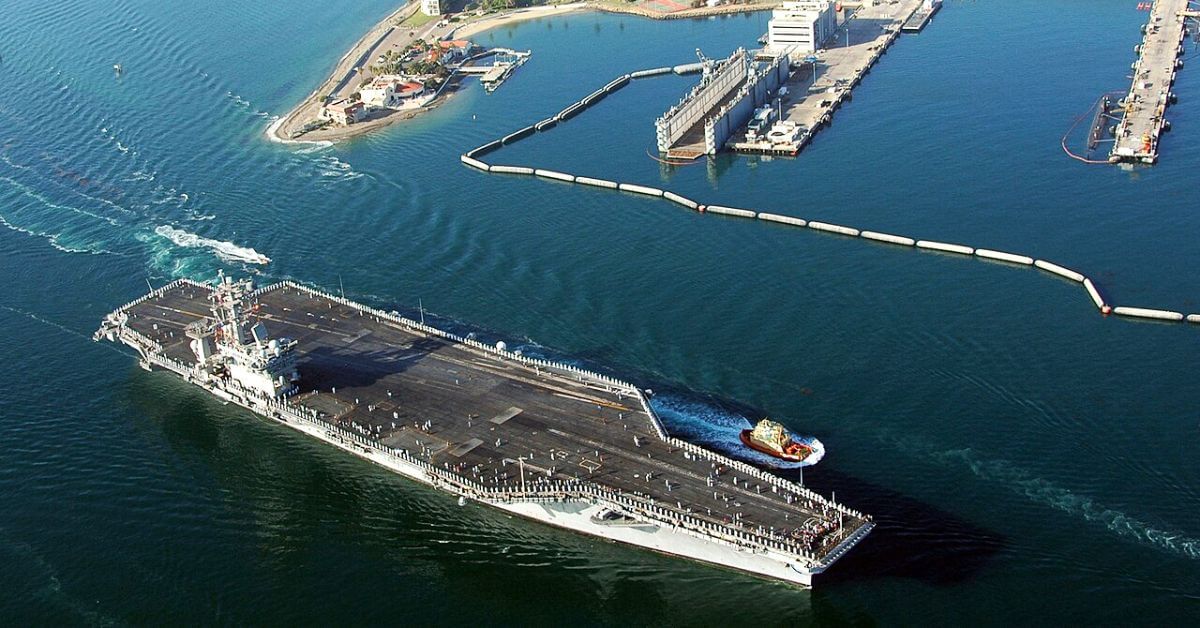
Navy Implements Electrical Safety Measures, Bans Portable ACs at San Diego Barracks
Safety protocols at San Diego's Building 635 now require sailors to unplug portable air conditioners, following a memo issued Aug. 31 with a one-week removal deadline. The measure prioritizes electrical integrity over comfort, a practical trade-off in aging barracks infrastructure. While the summer heat makes the timing uncomfortable, operational readiness depends on mitigating fire and power risks before they escalate. For context on how the Navy approaches long-term capability challenges, our coverage of India's expanded fleet projections offers a broader look at maritime strategic planning.
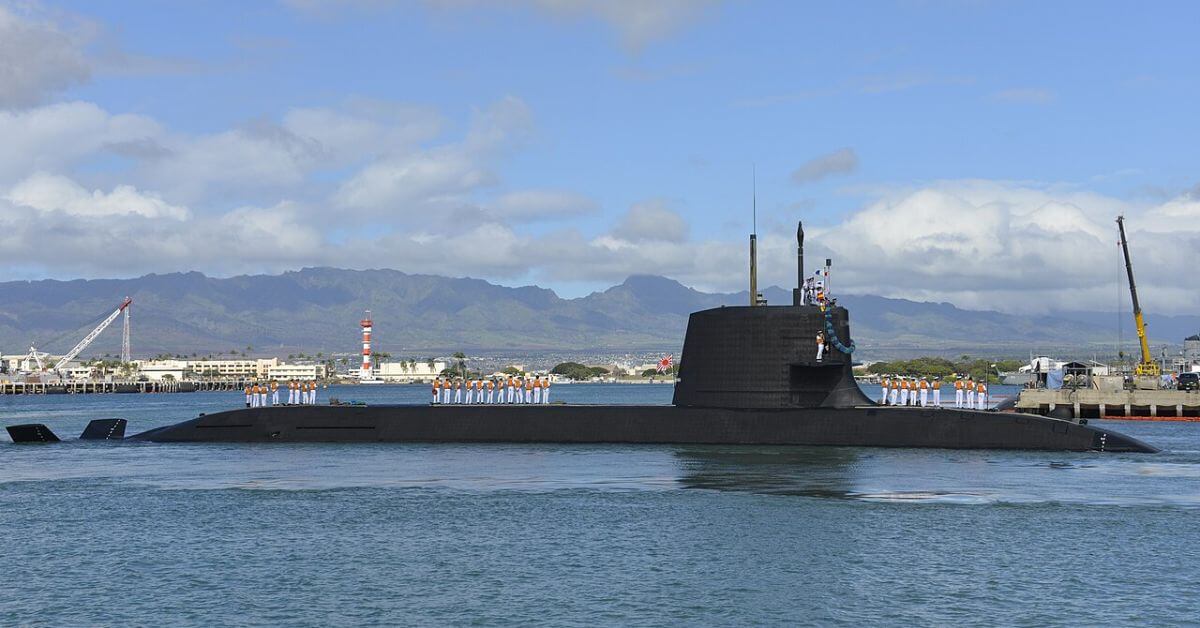
Quantum Sensors on Drones Enhance Underwater Surveillance Capabilities
Quantum sensors mounted on low-cost drones could bring a new layer of precision to underwater surveillance, operating directly from warships near the sea surface. This is practical innovation with measurable impact. The approach pairs validated technology with operational simplicity, strengthening maritime awareness where it matters most. For broader context on regional maritime pressures, our coverage of Gulf of Oman STS transfers offers useful perspective. Understanding drives protection, and this capability moves that principle closer to real-world deployment.
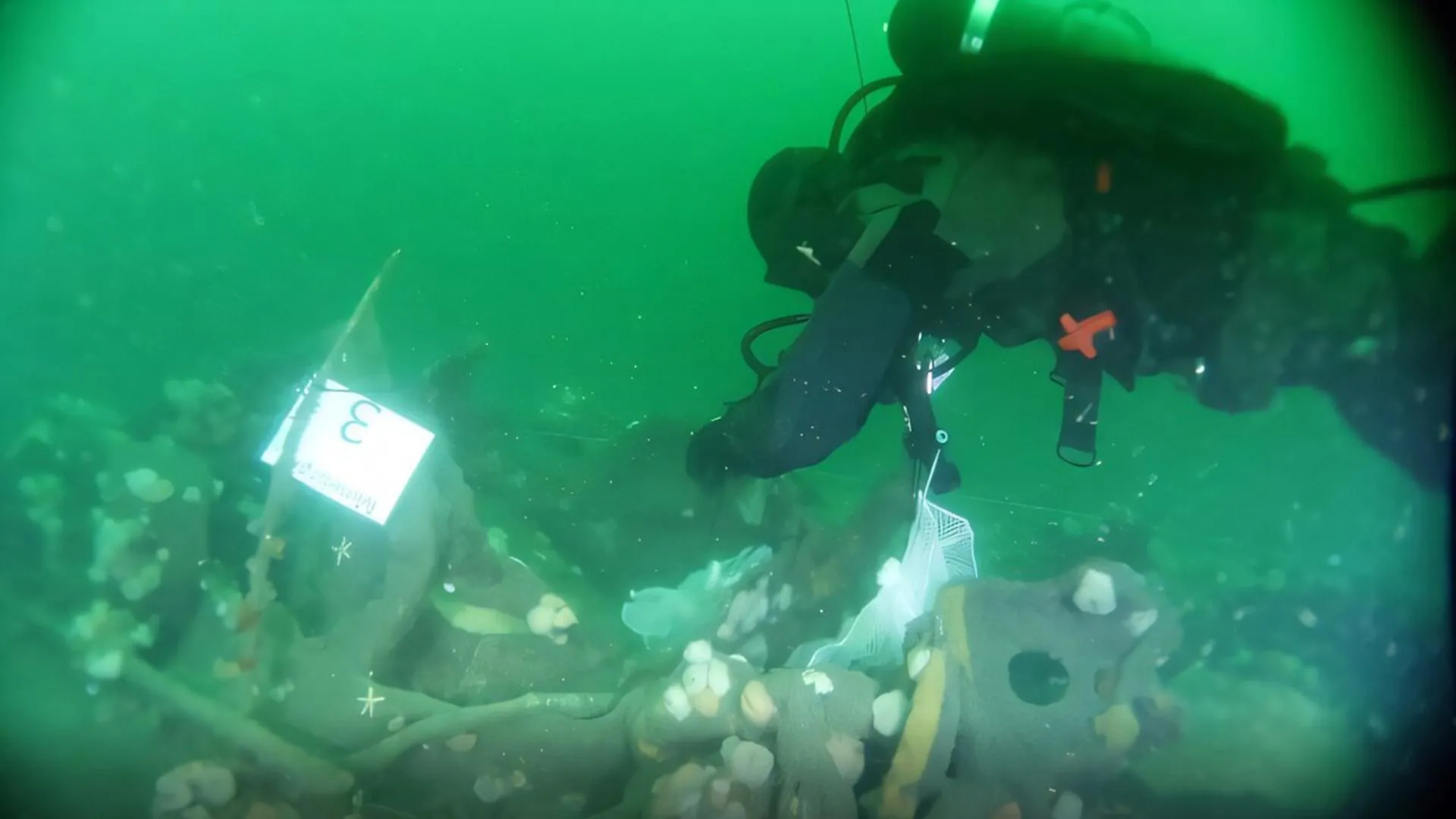
Centennial TNT Leak Highlights Risks from Historic Submarine Wrecks
A century after sinking, a World War I submarine wreck off Denmark is leaking TNT into the surrounding water, seabed, and marine life. This is not a distant historical footnote, it is a measurable, real-time warning. Thousands of similar corroding wrecks could pose growing environmental risks. Understanding drives protection. For deeper coverage of maritime challenges, see our related article on India's expanded naval fleet, which reflects the evolving pressures on our oceans.
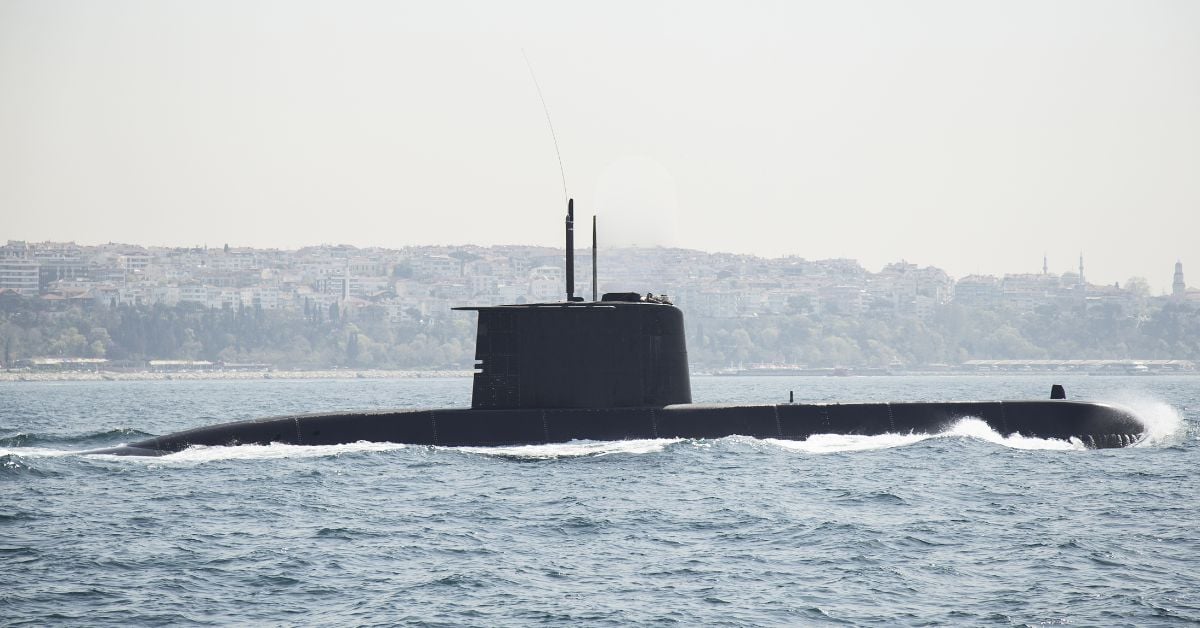
Autonomous Drone Encounter Highlights Growing Maritime Technology in the Hormuz Strait
The underwater drone detected near the Hormuz Strait is likely Anduril's Dive-D, a calibrated, autonomous system built for defense. This sighting underscores a measurable shift: maritime technology is no longer confined to surface vessels. Empirical observation of such platforms matters, because understanding drives protection. For deeper context on regional shipping pressures, see our coverage of "Gulf of Oman STS Transfers Max Out Amid Rising Saudi Oil Exports." The strait's future demands integrated, peer-reviewed intelligence, not alarm.
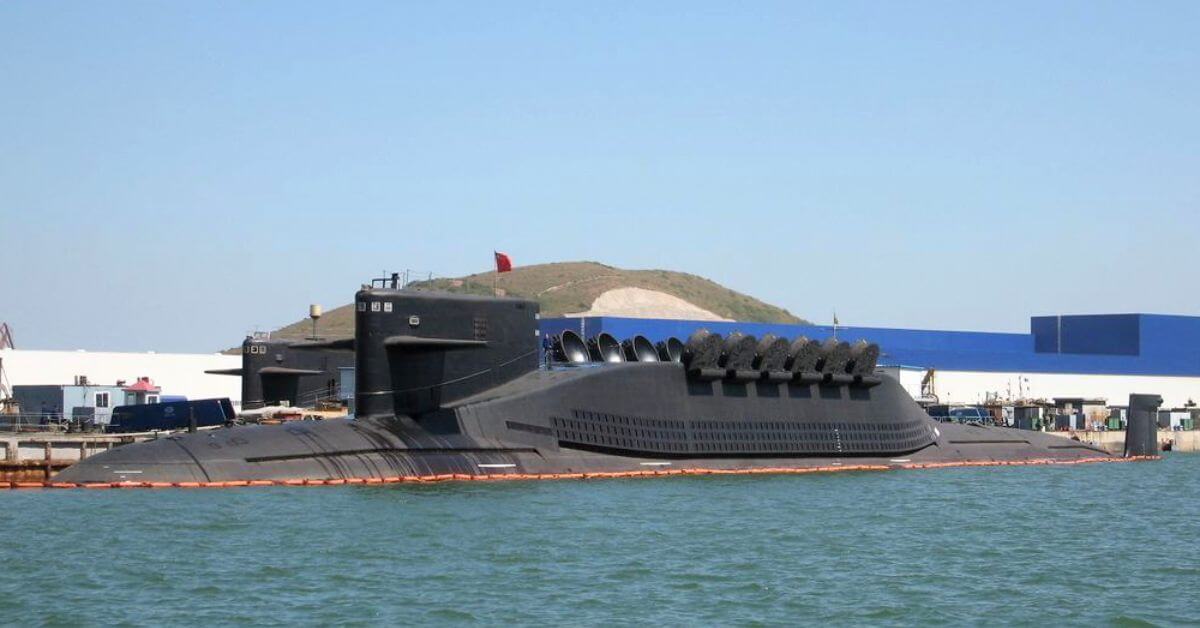
PLAN Integrates Acoustic Mapping for Enhanced Submarine Target Tracking
Acoustic mapping gives the PLAN a measurable edge in submarine target tracking, turning difficult underwater conditions into calibrated, real-time data. This is empirical ocean intelligence applied directly to naval operations. Understanding drives protection, and here, that understanding is acoustic. For broader context on shifting maritime postures, see our coverage of "India Projects Expanded Naval Fleet to Navigate Evolving Maritime Landscape." It is a reminder that ocean stewardship now demands integrated awareness from seabed to surface.

India Advances Submarine Fleet Modernization with German Acquisition
The Indian Navy's decision to advance submarine fleet modernization through a German acquisition addresses a pressing operational gap. With conventional submarine numbers falling short of requirements, this programme is not merely procedural; it is a calibrated response to shifting maritime realities. We see this as a practical step toward sustaining underwater deterrence, though the timeline will test both industrial coordination and strategic patience.

Increased Naval Presence: UK Monitors Rising Russian Activity.
The latest figures land with quiet precision: UK authorities released new data on Russian naval activity weeks after interdicting a sanctioned shadow fleet tanker in the English Channel. This is measured escalation, not alarm. Intercepting that vessel sent a clear signal, and the numbers now confirm why. For readers tracking broader maritime pressure, India's fleet expansion offers a parallel thread. But here, the focus stays local: surveillance, deterrence, and the unglamorous work of patrolling our own waters.

Arctic Submarine Collaboration Expands: Germany, Norway, and Canada Unite.
Four days of talks in Kiel brought Germany, Norway, and Canada alongside TKMS, Kongsberg, and Multiconsult, signaling a deliberate step toward shared submarine capability. This is not merely procurement; it is the architecture of deterrence taking shape in Arctic waters. The collaboration reflects a practical recognition that no single nation patrols these expanses alone. For readers tracking Russia's icebreaker ambitions, including its calibrated export revenue scheme, this trilateral move adds a measured counterweight. We will follow how these industrial partnerships translate into operational reality.

Enhanced Maritime Security: Israel Completes Dolphin II Submarine Program
The arrival of Israel's most expensive submarine completes the Dolphin II program, a milestone that sharpens maritime deterrence through proven, long-range capability. This is not flashy technology; it is calibrated naval power built for endurance. The investment signals a clear-eyed commitment to securing contested waters, echoing the strategic foresight seen in India's expanded fleet plans. For readers tracking regional shifts, our coverage of India's naval projections offers useful context.

Australia Integrates Combat Systems for Virginia-Class Submarine Fleet.
The Australian Submarine Agency has awarded Lockheed Martin a two-year, AUD$26.5 million contract to integrate combat systems for the Virginia-class submarine fleet. It is a measured step, but one that signals serious intent. Precision here is not optional; it is foundational to credible deterrence. This work will define how effectively the fleet operates in a contested region. For broader context on regional maritime pressures, our piece on India's expanded naval fleet projections offers a useful counterpoint to Australia's own strategic trajectory.

Navy Removes Submarine Commander Citing Loss of Confidence
The U.S. Navy's decision to relieve a submarine commander over a "loss of confidence" underscores the uncompromising standard required for those entrusted with silent service. This is not a casual rebuke; it is a calibrated judgment that leadership is about more than technical skill. Such decisions, while stark, reinforce the discipline that underpins our naval power. For context on how this fits into broader force readiness, our piece on the U.S.

End of an Era: USS Georgia Submarine Begins Inactivation.
The USS Georgia's final voyage is complete, marking the beginning of its scheduled inactivation. The Navy confirmed the submarine has concluded operations, closing a chapter defined by decades of silent service. This process is not an ending but a transition, a measured step in a broader maritime evolution. As platforms age, new capabilities emerge, and our coverage of autonomous systems integration, such as the Navy's recent center for robotic operations, highlights where the fleet is heading. Understanding this shift is essential.

Real-Time Battery Data Bolsters Navy Submarine Readiness and Safety
Battery monitoring systems from L3Harris will now support the U.S. Navy's submarine fleet under a new contract with General Dynamics Electric Boat. This is the kind of practical, data-driven upgrade that quietly strengthens readiness where it matters most. Real-time battery data means safer operations and fewer unknowns beneath the surface. For those tracking broader naval shifts, our piece on China's New Nuclear Carrier Signals Extended Naval Operations Capability offers useful context on how undersea and surface power are evolving in parallel.

India Expands Naval Capabilities, Projecting Strength Across the Indian Ocean.
India is moving with measurable intent across the Indian Ocean. With 50 warships already under construction and the new submarine hunter INS Malvan joining the fleet, New Delhi is signaling a long-term commitment to maritime stability. A 200-ship target by 2035 is ambitious, yet grounded in a clear strategic calculus. This is not posturing; it is calibrated investment in ocean intelligence. For broader context on this trajectory, our related article on India's expanded naval fleet offers useful perspective.

Next-Generation Submarine Hub Advances Ocean Intelligence in Latin America
HD Hyundai Heavy Industries and Peru's SIMA have unveiled a next-generation submarine concept for the Peruvian Navy, a move that signals a deliberate step forward for regional maritime capability. The collaboration pairs South Korean engineering with local shipbuilding expertise, and the result feels less like a transaction than a shared investment in ocean intelligence. We see this as a practical, measured advance, one that aligns with the broader push toward integrated naval strategies.
From Sonar Tech to Oceanographer: Charting a New Course.
Nine years of submarine sonar work is not a typical starting point for an oceanography degree, but it is a calibrated one. That experience in acoustic analysis and operational decision-making translates directly into the data-heavy reality of modern marine science. For anyone transitioning from military service, especially a trans woman, the academic culture can feel like a different world, but the technical foundation is a genuine asset. Geospatial analysis is a natural fit. It is a viable path, provided you find the right lab culture.

Enhanced Y-9 Aircraft Bolsters China’s South China Sea Submarine Surveillance.
China has unveiled an upgraded Y-9 anti-submarine patrol aircraft during recent naval exercises, sharpening its surveillance reach across the South China Sea. The move signals a deliberate step in extending maritime domain awareness, though specific capabilities remain undisclosed. What stands out is the timing, an incremental enhancement that speaks to sustained operational focus rather than spectacle. For context on how China is broadening its naval footprint, our piece on its new nuclear carrier offers useful perspective.

Expanding India’s Naval Capabilities: INS Malvan Joins the Fleet
The Indian Navy's newest vessel, INS Malvan, is compact, yet formidable. It marks a meaningful step forward for indigenous shallow-water combatants, reinforcing a fleet that must stay agile in crowded seas. This is not just about adding hulls; it is about sharpening response where it matters most. As India projects an expanded naval fleet by 2040, such vessels prove that size and precision can work together.

Preserving a Legacy: USS Silversides Enters Dry Dock for Vital Repairs
The USS Silversides has arrived at Fincantieri Bay Shipbuilding, entering dry dock for essential repairs. This is preservation in its most practical form. A vessel that once defined service now requires the same precision and care it demanded in its prime. Drydocking is not maintenance; it is a commitment to memory. For those tracking maritime readiness, this effort pairs well with our coverage of India's expanded naval fleet. Both stories affirm that sustaining capability, whether historic or future-facing, remains a deliberate, measurable act.