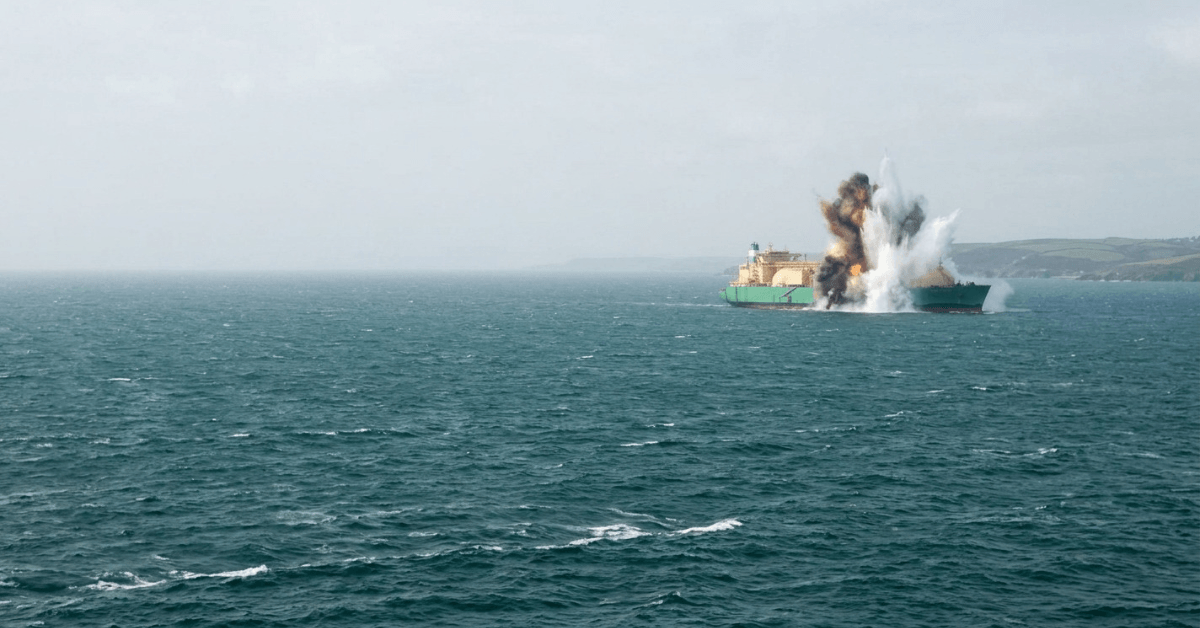
Unverified claims from Iran's Revolutionary Guards that an LNG tanker struck a naval mine in the Strait of Hormuz demand skepticism, not alarm. The Guards assert the vessel entered a "prohibited area" with its detection and navigation systems disabled, struck a mine, and caught fire, yet they have provided no vessel name, crew details, or damage assessment. Independent sources have not confirmed the incident, and this pattern of unsubstantiated reports undermines the credibility of Iran's narrative. As Ocean intelligence confirms zero trade growth as chokepoint disruptions reshape global routes shows, the cumulative effect of such chokepoint volatility is already measurable in global trade statistics. When claims about maritime hazards cannot be validated, the real cost is paid in operational uncertainty for every vessel planning a passage through the strait.
For commercial operators and maritime risk analysts, the practical implications are stark. The Guards claim that 17 tankers have been struck since November 1, and that more than 200 vessels remain waiting east of the waterway. Yet maritime risk analysts note that independent agencies have not verified that naval mines caused any of these explosions. The Guards also reported two oil tankers hit mines on the same day, again without independent confirmation. This is not a data ecosystem, it is a claim environment. Without empirical, peer-reviewed validation from sources like the UKMTO or Joint Maritime Information Centre, operators cannot calibrate their risk models. The Unflagged tanker in North Pacific yields 3.3 tonnes of methamphetamine illustrates how easily vessels can operate outside verified tracking frameworks; the Strait of Hormuz presents the inverse problem, vessels within a regulated waterway facing hazards that may or may not be real.
Iran has linked the reopening of the strait to US concessions, including the lifting of a naval blockade on Iranian ports, with a proposal that normal shipping could resume within 48 hours of agreement. That framing turns a navigational safety issue into a geopolitical lever. For the global LNG market, where each day of disruption tightens supply and raises prices, the distinction matters. The UKMTO received a separate report of an unknown projectile exploding near a tanker 50 nautical miles west of Dubai, but confirmed no damage and no environmental impact. That single verified data point contrasts sharply with the Guards' unverified claims, and it suggests that independent monitoring remains functional, but only for incidents it can directly observe.
The specific takeaway is this: until independent verification arrives, treat every unconfirmed mine strike as a claim, not a fact. Iran's demand that ships coordinate with its forces to reduce risk is self-serving, and the absence of transparency about vessel identities and crew status suggests these reports serve a purpose beyond maritime safety. Watch whether any independent source, UKMTO, JMIC, or a flag-state investigation, confirms damage to a named tanker. That single piece of validated intelligence would tell us far more than a dozen unverified statements.