U.S. Navy Awards Contract To Build Multiple Landing Craft Utility Vessels
Our take
The recent award of a firm fixed-price contract by the U.S. Navy to construct multiple Landing Craft Utility (LCU) vessels at the Port Alpha shipyard in Texas represents a significant development in naval shipbuilding and maritime logistics. This marks the first vessel construction at Port Alpha, signaling a potential shift in the Navy’s shipbuilding strategy and a reinvestment in domestic infrastructure. The decision arrives amidst a complex geopolitical landscape, underscored by recent events such as the Saudi Arabian pipeline attack and the subsequent adjustments to oil export routes Oil Prices Fall 1.2% After Saudi Arabia Announces Crude Exports Via Oman Following Pipeline Attack, highlighting the importance of secure and adaptable maritime transport capabilities. Furthermore, ongoing concerns regarding operational readiness and safety within the Navy, as demonstrated by the recent restrictions on portable AC units U.S. Navy Bans Portable AC Units At San Diego Barracks Over Electrical Safety, necessitate robust logistical support and reliable vessel construction.
The selection of Port Alpha, and the utilization of an Other Transaction Authority (OTA) agreement, suggests a desire for increased efficiency and innovation in the shipbuilding process. OTAs allow for more flexible contracting and faster prototyping, potentially accelerating the delivery of these essential vessels. LCUs are crucial for transporting troops, equipment, and supplies to shore, especially in amphibious operations and humanitarian assistance scenarios. The increased demand for these vessels likely stems from evolving strategic priorities and a need to enhance the Navy’s ability to project power and respond to global events. The timing also coincides with broader discussions about strengthening domestic supply chains and reducing reliance on foreign shipbuilding capabilities, a trend observable across several defense sectors. The guilty pleas of former Navy sailors involved in illicit drug distribution aboard the USS Abraham Lincoln Former U.S. Navy Sailors Plead Guilty To Selling Fentanyl-Laced Pills Aboard Aircraft Carrier USS Abraham Lincoln underscores the importance of operational readiness and highlights the need for efficient logistical support networks to maintain a resilient force.
From an ocean intelligence perspective, this development contributes to a broader trend of increased maritime activity and strategic investment in naval infrastructure. The construction of these LCUs will undoubtedly generate data streams related to shipbuilding processes, materials science, and operational performance. Analyzing this data—including vessel speed, fuel consumption, and maintenance requirements—could provide valuable insights for optimizing naval logistics and improving the efficiency of future vessel designs. A longitudinal study of the Port Alpha shipyard’s performance, coupled with data from similar shipbuilding projects, could lead to validated empirical models for predicting construction timelines, identifying potential bottlenecks, and improving overall project management. Calibrated data on LCU operational effectiveness, gathered through real-time monitoring of deployment patterns and mission outcomes, will be essential for assessing the return on investment and informing future procurement decisions.
Looking ahead, the successful execution of this contract at Port Alpha will be a key indicator of the Navy's ability to leverage OTAs and revitalize domestic shipbuilding capacity. The integrated data ecosystem surrounding this project—from design and construction to operational deployment—will generate a wealth of information that, if properly analyzed, could significantly enhance the Navy's ocean intelligence capabilities. A critical question remains: how effectively will the Navy integrate these data streams with existing maritime surveillance systems to create a more comprehensive and real-time understanding of the operational environment? The answer to that question will shape the future of naval logistics and the Navy's ability to respond effectively to evolving global challenges.
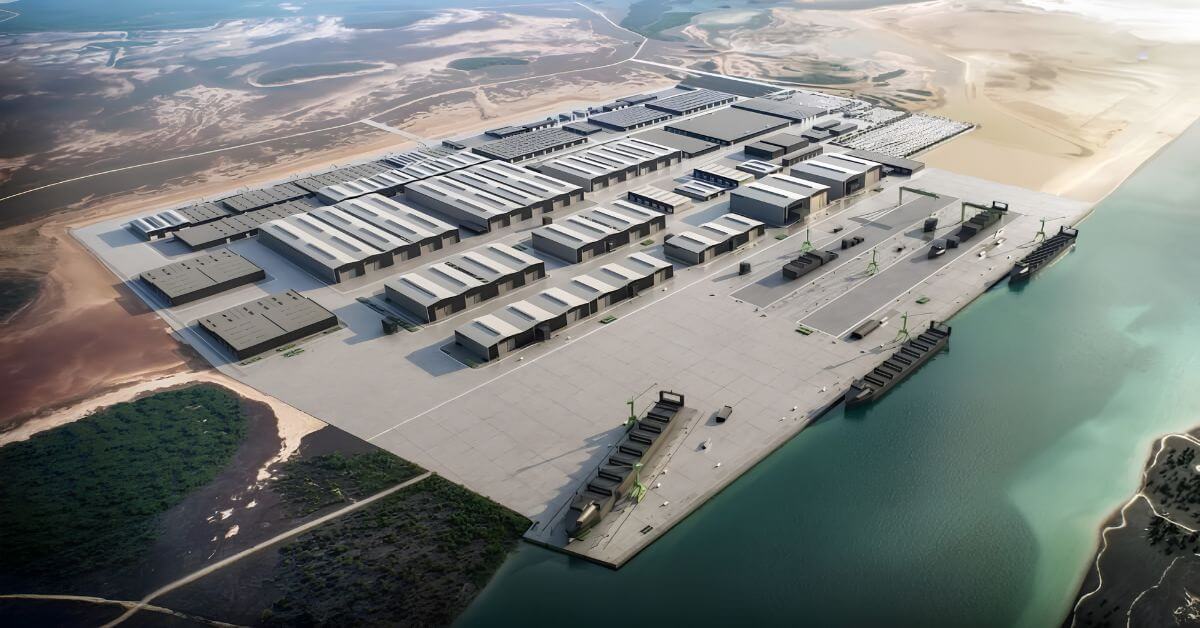
Saronic Technologies has won a U.S. Navy contract to build multiple Landing Craft Utility (LCU) vessels.
The contract is a firm fixed-price agreement awarded under an Other Transaction Authority (OTA). It will be the first vessel built at Saronic’s planned Port Alpha shipyard in Brownsville, Texas.
Saronic plans to start building the LCUs in 2028. The first vessels are expected to be delivered in 2029.
LCUs are used to move troops, vehicles and cargo from ships to shore. They can reach beaches and other shorelines where there is no port or pier.
The vessels can carry up to 170 tons and have a range of about 1,200 nautical miles. They can move cargo from amphibious ships across open water and also carry out shore-to-shore trips.
The Navy and Marine Corps are looking for more LCUs as the older vessels are replaced. Saronic will build multiple vessels under the Navy’s current programme of record.
The contract takes Saronic into manned naval shipbuilding. The company has so far focused mainly on autonomous surface vessels.
Saronic said the OTA arrangement allowed the Navy to move quickly and put the company under contract.
Mavrookas said Port Alpha was designed to build large autonomous surface vessels as well as manned ships.
The shipyard is also intended to support the Navy’s hybrid fleet plans and add capacity to the U.S. maritime industrial base.
The LCU project will be one of the first builds at the new shipyard. Saronic plans to open Port Alpha in Brownsville in 2028.
The company has said the shipyard will initially be able to build vessels of up to 850 feet. It could eventually handle ships as long as 1,200 feet.
Port Alpha is planned for both crewed and autonomous vessels. Saronic has said it could eventually create up to 10,000 jobs at the facility.
The shipyard will use robotics, software and advanced manufacturing along with traditional shipbuilding methods.
The LCU contract will give the facility its first production work with a manned naval vessel.
References: benzinga, oceannews
Read on the original site
Open the publisher's page for the full experience