U.S. Navy Bans Portable AC Units At San Diego Barracks Over Electrical Safety
Our take

The recent decision by the U.S. Navy to ban portable air conditioning units in a San Diego barracks, specifically Building 635, highlights a critical intersection of operational readiness, electrical infrastructure integrity, and sailor well-being. While seemingly a localized issue, the move underscores broader vulnerabilities within military facilities and the increasing strain placed on aging electrical grids by modern demands. The ban, communicated via a memo requiring removal within a week, stems directly from concerns about electrical safety, a concern amplified by incidents elsewhere. This echoes recent events such as the guilty pleas of former U.S. Navy sailors selling fentanyl-laced pills aboard the USS Abraham Lincoln [Former U.S. Navy Sailors Plead Guilty To Selling Fentanyl-Laced Pills Aboard Aircraft Carrier USS Abraham Lincoln] - a stark reminder of the complexities and potential risks within naval environments, and the need for robust safety protocols. Further illustrating the interconnectedness of operational concerns, recent fluctuations in oil prices following a pipeline attack in Saudi Arabia [Oil Prices Fall 1.2% After Saudi Arabia Announces Crude Exports Via Oman Following Pipeline Attack] demonstrate the fragility of global supply chains and the potential impact on military operations, including power generation and maintenance.
The reliance on portable AC units, while understandable given San Diego’s climate, represents a significant and often overlooked electrical load. These units, often drawing substantial power, can overload circuits and contribute to system instability, increasing the risk of electrical fires and equipment failure. This isn’t solely a San Diego problem; aging infrastructure across numerous military bases faces similar pressures from increasing technological demands and the need for climate control. The Navy's decision, while restrictive in the immediate term, is a proactive measure to mitigate a tangible safety hazard. It forces a reassessment of base-wide electrical capacity and the potential need for investment in more robust, integrated climate control solutions. It’s also likely to spur a review of similar practices at other facilities, prompting a wider evaluation of electrical infrastructure vulnerabilities and the safety protocols in place to address them. The current deployment of the USS St. Louis to augment southern border security [U.S. Navy Augments Southern Border Security & Interdiction Efforts With USS St. Louis’ Deployment] further emphasizes the Navy's need to maintain operational readiness across multiple fronts, making infrastructure reliability a paramount concern.
Beyond the immediate safety concerns, this situation offers a valuable opportunity to examine the Navy's broader energy management strategy. Portable AC units are inherently inefficient and represent a decentralized, uncontrolled energy draw. The shift towards more sustainable and integrated cooling solutions, potentially incorporating renewable energy sources and smart grid technologies, could not only improve electrical safety but also reduce the Navy’s overall energy footprint and operational costs. This requires a move away from reactive measures – banning individual units – towards a proactive and holistic approach to infrastructure planning and energy management. The integration of data-driven insights, a core tenet of the World Data Ocean philosophy, would be instrumental in identifying areas of vulnerability, optimizing energy usage, and prioritizing investments in resilient infrastructure. Real-time monitoring of electrical loads and climate conditions, coupled with predictive analytics, can enable proactive adjustments and prevent future incidents.
Ultimately, the ban on portable AC units in Building 635 serves as a microcosm of a larger challenge facing the U.S. military: the need to modernize aging infrastructure and adapt to evolving operational demands. This incident highlights the importance of prioritizing electrical safety, investing in sustainable energy solutions, and embracing data-driven insights to enhance resilience. A crucial question moving forward is whether this localized response will trigger a broader, more comprehensive assessment of electrical infrastructure vulnerabilities across the entire Navy and other branches of the military, and whether that assessment will translate into tangible investments and long-term solutions.
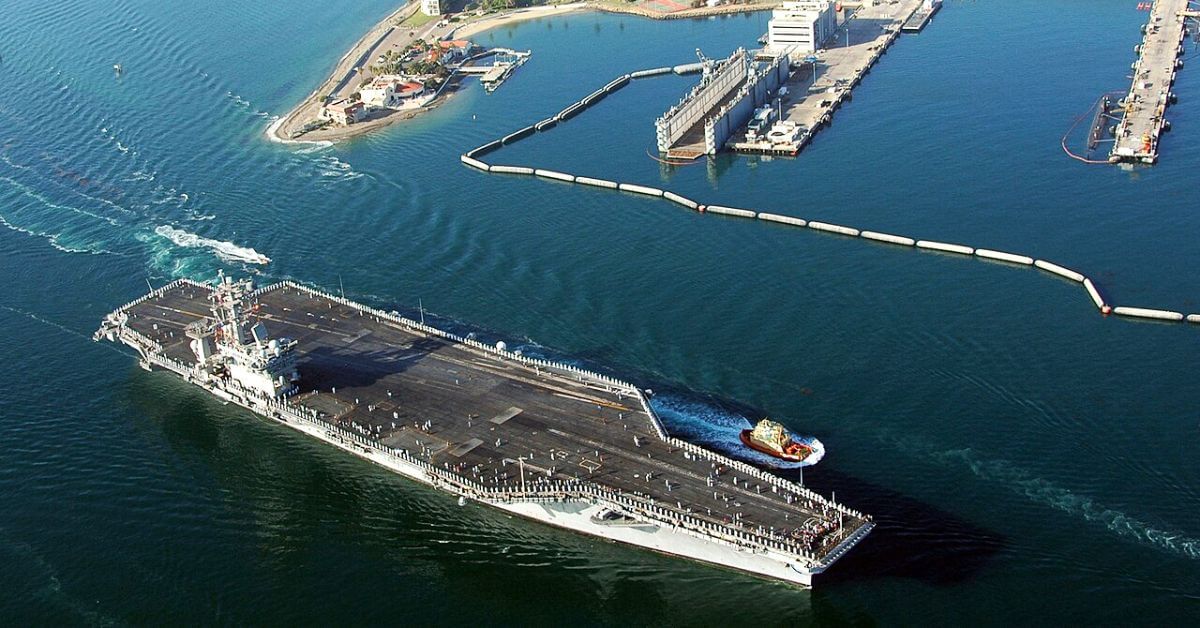
The U.S. Navy has banned sailors living in a barracks at Naval Base Point Loma in San Diego from using portable air conditioners because the building’s old electrical system cannot handle the extra power.
The ban applies to Building 635. Sailors received a memo on Aug. 31 telling them to remove their portable AC units within one week. The rooms were also due to be inspected on Tuesday to make sure the units had been removed.
The ban comes as temperatures in Southern California remain high. San Diego reached 93 degrees Fahrenheit (34 degrees Celsius) on Tuesday, according to the National Weather Service.
One sailor living in the barracks told KPBS that the room is unbearable during the day and too hot to sleep in at night. The sailor said the ceiling and stand-up fans only move the hot air around. They also said they sometimes sweat through their sheets while sleeping.
Brian O’Rourke, a Navy Region Southwest spokesperson, said portable AC units are not allowed because they often trip circuit breakers and create a safety hazard.
The sailor lives in the barracks while serving on a San Diego-based submarine. KPBS did not name the sailor because they feared retaliation.
Why The Navy Banned The AC Units?
Building 635 does not have air conditioning, according to a San Diego Navy spokesperson cited by KPBS.
The building is old, and its electrical system cannot handle the power needed by portable AC units, the Navy said. Using the units can trip the circuit breakers and create a safety risk.
The Navy said sailors living in the building have ceiling fans and at least one stand-up fan.
The AC ban is not related to military security. It is linked to the building’s electrical system and the risk created when the units are used.
The Aug. 31 memo gave sailors one week to remove their AC units. Inspections were then planned to check that they were gone.
Navy Plans To Upgrade Barracks
The Point Loma barracks are due for upgrades, O’Rourke said.
In May, the Navy completed an environmental assessment that includes renovation work for the Point Loma Barracks. The Navy has not said when construction will start.
It is also not clear whether the work will include an upgrade to the electrical system in Building 635.
Congress approved $1 billion for upgrades to Unaccompanied Housing across the military under the One Big Beautiful Bill Act, which was passed in the summer of 2025.
The Navy has already committed to upgrading the Point Loma Barracks. However, it has not said how much of the work will involve Building 635.
Until the upgrades begin, sailors living in the building will have to rely on the fans provided in their rooms while portable AC units remain banned.
References: kpbs, slashgear
Read on the original site
Open the publisher's page for the full experience