robotics
World Data Ocean keeps robotics in one place: 9 stories so far. The section currently leads with “Fincantieri commits nearly €100 million to robotic shipyard intelligence”, “Port Alpha Shipyard to Build Navy Landing Craft, Boosting Ocean Data Access”, and “Autonomous Drone Encounter Highlights Growing Maritime Technology in the Hormuz Strait”. Nearly €100 million is a serious bet on a single question: can a shipyard think for itself? Port Alpha Shipyard in Texas will build the Navy's next landing craft under a firm fixed-price agreement, an OTA award that anchors production on the U.S. A Global Hub for Ocean Intelligence 4 World Data Ocean is a centralized digital platform where researchers, scientists, and ocean enthusiasts converge to… The list below is every robotics story on World Data Ocean, newest first.
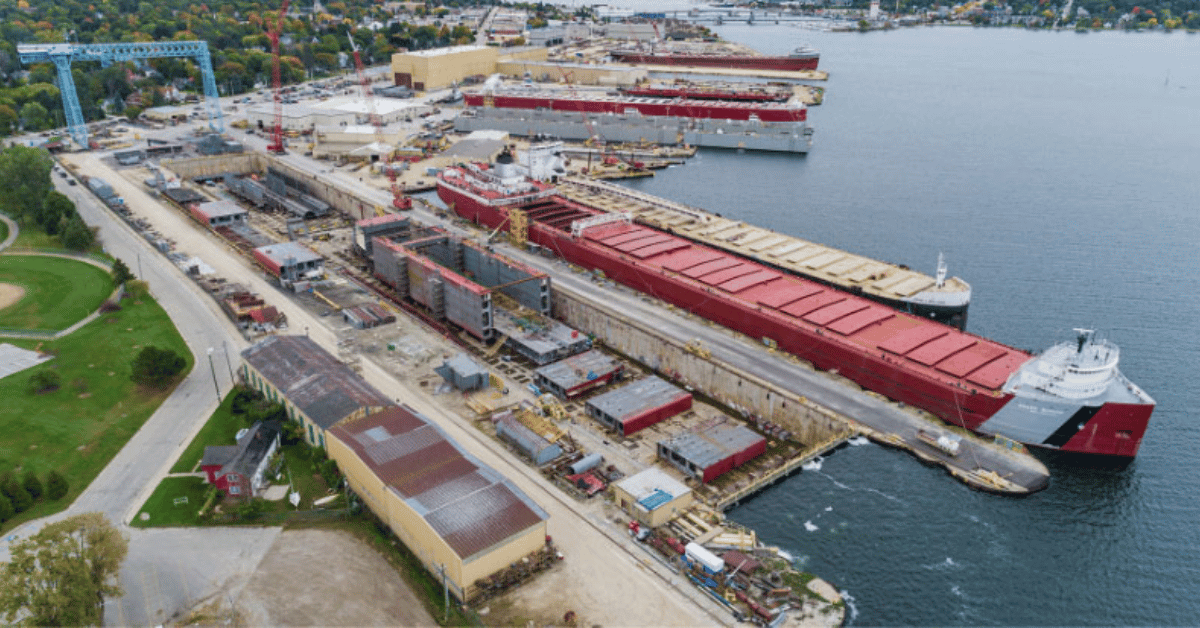
Fincantieri commits nearly €100 million to robotic shipyard intelligence
Nearly €100 million is a serious bet on a single question: can a shipyard think for itself? Fincantieri's BOOST² program plans to integrate AI, robotics, and automation across its facilities to sharpen productivity and safety. This is measurable industrial evolution, not speculative hype. The investment treats shipbuilding as an integrated data ecosystem where real-time intelligence drives every weld and hoist. For context on how digitalisation is reshaping maritime safety, read our coverage of the AI and digitalisation pact between China Merchants Energy Shipping and RINA.
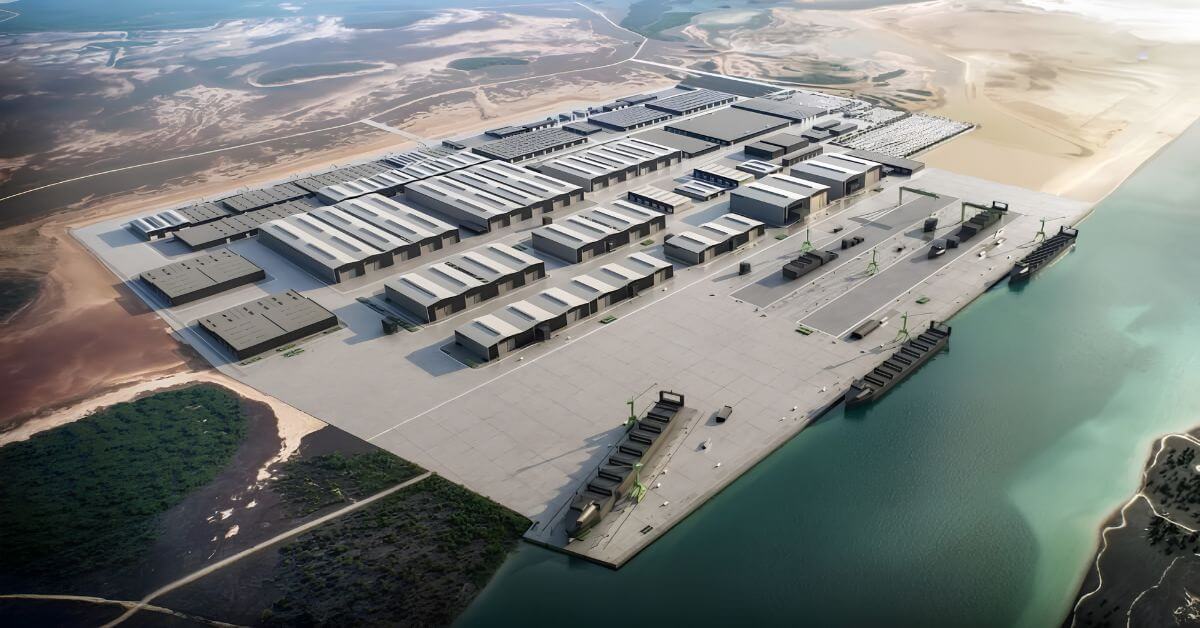
Port Alpha Shipyard to Build Navy Landing Craft, Boosting Ocean Data Access
Port Alpha Shipyard in Texas will build the Navy's next landing craft under a firm fixed-price agreement, an OTA award that anchors production on the U.S. Gulf Coast. This vessel marks the yard's first such contract, a practical step for naval mobility. Shipbuilding decisions like this carry weight beyond hulls; they shape ocean intelligence. For broader context on maritime capability, see our coverage of China's New Nuclear Carrier Signals Extended Naval Operations Capability. Measured investment in construction is how data-driven stewardship gains ground.
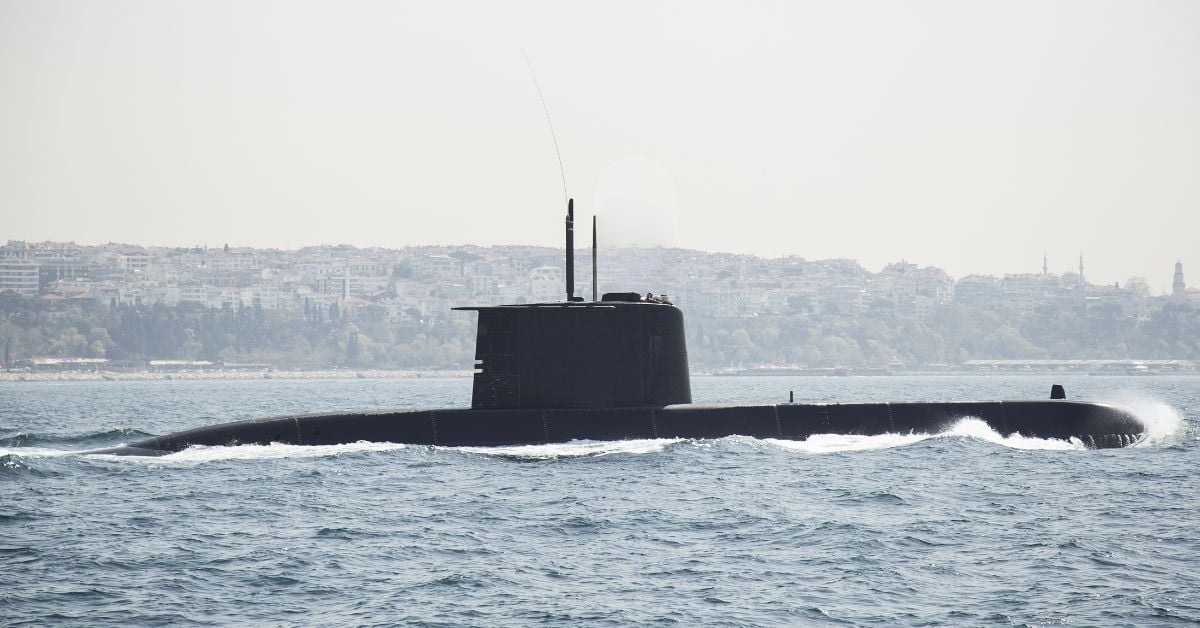
Autonomous Drone Encounter Highlights Growing Maritime Technology in the Hormuz Strait
The underwater drone detected near the Hormuz Strait is likely Anduril's Dive-D, a calibrated, autonomous system built for defense. This sighting underscores a measurable shift: maritime technology is no longer confined to surface vessels. Empirical observation of such platforms matters, because understanding drives protection. For deeper context on regional shipping pressures, see our coverage of "Gulf of Oman STS Transfers Max Out Amid Rising Saudi Oil Exports." The strait's future demands integrated, peer-reviewed intelligence, not alarm.
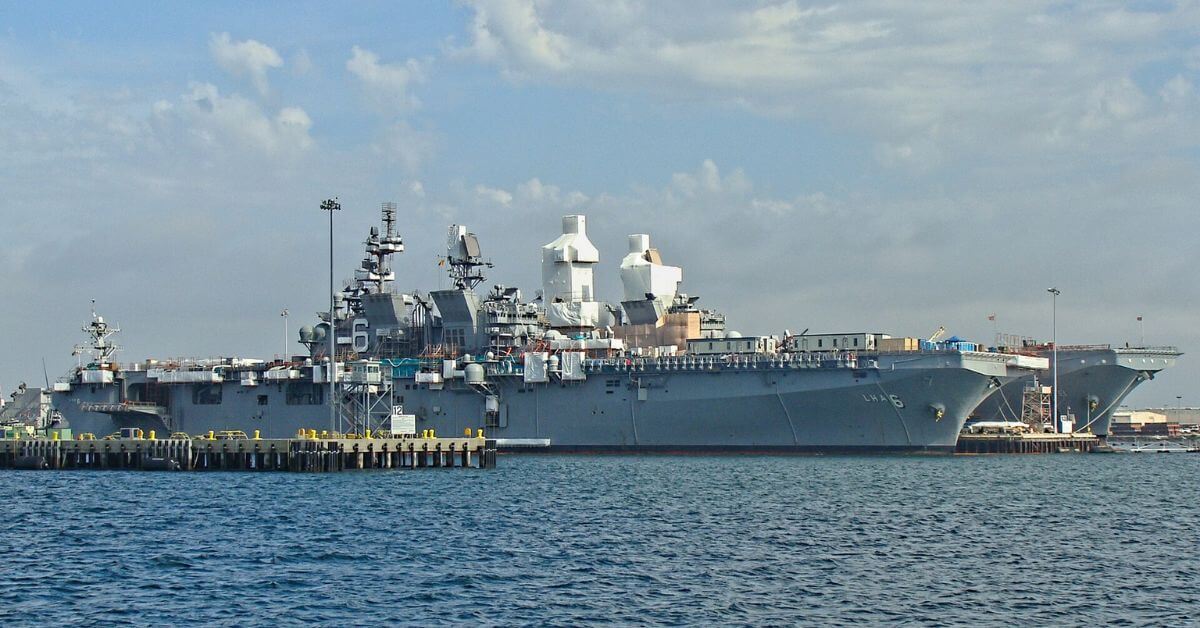
Integrating AI and Robotics to Enhance Maritime Production Capacity
Skilled labor, upgraded shipyards, and robotics are converging on the maritime sector. The company's plan to integrate physical AI into its production lines is a practical response to mounting capacity demands, not a distant ambition. This move toward automation and precision aligns with the need for measurable efficiency gains. For context on how other nations are scaling their naval ambitions, our piece on the **U.S. Navy Accelerates Submarine Production with Integrated Strategy** offers a useful comparison. The tide is turning toward smarter, faster shipbuilding.

Layered Innovation: 3D-Printed Drone Boat Advances Ocean Data Collection
The TF-179 Drone Boat represents a shift in how we build ocean observation tools. By using robot arms to deposit material layer by layer, this U.S.-built vessel moves beyond traditional moulds, offering a more integrated approach to data collection. The precision here matters; it is a practical step toward more responsive ocean intelligence. For those tracking security and infrastructure progress, our coverage of Alaska's Base Kodiak pier project shows how we are expanding our reach in the Arctic.

AI and Robotics Drive Modernization of US Shipyards
The integration of AI and robotics into U.S. shipyards marks a deliberate step toward modernization, with two companies agreeing to collaborate across the full lifecycle, from construction to operations. This is not speculative ambition; it is a calibrated response to operational demands. We see this as a practical alignment of emerging technology with industrial necessity.
Mapping the Deep: Cook Islands ROV Exploration Set for 2026
In 2026, the Cook Islands will bring its seabed into sharper focus through a dedicated ROV exploration campaign. This is the kind of methodical, on-the-ground ocean intelligence we need more of, moving from satellite-level observation to direct, calibrated observation of the deep. It is a precise step for mapping what remains unseen. For a broader look at how these efforts connect, our piece on mapping American Samoa's seabed offers a useful regional comparison. Understanding drives protection, and this work is a clear example.

Port Alpha: A New Era for U.S. Maritime Capabilities and Ocean Data.
Brownsville, Texas, is set to anchor a significant leap forward in American maritime capability with the construction of Port Alpha, a new advanced shipyard. This investment signals a clear commitment to modernizing our national infrastructure while simultaneously strengthening the collection of critical ocean data. It is a practical, forward-looking move that integrates industrial capacity with the imperative of environmental intelligence. For those tracking the health of our seas, this development is a measurable step toward a more resilient and informed future.

Autonomous System Deployed: Ukraine Employs Robotic Boat in Coastal Operation
Ukraine's deployment of a robotic boat in coastal operations signals a practical shift toward autonomous systems in contested waters. The platform's reliance on a ballistic computer and AI for target detection and engagement reflects a growing emphasis on precision over proximity. This is measured, calculated capability. It also aligns with broader trends, such as the US Navy's recent push to integrate similar technologies, a point covered in our related article, "Navy Accelerates Autonomous Systems Integration for Enhanced Maritime Operations.