Oil Prices Fall 1.2% After Saudi Arabia Announces Crude Exports Via Oman Following Pipeline Attack
Our take
The recent dip in oil prices following Saudi Arabia’s decision to reroute crude exports through Oman, in response to a pipeline attack, highlights a volatile geopolitical landscape with cascading effects on global trade and, crucially, maritime logistics. The immediate impact is a reduction in market anxiety regarding supply chain disruptions, a concern amplified by ongoing tensions between the U.S. and Iran. This situation underscores the fragility of critical infrastructure and the interconnectedness of energy markets. The incident also serves as a stark reminder of the potential for localized conflicts to rapidly escalate into broader economic crises, impacting everything from shipping costs to consumer prices. Consider the broader context of disruptions already impacting global trade; the Panama Canal To Cut Ship Transits Again Due To Severe Drought Linked To El Niño exemplifies how climate-related events are compounding existing logistical challenges, further stressing supply chains.
The shift to Oman as an alternative export route represents a pragmatic, albeit temporary, solution for Saudi Arabia. However, it’s unlikely to completely insulate the Kingdom from future disruptions. The longer-term implications for regional trade routes and insurance premiums for vessels transiting the Persian Gulf remain to be seen. Moreover, the incident raises questions about the security of other critical energy infrastructure assets across the globe. The resilience of these systems, and the contingency plans in place to mitigate potential disruptions, are increasingly vital areas of focus. The recent actions of shipping giants, as detailed in Maersk, Hapag-Lloyd Resume More Suez Canal Voyages Despite Red Sea Risks, demonstrate the complex risk-assessment processes now integral to global maritime operations, balancing cost efficiency with security concerns. This highlights the ongoing recalibration of trade routes in response to evolving threats.
From a data perspective, this event reinforces the need for real-time, integrated ocean intelligence—validated, measurable data streams that can provide early warnings of potential disruptions and facilitate rapid decision-making. The ability to calibrate risk models based on empirical evidence, incorporating factors such as geopolitical instability, climate change impacts, and maritime security threats, is paramount. The increasing prevalence of incidents affecting maritime security, even beyond the energy sector, as evidenced by the Former U.S. Navy Sailors Plead Guilty To Selling Fentanyl-Laced Pills Aboard Aircraft Carrier USS Abraham Lincoln, underscores the need for layered security protocols and enhanced data analysis to identify and mitigate potential vulnerabilities. The ocean, as a critical artery of global commerce, demands a comprehensive and integrated understanding of the forces shaping its operational environment.
Looking ahead, the situation demands a sustained focus on building resilience within the global energy supply chain and strengthening international collaboration to address maritime security threats. The rapid response by Saudi Arabia, while mitigating immediate concerns, does not negate the underlying risks. The question remains: how can we develop more robust, longitudinal data sets and predictive models that can anticipate and mitigate future disruptions, ensuring the stability of global trade and the flow of essential resources? The development of a truly integrated data ecosystem, capable of providing calibrated, real-time insights into ocean conditions and geopolitical dynamics, is no longer a luxury but a necessity for safeguarding the global economy.
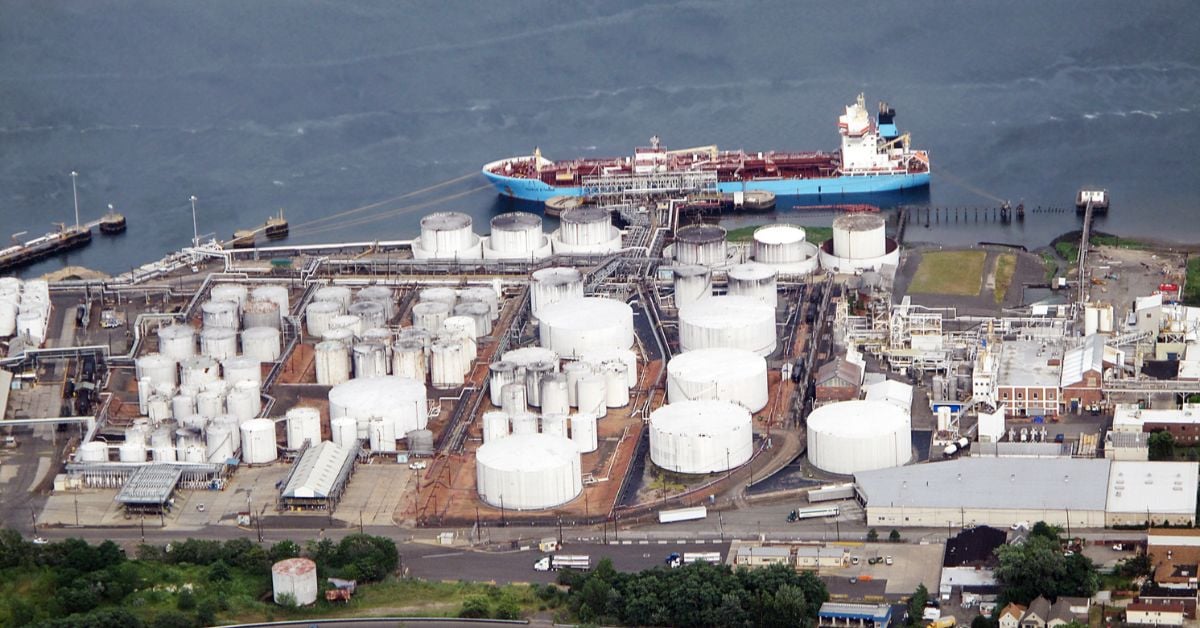
Oil prices dropped 1.2% following Saudi Arabia’s announcement of using Oman to ship its crude oil, easing concerns over supply disruptions due to the US-Iran War, which has closed the strategic Strait of Hormuz, which handles one-fifth of the world’s oil and gas.
Another reason for the decline was the upcoming US-China Summit, which has also eased global oil prices. Brent Crude Futures fell to 104.59 dollars a barrel, by 1.2%, and U.S. West Texas Intermediate Futures fell by 1.1% to 101.29 dollars.
Saudi Arabia is also offering ship-to-ship transfers of crude to its buyers in Asia off the Sohar Port, Oman, to secure the cargoes from potential Houthi attacks.
This move comes at the right time since Riyadh struggles to ship out its crude after an attack on the East-West Pipeline that transports oil to the Yanbu port on the Red Sea for export, offering an alternative to Hormuz.
Two pumping stations of the strategic pipeline network were damaged by drones last week, and Saudi Arabia is trying to repair and restore production through the pipeline.
According to sources, the pipeline will become operational at its maximum capacity in 6 weeks’ time.
However, the current disruption has led to mounting pressure on other export lanes of oil from Saudi Arabia, risking Iranian attacks, to move oil through the Strait of Hormuz with the help of U.S. Navy ship escorts.
According to the United States Energy Secretary, Chris Wright, 18 million barrels of crude and petroleum goods transited the strategic waterway this week.
Prices of crude had reached to 4-month high in the beginning of this week, after the oil loadings at the Port of Yanbu came to a halt following an attack on the East-West Pipeline, distressing the authorities and buyers alike.
However, with the assistance of the U.S. Navy and cooperation from Oman, Riyadh plans to export oil to global markets and stabilise prices and prevent shortages.
Given the risk of sailing through Hormuz, the war risk premiums are high and are impacting the cargo being moved even via alternative routes.
United States also reportedly fell back on its oil inventory to meet demand in recent weeks, with its inventories falling by 640,000 barrels the previous week to almost 400 million barrels.
The Saudi announcement has eased concerns, while at the same time, oil markets are sensitive to further developments in the Gulf region.
Read on the original site
Open the publisher's page for the full experience